

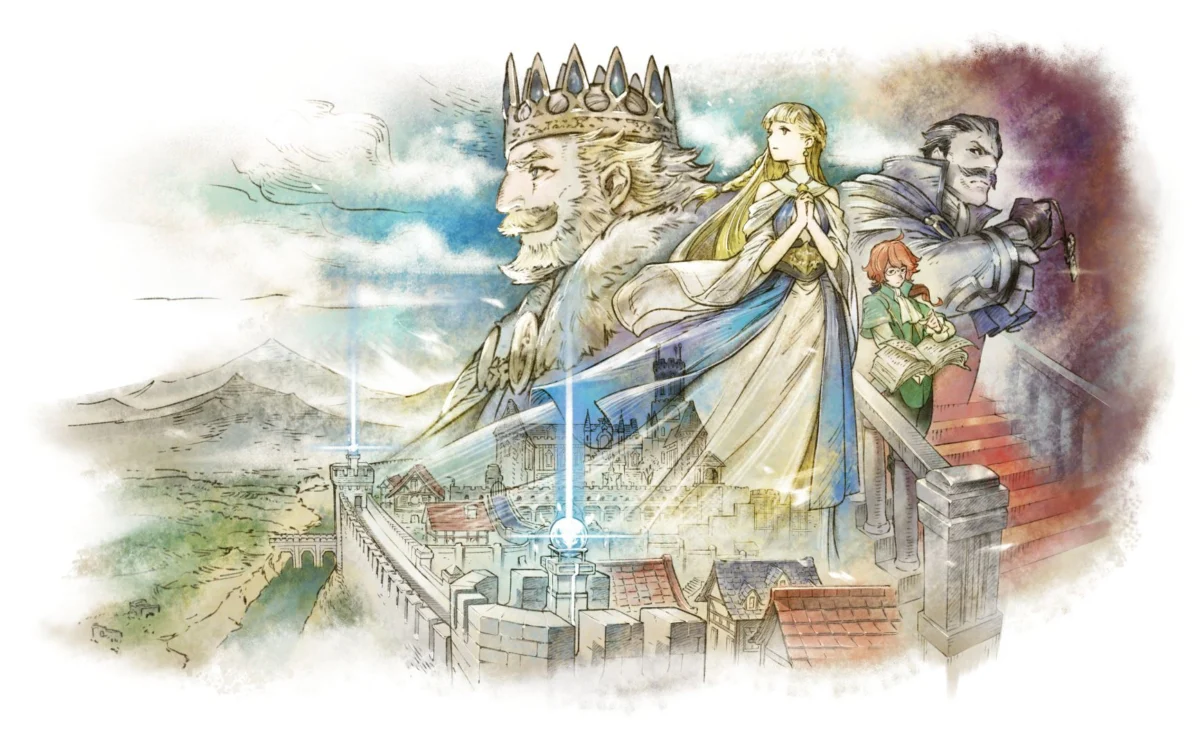
In a summer season dominated by the sheer, overwhelming scale of Final Fantasy 7 Revelation, the long-awaited Kingdom Hearts 4, and the stylistic juggernaut of Persona 6, the gaming landscape feels more bloated than ever. We are living in an era of 100-hour commitments and open-world maps that require a GPS to navigate. Yet, amidst this deluge of “more,” Square Enix’s recent release, The Adventures of Elliot: The Millennium Tales, has emerged as a vital counter-narrative.
Developed by the internal powerhouse Team Asano in collaboration with Claytechworks, The Adventures of Elliot is a masterclass in focused design. It is a 25-hour, mid-sized adventure that wears its 16-bit and 32-bit inspirations on its sleeve, proving that in an industry obsessed with scope, the most impactful experiences are often the most contained.
The Core Experience: A Return to Form
The Adventures of Elliot is not a revolution; it is a refinement. By leaning into the structural DNA of SNES-era classics like The Legend of Zelda: A Link to the Past and Secret of Mana, the game avoids the common pitfalls of modern RPGs: pacing issues, excessive padding, and the “checklist” fatigue that plagues so many modern titles.
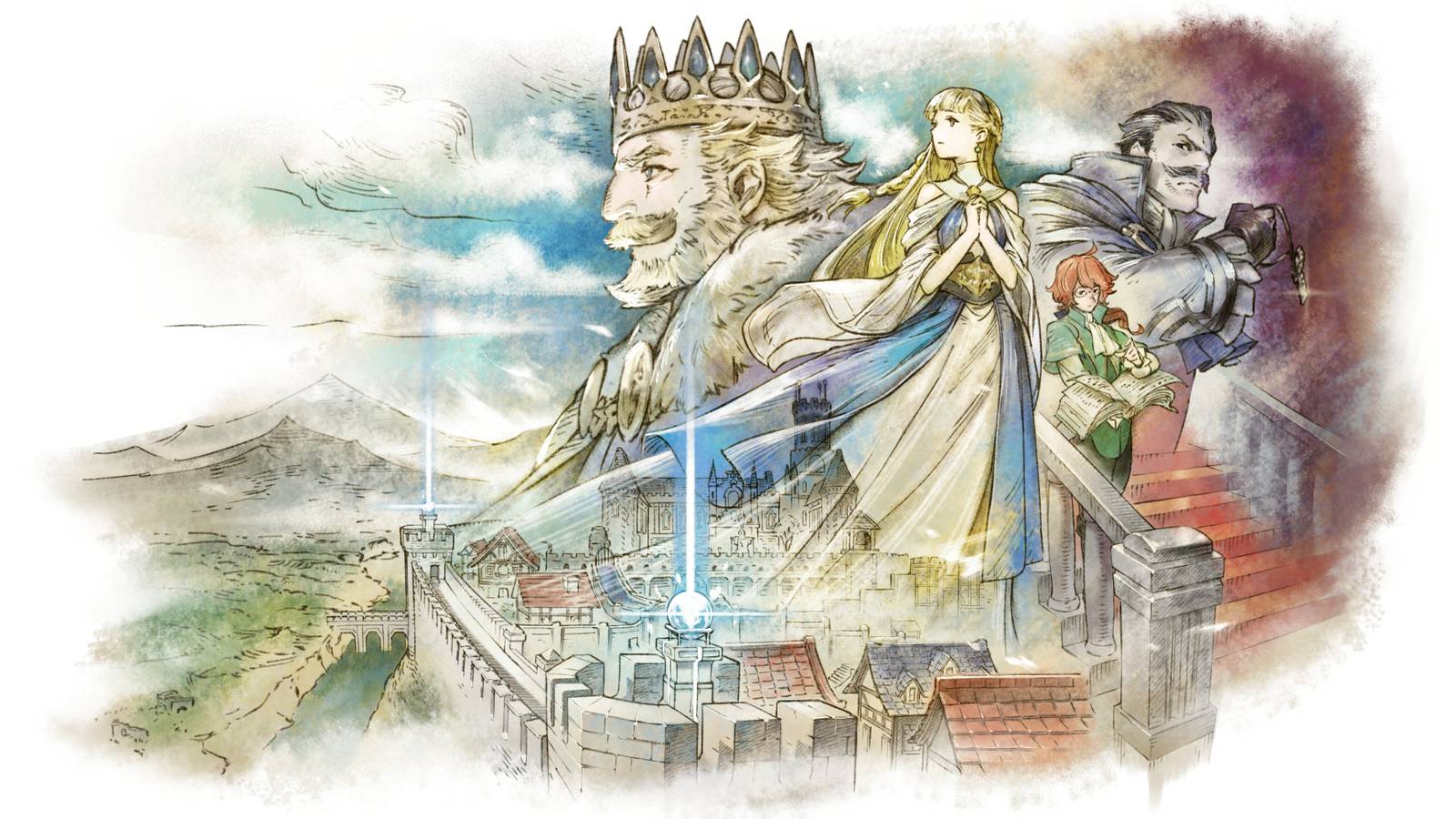
The game follows Elliot, a young, earnest adventurer from the Kingdom of Huther. Unlike the brooding, existential heroes that define much of the contemporary Final Fantasy series, Elliot is a genuine “boy scout.” He is a character defined by kindness and a desire to help his community, whether he is retrieving a lost comb for an elderly neighbor or protecting the local orphanage. This Ghibli-esque sincerity is a refreshing departure from the current trend of “prestige” narrative complexity, providing a heartfelt, grounded journey that feels like a classic fairy tale.
A Chronology of the Millennium Tales
The game’s central hook revolves around its time-travel narrative. Elliot is tasked by the King to investigate ancient ruins and stop a villain intent on harnessing the power of forgotten magic by traversing four distinct time periods.
- The Prologue: The game introduces the Kingdom of Huther, establishing Elliot’s character and his role as a protector.
- The Catalyst: Upon discovering the ruins, the plot accelerates as the antagonist begins tearing through time, forcing Elliot to chase him across eras.
- The Mid-Game: Players master the core loop of dungeon-crawling, utilizing new weapons and abilities—such as the hammer, boomerang, and bombs—to bypass previously unreachable areas.
- The Climax: The story builds to a crescendo where the various threads of time converge, requiring players to utilize their full arsenal of combat and puzzle-solving skills.
While the story moves with the efficiency of a classic RPG, the gameplay loop remains the highlight. Players revisit the same map across four time periods, but the game is careful to avoid monotony. Through a generous fast-travel system and clear signposting, the developer ensures that the player never feels lost or frustrated by the repetition.

Supporting Data: Why "Mid-Sized" Matters
The industry has spent the last decade chasing the "infinite" game—titles that keep players occupied for months. However, player burnout statistics and the high completion rates of titles like Sea of Stars or Chrono Trigger suggest a massive, underserved market for games that respect the player’s time.
- Runtime: Clocking in at approximately 25 hours, The Adventures of Elliot provides a complete, satisfying arc without the "fat" of side-quest bloat.
- Accessibility: By removing the traditional XP-grind seen in many JRPGs, the game shifts the focus to player skill, strategy, and environmental puzzle-solving.
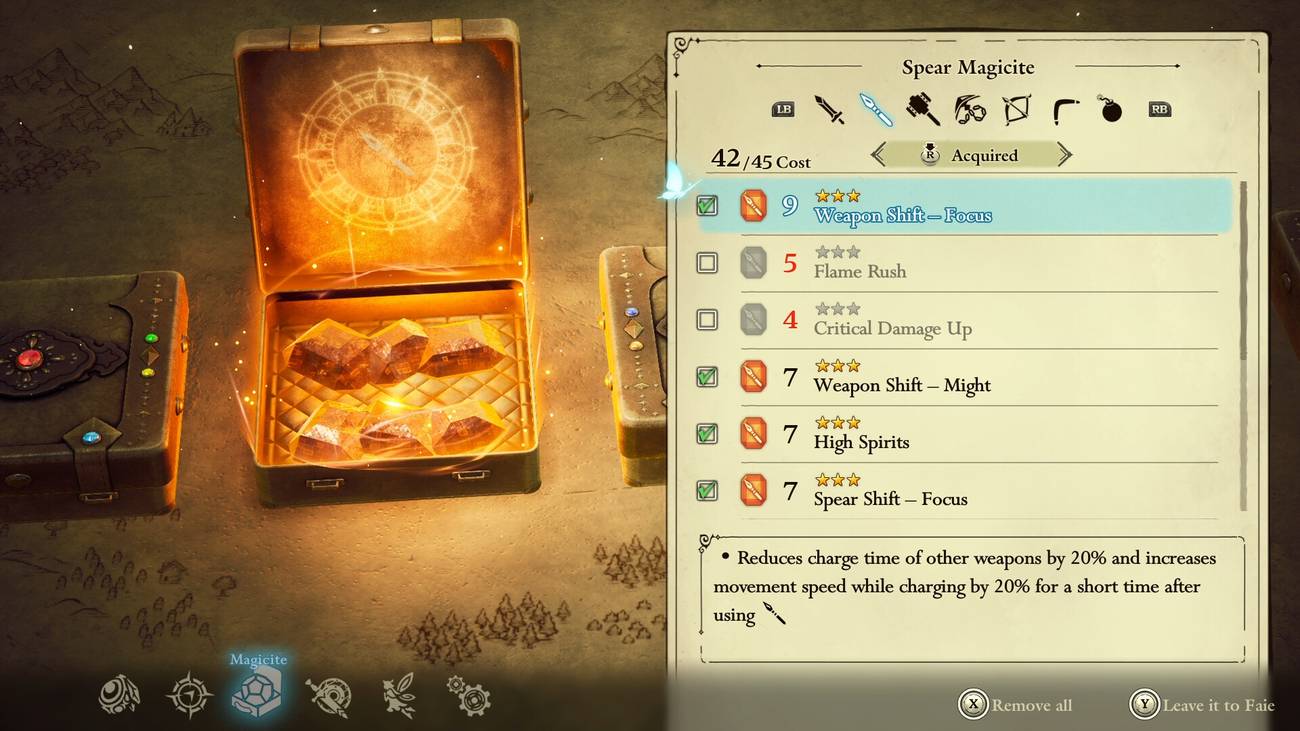
- Combat Mechanics: The magicite system allows for deep customization, yet it remains intuitive. Players can tinker with accessory slots and elemental attributes to suit their playstyle without needing to consult an external wiki.
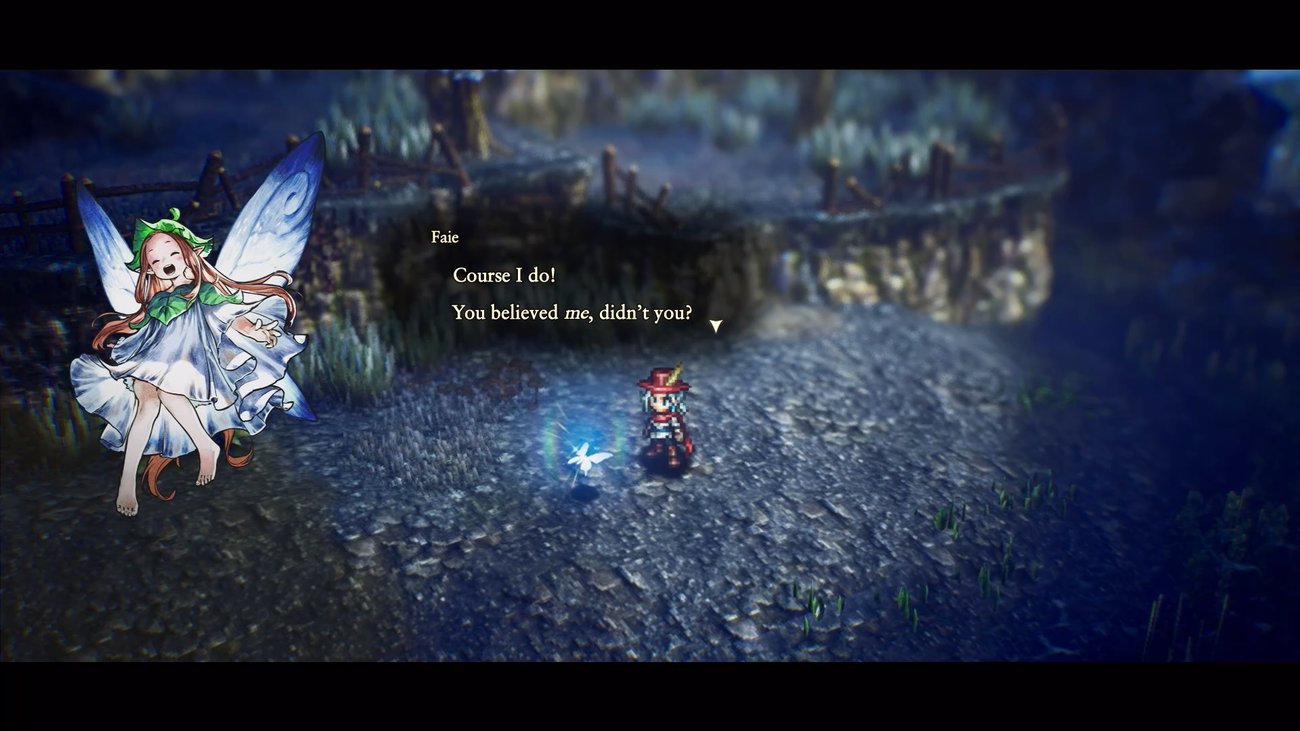
The game’s design philosophy prioritizes the "Aha!" moment. Whether it is using the fairy companion Faie’s torch-lighting ability to expose a weakness in a boss or using a doppleganger to manipulate enemy movement, the combat encourages creative problem-solving over rote button-mashing.
Official Perspectives and Development Insights
Team Asano, historically known for its turn-based strategy titles like Triangle Strategy, took a significant risk by moving into the Action RPG space. The result has been met with both critical acclaim and a degree of community curiosity.
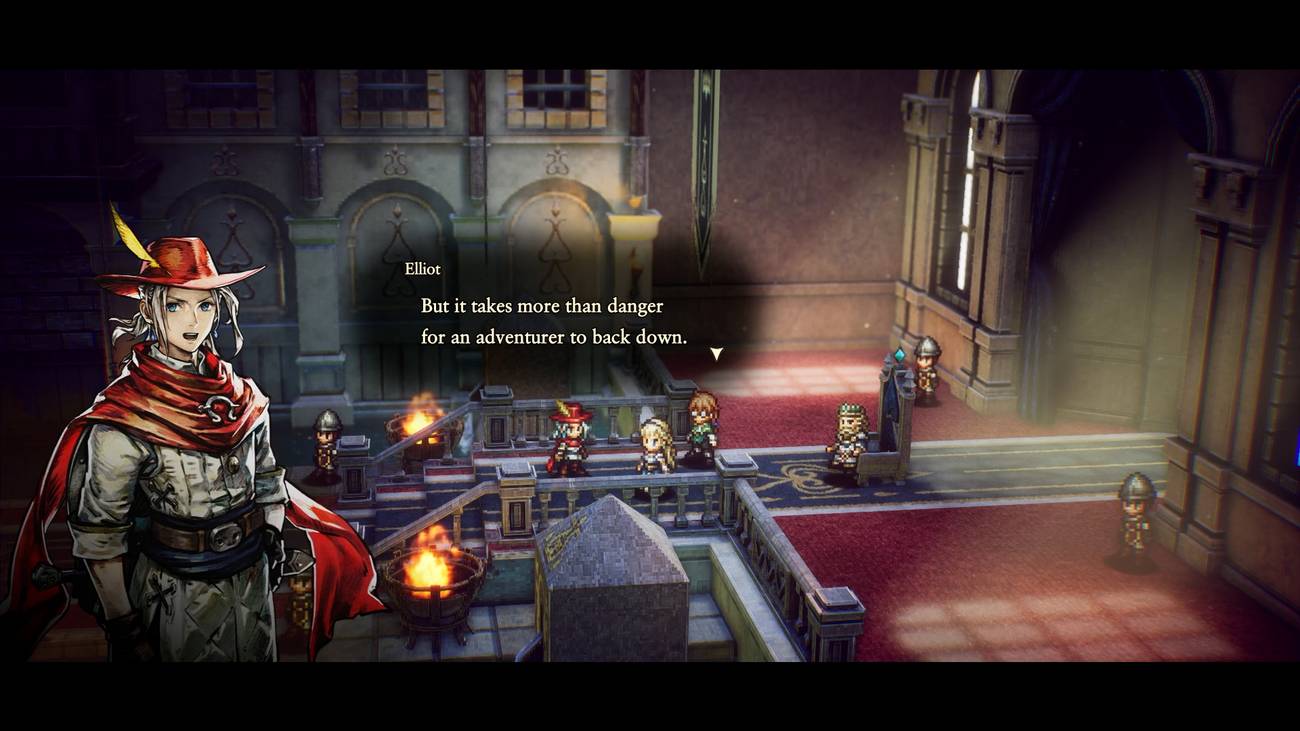
"We wanted to create a game that felt like a warm memory," stated a lead developer during the Summer Game Fest reveal. "There is a specific feeling when playing an old console game—a sense of wonder and clarity. We didn’t want to overcomplicate that with modern tropes."
However, the game is not without its controversies. A point of contention among early players has been the chatter of the fairy companion, Faie. The developers were quick to respond to feedback, noting that while they view her as an essential guide, they implemented a patch to allow players to adjust her dialogue frequency, ensuring the experience remains tailored to the individual user.
Implications for the RPG Genre
The success of The Adventures of Elliot—and the growing excitement around the Final Fantasy Resonance remake—signals a major shift in the RPG market. The “HD-2D” aesthetic, popularized by Square Enix, is no longer just a nostalgic gimmick; it is a legitimate artistic movement.
The Death of the "100-Hour Minimum"
For years, the industry standard for a "good" RPG was determined by the sheer volume of its content. The Adventures of Elliot challenges this. It implies that a smaller, denser, and more polished world is ultimately more memorable than a massive, empty one. If this trend continues, we may see a resurgence of AA-budget projects that prioritize tight narrative loops and inventive mechanics over massive, open-world checklists.
Time Travel and Narrative Depth
While The Adventures of Elliot uses time travel primarily as a vehicle for storytelling, the game leaves room for improvement. Critics have noted that actions taken in the past do not significantly alter the landscape of the future—a mechanic that could have added layers of complexity to the puzzle-solving. However, for a game that prizes "sunny vibes" and accessibility, this limitation is perhaps a deliberate design choice to keep the narrative from becoming unnecessarily convoluted.
Final Thoughts: A Blueprint for the Future
The Adventures of Elliot is a triumph of pacing. It is a game that you can pick up for 30 minutes, make meaningful progress, and put down without feeling like you’ve missed a chapter of a dense, overly complicated lore manual.
In a world where games are increasingly marketed as "services" or "lifestyle products," The Adventures of Elliot stands as a reminder of what gaming was always meant to be: a self-contained, magical adventure. It is an easy game to pick up, a difficult one to put down, and a shining example of why, sometimes, less really is more.
As we look toward the remainder of 2026, one can only hope that more developers take a page from Team Asano’s book. We don’t need every game to be a sprawling, multi-hundred-hour saga. Sometimes, we just need a good story, a fun combat system, and a world that doesn’t require a lifetime to explore. The Adventures of Elliot provides exactly that—and it is all the better for it.
 Nana Muazin
 Layla Zulfa
 Basiran
