The giant-snake horror genre has long occupied a peculiar space in cinematic history. Despite the visceral, primal thrill of watching human prey hunted by colossal serpents, the subgenre has largely been defined by camp, cheap thrills, and self-aware schlock. With his upcoming Lionsgate feature, Beware Boiúna, director Mike P. Nelson—fresh off his work on 2025’s Silent Night, Deadly Night—is seeking to dismantle that reputation entirely.
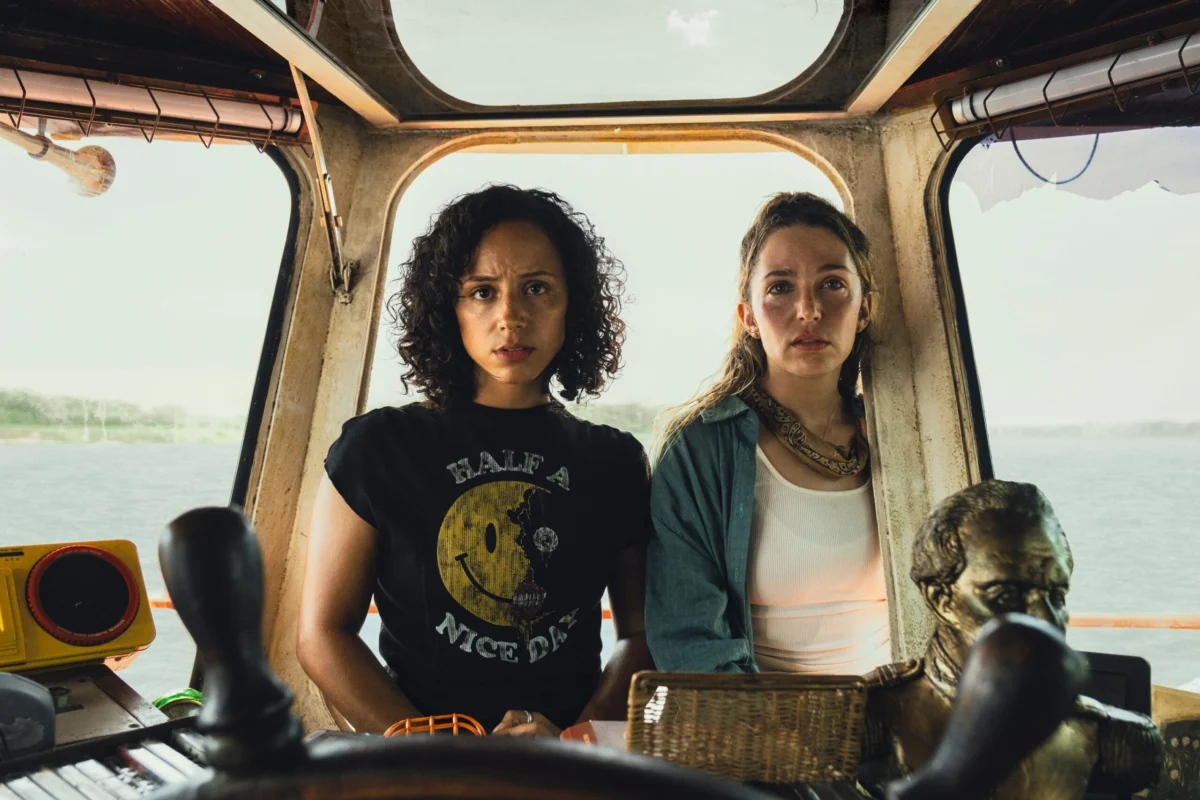
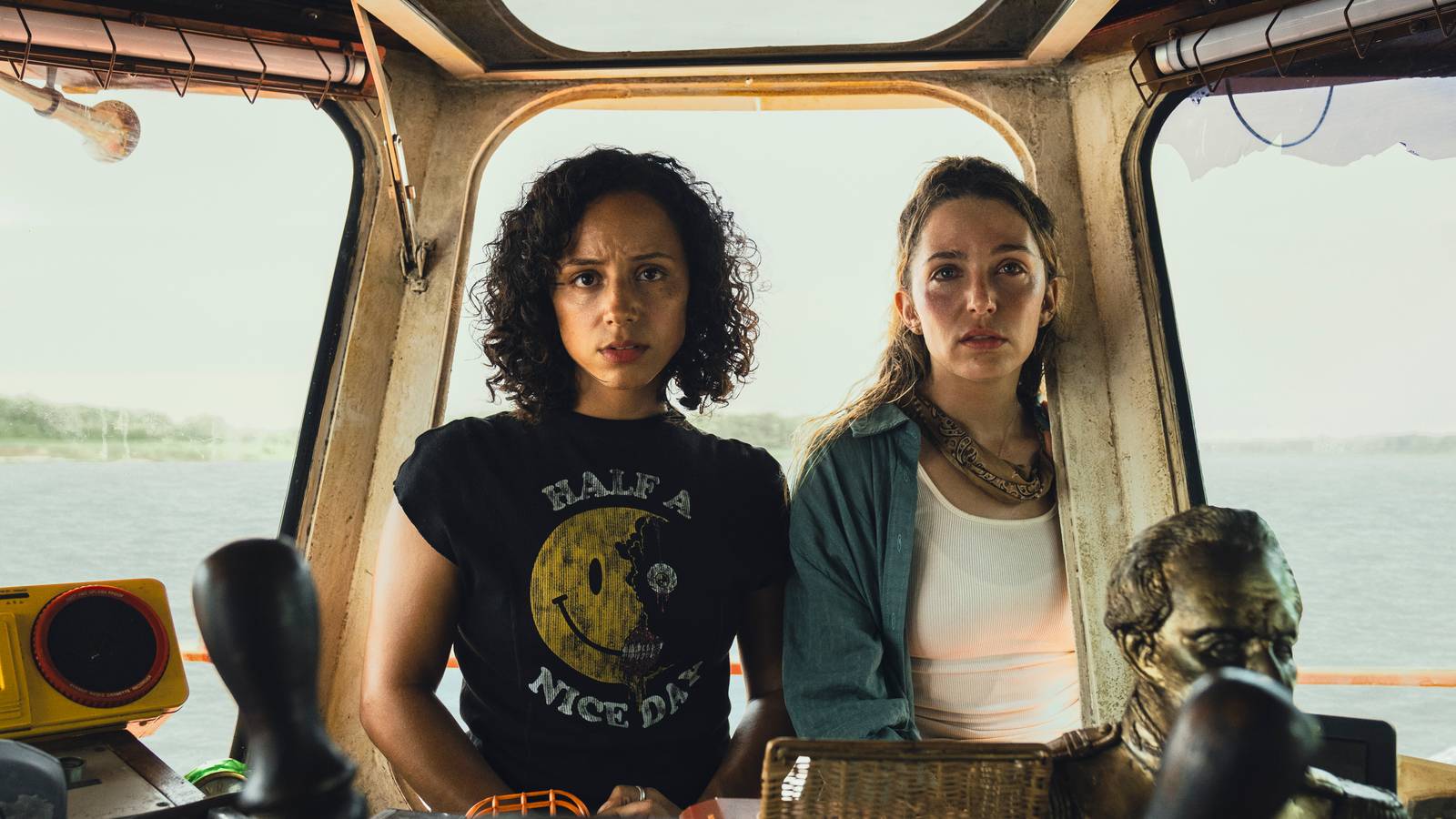
Slated for a theatrical release on October 2, 2026, Beware Boiúna eschews the high-gloss adventure romps and star-studded cheese of 1997’s Anaconda or its recent meta-comedic reinventions. Instead, the film delivers a grounded, unyielding survival thriller set against the unforgiving backdrop of the Amazon rainforest. Written by Alan B. McElroy (Spawn), the script follows a truck-sized mythological serpent—rooted in Brazilian folklore—unleashing its wrath upon loggers and gold miners who threaten its fragile ecosystem. Starring Jessica Rothe and Logan Marshall-Green, the production traded soundstages for the literal mud, muck, and canopy of the Colombian jungle, aiming to craft the first truly definitive, terrifying giant-snake film in nearly three decades.
Chronology
The genesis of Beware Boiúna required navigating a series of logistical hurdles, creative battles, and real-world jungle expeditions that tested the limits of its cast and crew.
Pre-Production Resistance: Early in the development process, studio executives questioned the necessity of transporting a full international film crew deep into South America, exploring cheaper alternatives in various simulated jungle backlots around the globe.
The Scout: Producer Jeremy Bolt and director Mike P. Nelson pushed back against backlot solutions, traveling directly to the Amazon basin to scout locations. Upon experiencing the physical reality of the Amazon River, Nelson convinced the studio that authenticity was non-negotiable.
The Colombian Shoot: Production relocated to the jungles of Colombia (serving as a stand-in for the Peruvian rainforest), where the cast and crew lived and worked within the elements. Local indigenous elders were consulted, ultimately blessing the production to film on ancestral lands under the banner of the story’s conservationist themes.
Principal Photography & Encounters: Filming involved intense physical stunts, including practical riggings that hoisted actors 40 feet into the air. Encounters with native wildlife, including a close call with a Brazilian wandering spider and a non-life-threatening tarantula bite, punctuated the arduous shoot.
Fall 2026 Rollout: Following its inclusion in Polygon’s Fall Preview, Lionsgate set the film’s wide theatrical premiere for October 2, 2026.
Supporting Data & Production Insights
To achieve a level of gritty realism seldom seen in creature features, Nelson relied heavily on practical effects to ground the supernatural terror of the mythical Boiúna—a creature traditionally depicted in Brazilian lore as a massive black shapeshifting serpent.
Rather than relying entirely on green screens and tennis balls for actors to react to, the production utilized tangible stand-ins.
Physical Puppetry: The crew utilized a large, black-painted HVAC pipe dragged through the jungle floor and water systems to simulate the physical weight, sound, and displacement of a massive creature moving through brush.
Practical Destruction: Mechanics built custom falling-tree rigs and compressed-air debris cannons to kick up actual dirt, wood, and foliage, simulating the sheer destructive force of a truck-sized predator breaking cover.
Stunt Work: Rather than defaulting immediately to digital doubles, the production utilized specialized jungle trusses to pull actors—such as a stuntman violently yanked into the air in the film’s trailer—directly into the canopy.
Wildlife Management: The crew employed a dedicated snake wrangler who walked ten paces ahead of the unit to scout venomous fauna, navigating hazards like the highly venomous Phoneutria nigriventer (Brazilian wandering spider) found nestled on crew equipment.
Official Responses and Creative Vision
Director Mike P. Nelson has been vocal about his reverence for the genre, coupled with his frustration over its historical shortcomings. In an interview discussing the film’s tonal departure, Nelson did not mince words regarding cinematic history.
"Look at the giant snake movies that have come before us," Nelson told Polygon. "With the exception of Anaconda, they’re kind of jokes. To be honest, even Anaconda is kind of joke… Beware Boiúna couldn’t be more different."
Addressing the choice to film on location rather than relying on computer-generated environments, Nelson noted the initial pushback from financiers.
"They started to look at how much it was gonna cost to shoot in all these different jungle areas around the world," Nelson recalled. "I’m just thinking to myself, ‘The movie takes place in the Amazon. We should shoot there.’ As soon as they started taking us around, showing us the boats, taking us down the actual Amazon River… I was just like, ‘It has to be here, dude.’"
Crucially, Nelson noted that the film’s underlying thematic narrative—framing the serpent not merely as a mindless monster, but as a guardian of a threatened paradise defending itself against illegal resource extraction—helped secure the trust and cooperation of local indigenous communities.
"The elders who let us shoot on their land, and ultimately blessed us to be there were super cool," Nelson said. Reflecting on the intimidation factor of the rainforest, he added: "Everybody hears that in the Amazon, everything wants to kill you. I walked away with a very different mindset, which was: Sure, everything there could kill you, but it’s not necessarily there just to kill you."
Implications
The arrival of Beware Boiúna signals a potential turning point for mid-budget creature features and environmental horror. For decades, films featuring giant reptiles or amphibians have been relegated to straight-to-video releases, B-movie circuits, or self-parodying cable television fare. By injecting a prestige-level production pedigree—pairing a gritty script by Alan B. McElroy with authentic, location-based cinematography and a commitment to practical immersion—Lionsgate and Nelson are betting that audiences are hungry for elevated monster horror.
Furthermore, the film’s deliberate framing of ecological preservation meets ancient mythology taps into modern cinematic anxieties. By anchoring the horror in the real-world exploitation of the Amazon basin—punishing loggers and gold miners rather than innocent explorers—Beware Boiúna modernizes the creature feature for an era increasingly preoccupied with climate dread and corporate environmental abuse. If the film succeeds critically and commercially when it hits theaters on October 2, it may well rewrite the rulebook for how Hollywood treats the wild, untamed corners of our planet—and the terrifying apex predators that inhabit them.





 Nana Muazin
 Layla Zulfa
 Basiran
