

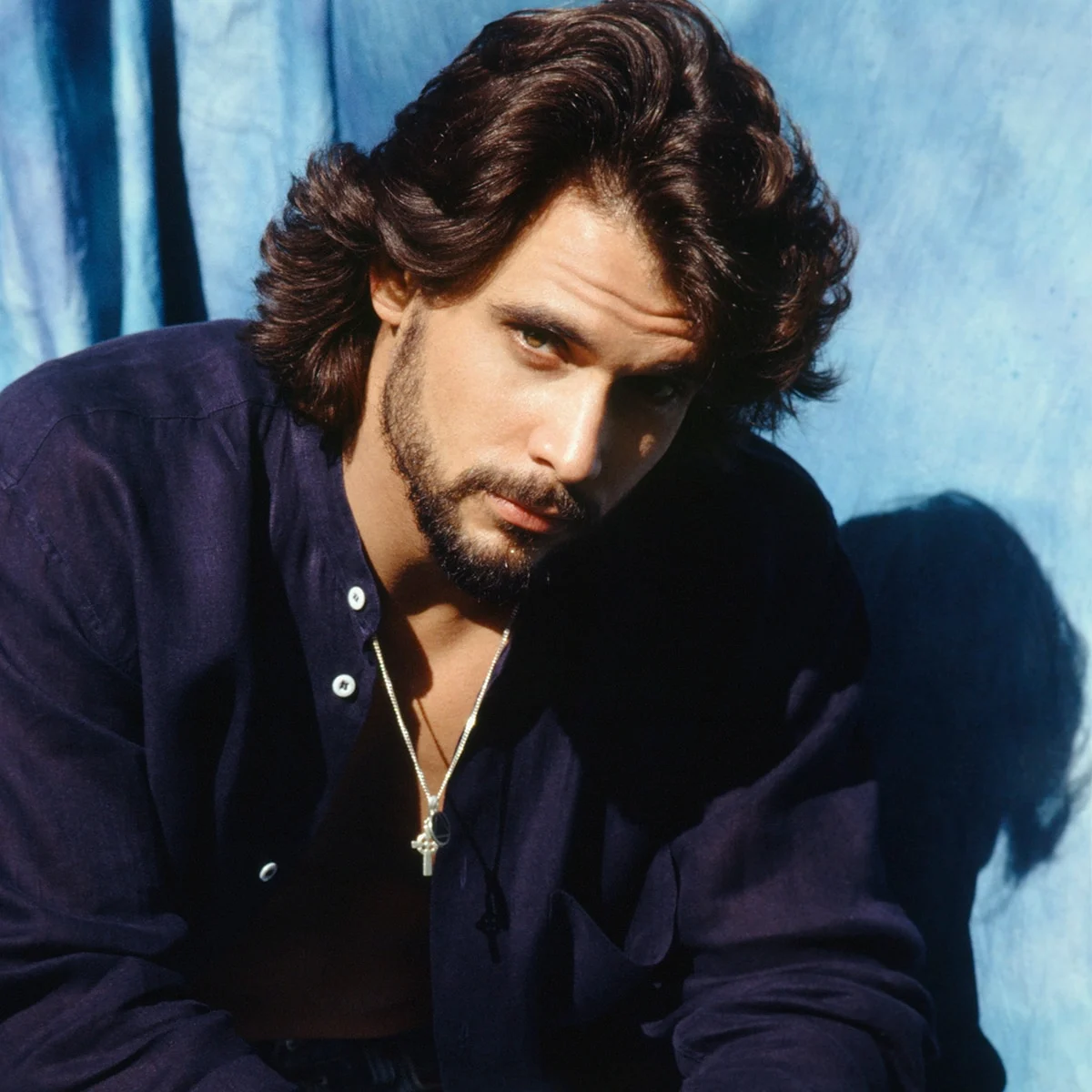
The entertainment industry is mourning the loss of a beloved television icon. Robert Kelker-Kelly, the versatile actor best known for his charismatic turns on daytime staples like Days of Our Lives, Another World, and General Hospital, passed away suddenly on October 3 at the age of 62. While his career left an indelible mark on the landscape of American soap operas, his final moments have sparked a poignant conversation regarding the often-silent warnings of cardiac health.
As details emerge from official police reports, the story of his final hours has come to light, revealing a man who transitioned from a celebrated life in the spotlight to a fulfilled career in aviation, only to be taken unexpectedly in his Missouri home.
The Final Hours: A Detailed Chronology
According to reports filed by the St. Peters Police Department in Missouri, the events of October 3 unfolded with a tragic rapidity that caught his family and fans off guard.
The sequence began at the Spirit of St. Louis Airport around 7:30 p.m. Robert Kelker-Kelly had been traveling, and his wife, Allison Kelly, arrived to pick him up. During the drive home, the actor began to exhibit symptoms that are now recognized as classic, albeit often underestimated, signs of cardiac distress. He complained to his wife of significant pain radiating through his left arm and tightness in his chest. Additionally, he reported a sudden onset of nausea and an urge to vomit.
In a move that resonates with many who experience similar symptoms, Kelker-Kelly initially downplayed the severity of his condition. When his wife suggested they divert their route to a hospital, he insisted he simply needed to rest, likely hoping the discomfort was a passing ailment related to travel fatigue.
Upon arriving at their residence, the situation deteriorated. While his wife stepped into the kitchen to retrieve aspirin—a common first-aid response for suspected cardiac events—the actor’s condition plummeted. When she returned to the bedroom, she discovered him unresponsive and no longer breathing.
A desperate, high-stakes emergency response ensued. Allison Kelly immediately contacted 9-1-1 and began administering CPR. Paramedics arrived shortly thereafter, taking over life-saving measures, but despite their best efforts, the actor was pronounced dead at 9:09 p.m.
Medical Context and Official Findings
The sudden nature of the passing has led to a thorough review by local authorities. St. Charles County Medical Examiner officials, following an evaluation of the circumstances, released the body with the determination that no further investigation was required. The death was officially classified as a "sudden death," a term often used in medical reporting to describe cases where the underlying cause is presumed to be cardiac in origin, especially when pre-existing chronic conditions are absent.
In the aftermath, Allison Kelly provided vital context to investigators. She stated unequivocally that her husband had no known medical conditions, was not on any prescribed medications, and did not use illicit substances. This information underscores the shocking nature of the event; Kelker-Kelly was, by all accounts, a man living a healthy and active life.
The lack of a "paper trail" of chronic illness serves as a stark reminder of the unpredictable nature of cardiac events. While medical professionals often emphasize the importance of screenings, sudden cardiac death can occur in individuals who appear to be the picture of vitality, highlighting the need for vigilance even among those who feel they have a clean bill of health.
A Life of Versatility: From Daytime Drama to the Cockpit
To understand the loss of Robert Kelker-Kelly, one must look at the breadth of a career that spanned decades and crossed professional boundaries.
The Soap Opera Titan
Kelker-Kelly first captured the public’s imagination in 1987 when he joined the cast of Another World. His rugged good looks and natural screen presence quickly made him a fan favorite, setting the stage for what would become a prolific career in daytime television.
However, it was his tenure on NBC’s Days of Our Lives that solidified his status as a household name. Joining the cast in 1992, he took on the role of Bo Brady, a character central to the show’s mythology. Starring opposite industry stalwarts like Lisa Rinna and Kristian Alfonso, Kelker-Kelly brought a complex, brooding intensity to the role that resonated with millions of viewers. His portrayal of Bo Brady remains a benchmark for soap opera performances of that era, characterized by a mix of vulnerability and strength that kept audiences tethered to their screens for years.
Beyond Days of Our Lives, his resume included significant work on General Hospital and a memorable appearance on the hit series Touched by an Angel. Throughout his acting career, he was known for his dedication to his craft, often praised by colleagues for his preparation and his ability to elevate the material provided to him.
The Pivot to Aviation
Perhaps the most intriguing chapter of Kelker-Kelly’s life was his decision to step away from the glare of Hollywood. Eschewing the traditional path of a retired actor, he pivoted toward a field that required as much precision and focus as his acting: aviation.
Kelker-Kelly became a professional pilot and flight instructor. This was not merely a hobby; it was a career shift that he approached with the same professionalism he brought to a film set. He found purpose in teaching others the nuances of flight, and according to reports from Variety, he was actively working as an instructor right up until his final days. This transition speaks volumes about his character—a man who was never content to rest on his laurels, but instead sought out new challenges and meaningful ways to share his expertise.
The Broader Implications: Recognizing the "Silent" Signs
The tragedy of Robert Kelker-Kelly’s passing serves as an urgent, albeit heartbreaking, public health lesson. The symptoms he described—left arm pain, chest pressure, and nausea—are the textbook "red flags" of a myocardial infarction (heart attack). Yet, as evidenced by his own reaction, these signs are frequently misidentified as indigestion, muscle strain, or simple fatigue.
Medical experts often note that the "Hollywood" version of a heart attack—where an individual clutches their chest and collapses instantly—is not always the reality. Often, the symptoms are subtler, lingering, or intermittent. The instinct to "just rest" is common, but it is often the most dangerous choice one can make.
The Importance of Immediate Action
The lessons from this event are clear:
- Trust Your Instincts: If chest pain, shortness of breath, or pain in the jaw, neck, or arm occurs, do not assume it is benign.
- Act, Don’t Wait: The "Golden Hour" in cardiac care refers to the critical window of time where medical intervention can prevent permanent damage or death. Seeking help immediately, rather than waiting to see if symptoms subside, is vital.
- Bystander Awareness: Had the situation been different, could someone else have recognized the danger? Learning CPR and recognizing the signs of cardiac distress is a communal responsibility.
A Legacy That Soars
Robert Kelker-Kelly’s death leaves a void in the hearts of his family, friends, and the legions of fans who grew up watching him navigate the dramatic highs and lows of daytime television. He was a man who lived two distinct, successful lives: one under the lights of a studio, and one in the expansive, quiet reaches of the sky.
As the entertainment community reflects on his passing, the focus remains on the joy he brought into millions of living rooms and the mentorship he provided in the aviation community. While his final moments were marked by suddenness and tragedy, his life was marked by growth, transition, and a relentless pursuit of new endeavors.
In honoring his memory, his family and peers encourage the public to cherish their health and to never take the warning signs of the body for granted. Robert Kelker-Kelly’s final performance may have been behind him, but the impact of his work and the lessons from his life continue to resonate, serving as a reminder of how fragile, and how precious, our time truly is.
He is survived by his wife, Allison, and a legacy of work that will continue to be celebrated by fans of classic television for generations to come. May his memory be a blessing, and may his story save the lives of those who read it.
 Siti Muinah
 Nana
 Nila Kartika Wati
