

For over half a century, Sesame Street has served as the cultural bedrock of early childhood education. While its primary mission remains fostering literacy, numeracy, and emotional intelligence, the show has consistently maintained its relevance by speaking the language of its audience—and increasingly, the language of the parents watching alongside them. With the upcoming release of Parody Party, a new album arriving July 26th via Warner Music Group’s Arts Music, the Sesame Workshop is leaning harder than ever into the art of the musical spoof, proving that a catchy hook and a furry monster are a match made in pop-culture heaven.
The Main Facts: A New Compilation of Parody
Parody Party is not merely a collection of songs; it is a strategic bridge between modern chart-toppers and the gentle, educational ethos of the iconic television program. The album features a curated selection of tracks that reimagine hits from contemporary titans like Chappell Roan, Taylor Swift, Bruno Mars, and RAYE.
The tracklist is a hybrid model, combining four brand-new, never-before-heard recordings with three fan-favorite digital exclusives that previously existed only on the Sesame Street YouTube channel. By moving these songs to a formal album format, Sesame Workshop is acknowledging the evolution of children’s media consumption, where the "viral hit" is as vital to a child’s musical diet as the "ABCs."
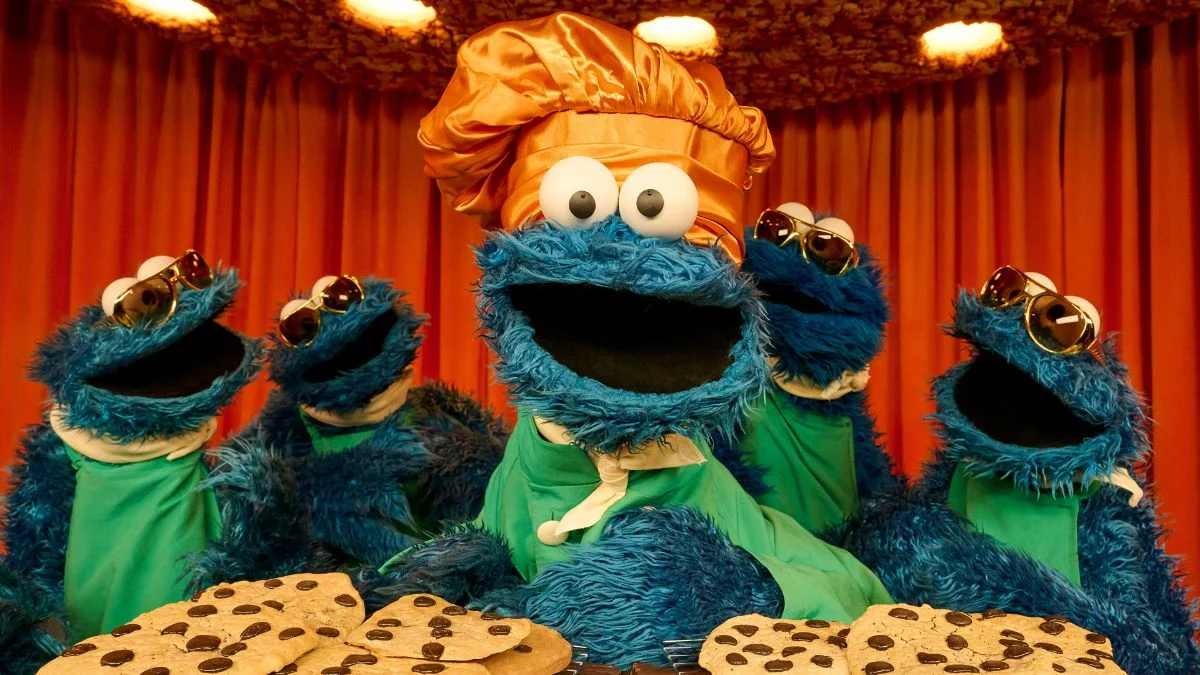
The rollout is spearheaded by the single "Take a Bite," a disco-pop transformation of Bruno Mars’ hit, which sees Cookie Monster trading in his usual frantic vocal style for a polished, dance-floor-ready performance about the virtues of baking. The accompanying video mirrors the visual aesthetic of the original Mars clip, signaling a high-production value that aims to satisfy both the toddler demographic and the parents who grew up listening to the original hits.
A Chronological Evolution of Sesame Spoofs
To understand the significance of Parody Party, one must look back at the show’s long-standing history of musical mimicry. Sesame Street has never existed in a vacuum; it has always been a reflection of the music industry’s changing landscape.
The Early Era: Learning from the Charts
In the 1970s and 80s, the show often leaned on folk, soul, and soft rock to teach lessons. However, the 2010s marked a turning point in the show’s digital strategy. As YouTube became the primary consumption method for short-form children’s content, Sesame Workshop began producing parodies that were designed to be "sticky"—content that would be shared by adults on social media as much as it was watched by children.
The Viral Milestone
The transition from television-only content to viral digital assets was solidified by the success of tracks like "Share It Maybe," a parody of Carly Rae Jepsen’s "Call Me Maybe." The song, which utilized Cookie Monster’s signature humor to teach the social skill of sharing, garnered millions of views. It proved that if you provide a familiar beat, the educational message becomes significantly easier to digest.
The Modern Phase
With the inclusion of Chappell Roan’s "HOT TO GO!"—reimagined here as "Got to Go"—the show has officially reached the "Gen Alpha" era of music. By tapping into the specific, high-energy pop sounds of the current year, Sesame Street is signaling that its creative team is keeping its finger firmly on the pulse of the Billboard charts.
Supporting Data: The Breakdown of Tracks
The album’s tracklist reads like a summary of the past decade’s most popular radio playlists, filtered through the whimsical lens of Muppet logic.
- "Take a Bite" (Bruno Mars): A disco-inspired anthem that turns the original track’s swagger into a lesson on the joy of culinary creativity.
- "Got to Go" (Chappell Roan): Perhaps the most ambitious inclusion, this track repurposes the high-octane energy of "HOT TO GO!" into a functional, empowering anthem for potty training.
- "Where Is My Lovie" (RAYE): Inspired by the soulful, jazz-influenced "Where Is My Husband!", this track features Abby Cadabby, Cookie Monster, and Elmo in a scavenger hunt narrative that emphasizes perseverance and problem-solving.
- "Go for the Gold" (KPop Demon Hunters): A nod to the global phenomenon of K-pop, this track features Abby, Zoe, and Rosita forming a choreographed trio, introducing children to the infectious energy and syncopated beats of the genre.
- "Sort It All" (Taylor Swift): Previously released, this parody of "Shake It Off" remains the definitive anthem for environmental awareness, featuring Oscar the Grouch as the unlikely face of recycling advocacy.
- "Share It Maybe" (Carly Rae Jepsen): A cornerstone of the "social-emotional" curriculum, reminding children that delayed gratification is a virtue.
- "Me Want It (But Me Wait)" (Icona Pop): Based on the hit "I Love It," this song serves as a masterclass in emotional regulation, helping children navigate the frustration of waiting for something they desire.
Official Responses and Creative Vision
The decision to pivot to such a robust musical offering was not made lightly. According to Aaron Bisman, the Senior Vice President and Head of Marketing at Sesame Workshop, the strategy is rooted in the show’s core identity.
"Sesame Street has always been at the forefront of popular culture, using music as a powerful way to connect with each new generation," Bisman stated. He emphasized that the album represents a "new chapter" in the organization’s history, one that embraces the fluidity of modern music. The goal, he noted, is to create content that feels "essential" rather than "supplementary."
From a creative standpoint, the production of these tracks requires a delicate balance. The songwriters must maintain the structural integrity of the original hits to ensure the parody remains recognizable, while simultaneously stripping away any lyrical content that isn’t age-appropriate. It is a form of "cultural translation" that requires high-level musical talent and a deep understanding of the Muppet characters’ specific dialects.
Implications for Children’s Media
The release of Parody Party carries significant implications for the future of educational entertainment.
The "Co-View" Effect
The most immediate implication is the reinforcement of "co-viewing." By choosing songs that are currently being played on mainstream radio stations, Sesame Street ensures that parents are not merely "tolerating" the music their children listen to, but actively enjoying it. This creates a shared experience, which is the most effective way to reinforce educational outcomes. When a parent and child can bond over a song, the learning process becomes an active, collaborative endeavor.
Cultural Literacy and Musical Breadth
By exposing children to genres ranging from K-pop and disco to modern synth-pop, Sesame Street is playing a role in musical education that extends beyond basic rhythm and melody. Children are being introduced to a diverse array of global sounds, which helps cultivate a broader musical palate at a formative age.
The Future of "Viral" Education
Finally, this album signals a shift in how educational brands approach distribution. In an age of infinite digital content, simply posting a video to YouTube is no longer enough. By packaging these songs into a coherent album, Sesame Workshop is establishing a permanent library of content that exists outside the volatile algorithms of social media platforms. It is a move toward longevity and legacy.
Conclusion: Why It Works
At the end of the day, Sesame Street succeeds because it never loses sight of its audience. Whether it is Elmo learning about empathy or Cookie Monster struggling to wait for a cookie, the characters are relatable because they grapple with the same universal experiences as their viewers. When those experiences are set to the music of the moment, the message hits home with unprecedented clarity.
Parody Party is a testament to the fact that education does not have to be dry to be effective. By embracing the absurdity of the parody format and the infectious nature of top-tier pop production, Sesame Workshop is ensuring that the "Street" remains the most important thoroughfare in children’s media for years to come. Whether you are a fan of pop music or simply a parent looking for a way to get your child excited about the potty or the recycling bin, this album offers something for everyone—with, of course, a little extra parody-flavored sugar.
 Pevita Pearce
 Asro
Asro
 Lina Irawan
