

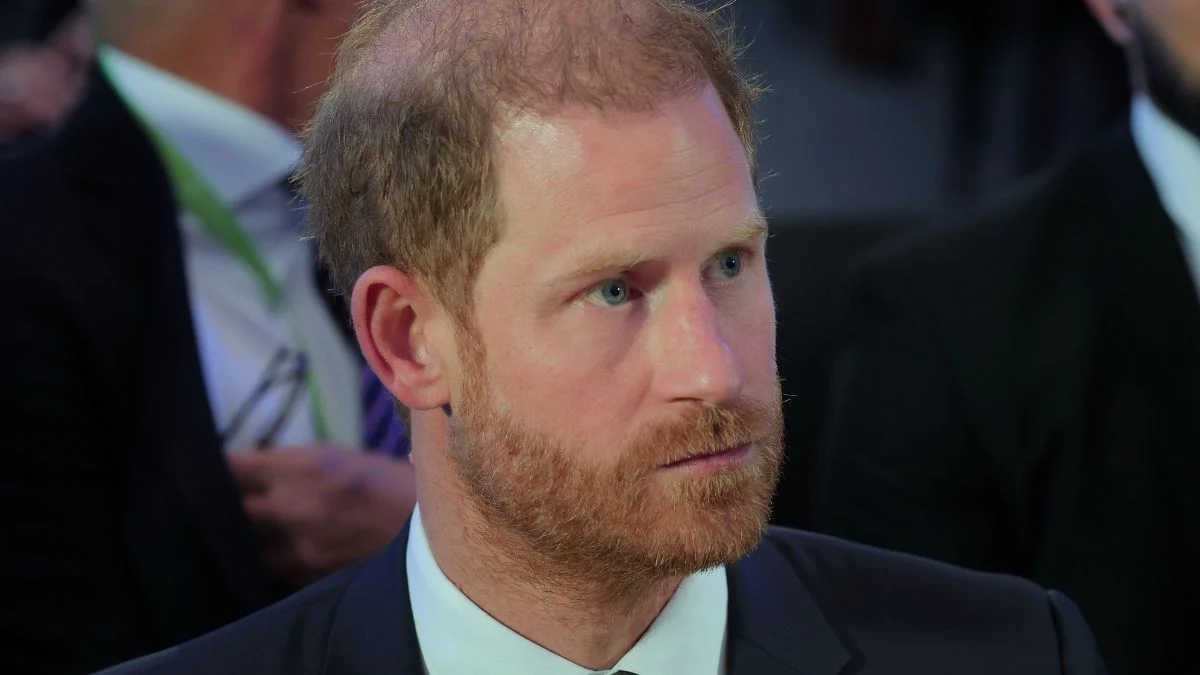
The relationship between the Duke and Duchess of Sussex and the British Royal Family remains a focal point of intense global scrutiny. As Prince Harry and Meghan Markle prepare for a high-profile return to the United Kingdom this July to mark the one-year countdown to the 2027 Invictus Games, a fresh controversy has emerged. Reports suggest that the couple is leveraging the potential presence of their children, Prince Archie and Princess Lilibet, to secure taxpayer-funded police protection—a move that some royal commentators are characterizing as a calculated "trap" aimed at King Charles III.
The Core Conflict: Security and Sovereignty
At the heart of this latest royal rift is the long-standing dispute regarding the Duke of Sussex’s security status. Since stepping back as senior working royals in 2020, Harry has been stripped of the automatic, state-funded police protection afforded to active members of the Royal Family. While the Home Office has maintained that security is provided on a case-by-case basis, Harry has argued that his family’s safety is non-negotiable, given the persistent threats and media scrutiny they face.
As the couple prepares for their July visit, reports indicate that they were offered accommodation on a royal estate—a potential olive branch from the King. However, the offer is reportedly contingent upon the couple navigating the visit without the requested level of high-security detail. The Sussexes have allegedly balked at this, suggesting that without guaranteed police protection for themselves and their children, they may reconsider bringing Archie and Lilibet to the UK at all.
A Chronology of the Security Dispute
To understand the current impasse, one must look at the timeline of the Sussexes’ security battle:
- January 2020: The "Megxit" announcement. Prince Harry and Meghan Markle announce their intention to step back as senior royals. The Executive Committee for the Protection of Royalty and Public Figures (RAVEC) determines that the couple’s status change necessitates a review of their security arrangements.
- February 2022: The Duke of Sussex initiates a legal challenge against the Home Office, seeking a judicial review of the decision to deny him the ability to "privately pay" for police protection.
- September 2023: Harry visits the UK for the WellChild Awards. He is granted specific, temporary police protection for this engagement. This sets a precedent that the Sussexes believe should be standardized for all their visits.
- February 2024: A High Court judge rules against Prince Harry in his challenge against the government’s decision to downgrade his security, finding the decision was neither irrational nor procedurally unfair.
- June 2024 (Projected): The looming July visit to the UK for the Invictus Games countdown triggers renewed negotiations, with the Sussexes allegedly demanding a formal, recurring security guarantee from the King and the government.
The "Trap" Narrative: Expert Analysis
The discourse surrounding this trip has turned increasingly hostile within the British press. On a recent episode of The Daily Mail’s Palace Confidential podcast, Diary Editor Richard Eden characterized the Sussexes’ demands as a form of strategic manipulation.
Eden argued that by conditioning their attendance—and their children’s presence—on security guarantees, Harry and Meghan are creating a lose-lose situation for the Crown. "It feels like a trap," Eden remarked. "If the King or the government were to cave and provide guaranteed, taxpayer-funded security, it would set a precedent. Harry could then use that as a benchmark for every future visit, and potentially even argue that the precedent should extend to their life in the United States."
The argument suggests that the Sussexes are attempting to force the Royal Family’s hand. By involving the children, they create an emotional leverage point that makes the King appear unaccommodating or indifferent to the safety of his own grandchildren. Conversely, if the King denies the request, he risks further public criticism regarding the lack of protection for the young royals, potentially fueling the Sussexes’ narrative that they are being mistreated by "The Firm."
Supporting Data and Security Protocols
The technicalities of the dispute revolve around the role of RAVEC. RAVEC is the body responsible for determining the security needs of high-profile figures in the UK. Their policy is rooted in the principle that protection should be determined by threat assessment rather than personal status or rank.
Critics of the Sussexes’ position argue that allowing a private citizen—even a Prince of the Realm—to "purchase" police protection undermines the impartiality of the force. Furthermore, there is the issue of "precedent creep." If the state agrees to provide security for the Sussexes on the basis of their royal status, it potentially opens the door to similar demands from other non-working members of the family or sets a logistical challenge for the Metropolitan Police, who are already stretched thin.
From the Sussexes’ perspective, the threat level remains high. Their legal team has consistently cited "hostile" press coverage and the "chilling effect" of past security breaches as justification for their demands. They maintain that the absence of police protection makes it impossible for them to engage with the public in the way they desire, effectively hindering their ability to perform charitable work for organizations like the Invictus Games.
Official Responses and the Stance of the Palace
Buckingham Palace has maintained a policy of "no comment" regarding the specifics of security arrangements. Historically, the Palace has deferred all questions regarding security to the Home Office and the Metropolitan Police, maintaining a strict separation between the institution of the monarchy and the operational security of its members.
However, sources close to the King have suggested that the monarch is exhausted by the public nature of these negotiations. King Charles is reportedly keen to foster a relationship with his grandchildren, but he is unwilling to interfere with government security protocols to facilitate a visit. The offer of a royal residence for the July trip was widely seen as a genuine, if limited, gesture of reconciliation, one that implies the King believes the existing security measures are sufficient for a private stay.
Implications: A Family Divided
The implications of this standoff extend far beyond the logistics of a single trip to London.
1. The Normalization of Distance
If the Sussexes ultimately decide not to bring their children, it will be the latest indicator of the deepening divide within the Windsor family. The "physical" distance between the Sussexes and the rest of the Royal Family is increasingly mirrored by a "bureaucratic" distance, where every interaction is mediated by lawyers, press officers, and security consultants.
2. The Future of the Invictus Games
The Invictus Games are Prince Harry’s flagship achievement. By linking the event to a security controversy, there is a risk that the focus of the anniversary will shift from the veterans and the athletes to the internal squabbles of the House of Windsor. This could potentially alienate sponsors and supporters who prefer to remain neutral in the royal feud.
3. The Legal Precedent
The ongoing legal battles regarding security suggest that Prince Harry is prepared to fight this issue in the courts for years to come. This keeps the relationship between the Sussexes and the British government in a state of permanent tension, making any future reconciliation with the Palace increasingly difficult.
Conclusion: A Delicate Balance
The situation remains fluid. As July approaches, the world waits to see whether the Duke and Duchess of Sussex will prioritize the security guarantees they demand or their presence at the Invictus Games milestone.
Ultimately, the controversy underscores the difficulty of transitioning from a "working royal" to a "private citizen" while remaining in the global spotlight. The security debate is not merely about bodyguards and police escorts; it is a fundamental clash between the Sussexes’ desire for state-sanctioned legitimacy and the Crown’s desire for a clear, standardized set of rules. As Richard Eden and other observers suggest, the use of the children as bargaining chips has added a layer of complexity and perceived "manipulation" to an already strained family dynamic. For now, the path toward a resolution remains obscured by the very security barriers that have come to define this fractured royal relationship.
 Neng Nana
 Azzam Bilal Chamdy
 Nana
Nana
