

September 19, 2026
By Tech Industry Reporting Desk
Main Facts
Embattled surveillance and automated license plate recognition (ALPR) technology provider Flock Safety is navigating the most tumultuous period in its corporate history. On Friday, the company announced a "generous" voluntary severance package program for its approximately 1,500-person workforce, as first reported by Wired.
According to internal communications, Flock anticipates a substantial portion of its employees to express interest in the departure packages, and management has signaled that it will grant buyouts to a majority of applicants. Described internally as the most lucrative severance initiative the company has ever introduced, the move is widely viewed as a strategic alternative to involuntary layoffs.
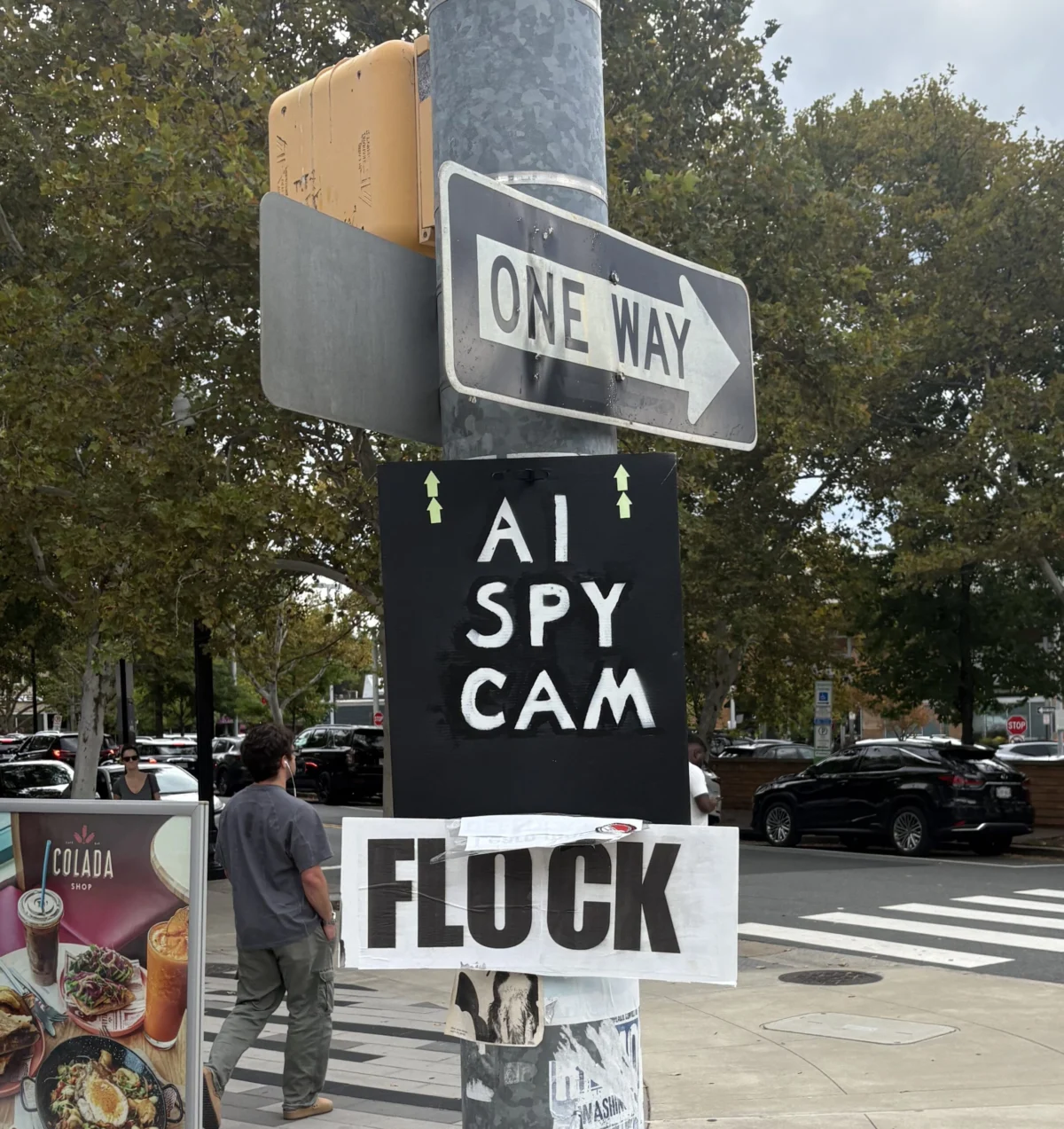
However, the voluntary buyout program is merely a symptom of a much larger, systemic crisis. Flock Safety has found itself at the epicenter of a nationwide firestorm concerning civil liberties, government overreach, and the safety of mass surveillance data. Following explosive investigative reports detailing the systemic misuse of its camera networks by law enforcement personnel—including instances of officers tracking former romantic partners—the company has faced unprecedented public scrutiny.
State governments, including Florida and Texas, have moved to block or ban the use of Flock cameras, while municipalities across the United States are severing ties at a record-shattering pace. With internal morale plummeting and revenue pipelines threatened by sweeping contract cancellations, Flock Safety is fighting to stabilize its corporate foundation while grappling with the darker realities of the public safety technology it pioneered.
Chronology of a Crisis: From Rapid Expansion to Sudden Retraction
The unraveling of public trust in Flock Safety did not happen overnight, but the summer of 2026 marked a catastrophic tipping point for the once high-flying startup.
Early 2026 and Prior: Rapid Municipal Integration
For years, Flock Safety enjoyed an aggressive expansion trajectory. Marketed as a tool to help law enforcement solve property crimes, Amber Alerts, and violent offenses, the company’s solar-powered, AI-enabled cameras were installed in thousands of neighborhoods, commercial centers, and municipal intersections across the United States. Police departments and homeowners associations readily subscribed to its cloud-based data-sharing networks, which aggregated billions of vehicle data points into a centralized database.
August 2026: The Washington Post Expose
The first major domino fell in early August 2026. An investigative report published by The Washington Post on August 2 revealed a deeply alarming trend: law enforcement officers across multiple jurisdictions were routinely misusing Flock’s vast camera network to spy on private citizens. The report identified at least 46 distinct cases where police officers weaponized the technology to stalk wives, girlfriends, ex-partners, and acquaintances. The revelation laid bare the glaring vulnerabilities inherent in granting sweeping surveillance access to individuals without stringent, real-time oversight.
August 2026: The Municipal Exodus
The fallout from the Washington Post investigation was swift and severe. Privacy advocacy groups and local watchdogs began monitoring municipal responses to the scandal. According to data compiled by anti-surveillance organizations, 90 cities dropped Flock contracts in August 2026 alone—representing a staggering fourfold increase in contract terminations compared to the previous month. Cities that had once championed the technology suddenly found themselves facing intense pressure from constituents demanding the immediate removal of the cameras.
Late August and September 2026: State-Level Bans
As local resistance escalated, state governments began stepping in. By the end of August, officials in both Florida and Texas announced legislative and executive measures to block and phase out the use of Flock technology on state-funded projects and within cooperating law enforcement agencies, citing insurmountable privacy concerns.
September 19, 2026: The Voluntary Buyout Announcement
Facing a contracting market, dwindling public sector confidence, and a deeply demoralized workforce, Flock Safety leadership capitulated to internal pressures on September 19. By rolling out unprecedented voluntary severance packages, the company attempted to manage overhead costs while gracefully parting ways with employees who no longer wished to be associated with the tarnished brand. Without this voluntary mechanism, industry insiders noted, the company would have been forced to implement sweeping, involuntary layoffs.

Supporting Data and Market Impact
The quantitative metrics surrounding Flock Safety’s current downturn illustrate the severity of the crisis facing the private surveillance sector:
- Workforce Scale: Flock Safety operates with a total workforce of approximately 1,500 employees, a substantial headcount built during its years of hyper-growth.
- Surge in Contract Cancellations: Anti-surveillance advocacy groups documented 90 municipal contract terminations in August 2026, marking a 400% month-over-month increase in cities severing ties with the startup.
- Documented Police Misuse: An exhaustive investigation by The Washington Post identified at least 46 verified cases of law enforcement officers utilizing Flock’s camera networks to stalk or spy on personal acquaintances and romantic partners.
- Geographic Pushback: Major states, most notably Florida and Texas, initiated formal proceedings to block or restrict the deployment of Flock hardware over constitutional and privacy violations.
- Financial and Operational Strain: Internal documents leaked to Wired reveal that the company’s current financial projections necessitated immediate workforce reduction strategies, making the "generous" voluntary buyouts a vital financial survival tactic to avoid a disorderly restructuring.
Official Responses and Stakeholder Perspectives
As the public relations crisis deepens, key figures from Flock Safety, advocacy groups, and government entities have weighed in on the unfolding situation.
Flock Safety’s Executive Defense and Internal Realities
Flock CEO Garrett Langley recently appeared on the All-In podcast to address the mounting controversies. During the interview, Langley acknowledged the immense pressure facing the company, noting that the "biggest damage" caused by the relentless public backlash has not necessarily been external revenue loss, but rather the severe toll taken on "internal morale."
Langley and other members of the executive team have defended the core utility of ALPR technology, arguing that when used lawfully, the cameras remain an indispensable tool for public safety and crime reduction. However, critics note that executive defenses have done little to stem the tide of fleeing municipal clients. By offering the most lucrative severance packages in the company’s history, leadership is tacitly admitting that retaining a fully staffed workforce is no longer viable in an environment where major police departments and entire states are freezing deployments.
Law Enforcement and Privacy Advocates
Law enforcement agencies that continue to utilize Flock technology find themselves caught in a difficult public relations bind. While many police chiefs maintain that ALPR data is essential for rapid criminal apprehension, civil liberties organizations argue that the systemic lack of auditing, privacy safeguards, and accountability mechanisms makes the technology fundamentally incompatible with a free society.
Civil rights groups, which spent years warning about the dangers of unregulated, private-public surveillance webs, have seized upon the August revelations to push for permanent legislative bans. "What we are witnessing is the collapse of an accountability-free surveillance apparatus," noted a representative from a prominent anti-surveillance coalition. "When police officers can use corporate databases to stalk their exes with impunity, the system is fundamentally broken beyond simple software patches."
Broader Implications for the Surveillance Tech Industry
The crisis enveloping Flock Safety extends far beyond a single corporate entity; it serves as a watershed moment for the entire public safety technology and artificial intelligence surveillance sector.
1. The Perils of Private-Public Data Monopolies
Flock Safety pioneered a model where private entities—such as neighborhood associations and businesses—installed high-powered surveillance equipment and fed that data directly into a shared network accessible to local, state, and potentially federal law enforcement. This blurred the lines between private property rights and government surveillance, bypassing traditional constitutional hurdles associated with warrant requirements for tracking citizens’ movements. The current backlash signals that the public is increasingly unwilling to tolerate corporate-sponsored dragnet surveillance.
2. The Internal Human Cost of Ethical Scandals
Tech sector employees are increasingly exercising moral agency regarding the products they build and support. At Flock Safety, the erosion of internal morale—highlighted by CEO Garrett Langley—demonstrates that high-growth startups cannot insulate their workforces from real-world ethical consequences. When a company’s technology is exposed as a tool for stalking and civil rights violations, employee retention collapses, forcing management to rely on costly buyouts to purge disillusioned talent.
3. A Regulatory Reckoning
The swift moves by Florida, Texas, and nearly a hundred municipalities in a single month point toward an incoming wave of stringent legislative oversight. The era of unchecked, rapid municipal procurement of AI-powered surveillance tools appears to be drawing to a close. Future deployments will likely face rigorous public hearings, mandatory independent audits, strict data-retention limits, and robust accountability frameworks designed to prevent the exact kinds of abuse brought to light in the summer of 2026.
As Flock Safety trims its workforce and attempts to weather the storm, the company—and the broader industry it helped shape—must confront a sobering reality: technological innovation in public safety cannot outpace fundamental civil liberties and public trust.
 Asep Darmawan
 Siti Muinah
 Ali Ikhwan
