

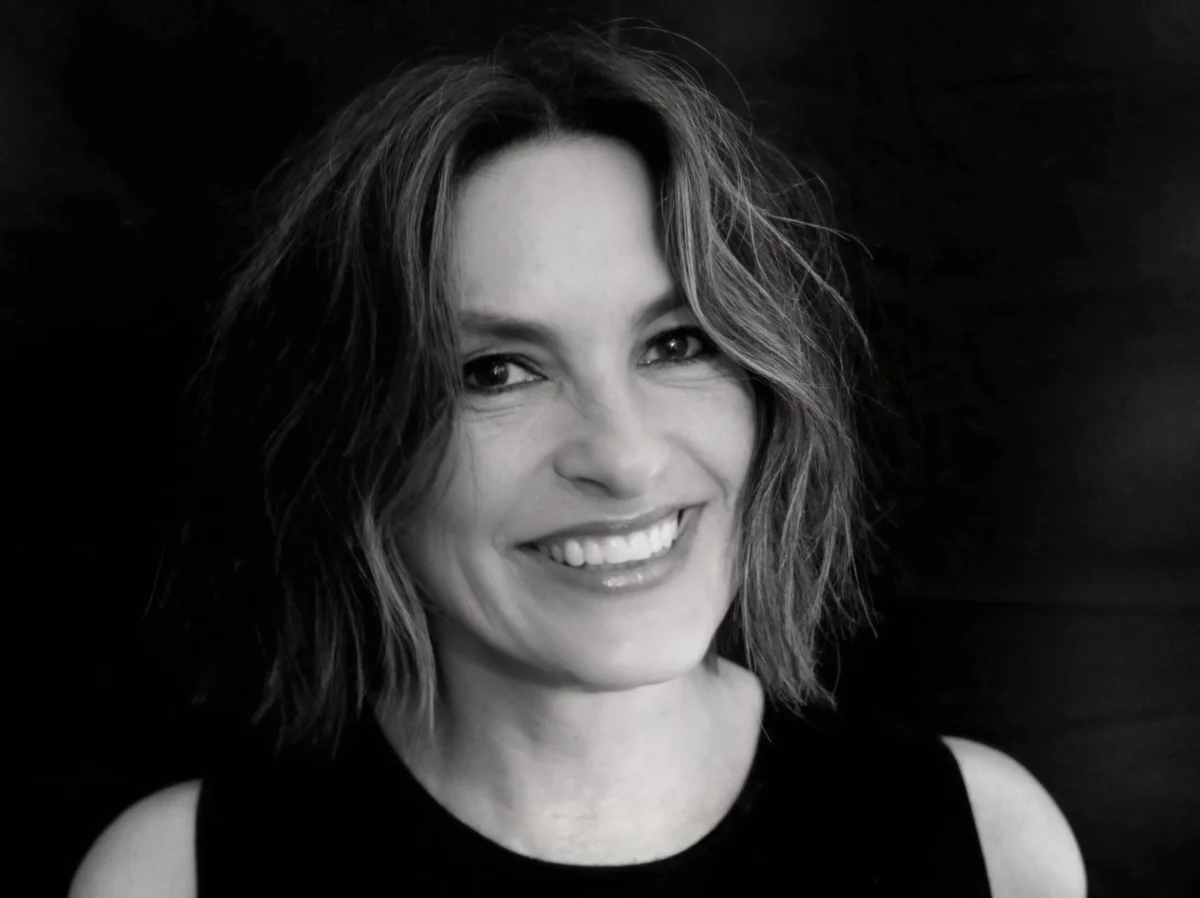
The Television Academy has officially set the stage for the 78th Primetime Emmy Awards, promising a "fresh take" on the industry’s most prestigious night. However, the lead-up to this year’s festivities—scheduled for September 14—has been marked by a contentious structural shift that has sparked a rare and unified rebuke from major labor guilds. As the industry prepares to celebrate the best of the 2025–2026 television season, the Academy finds itself navigating a delicate balance between modernizing the telecast and maintaining the respect due to its creative participants.
The Main Event: A Milestone Celebration
The 78th Emmy Awards will take place on Monday, September 14, broadcast live from the Peacock Theatre at L.A. Live. The ceremony, which serves as the centerpiece for the television industry’s annual self-reflection, will air live at 8 p.m. ET/5 p.m. PT on NBC and will be available for streaming on Peacock.
This year’s ceremony is particularly significant as it coincides with the 100th anniversary of NBC, a cultural cornerstone of American television. To helm this centennial celebration, the Academy has tapped Mariska Hargitay, a titan of the medium whose portrayal of Olivia Benson on Law & Order: SVU has made her one of the most recognizable and beloved faces in global television.
"Bringing important stories into the light has been the heartbeat of my career," Hargitay stated in an official release. "It’s my great honor to host the 78th Emmy Awards—in the 100th birthday year of my beloved NBC—and celebrate this extraordinary community of storytellers."

The Structural Shift: Moving Categories Off-Air
In an effort to streamline the three-hour live telecast and prioritize pacing, the Television Academy has announced that several categories—historically staples of the main primetime event—will be moved to the two Creative Arts Emmy ceremonies. These ceremonies are scheduled to take place the weekend prior, on Saturday, September 5, and Sunday, September 6.
While the Academy has framed this decision as a creative necessity to ensure a tighter, more engaging broadcast for home viewers, the move has not been without its detractors. The Academy maintains that it is "committed to delivering a fresh new take on the Emmys broadcast, with a focus on entertainment that celebrates television shows, artists, and moments audiences love."
By migrating specific awards to the Creative Arts ceremonies, producers aim to allocate more time to big-ticket categories and commemorative segments. However, the specific list of categories moving away from the main stage represents a significant portion of the acting honors—most notably the Supporting Actor and Supporting Actress races for Limited and Anthology Series/Movies.
A Chronology of the 2026 Emmy Season
The path to the 78th Emmys began months ago, with the following key milestones shaping the landscape:

- April 2026: The Television Academy unveils plans for the 78th awards, signaling a desire for a more modern, fast-paced production.
- July 8, 2026: The official list of nominations for the 2026 Primetime Emmys is released, setting off the competitive season and highlighting standout performances from the year.
- August 2026: As the dust settles from the nominations, the industry begins to debate the impact of the Academy’s decision to reallocate certain acting awards to the Creative Arts ceremonies.
- September 5–6, 2026: The two-night Creative Arts Emmy Awards ceremonies will take place, where the newly relocated categories will be presented.
- September 14, 2026: The 78th Primetime Emmy Awards air live on NBC, with Mariska Hargitay presiding over the ceremony at the Peacock Theatre.
Official Responses and Guild Opposition
The decision to remove key acting categories from the primetime broadcast has triggered a swift and powerful response from the creative community’s most influential unions. In a joint statement, the Directors Guild of America (DGA), the Screen Actors Guild-American Federation of Television and Radio Artists (SAG-AFTRA), and the Writers Guild of America (WGA) expressed deep dissatisfaction with the Academy’s direction.
"The Emmys exist to celebrate the best of television and the artists who are central to bringing these stories to life," the guilds stated. "The decision to eliminate these categories from the primetime broadcast devalues the contributions of the talented people the Academy is meant to honor. An awards show dedicated to recognizing excellence should not reduce recognition for the artists whose work gives it meaning."
This unified front highlights a growing tension between the Academy’s goals as a television producer—which prioritize ratings, audience retention, and show flow—and its duties as a professional organization tasked with honoring the labor of its members.
The Producer’s Perspective
Despite the criticism, the production team behind the 78th Emmys remains focused on delivering a spectacle worthy of the medium. Jesse Collins, Dionne Harmon, and Jeannae Rouzan-Clay of Jesse Collins Entertainment have been appointed as executive producers. Their mandate is to curate a night that feels both intimate and expansive, honoring the "extraordinary community of storytellers" mentioned by host Mariska Hargitay.

TV Academy Chair Cris Abrego defended the selection of Hargitay and the broader vision for the show, noting that her "talent, authenticity, and extraordinary connection with audiences" make her the perfect guide for the evening. "We’re so delighted to have her join us as the host of this year’s Emmys telecast and know that she will create an unforgettable evening honoring the very best of television," Abrego said.
Implications for the Future of Awards Shows
The move to pull acting categories off the main telecast is part of a broader, industry-wide trend toward "streamlining." As viewership habits shift toward digital platforms and on-demand content, traditional awards shows have struggled to maintain the high ratings of previous decades.
By prioritizing "entertainment that celebrates television shows, artists, and moments audiences love," the Academy is making a calculated bet that a faster, more curated show will retain more viewers. However, the cost of this strategy is the potential alienation of the very creative workforce that produces the content.
If the audience at home views the Emmys as an entertainment product rather than a professional industry award, the Academy succeeds. If, however, the industry at large continues to view the removal of awards as a "devaluation," the Academy risks damaging its relationship with the guilds and the prestige of the Emmy trophy itself.

Conclusion: A High-Stakes Balancing Act
As September 14 approaches, all eyes will be on the Peacock Theatre. The 78th Emmy Awards will be remembered not just for who wins, but for how the ceremony handles the competing interests of a modern television landscape.
Will the tighter format result in a more engaging broadcast that captures the imagination of a new generation of viewers? Or will the outcry from the guilds cast a shadow over the evening? For now, the stage is set. Mariska Hargitay is ready to host, the producers are finalizing the segments, and the television community is waiting to see if this "fresh take" will mark a new golden age for the awards or a cautionary tale about the perils of professional de-prioritization. Regardless of the controversy, the mission remains the same: to celebrate the stories that unite us in our laughter, our tears, and our shared love of what happens next.
 Ammar Sabilarrohman
 Siti Muinah
 Iffa Jayyana
