

Main Facts: The Evolution of Cold-Weather Dressing
As an unseasonably warm start to autumn lingers across the globe—temporarily keeping our heavy woolens tucked away in storage—the fashion industry is already casting its gaze forward to define the landscape of 2026 knitwear. While timeless autumn essentials like the classic crew-neck jumper and the reliable button-front cardigan remain the bedrock of any functional cold-weather capsule, the upcoming season introduces a sophisticated shift in design philosophy.
Rather than relying strictly on utility, 2026 knitwear is defined by expressive volumes, radical contrasts in proportions, and tactile richness. Designers are proving that staying warm doesn’t require sacrificing individuality. From the dramatic architectural elevation of ultra-high necklines to the rebellious charm of asymmetric hems, the runways have signaled a triumphant return to maximalism, balanced gracefully by elevated minimalism.
Major fashion houses have completely rethought how sweaters and cardigans interact with the human silhouette. Knitwear is no longer treated merely as an underlayer or a defensive barrier against the cold; it has emerged as the definitive focal point of contemporary outfits.
Chronology: From Runway Concept to Wardrobe Reality
The trajectory of 2026’s knitwear dominance began taking shape during the Autumn/Winter collections, setting off a wave of anticipation across global fashion capitals.
The Springboard: The Autumn/Winter Runways
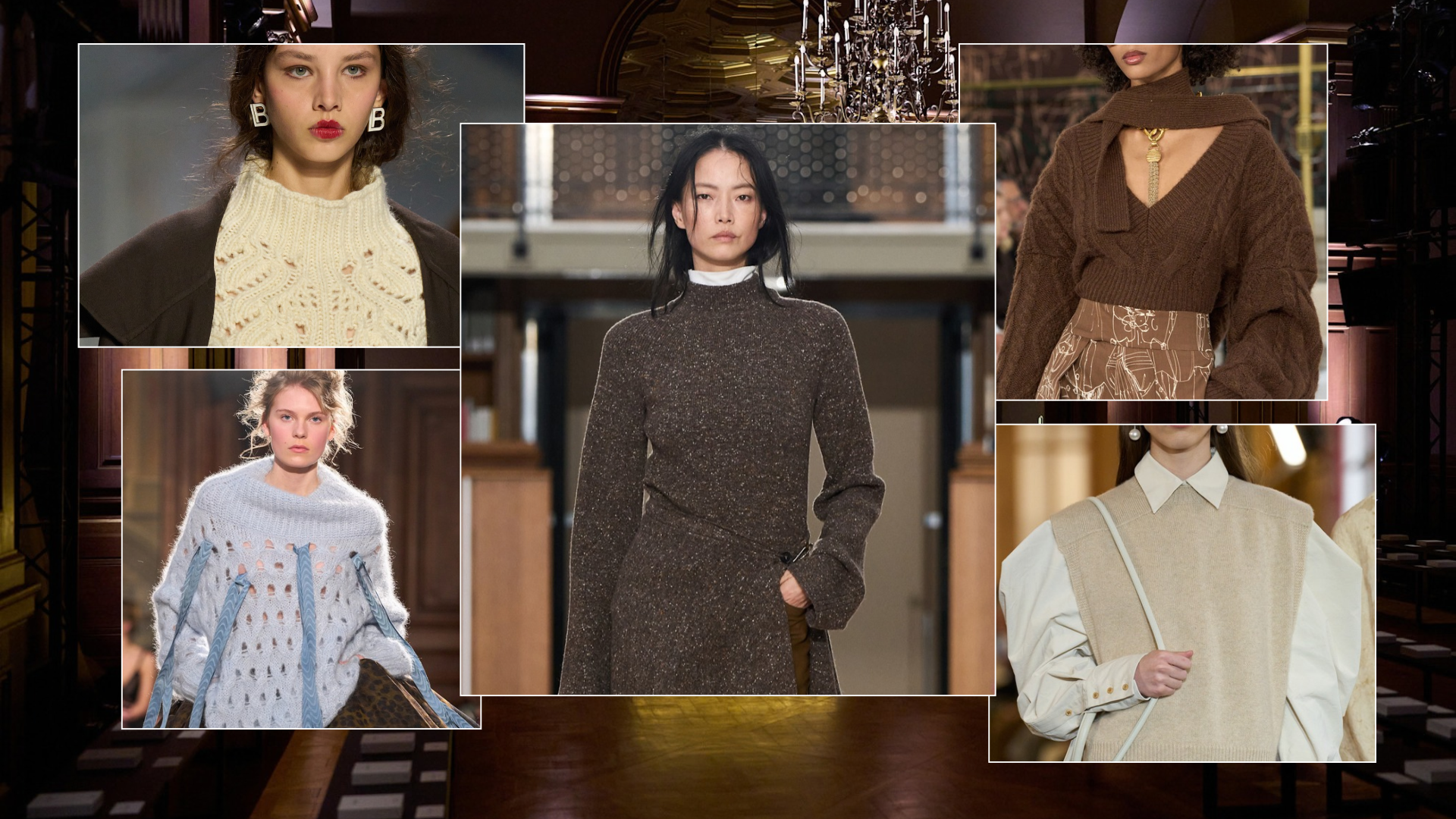
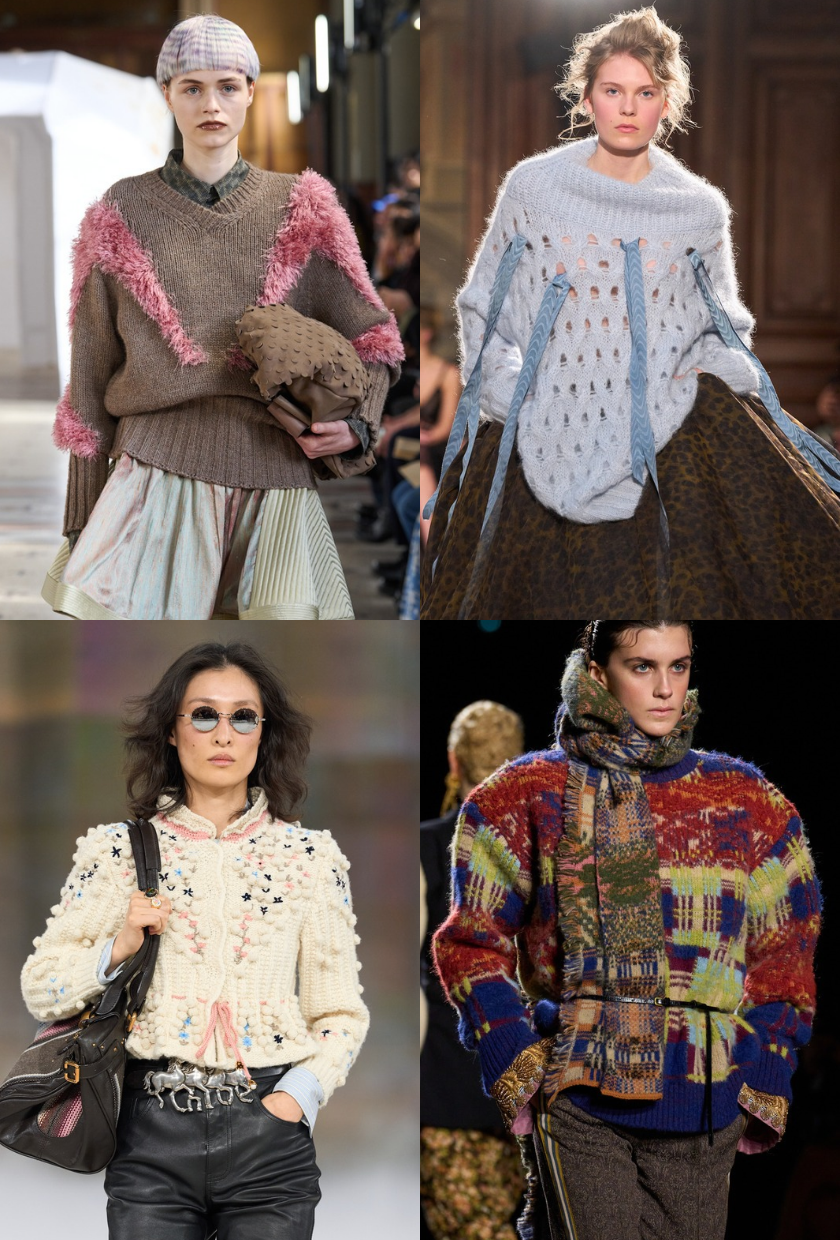
The definitive turning point for the season arrived on the Nina Ricci autumn/winter runway, where designers transported audiences to a conceptual realm "somewhere between the pathways of Versailles and the muddy fields of Glastonbury." This surrealist vision manifested as sweaters adorned with ribbons dangling from deliberate holes, alongside cavernous V-necks cascading off models’ shoulders. It became instantly apparent that maximalism was not just surviving, but aggressively evolving.
Concurrently, brands like Lacoste, Dries Van Noten, and Eckhaus Latta injected vibrant colour palettes and intricate geometric patterns into their collections, cementing the idea that winter dressing could be inherently joyful.
The Mid-Year Refinement
As the year progressed through spring and summer, preview collections and resort lines began translating these runway eccentricities into wearable commercial products. The heavy prevalence of crochet during the warmer months naturally morphed into sophisticated, lace-inspired stitchwork for the colder seasons. High-street brands and luxury houses alike began aligning their production pipelines to feature the two opposing polarities dominating the trend charts: extreme verticality (the ultra-high turtleneck) and extreme exposure (exaggerated, deep V-necks).
The Current Landscape
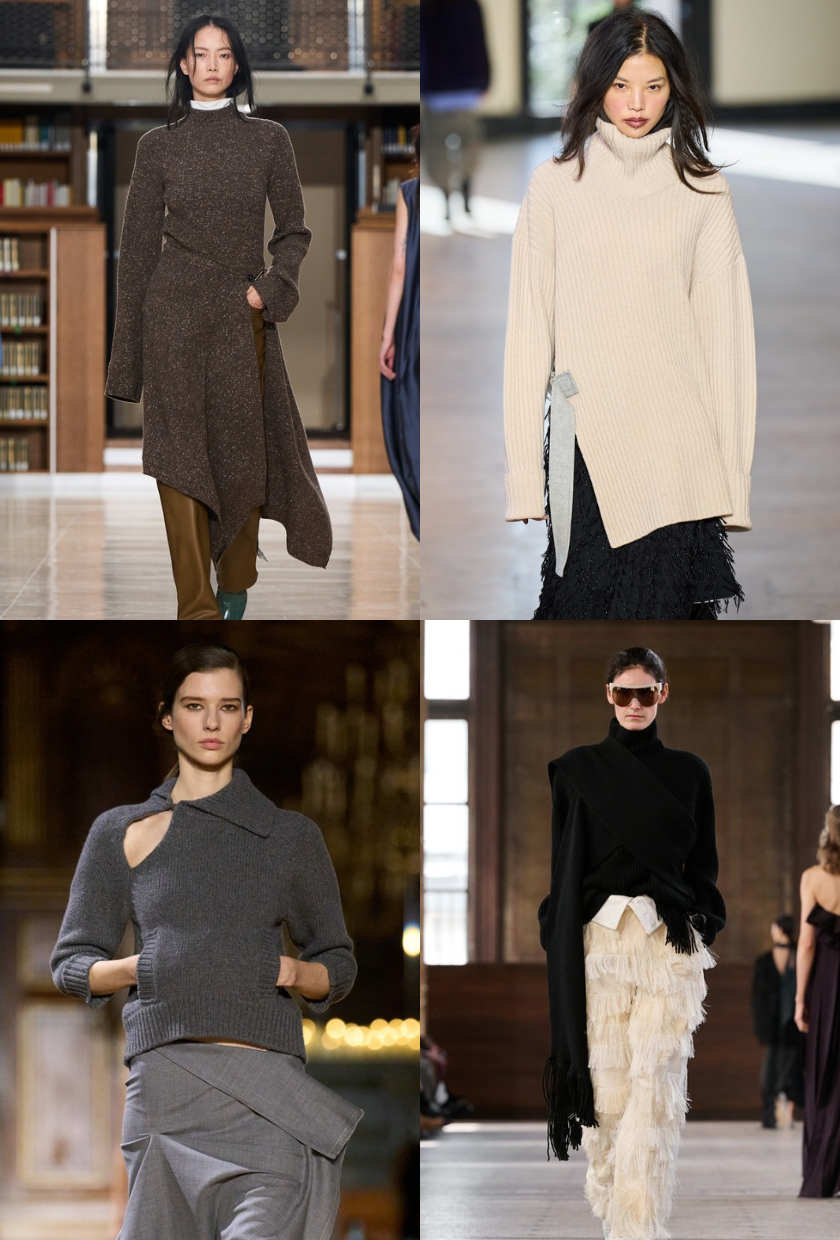
Today, as consumers transition their wardrobes toward cooler temperatures, these eight distinct runway trends have fully infiltrated the market. Retailers are reporting unprecedented early demands for statement pieces that bridge the gap between traditional craftsmanship and modern subversion, proving that the modern consumer values garments with a narrative.
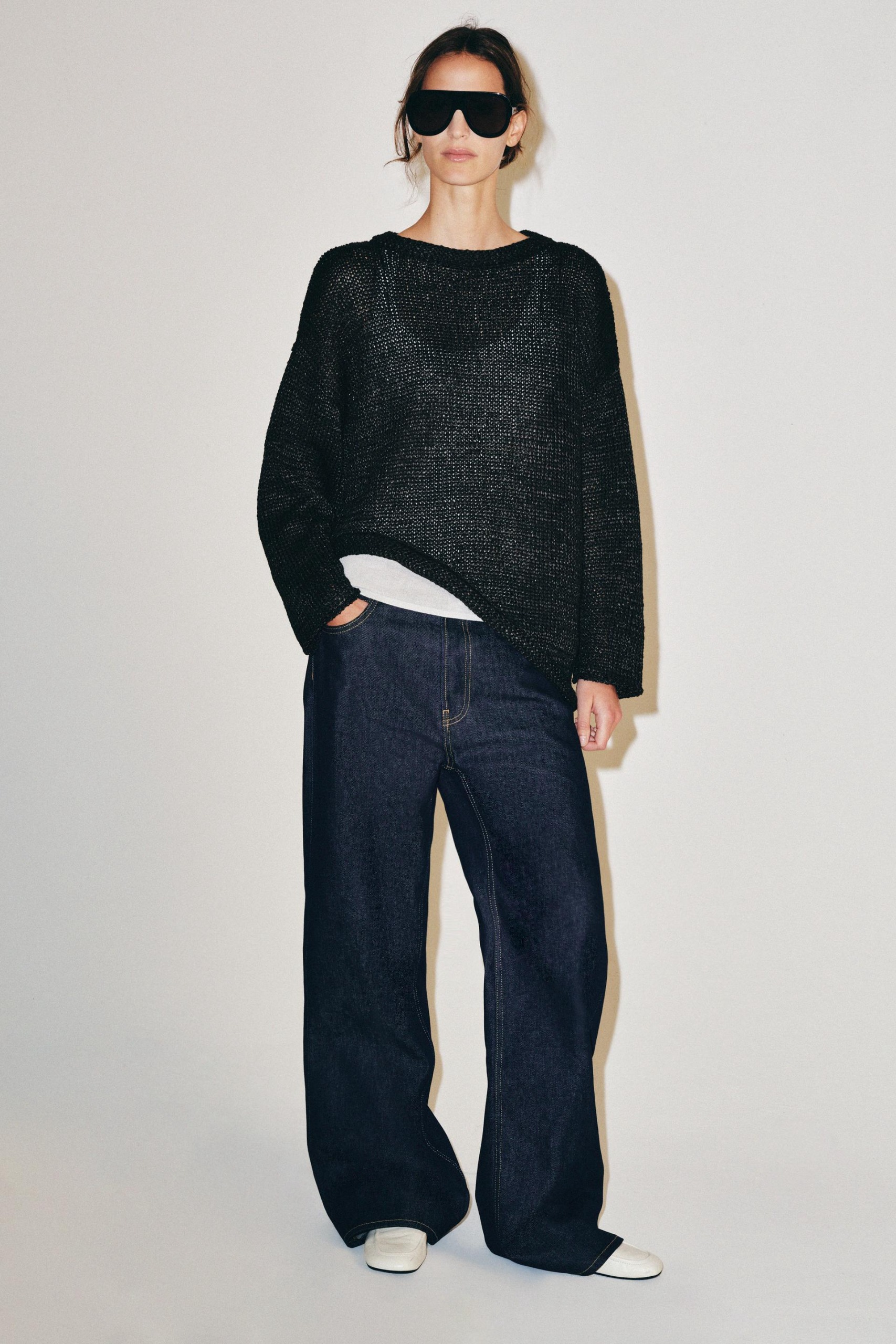
Supporting Data: The Eight Defining Knitwear Trends
Market analysis and runway visibility highlight eight specific aesthetic movements dominating the knitwear conversation.
1. The Ultra-High Neck
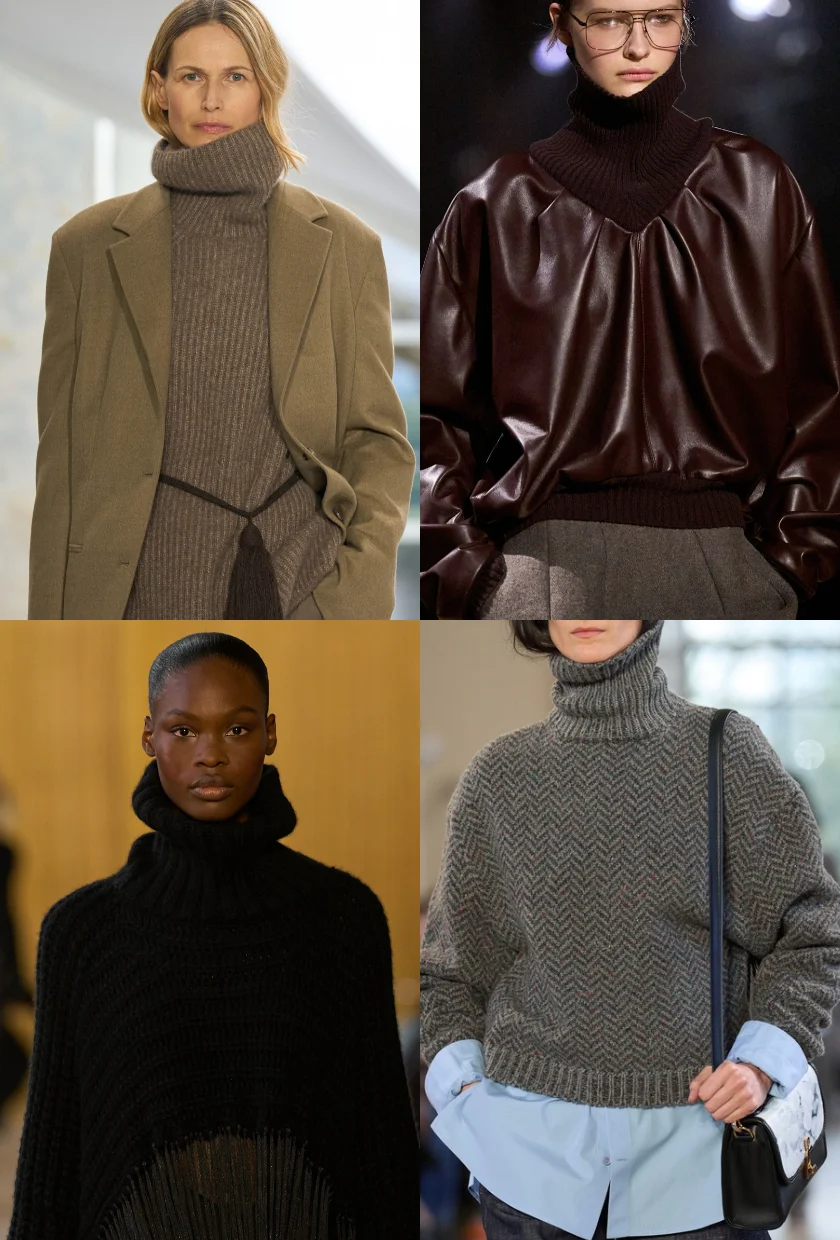
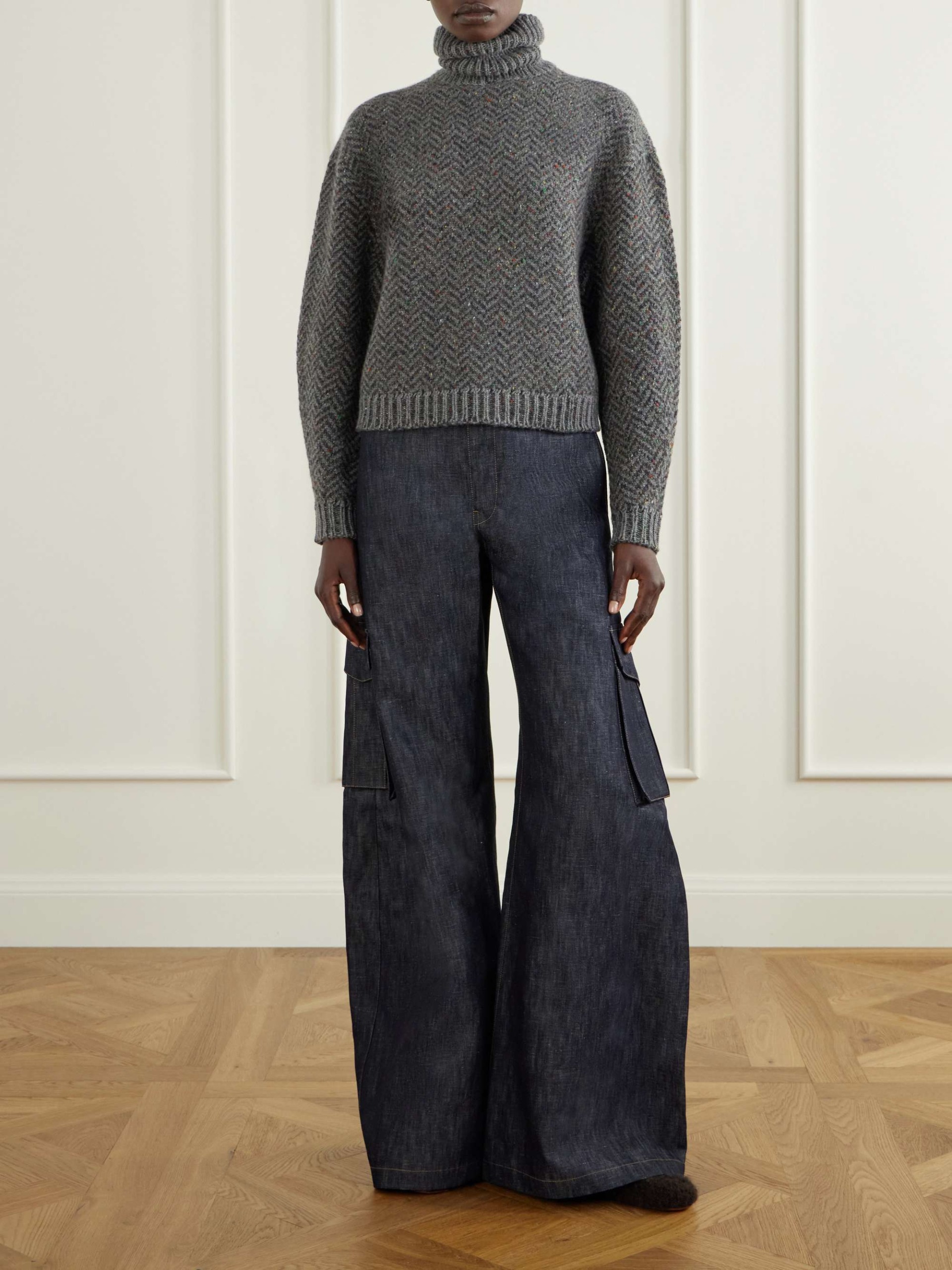
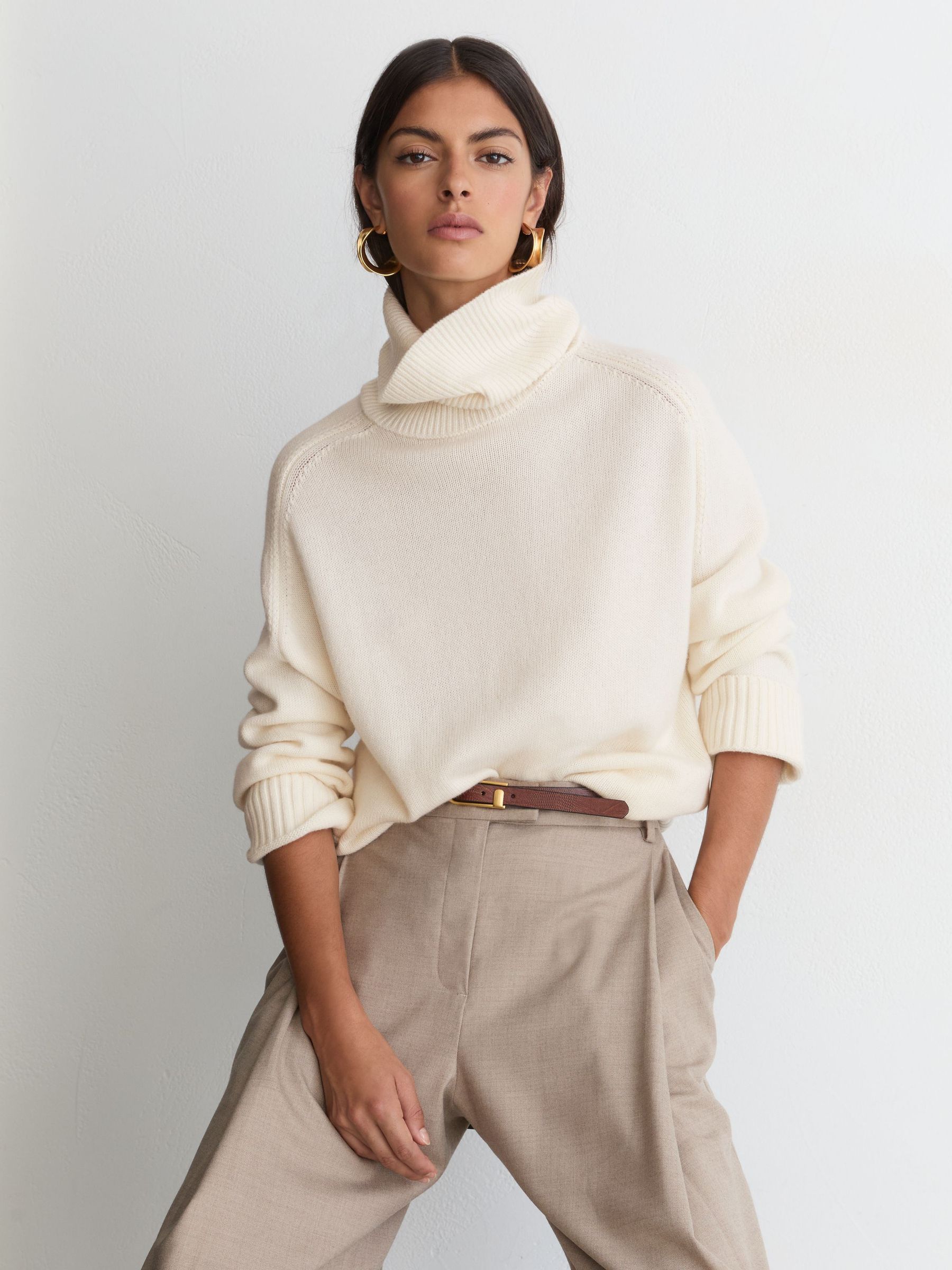
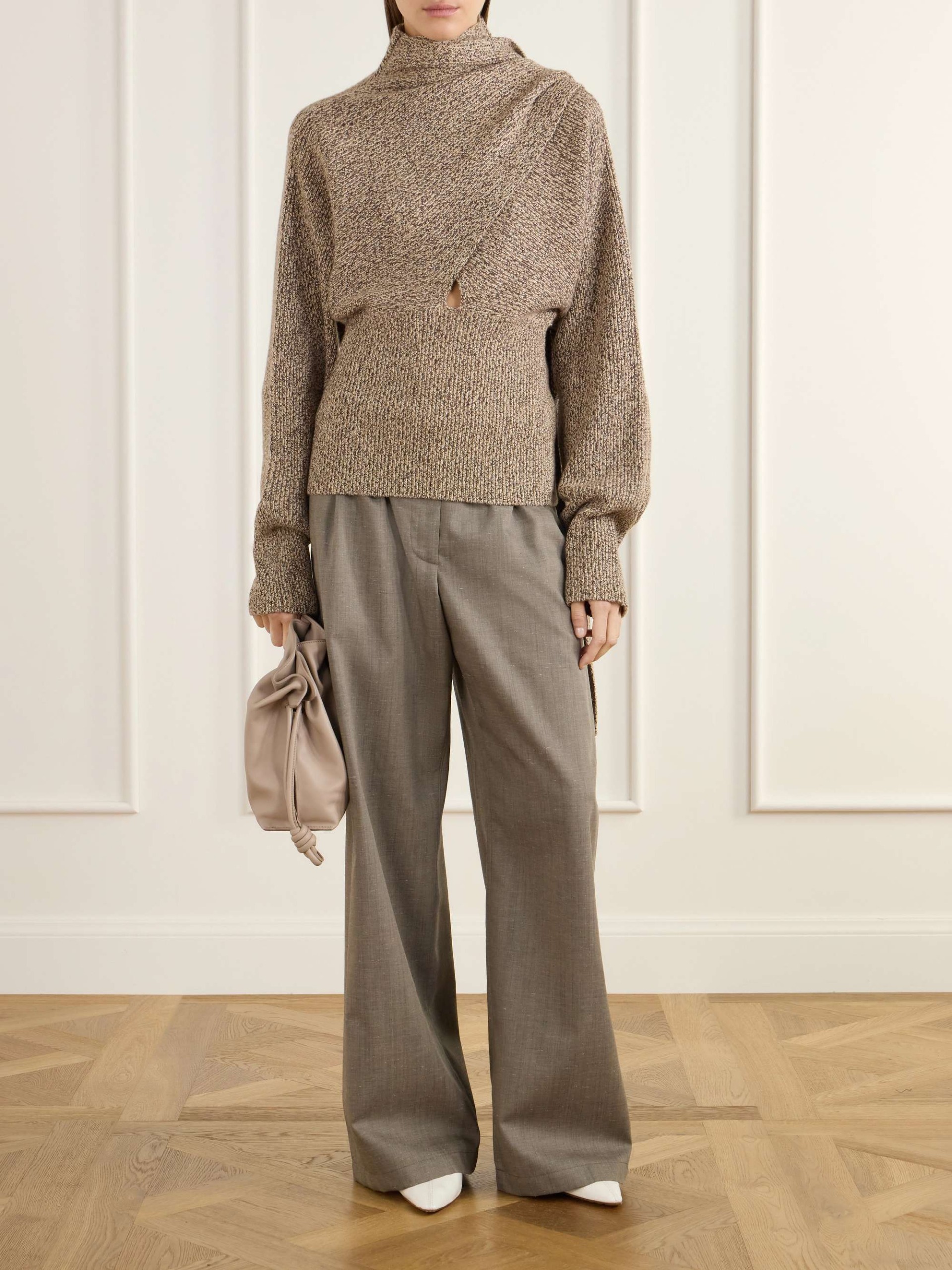
Taking the traditional turtleneck and pushing it to architectural extremes, the ultra-high neck dominated autumn presentations. Rather than a collar that folds neatly once, these iterations feature an extra inch or two of slouchy fabric that creates an imposing, dramatic silhouette. Brands like Gabriela Hearst and Icicle championed this look, pairing voluminous cashmere roll-necks with tailored autumn trousers.
- Key Pieces: Gabriela Hearst Courtney Herringbone Cashmere Turtleneck, Reiss Wool-Cashmere Roll-Neck Jumper.
2. Asymmetric Seams and Hems
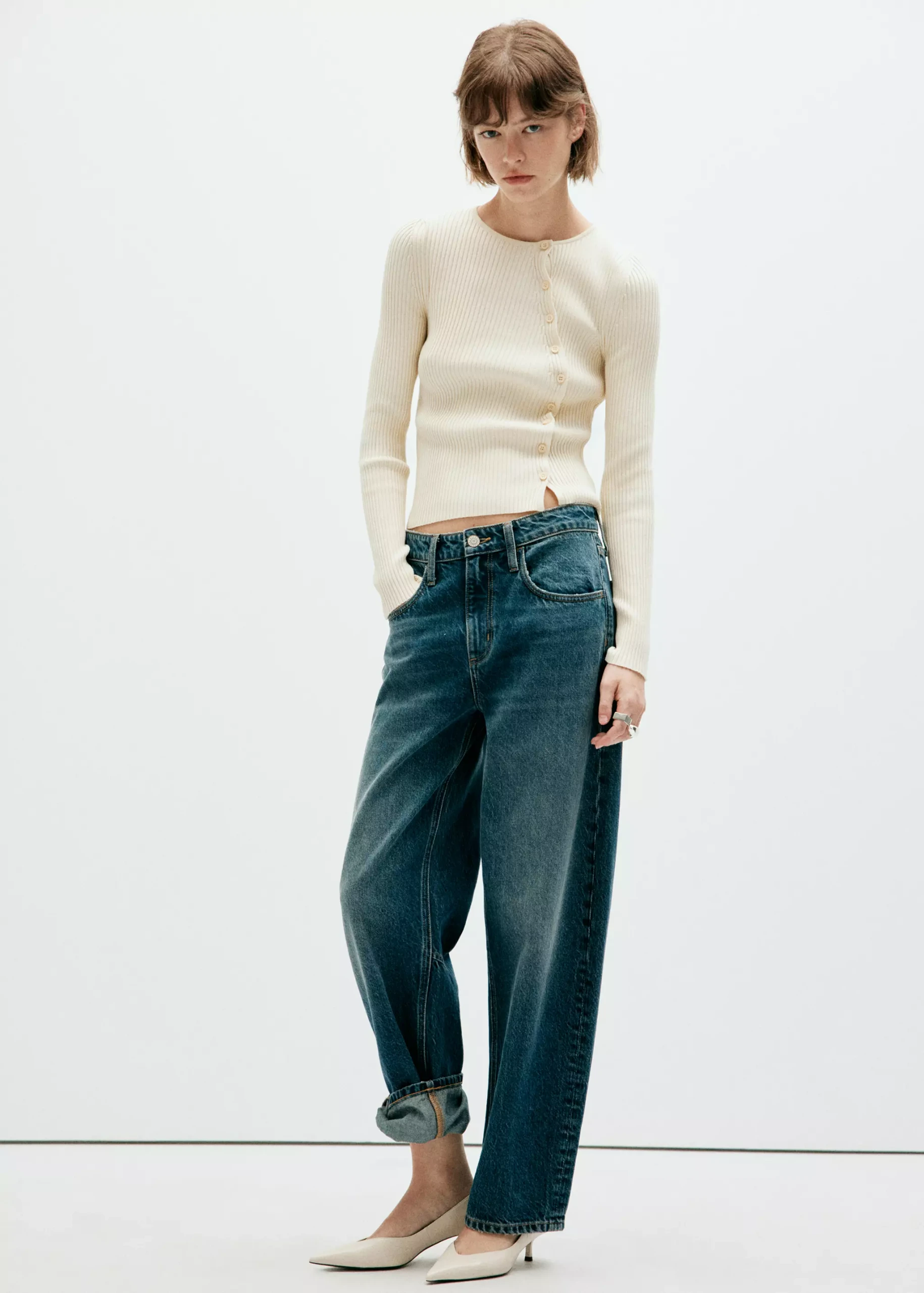
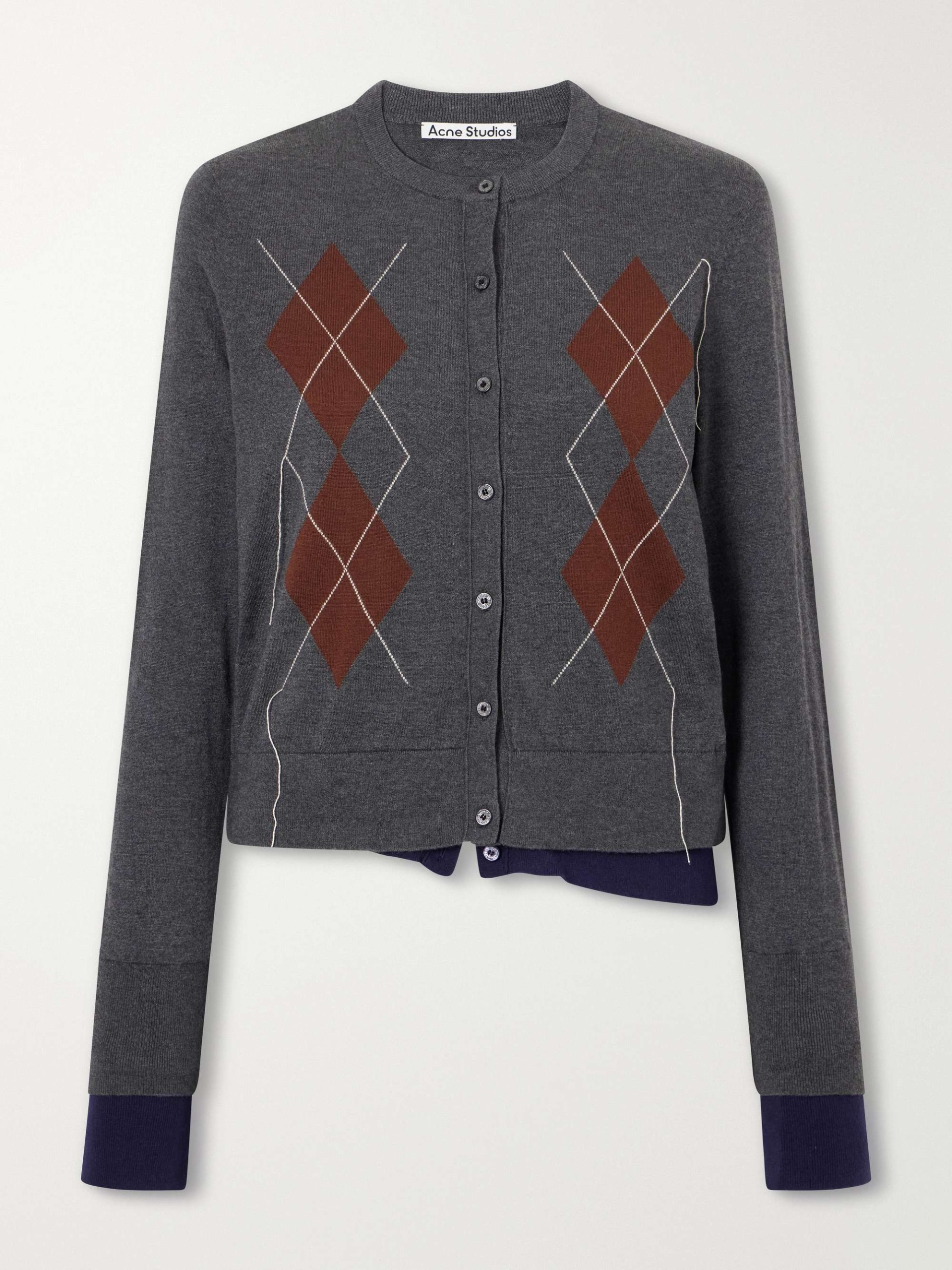
Moving away from rigid symmetry, 2026 embraces the intentionally "askew." Reflecting a broader cultural fatigue with hyper-polished perfection, designers offered cardigans with off-centre button plackets, tapered hems that double as dresses, and strategic shoulder slits. This trend allows wearers to effortlessly play with body proportions.
- Key Pieces: Mango Ribbed Asymmetric Cardigan, Acne Studios Argyle Silk-Blend Cardigan with faux-layered shirting.
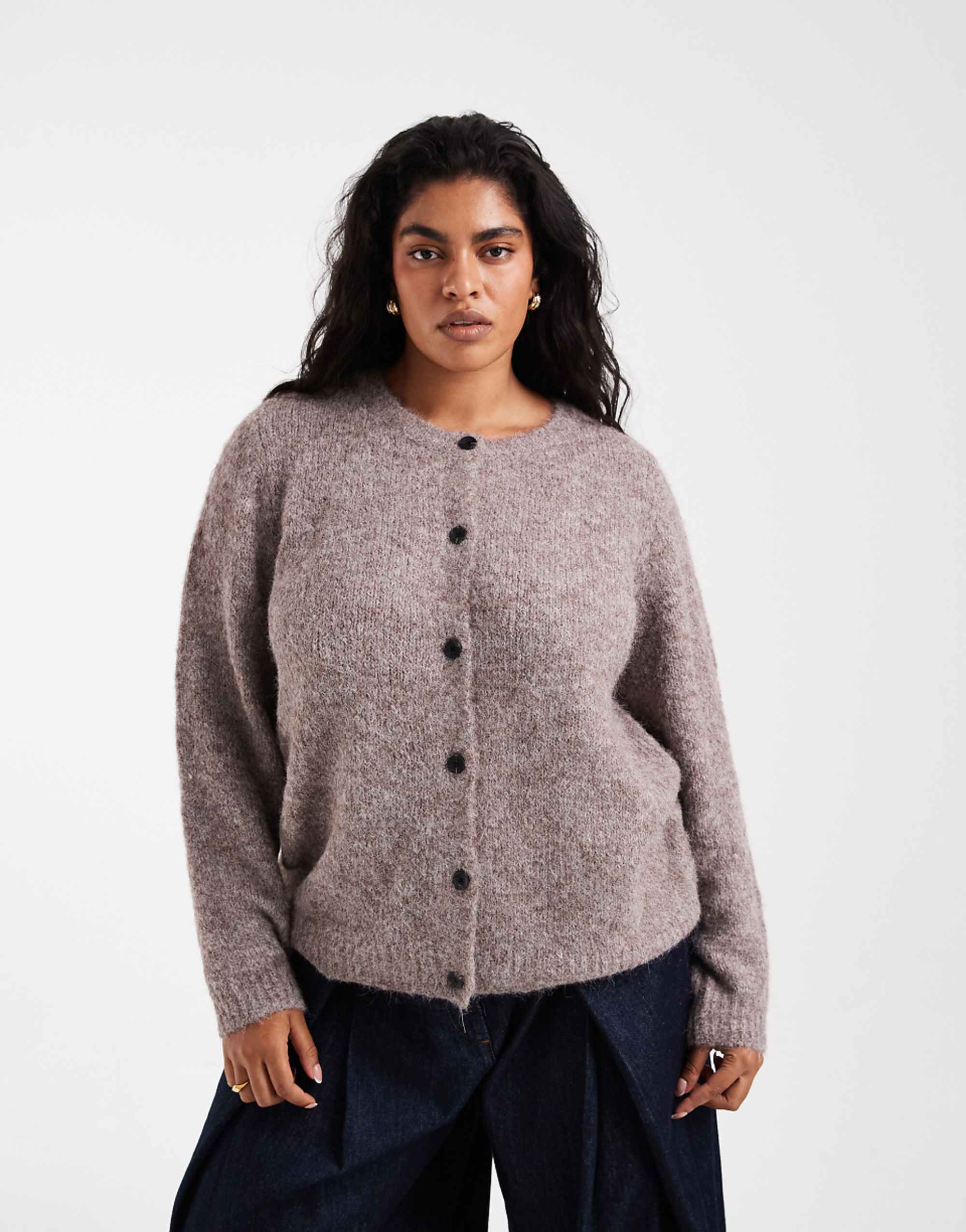
3. The Return of the Chunky-Knit Cardigan
For several seasons, cardigans were treated primarily as fitted tops rather than authentic knits. The chunky, substantial "grandpa" cardigan has officially returned, though with a polished, modern refinement. Magda Butrym introduced flared collars and clean cuts, while Altuzarra proved that even the heaviest knits retain sleek tucking capabilities.
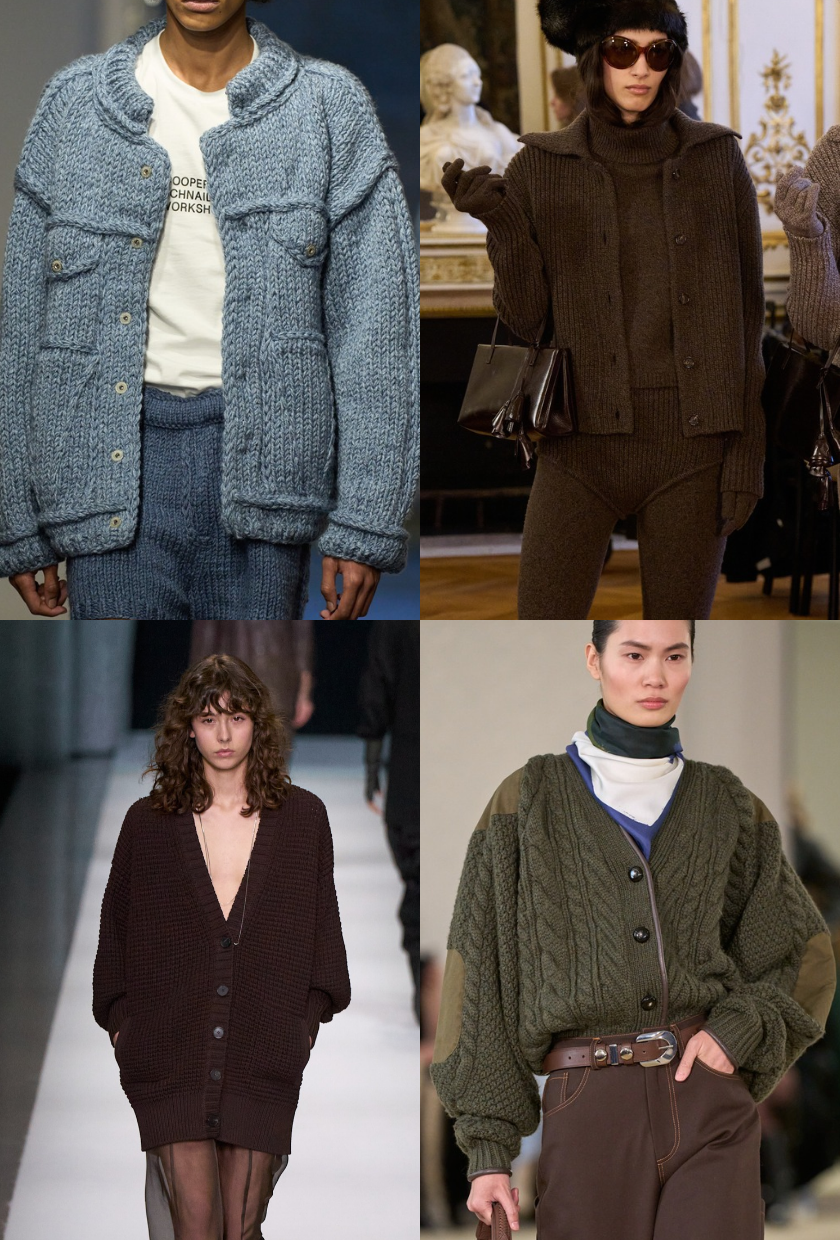
- Key Pieces: COS Flecked Chunky Wool-Alpaca Cardigan, The Row Poynta Cashmere Cardigan.
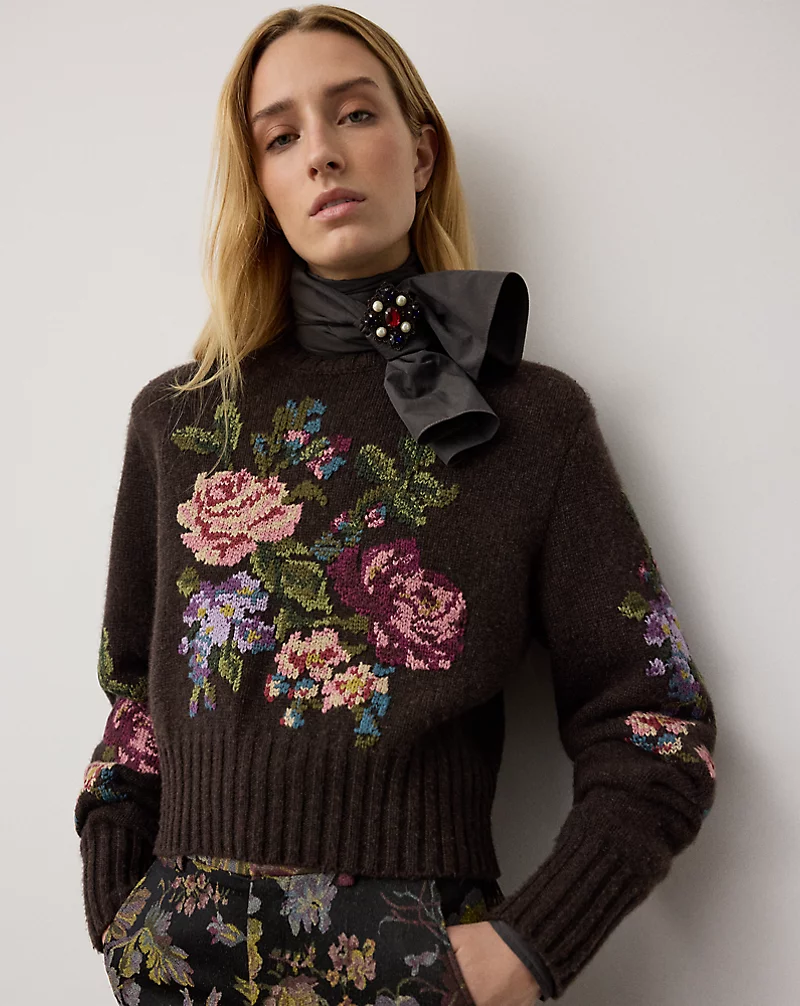
4. Maximalist Embellishments
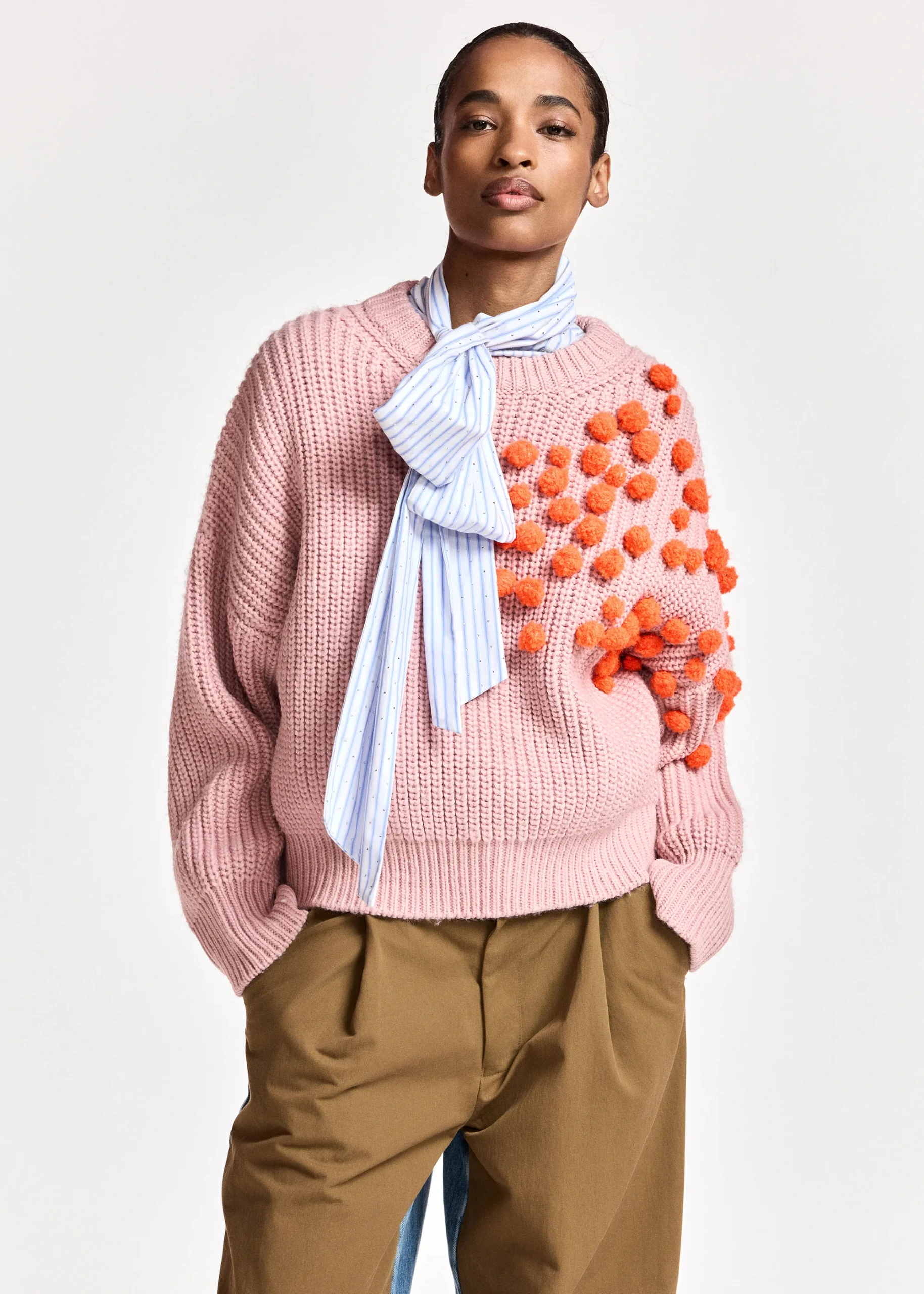
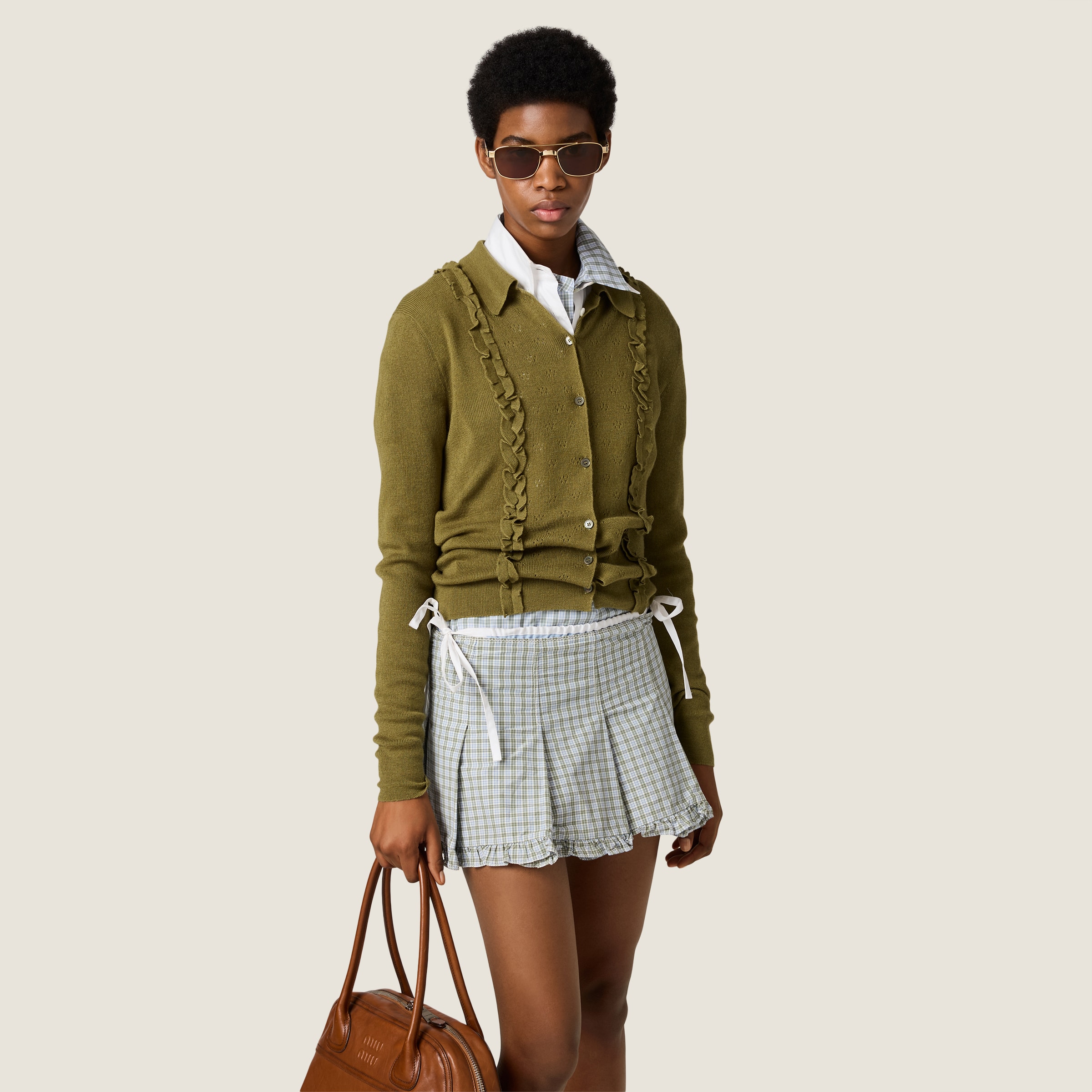
Maximalism continues its victory lap. Following the resurgence of bohemian aesthetics and loud summer prints, autumn wardrobes are receiving a heavy dose of visual dopamine. Runways showcased a motley mixture of colors, heavy pom-pom embellishments, and patchwork textures built directly into single garments.
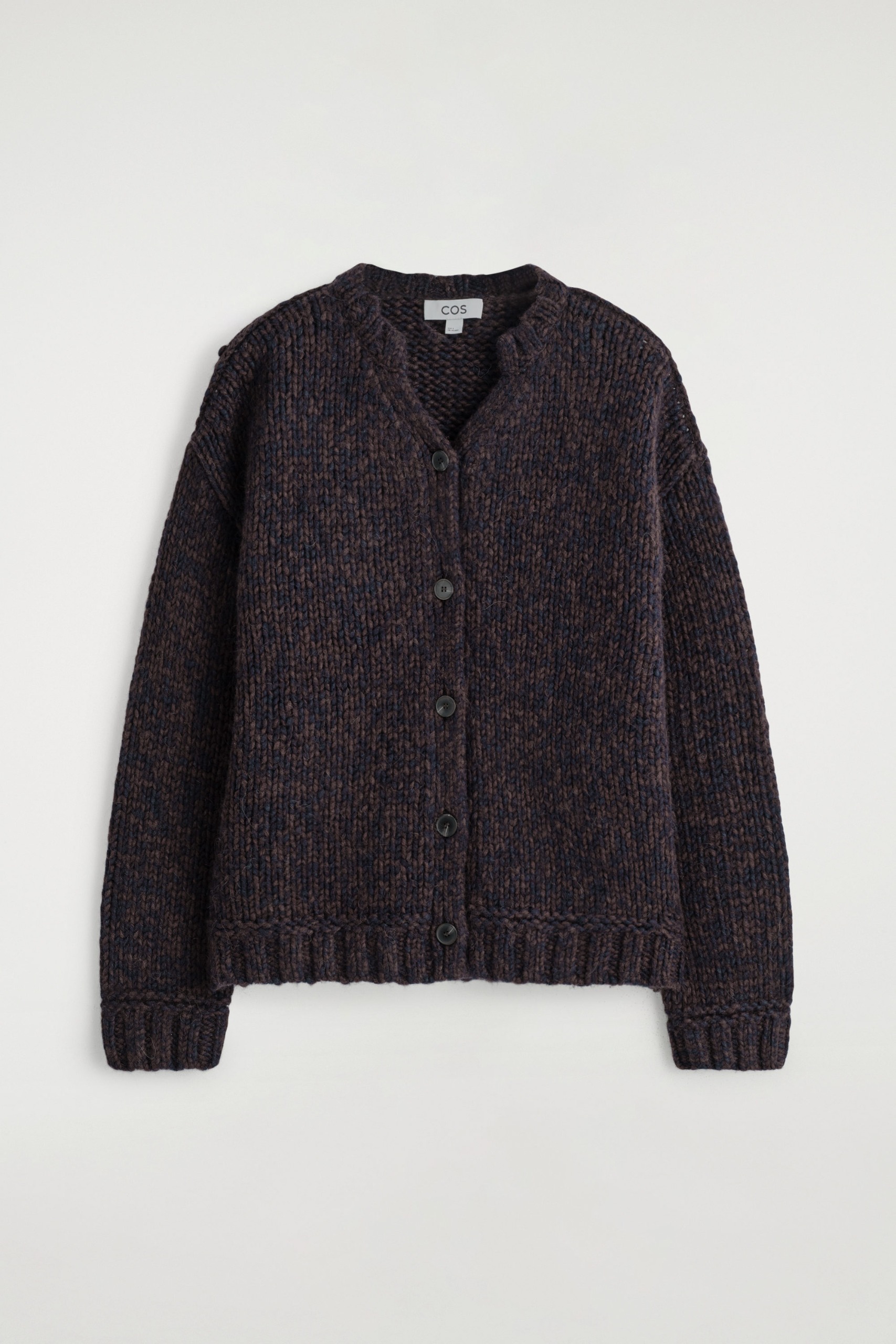
- Key Pieces: Essentiel Antwerp Pompon-Embellished Sweater, Miu Miu Ruffled Cashmere Cardigan.
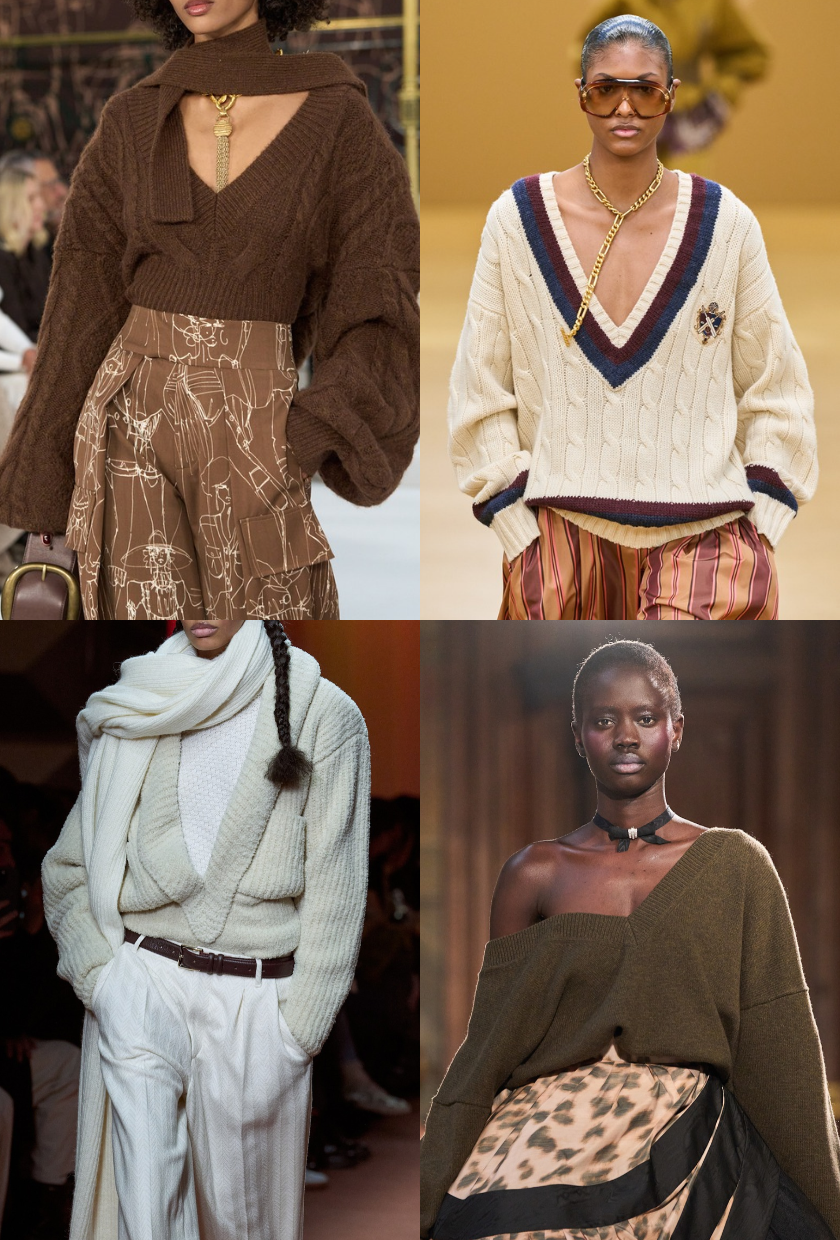
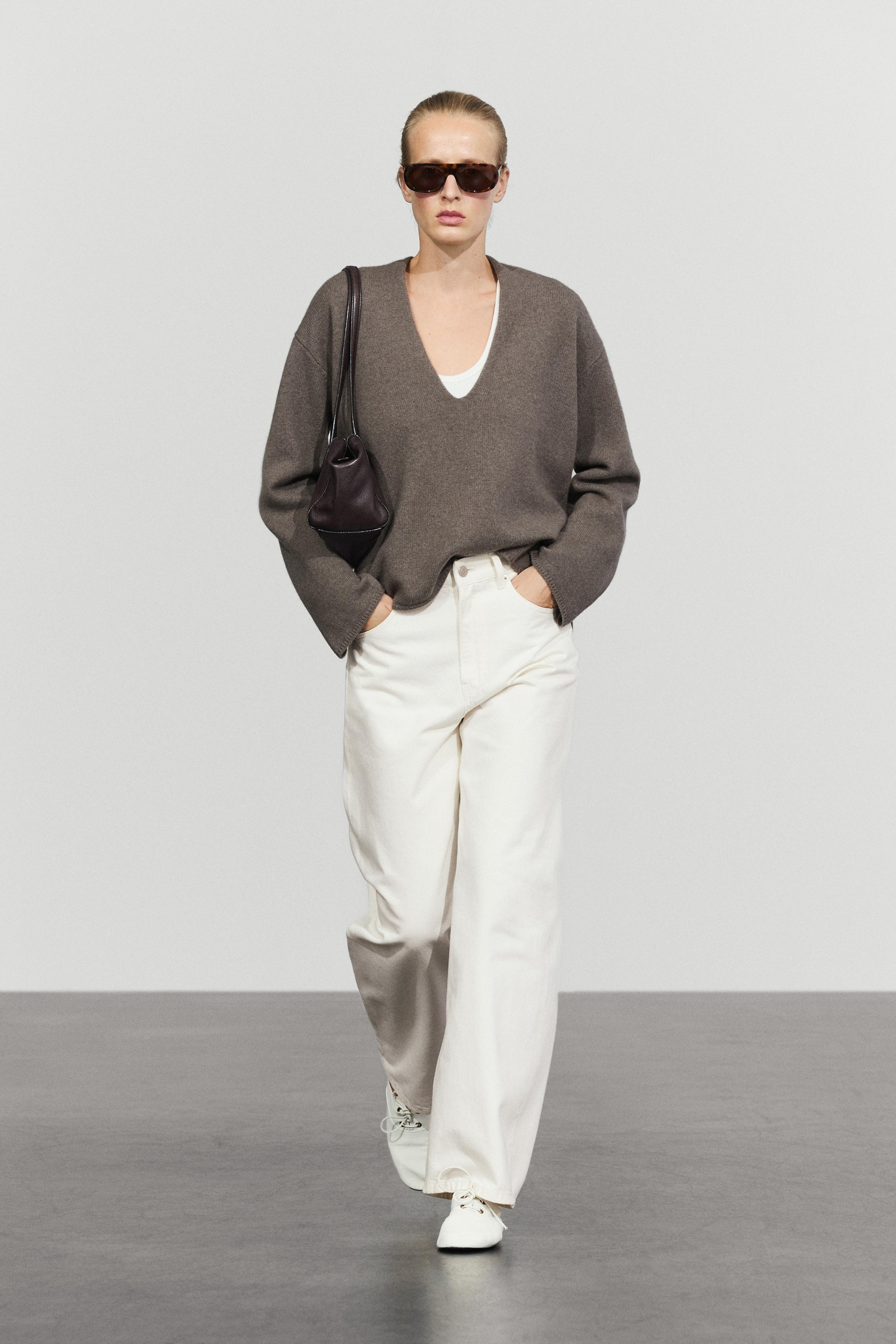
5. Exaggerated V-Necklines
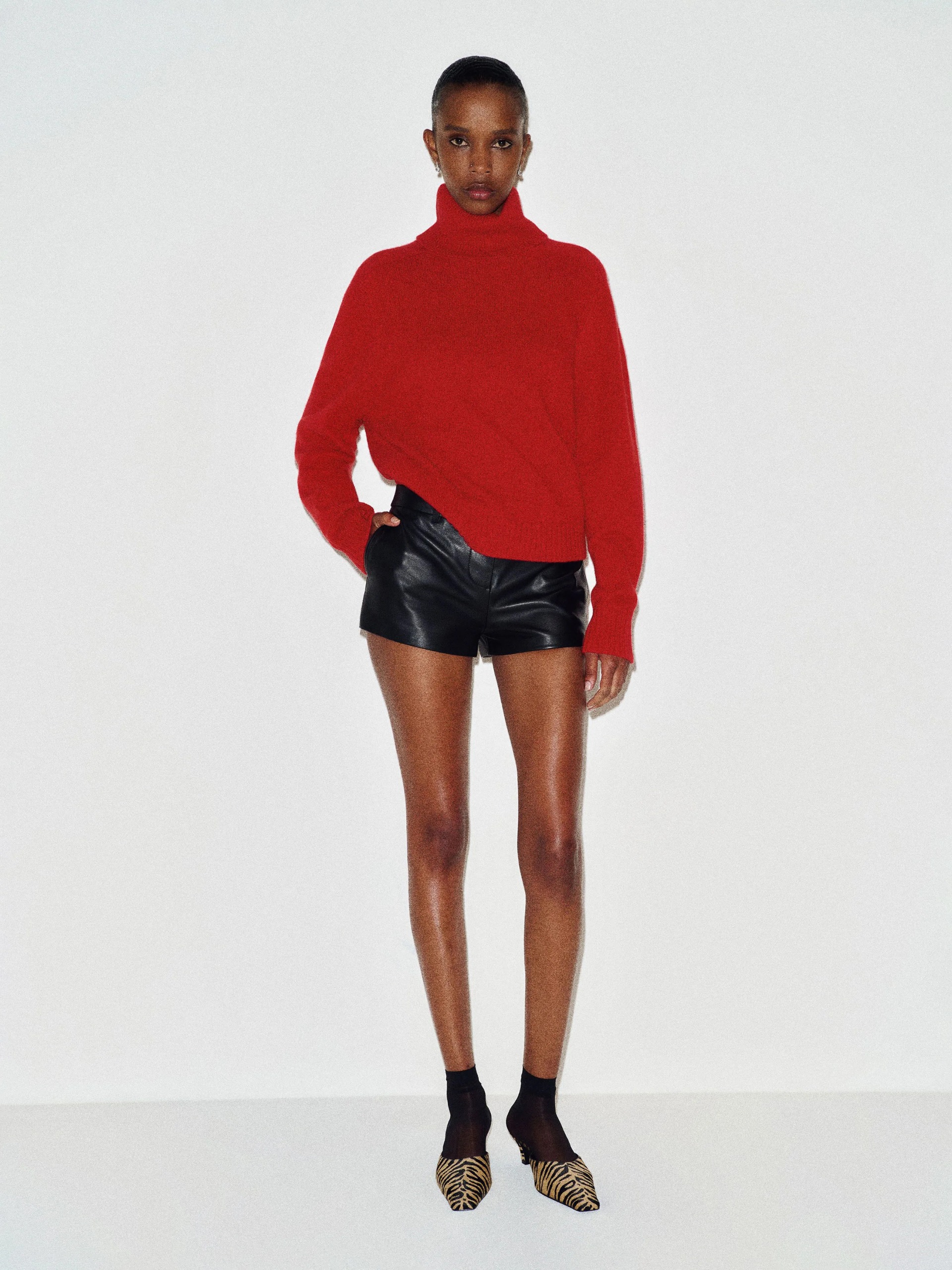
In direct opposition to the ultra-high neck, V-necks and scoop necks have been carved down to daring depths. Houses such as Zimmermann, Prada, and Missoni championed low-cut iterations that make an immediate statement through geometry alone. These pieces are engineered for high-fashion layering over bralettes, contrasting tees, or delicate camisoles.
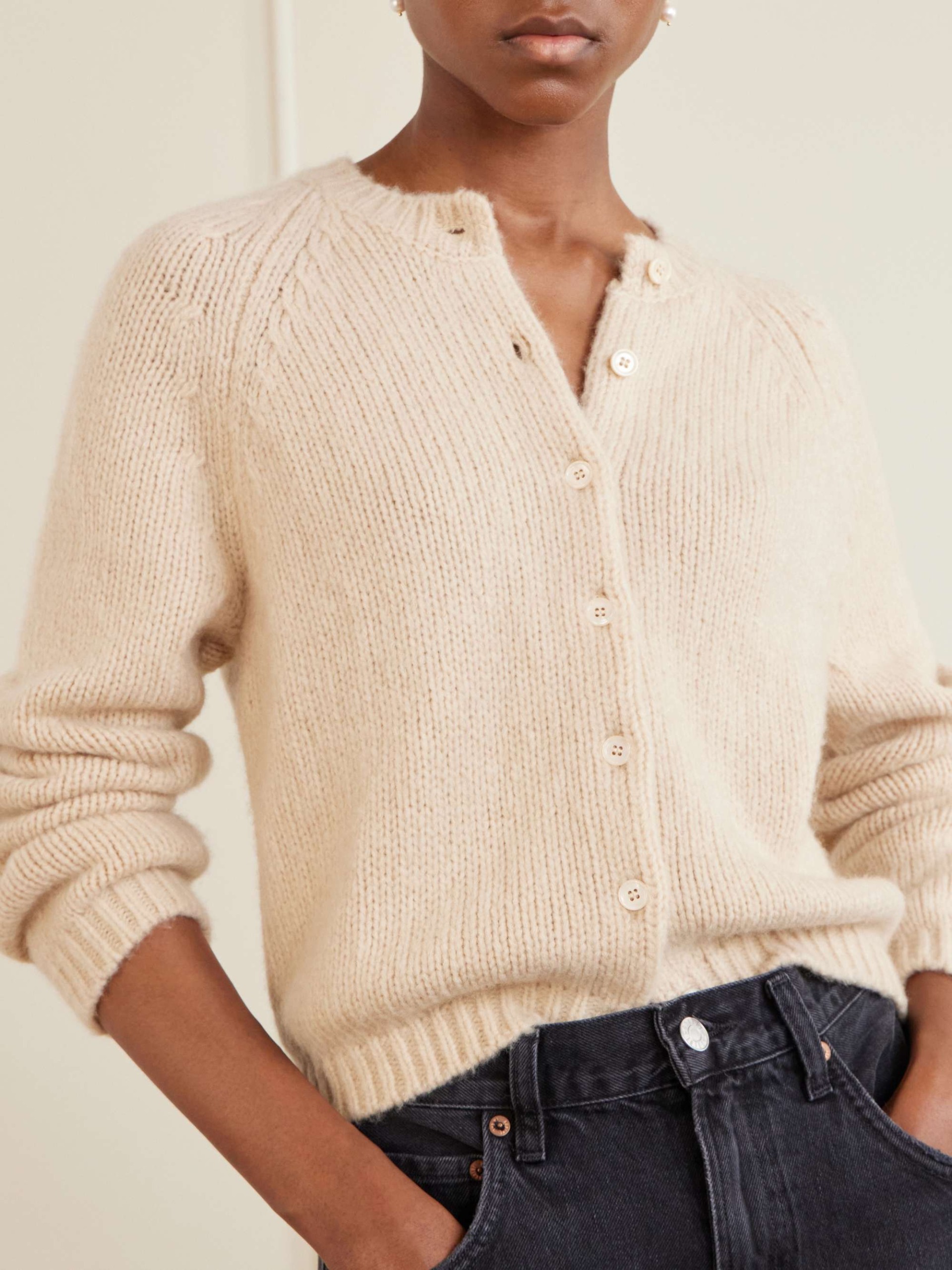
- Key Pieces: Prada Cashmere V-Neck Sweater, Reformation Jonie Cashmere Oversized Scoop Neck.
6. Elevated Knitted Vests
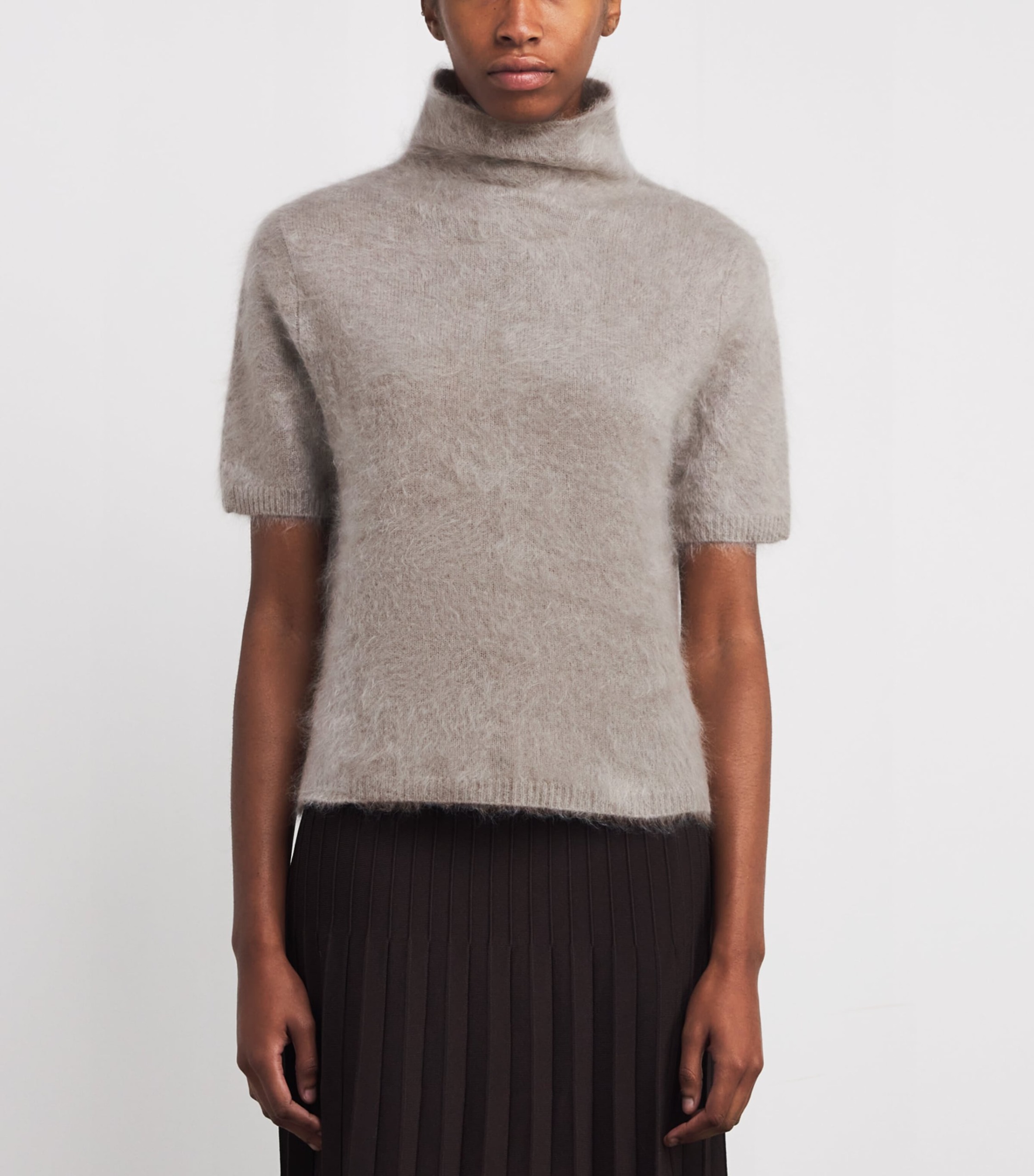
Once overlooked, the sweater vest has evolved into one of the most versatile layering tools in modern wardrobes. Whether styled as a colourful, hand-crocheted statement piece à la Stella McCartney or a minimalist cashmere tank from Max Mara, vests provide crucial core warmth when layered over long-sleeved button-downs.
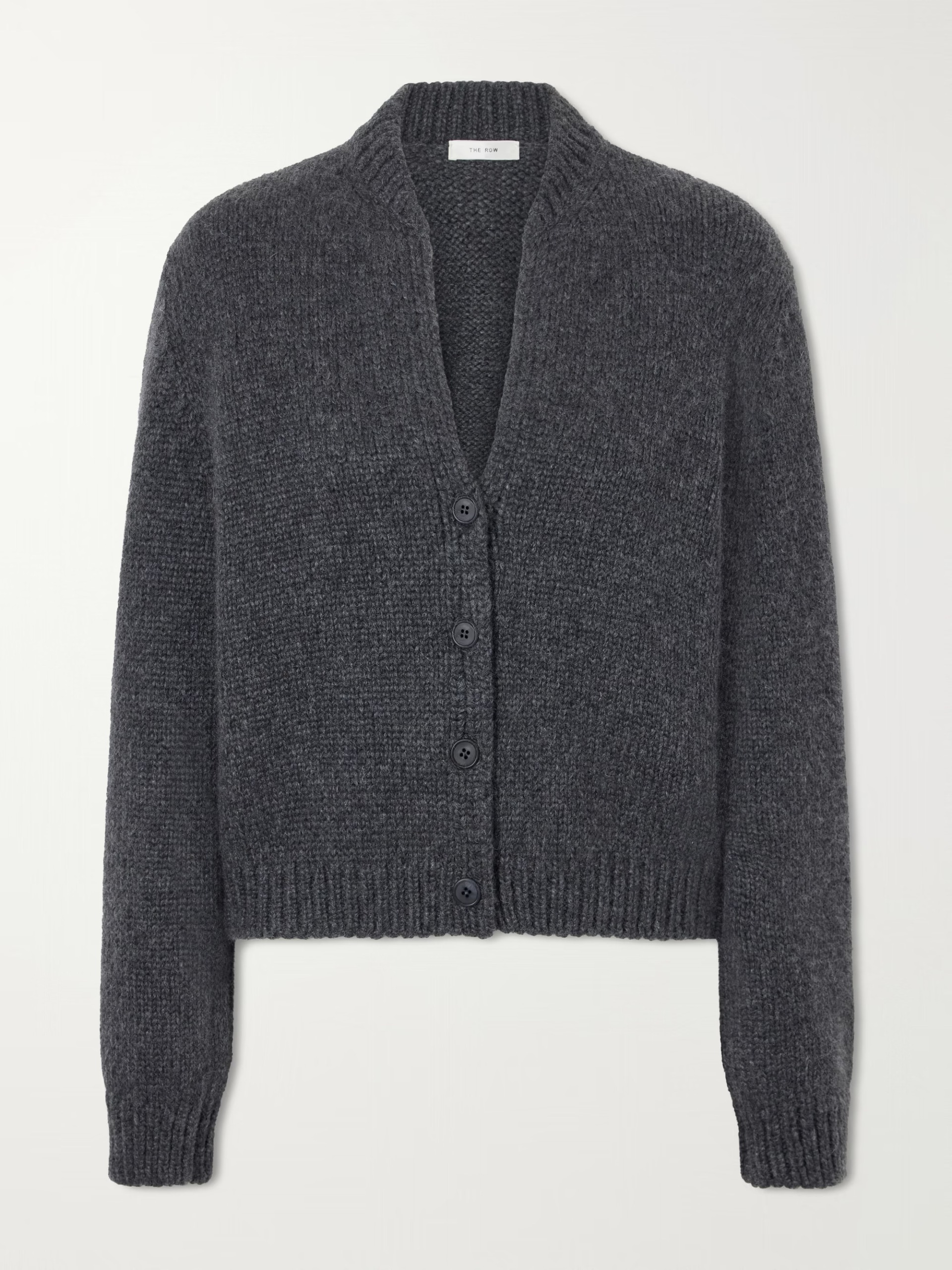
- Key Pieces: Max Mara Giochi Wool and Cashmere-Blend Tank, Stella McCartney Hand-Crocheted Heart Vest.
7. Lace-Inspired and Pointelle Stitchwork
Challenging the notion that winter knits must be heavy and opaque, designers incorporated gossamer-thin, lace-like pointelle stitchwork into mohair and wool blends. Acne and Dolce & Gabbana led the charge, introducing ethereal textures that bring a delicate, romantic elegance to the depths of winter.
- Key Pieces: Sézane Gaël Jumper, COS Pointelle-Knit Mohair Jumper.
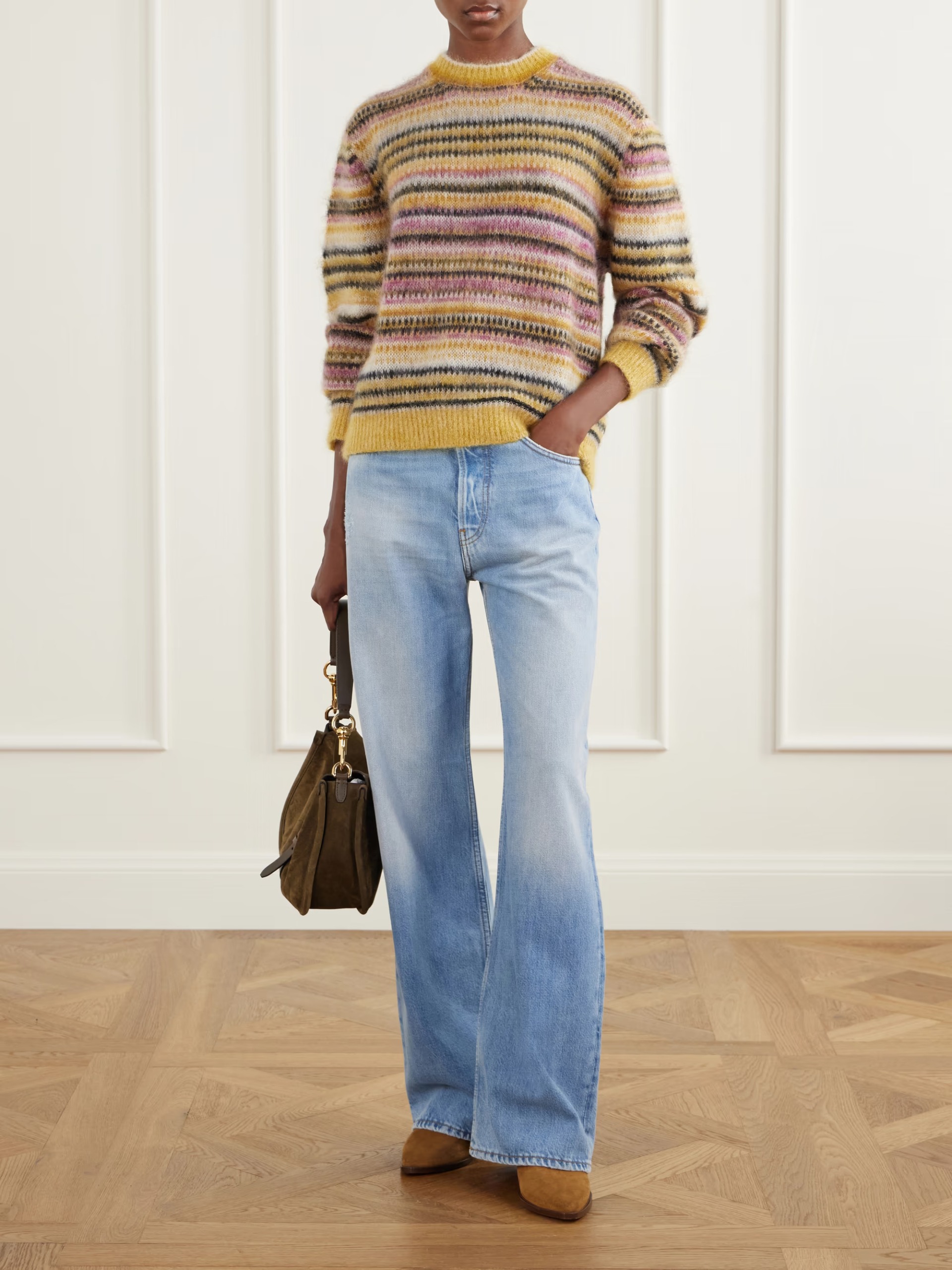
8. Playful Striped Knits
Stripes are an eternal autumn staple, but the 2026 interpretation leans heavily into vibrant, unexpected color combinations. Moving away from traditional nautical motifs, these form-fitting striped sweaters utilize vibrant primary hues and earthy neutrals to inject playfulness into everyday dressing.
- Key Pieces: Reformation Lian Cashmere Crew Sweater, Paul Smith Merino Wool Signature Stripe Cardigan.
Official Responses and Industry Insights
Leading voices within the global fashion community have shared critical perspectives on why this particular shift in knitwear is resonating so deeply with consumers.
"We are witnessing a fundamental psychological shift in how people approach cold-weather dressing," notes a prominent London-based trend forecaster. "During periods of economic and social uncertainty, fashion tends to split into two camps: protective cocooning—exemplified by our massive, ultra-high turtlenecks and heavy chunky cardigans—and radical self-expression, seen in our maximalist prints and asymmetric cuts. Consumers no longer want basic garments; they want conversation starters."
Retail buyers have echoed these sentiments, pointing out that online searches for tactile, detailed knitwear have risen significantly compared to previous quarters. High-street brands and luxury labels alike have responded by fast-tracking production on non-traditional silhouettes, ensuring that accessibility matches consumer demand for individuality.
Implications for the Modern Wardrobe
The arrival of the 2026 knitwear trends carries profound implications for sustainable consumer habits and personal style construction.
For years, capsule wardrobes have heavily favored uniformity, urging consumers to purchase identical crew-necks in neutral shades. However, the 2026 philosophy champions a more dynamic, expressive approach. By investing in statement-making details—such as asymmetric hems, exaggerated necklines, and intricate pointelle stitching—wardrobes become inherently more interesting without requiring a complete overhaul.
Furthermore, the emphasis on high-quality natural fibers (such as recycled cashmere, mohair, and alpaca blends) across these trends underscores a broader industry commitment to longevity. Consumers are increasingly willing to invest in singular, well-crafted statement pieces that will retain their stylistic relevance and structural integrity for years to come.
Ultimately, 2026 proves that knitwear is not merely a seasonal necessity, but an art form—one that invites us to wrap ourselves in texture, proportion, and joy as the temperature drops.
 Siti Muinah
 rifanmuazin
 Muslim
