

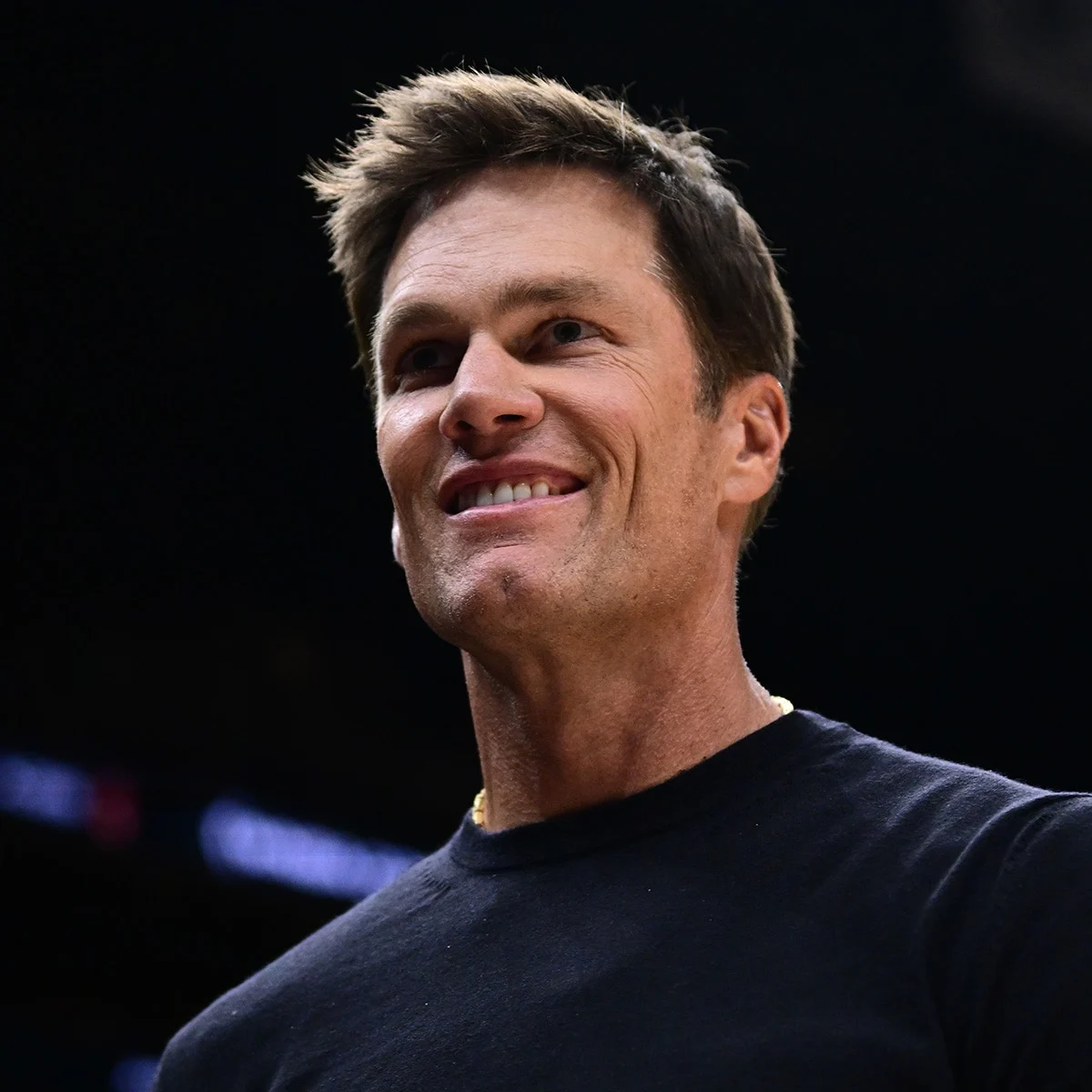
The line between genuine personal animosity and highly orchestrated public relations theater has never been thinner. This boundary was pushed once again at Fanatics Fest in New York City, where seven-time Super Bowl champion Tom Brady and professional wrestler-turned-influencer Logan Paul engaged in a highly publicized physical altercation.
What began as a verbal sparring match on digital platforms culminated in an onstage slap, capturing the attention of millions and reigniting a broader cultural conversation about the nature of modern celebrity conflict.
Main Facts: The Fanatics Fest Incident
On July 17, during the star-studded Fanatics Fest in New York, Tom Brady shifted from his post-NFL role as a sports commentator to active participant in a physical confrontation. Facing off against WWE United States Champion Logan Paul, Brady delivered a sharp slap to Paul’s face while onstage. The physical exchange occurred in front of a live audience and was immediately captured on video, spreading rapidly across TikTok, X (formerly Twitter), and other social media platforms.
The altercation required the intervention of professional athletes on the scene. New York Knicks star Karl-Anthony Towns stepped between the two men to de-escalate the situation. Almost immediately, industry analysts, fans, and media outlets began questioning the authenticity of the dispute, debating whether the clash represented genuine hostility or a carefully staged marketing stunt designed to generate viral engagement for the inaugural festival.
Chronology of the Brady-Paul Friction
The tension between Brady and Paul did not emerge in a vacuum; it is the result of a multi-month digital and verbal exchange.
February 10: The Podcast Catalyst
The groundwork for the confrontation was laid during an episode of Logan Paul’s Impaulsive podcast, titled "Logan Paul TRASH TALKS Tom Brady." During the broadcast, Paul questioned the legendary quarterback’s athletic superiority.
"If you put me and Tom Brady up athletically, I bet I’d be more ‘athletic,’" Paul asserted. He took offense at Brady’s previous description of professional wrestling as "cute," retorting, "I think in many ways, football is also cute. I’m a boxer, and you can probably put most NFL players and basketball players in a ring and they’d probably get their ass kicked by real boxers."
May 10: Brady’s Public Roasting Era
As the tension simmered, Brady continued to lean heavily into aggressive public comedy. During Netflix’s The Roast of Kevin Hart, Brady took the stage not as a target, but as a roaster. He delivered sharp barbs aimed at comedian Chelsea Handler—comparing her unfavorably to Nikki Glaser—and took aim at Hart himself.
"I won seven Super Bowls. Kevin has been in two Ride Along movies," Brady told the crowd. "I’ve won five Super Bowl MVP awards. Kevin, you’re the third most famous person in Jumanji." This public display of sharp-tongued humor cemented Brady’s post-retirement willingness to engage in high-profile verbal combat.
[Feb 10: Impaulsive Podcast] ➔ [May 10: Roast of Kevin Hart] ➔ [July 17: Fanatics Fest Slap]
       (Paul calls NFL "cute")         (Brady showcases roast skills)     (Physical altercation onstage)
July 17: The Slap and Immediate Aftermath
The months of digital posturing culminated at Fanatics Fest. Following the onstage slap, both parties took to social media to continue the narrative. Brady posted the viral video of the incident on X with the caption: "I tried America. Will try again next time I see this nerd."
Paul quickly countered, claiming that the physical response—which he alleged was triggered by him "roasting Tom for beating him in flag football"—set a "horrible example for the kids." Karl-Anthony Towns amplified the moment by reposting the clip with a wide-eyed emoji, leaving the public to parse reality from performance.
Supporting Data: A Taxonomy of Famous Celebrity Feuds
The confrontation between Brady and Paul is part of a long-standing tradition of high-profile feuds that define celebrity culture. These conflicts generally fall into three distinct categories: workplace friction, ideological clashes, and creative or status disputes.
Category 1: Workplace and Production Set Friction
Many of Hollywood’s most enduring feuds begin in the high-pressure environment of television and film sets, where creative differences and ego clashes frequently boil over.
┌────────────────────────────────────────────────────────────────────────┐
│                      NOTABLE WORKPLACE CONFLICTS                       │
├───────────────────┬────────────────────────┬───────────────────────────┤
│ Participants      │ Project                │ Primary Catalyst          │
├───────────────────┼────────────────────────┼───────────────────────────┤
│ Winkler vs. Hanks │ Turner & Hooch (1989)  │ Director Firing (13 Days) │
├───────────────────┼────────────────────────┼───────────────────────────┤
│ Cattrall vs. SJP  │ Sex and the City       │ Salary & Status Disparity │
├───────────────────┼────────────────────────┼───────────────────────────┤
│ Rhimes vs. Heigl  │ Grey's Anatomy         │ Emmy Nomination Withdrawal│
├───────────────────┼────────────────────────┼───────────────────────────┤
│ Johnson vs. Tyrese│ Fast & Furious         │ Spinoff Scheduling Delays │
└───────────────────┴────────────────────────┴───────────────────────────┘- Henry Winkler vs. Tom Hanks: During the production of the 1989 comedy Turner & Hooch, Winkler was hired to direct. He lasted only 13 days before being abruptly fired by producer Jeffrey Katzenberg, reportedly due to a personality clash with star Tom Hanks. Decades later, Winkler publicly acknowledged the friction, noting dryly on Watch What Happens Live that he "got along great, great with that dog."
- Kim Cattrall vs. Sarah Jessica Parker: The co-stars of HBO’s Sex and the City spent years downplaying rumors of animosity. The feud became undeniable when Cattrall declined to participate in a third film, later telling interviewer Piers Morgan that the cast members were "never friends, just colleagues."
- Shonda Rhimes vs. Katherine Heigl: In 2008, Grey’s Anatomy star Katherine Heigl withdrew her name from Emmy consideration, publicly stating she was not "given the material to warrant a nomination." Series creator Shonda Rhimes was deeply stung by the public critique, later remarking to Oprah Winfrey: "When people show you who they are, believe them."
- Dwayne "The Rock" Johnson vs. Tyrese Gibson: This dispute erupted in 2017 when the release of Fast & Furious 9 was delayed to accommodate a spin-off film, Hobbs & Shaw, starring Johnson and Jason Statham. Gibson publicly accused Johnson of fracturing the "Fast Family" for personal gain, even threatening to quit the franchise.
Category 2: Social Media and Ideological Clashes
The rise of digital media has created a new arena for celebrity conflict, where ideological differences are debated in public view.
- Tan France vs. Bobby Berk: Following Berk’s departure from Netflix’s Queer Eye after eight seasons, rumors circulated of a severe rift between him and fashion expert Tan France. Berk eventually confirmed a personal situation had been "brewing," while France was forced to publicly deny accusations that he had campaigned to have Berk replaced by interior designer Jeremiah Brent.
- JoJo Siwa vs. Candace Cameron Bure: This multi-phase feud began when Siwa labeled Bure the "rudest celebrity" she had ever met in a TikTok challenge, citing a red-carpet snub from her childhood. Though Bure apologized, the feud reignited when Bure publicly stated her network, Great American Family, would prioritize "traditional marriage" over LGBTQ+ storylines, drawing sharp criticism from the openly queer Siwa.
- Maren Morris & Cassadee Pope vs. Brittany Aldean: In August 2022, Brittany Aldean, wife of country star Jason Aldean, posted a makeup tutorial with a caption thanking her parents for "not changing my gender" during her childhood tomboy phase. Country artists Cassadee Pope and Maren Morris condemned the post as transphobic, sparking a massive social media war within the country music industry.
- Sharon Osbourne vs. Ashton Kutcher: In 2023, Sharon Osbourne labeled Kutcher the rudest celebrity she had ever met, calling him a "dastardly little thing." The animosity stemmed from a 2014 appearance by Kutcher on The Talk, where Osbourne claimed he exhibited an "attitude" after she mispronounced his name.
Category 3: Creative Copying and Status Disputes
At the highest levels of the music and entertainment industries, feuds often center on artistic ownership, credit, and industry dominance.
- Courtney Love vs. Olivia Rodrigo: In 2021, grunge icon Courtney Love accused pop star Olivia Rodrigo of plagiarism, pointing out similarities between Rodrigo’s Sour Prom promotional imagery and the cover of Hole’s classic 1994 album Live Through This.
- Madonna vs. Elton John: This legendary feud began in 2004 when Elton John publicly criticized Madonna’s nomination for Best Live Act at the Q Awards, declaring: "Since when has lip-syncing been live?… Anyone who lip-syncs in public on stage, when you pay like 75 quid to see them, should be shot."
- Nicki Minaj vs. Cardi B: A rivalry over the crown of mainstream hip-hop culminated in a physical altercation at the 2018 Harper’s Bazaar Icon party during New York Fashion Week. Cardi B later cited Minaj’s alleged criticism of her parenting skills as the breaking point that led to physical confrontation.
- Kanye West vs. Taylor Swift: One of the most famous feuds in modern pop culture history began at the 2009 MTV Video Music Awards when West interrupted Swift’s acceptance speech. Despite brief reconciliations, the feud solidified in 2016 over the lyrics of West’s song "Famous."
- Taylor Swift vs. Katy Perry: A years-long dispute over the hiring of backup dancers for competing arena tours inspired Swift’s hit song "Bad Blood." The feud finally ended in 2018 when Perry sent Swift a literal olive branch ahead of her Reputation stadium tour.
- Mariah Carey vs. Jennifer Lopez: Originating in the early 2000s, this feud was immortalized during a German television interview when Carey, asked for her thoughts on Lopez, simply responded with the iconic phrase: "I don’t know her."
Official Responses and Public Management
The resolution or continuation of these high-profile feuds depends heavily on public relations management and strategic messaging.
┌────────────────────────────────────────────────────────────────────────┐
│                    STRATEGIC PUBLIC PRONOUNCEMENTS                     │
├─────────────────┬───────────────────┬──────────────────────────────────┤
│ Public Figure   │ Opponent          │ Nature of Statement              │
├─────────────────┼───────────────────┼──────────────────────────────────┤
│ Tyrese Gibson   │ Dwayne Johnson    │ Professional Regret / Apology    │
├─────────────────┼───────────────────┼──────────────────────────────────┤
│ Tan France      │ Bobby Berk        │ Clarification of Casting Process │
├─────────────────┼───────────────────┼──────────────────────────────────┤
│ Candace C. Bure │ JoJo Siwa         │ Direct Apology / Reconciliation  │
├─────────────────┼───────────────────┼──────────────────────────────────┤
│ Sarah J. Parker │ Kim Cattrall      │ Expression of Grief/Heartbreak   │
└─────────────────┴───────────────────┴──────────────────────────────────┘
When disputes threaten to damage valuable commercial partnerships, celebrities often issue highly structured statements to regain control of the narrative. For example, Tyrese Gibson eventually expressed regret over his public attacks on Dwayne Johnson, admitting on The Red Pill podcast: "I found myself being the messenger on behalf of various people… stupid me was the only one who went public… It’s not professional, it’s not cool."
Similarly, Tan France took to Instagram to defend himself against rumors that he had gotten Bobby Berk fired from Queer Eye: "Netflix and the production companies did a full-on casting… I didn’t get them hired by getting rid of somebody else."
In contrast, some figures choose to express emotional distress rather than combativeness. Sarah Jessica Parker described her reaction to Kim Cattrall’s public disavowal of their friendship as "heartbroken," framing their shared history as "a professional experience but it became personal because it was years and years of our lives."
Implications: The Monetization of Celebrity Conflict
The physical altercation between Tom Brady and Logan Paul highlights a growing trend in the entertainment industry: the monetization of conflict. In an economy driven by digital metrics, attention is the primary currency. A highly publicized feud, whether real or staged, serves as a powerful tool for driving engagement, promoting events, and keeping public figures relevant.
                      ┌─────────────────────────┐
                      │   Public Confrontation  │
                      └────────────┬────────────┘
                                   │
                     ┌─────────────┴─────────────┐
                     ▼                           ▼
        ┌─────────────────────────┐ ┌─────────────────────────┐
        │  Organic Hostility      │ │     Calculated Stunt    │
        │  • Real personal hurt   │ │  • Generates media buzz │
        │  • High legal risk      │ │  • Drives event sales   │
        │  • Damages brands       │ │  • Boosts algorithms    │
        └─────────────────────────┘ └─────────────────────────┘
For Logan Paul, a veteran of the WWE and influencer boxing, the "kayfabe" style of staged rivalry is a standard business practice. For Tom Brady, whose personal brand has historically been built on discipline and athletic perfection, participating in these viral moments represents a transition into mainstream entertainment and digital media.
As sports, lifestyle branding, and digital influence continue to merge, the line between authentic human disagreement and strategic marketing will likely disappear entirely. Whether the Fanatics Fest slap was born of real frustration or a creative brainstorming session, it succeeded in its primary goal: ensuring that, once again, all eyes were on the competitors.
 Siti Muinah
 Nana
Nana
 Lina Irawan
