

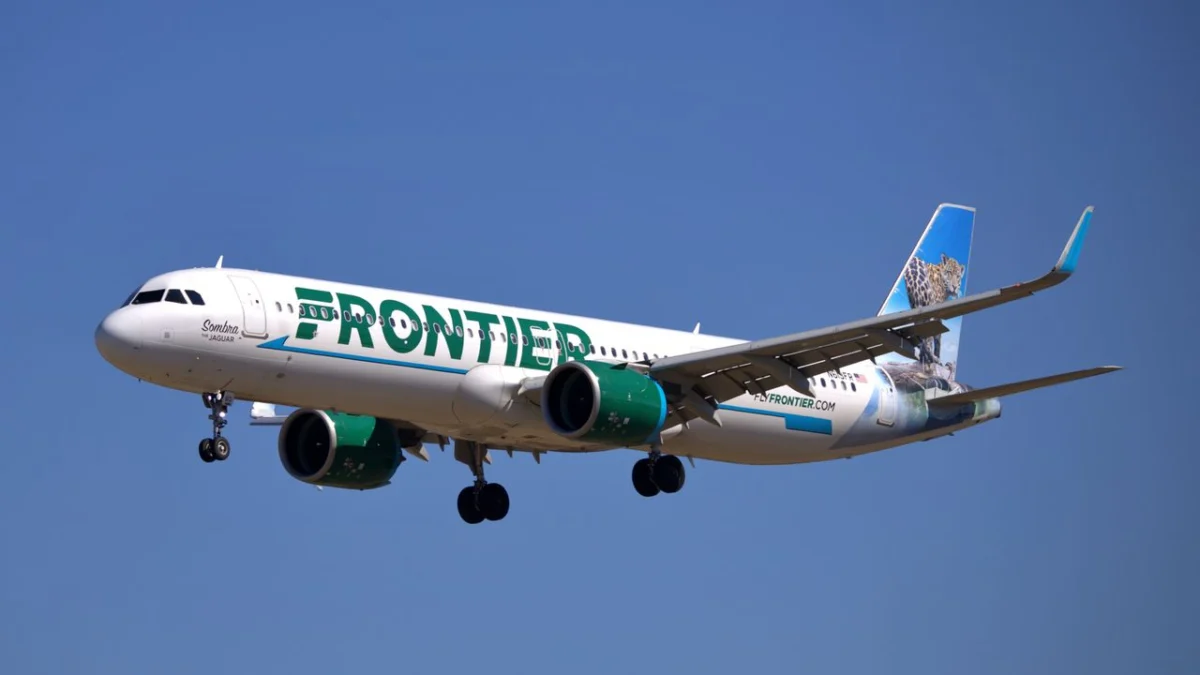
There are few travel victories as gratifying as securing a flight for a price point that rivals the cost of a casual dinner out. In an era where airfare fluctuations often dominate travel budgets, Frontier Airlines has carved out a formidable niche. Since its inception in 1994, the Denver-based carrier has evolved from a regional player into one of the United States’ most prominent ultra-low-cost carriers (ULCCs). With an expansive network spanning the U.S., Mexico, the Caribbean, and Central America, Frontier has built a loyal, budget-conscious following by decoupling the cost of the seat from the price of the journey.
However, navigating the world of "a la carte" aviation requires a specific set of skills. The secret to maximizing value on Frontier isn’t just about finding the lowest base fare—it’s about understanding the complex, multi-layered ecosystem of discounts, membership tiers, and loyalty incentives that the airline has meticulously constructed.
Main Facts: The ULCC Model Defined
At its core, Frontier operates on a high-volume, low-margin model. By stripping away the traditional amenities found in legacy carriers—such as complimentary snacks, seat assignments, and carry-on allowances—the airline offers base fares that can frequently dip below the $20 threshold.
For the savvy traveler, this presents a unique opportunity: you only pay for what you need. If you are a light traveler capable of navigating a weekend trip with only a personal item, the savings are significant. If, however, you require checked luggage and premium seating, those costs are added incrementally. The strategy for the modern traveler is to treat the base fare as the "entry ticket" and utilize the airline’s various discount programs to mitigate the cost of necessary add-ons.
A Chronological Evolution: From Denver Startup to National Powerhouse
The story of Frontier is one of strategic expansion and market adaptation.
- 1994–2000: The Foundation. Founded in Denver, Colorado, Frontier initially positioned itself as a standard low-cost carrier, focusing on filling the vacuum left by the collapse of previous Denver-based airlines.
- 2001–2010: The Pivot to Efficiency. Following the industry-wide downturn in the early 2000s, Frontier began refining its cost structure, focusing heavily on operational efficiency and fleet standardization to lower maintenance and fuel costs.
- 2013: The Ultra-Low-Cost Transformation. A pivotal moment occurred in 2013 when the airline was acquired by Indigo Partners. This marked the shift toward the "ultra-low-cost" model, where the brand began to focus aggressively on unbundling its services to drive base prices to record lows.
- 2015–2024: Digital Integration and Loyalty. The airline began to heavily invest in its digital infrastructure, launching robust mobile apps and sophisticated loyalty programs, such as the "Discount Den," to encourage direct bookings and repeat business.
- 2025 and Beyond. Today, the airline is focusing on sustainability and customer experience enhancements, integrating new, fuel-efficient aircraft into its fleet while expanding its "GoWild" pass program to cater to the growing demographic of remote workers and flexible-schedule travelers.
Supporting Data: Strategies for Maximum Savings
To truly master the Frontier experience, one must move beyond the basic search engine results. The airline’s internal data shows that passengers who engage with their loyalty ecosystem save, on average, 30% more on annual travel costs compared to those who book as "guest" users.
1. The Power of the "Discount Den"
The Discount Den is the cornerstone of the Frontier loyalty strategy. For a modest annual fee (currently discounted, as noted in recent promotions), members gain access to the lowest available fares. Crucially, these discounts apply to up to six people on a single reservation. This makes it an indispensable tool for families or groups of friends traveling together. The return on investment for a single round-trip group booking often covers the cost of the membership itself.
2. The "Kids Fly Free" Initiative
One of the most family-centric policies in the aviation industry is Frontier’s "Kids Fly Free" program. By utilizing the Discount Den membership, parents can secure a free ticket for a child under 15 for every one adult fare purchased on select flights. This is a game-changer for families looking to offset the astronomical costs of school-break travel.
3. The GoWild! Pass: Freedom for the Flexible
For those whose schedules are dictated by whim rather than a rigid calendar, the GoWild! Pass is the ultimate disruptor. Available in seasonal or annual iterations, the pass allows holders to book flights for a base fare of $0.01 (plus taxes and fees) as close as the day before departure. While the "spontaneity tax" is the requirement to book last-minute, the sheer value proposition for frequent travelers is virtually unmatched in the industry.
4. Miles and Credit Card Integration
Frontier’s loyalty program, Frontier Miles, rewards travelers with 10 miles per dollar spent, with Elite status members earning up to 20 miles per dollar. When combined with the Frontier Airlines World Mastercard, the earning potential accelerates. New cardholders can often secure massive sign-up bonuses (such as 60,000 miles), which can translate into several free domestic flights within the first year of card ownership.
Official Responses and Corporate Philosophy
Frontier’s leadership has consistently maintained that their pricing strategy is designed to democratize travel. In various investor communications and public statements, the airline has emphasized that by unbundling costs, they provide a "blank canvas" for the passenger.
"We believe that everyone should have the ability to see the world," a company spokesperson recently noted. "By removing the overhead of legacy airline costs, we empower our customers to build their own travel experience. Whether you are a backpacker looking for a $19 flight or a family needing a bundled package with checked bags, our model allows you to choose exactly what you value."
The airline’s commitment to "green" aviation is also a core pillar of their public response to consumer concerns. By operating one of the most fuel-efficient fleets in the U.S. aviation industry, Frontier argues that they are not only keeping prices low but also reducing the per-passenger carbon footprint of every flight.
Implications: The Future of Budget Travel
The rise of the Frontier model has sent ripples throughout the global aviation market. Legacy carriers have been forced to respond, often introducing "Basic Economy" tiers that mimic the unbundled nature of Frontier’s model. However, the implication for the consumer is clear: the era of the "all-inclusive" airline ticket is fading.
The future belongs to the "informed consumer." Travelers can no longer rely on a one-size-fits-all approach to flight booking. Instead, successful travel planning now requires:
- Proactive Planning: Signing up for email alerts to catch the "one-day-only" fare drops.
- Strategic Bundling: Recognizing when it is cheaper to buy a "bundle" of bags and seats during the initial booking rather than paying for them at the gate.
- Loyalty Commitment: Choosing one carrier and sticking to it to maximize the compounding value of miles and status.
As we look toward 2026, the competitive landscape suggests that Frontier will continue to innovate. With rumors of expanded international routes and potential enhancements to the GoWild! Pass, the airline is positioning itself to be the primary gateway for the next generation of travelers who value experiences over luxury.
Ultimately, the goal is to ensure that the money saved on the transit remains in your pocket, ready to be spent on what truly matters: an extra night in a boutique hotel, a guided tour through a historic city center, or an alfresco dinner in a destination you hadn’t planned on visiting just a week prior. The tools are available; the question is simply how effectively you choose to use them.
 Asro
Asro
 Siti Muinah
