

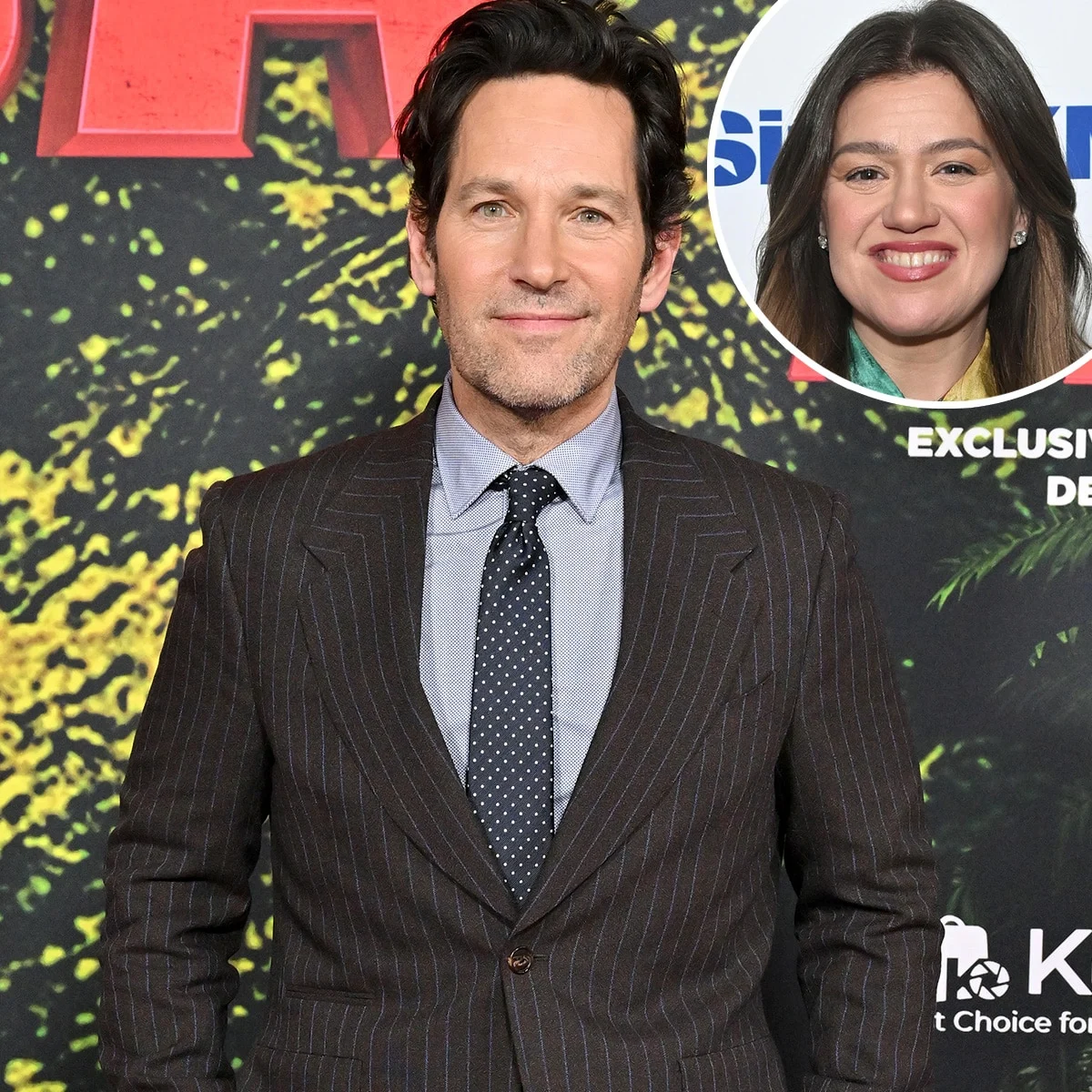
In the modern age of celebrity culture, the relationship between public figures and the businesses they patronize has become increasingly fragile. A single negative customer experience, once confined to word-of-mouth or private frustration, can now ignite a global firestorm within minutes thanks to the reach of social media. This phenomenon was on full display in mid-October 2024, when global pop superstar and television host Kelly Clarkson took to the platform X (formerly Twitter) to air a grievance against a boutique novelty shop in Brooklyn, New York, known as Art of Play.
The incident, which quickly escalated into a viral "feud," has not only brought unwanted international attention to a niche curiosity shop but has also sparked a broader conversation about celebrity entitlement, the nature of retail service, and the potential dangers of public call-outs in the digital era.
The Genesis of the Conflict: A "Pretty Woman" Moment
On October 10, 2024, Kelly Clarkson, the Grammy-winning powerhouse behind hits like "Since U Been Gone," visited the Brooklyn-based Art of Play store. According to Clarkson, her visit was motivated by a genuine interest in the shop’s unique inventory, specifically a high-end mechanical singing bird automaton named "Molly," which carried a steep price tag of $15,000.
However, the shopping excursion took a turn that left the singer feeling marginalized. In her post on X, Clarkson described the encounter as dismissive and condescending. "Just drove all the way to Brooklyn to check out this store I thought looked really rad and had a few things in mind to buy and literally was looked at as if I couldn’t afford it and was told he could find something comparable for me," she wrote.
Clarkson did not mince words, characterizing the shop’s staff as elitist and suggesting that they had made a grave error in judgment. "Wow, dude. You’re an idiot and just lost a huge sale," she added. In a nod to the 1990 classic film Pretty Woman, she famously suggested that her followers should visit the store only if they "enjoy being treated like a Julia Roberts character"—a reference to the movie’s iconic scene where a sales clerk refuses to assist a customer based on her appearance.
Chronology of the Controversy
The rapid timeline of the "Art of Play" incident illustrates how quickly localized retail friction can morph into a national narrative.
- October 10: Kelly Clarkson visits the store and publishes her grievances on X. The post gains immediate traction, prompting a wave of support for the singer and an influx of negative attention toward the store.
- October 13: Journalist and podcaster Pablo Torre shares security footage of the interaction. The footage provides the public with a visual record of the event, showing Clarkson browsing the store, interacting with items, and holding a brief conversation with a staff member before departing.
- October 13: Co-owner Adam Rubin speaks with New York magazine, providing the store’s perspective on the situation and lamenting the "tweetstorm" that followed.
- October 21: Marvel star Paul Rudd is spotted visiting the storefront, clad in a black hoodie and grey trousers. His appearance at the scene, days after the controversy, fueled widespread speculation that he was performing his own "site investigation" or simply checking the pulse of the now-infamous shop.
The Store’s Defense and the "Molly" Factor
As the internet took sides, Art of Play found itself under siege. Adam Rubin, a co-owner of the establishment, expressed genuine shock at the severity of the reaction. In his interview with New York magazine, Rubin insisted that the interaction was far more mundane than the narrative suggested.
"If this tweetstorm had not happened, we wouldn’t have realized there was a negative interaction in the shop; it was that undramatic," Rubin stated. "We treated her like a normal person, but apparently that didn’t live up to her expectations."
Rubin also addressed the "elephant in the room"—the $15,000 mechanical bird. He clarified that Molly was not a standard retail item sitting on a shelf for casual purchase. Rather, Art of Play acts as a curator, working directly with artisans like creator Bliss Kolb. While the bird had a price listed, it was intended as a bespoke piece. If a client were to express serious, committed interest, the shop would then coordinate with the artisan to facilitate the purchase.
In a display of tongue-in-cheek defiance, the store later updated the price of their mechanical birds to a hyperbolic $15 million, citing "popular demand"—a move that some saw as a savvy marketing pivot, while critics viewed it as a dismissive jab at the situation.
The Dangers of Public Scrutiny
The most striking element of the store’s response was the claim of safety concerns. Rubin alleged that the fallout from Clarkson’s post resulted in real-world harassment. "Kelly Clarkson has put us in danger," he claimed. "People are getting threatened on the street, and the worst part is we didn’t know this was going to happen but Kelly Clarkson did."
This highlights the double-edged sword of celebrity influence. With millions of followers, a public figure’s critique can function as a "dog whistle" for fans, sometimes leading to unintended consequences such as review bombing, harassment, or threats against small business owners who may lack the resources to manage a full-scale PR crisis.
Implications for Retail and Celebrity Dynamics
The Art of Play incident serves as a case study for the evolving relationship between celebrities and the public sphere. Traditionally, celebrities were insulated from the day-to-day indignities of retail. When those worlds collide, the power dynamic is inherently skewed.
The "Service" Expectation
Is there a standard for how a celebrity should be treated? The store’s argument—that they treated Clarkson like a "normal person"—is the cornerstone of egalitarian retail. However, in the luxury and specialty goods sector, high-end boutiques often pride themselves on a "clienteling" approach that involves specialized, white-glove service. When a customer—celebrity or otherwise—feels that the level of service does not match the perceived exclusivity of the shop, friction is inevitable.
The Power of the Platform
The ease with which Clarkson could leverage her platform to damage the reputation of a small business is a reminder of the fragility of digital reputations. While Clarkson was exercising her right to express an opinion, the sheer scale of the reaction demonstrates that the line between "consumer feedback" and "digital vigilante justice" is increasingly blurred.
Historical Context: A Legacy of Celebrity Feuds
The conflict between Clarkson and Art of Play is far from an isolated incident. Throughout the decades, celebrity feuds—ranging from professional disagreements to personal slights—have shaped public discourse.
The history of these conflicts is as diverse as the celebrities themselves. Whether it is the long-standing tension between Sex and the City co-stars Sarah Jessica Parker and Kim Cattrall regarding the nature of their professional relationship, or the heated altercation between Nicki Minaj and Cardi B at a New York Fashion Week event, these moments often reveal deeper complexities about ego, brand management, and the expectations of public behavior.
Similarly, conflicts such as the "Bad Blood" era between Taylor Swift and Katy Perry, or the public disagreements between Sharon Osbourne and Ashton Kutcher, demonstrate that even minor personal differences can be amplified by a media apparatus that thrives on confrontation.
Conclusion: Lessons from the Brooklyn Shop
As of late October 2024, the "Art of Play" feud remains a prominent example of how a localized disagreement can become a viral touchstone. For the store, the incident has resulted in both unwanted notoriety and a surge in visibility. For Kelly Clarkson, the moment served as an outlet for frustration, though it also invited criticism regarding the use of one’s platform to potentially harm small businesses.
Ultimately, the event serves as a cautionary tale for both high-profile figures and business owners. For businesses, it highlights the importance of consistent, professional, and observant customer service, even when dealing with anonymous shoppers who may be high-net-worth individuals in disguise. For celebrities, it reinforces the reality that in an era of instant digital communication, the weight of one’s words is magnified exponentially, carrying with it the potential for unintended and long-lasting consequences.
As the dust settles, the Brooklyn novelty shop continues to operate, now forever linked to a moment of "Pretty Woman" drama, while the public remains fascinated by the intersection of fame and the mundane. The incident may fade from the headlines, but the questions it raises about accountability, service, and the power of the internet are likely to remain central to the discourse of modern celebrity culture.
 Nana
 Lina Irawan
 Nila Kartika Wati
