

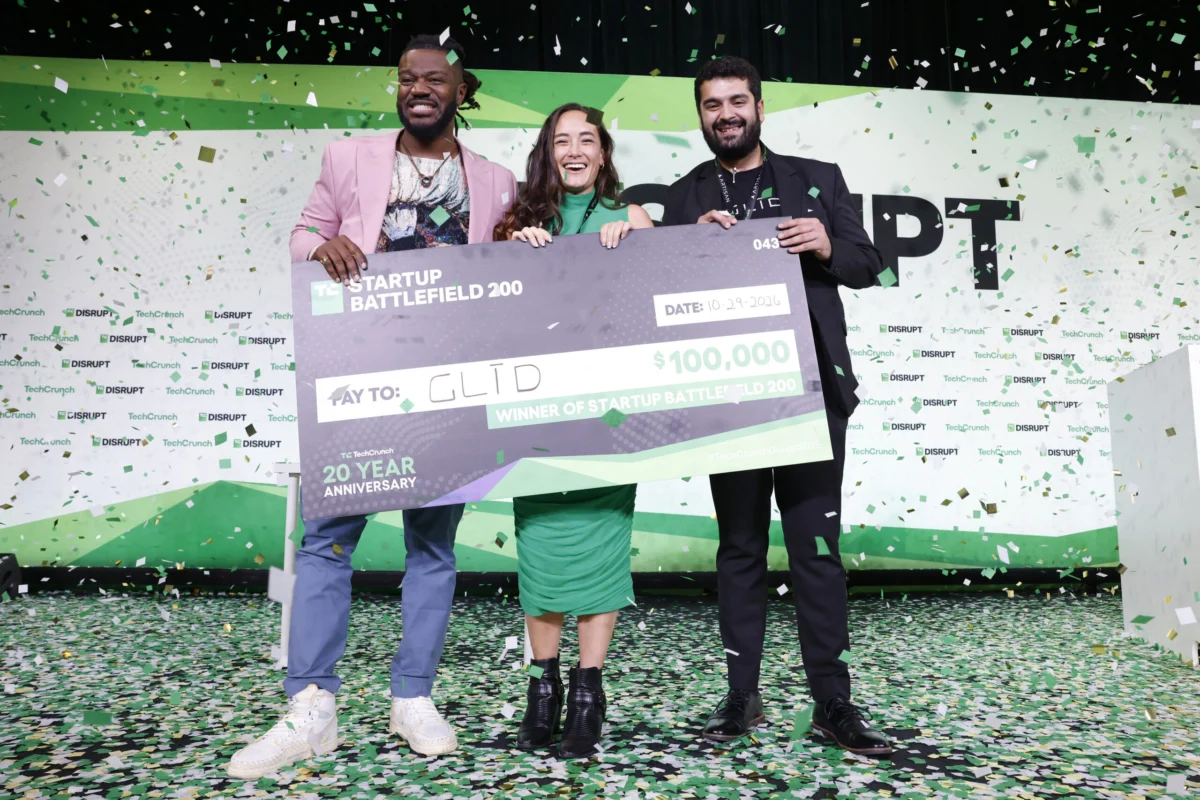
What if one pitch changed everything? For the majority of founders, the journey from an idea in a garage to a global market leader is a grueling, decade-long slog. But occasionally, history proves that the trajectory of a company can be altered in less than ten minutes.
In 2017, when TechCrunch last brought the Startup Battlefield to Sydney, two then-unknown startups stepped onto the stage with little more than a vision and a deck. That single afternoon in Australia served as the catalyst for over $85 million in venture capital funding. Now, as the countdown to August 19, 2026, begins, TechCrunch is returning to Sydney in partnership with Stripe, offering a new generation of Australian innovators the same life-changing opportunity.
With the application deadline fast approaching on July 6, the local tech ecosystem is bracing for a high-stakes competition that promises to propel the next wave of Australian unicorns onto the global stage.
The Proven Path: A Chronology of Success
To understand the weight of the upcoming event, one must look at the historical precedent set by the 2017 iteration of Startup Battlefield Australia.
2017: The HealthMatch Breakthrough
Manuri Gunawardena, then a final-year medical student, stepped onto the stage with HealthMatch, a machine learning platform designed to solve one of the most stubborn problems in medicine: connecting patients to clinical trials. Her pitch wasn’t just a presentation; it was a masterclass in identifying a systemic inefficiency.
Following her victory at the Battlefield, HealthMatch experienced an explosive growth trajectory. The company has since raised over $25 million in capital, expanded its operations into the United States, and—most significantly—facilitated access to life-saving clinical trials for over one million patients globally. Gunawardena’s success remains a blueprint for how technical acumen, when combined with a global platform, can bridge the gap between academic innovation and market dominance.
The Runner-Up: FluroSat’s Evolution
The story of the 2017 runner-up, FluroSat, provides a different but equally compelling narrative of success. Utilizing the immense exposure gained from the Startup Battlefield stage, FluroSat secured a critical seed round from Microsoft.
The company’s trajectory highlights the power of "signal" in the venture capital world. FluroSat eventually merged into the agricultural technology powerhouse Regrow Agriculture. Today, Regrow has secured more than $60 million in funding and boasts a cap table that reads like a who’s-who of the global investment community, including Microsoft, Airtree, and Cargill. This transition from a regional startup to an essential pillar of global sustainable agriculture serves as a testament to the long-term impact of the exposure provided by the TechCrunch stage.
The Stakes: Why August 19, 2026, Matters
The upcoming event, held in conjunction with Stripe Tour Sydney, is not merely a local pitch competition; it is a strategic gateway to the international market.
The Selection Process and Competition
Eight startups will be carefully selected to pitch live on stage. These founders will be performing in front of an audience comprising the highest tier of venture capitalists, global media representatives, and the most influential figures in Australia’s technology community.
The top three finishers will receive a tangible boost in the form of up to $15,000 in Stripe fee credits. However, the most coveted prize is the grand title. The winner will be granted automatic entry into the prestigious Startup Battlefield 200 at TechCrunch Disrupt in San Francisco this October. This bypasses the rigorous, often opaque application process, granting the winner an immediate, guaranteed spot on one of the world’s most iconic startup stages.
Supporting Data: The Global Scaling Imperative
For Australian founders, the "tyranny of distance" has long been a perceived hurdle to scaling. However, data suggests that this is rapidly changing. Australian tech exports have reached record highs, and the cross-pollination between the Australian ecosystem and Silicon Valley is at an all-time peak.
The $85 million raised by the 2017 Battlefield cohort in Sydney represents only a fraction of the latent potential in the region. Recent market reports indicate that Australian startups are increasingly "born global," with a focus on SaaS, climate tech, and biotech sectors that align perfectly with the interests of global institutional investors.
By providing a direct pipeline to San Francisco, TechCrunch is effectively shortening the time-to-market for Australian startups. For a founder, the difference between cold-emailing a Sand Hill Road VC and being introduced via a TechCrunch-backed platform is the difference between a rejection and a term sheet.
Expert Insight: The Philosophy of the Pitch
Isabelle Johannessen, who leads the Startup Battlefield, brings a unique perspective to the selection process. With a background in international acceleration programs across Japan, Korea, Italy, and Spain, Johannessen emphasizes that a great pitch is about more than just numbers.
"We look for founders who are not only solving a significant problem but who understand the narrative of their own business," Johannessen notes. Her approach, which blends the strategic rigor of her Master’s in Entrepreneurship & Disruptive Innovation with the communication skills honed during her past life as a professional singer, is designed to help founders cut through the noise.
"The next company that changes the world might be building in silence right now," says Johannessen. "Our role is to find that company, amplify its signal, and ensure the founders are prepared for the scrutiny and the opportunities that follow the spotlight."
Implications: Building the Next Generation
The implications of this event extend far beyond the winning company. When a local startup gains global recognition, it elevates the entire ecosystem. It attracts more venture capital interest to the region, encourages local talent to stay in the sector, and builds the institutional knowledge required to scale companies to the "unicorn" level.
Addressing the "Quietly Brilliant"
There is a segment of the Australian tech community that has been operating "under the radar." These are the teams building world-class infrastructure in cybersecurity, renewable energy, and AI that are, by nature, difficult to market to a general audience. The Startup Battlefield provides a structured environment where these companies can translate technical complexity into investor-ready narratives.
The Operational Reality
For those planning to apply, the reality of the event is grounded in high-level networking. Unlike a standard pitch competition, the collaboration with Stripe ensures that the event is attended by the people who build the financial rails of the internet. For a founder, the networking opportunities occurring off-stage are arguably as valuable as the pitch itself.
How to Apply: The Final Call
The window of opportunity is closing rapidly. With only six days left before the July 6 deadline, founders must prepare their materials with precision.
The application process is designed to be accessible:
- Free to Apply: There is no financial barrier to entry.
- No Equity Taken: TechCrunch does not take equity from startups, ensuring that the competition remains a pure signal of merit.
- The In-Person Requirement: The event is live in Sydney, emphasizing the importance of presence, energy, and the ability to command a room.
The next company that nobody has heard of yet—the one that will define the next decade of its sector—is currently finalizing its pitch. Whether it is a disruptive fintech solution, a breakthrough in green energy, or a revolutionary AI application, the Startup Battlefield is the most efficient engine for turning a promising idea into a global enterprise.
For those ready to step into the spotlight, the link is clear: Apply here.
The clock is ticking. History is waiting to be written on August 19, 2026. Will you be the one holding the microphone?
Disclaimer: When you purchase through links in our articles, we may earn a small commission. This doesn’t affect our editorial independence.
 Asep Darmawan
 Siti Muinah
 Ali Ikhwan
