

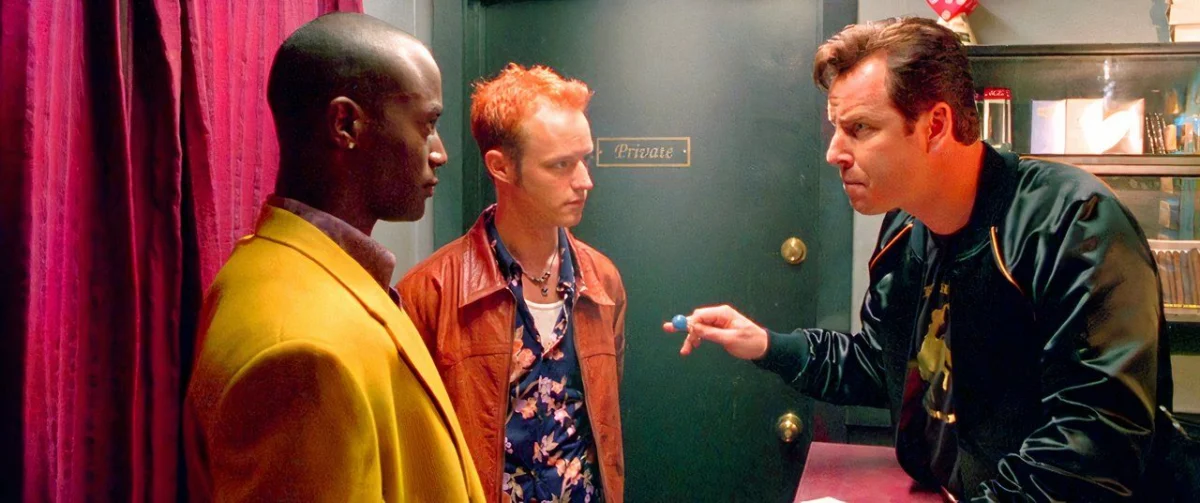
In the pantheon of 1990s cinema, there exists a specific, hyper-stylized subgenre that defined the cultural zeitgeist: the post-Tarantino crime caper. These films were characterized by snappy, pop-culture-obsessed dialogue, non-linear narratives, a penchant for "cool" violence, and a revolving door of quirky, morally ambiguous characters. While Pulp Fiction (1994) served as the genre’s Big Bang, the decade was littered with fascinating satellites that orbited its influence. Among these, the 1999 film Go stands as arguably the most energetic, structurally sound, and tragically overlooked entry. Now that Go has surfaced on Netflix, it is time for a new generation to discover the electric, neon-soaked chaos that was nearly swallowed whole by the technological juggernaut of The Matrix.
The Anatomy of a Forgotten Masterpiece
At its core, Go is a comedy of errors set against the backdrop of a frantic, drug-fueled Christmas Eve in Los Angeles. Directed by Doug Liman—who would later go on to helm massive blockbusters like The Bourne Identity and Mr. & Mrs. Smith—the film follows an anthology structure, weaving together three distinct but overlapping stories.
The narrative architecture is reminiscent of a frantic, late-night rave. The first segment follows Ronna (Sarah Polley), a supermarket clerk on the verge of eviction who decides to dip her toes into the world of drug dealing to make ends meet. The second segment introduces Adam and Zack (Scott Wolf and Jay Mohr), two soap opera actors caught in a police sting operation. The final arc follows Simon (Desmond Askew), the catalyst for much of the film’s madness, whose disastrous trip to Las Vegas serves as the connective tissue that binds the disparate plot threads into a singular, cohesive explosion of momentum.
Chronology of a Misunderstood Release
To understand why Go remains a "hidden gem" rather than a household name, one must look at the calendar of 1999. It is widely regarded as the greatest year in film history, but that density of quality was a double-edged sword for mid-budget, high-concept projects.
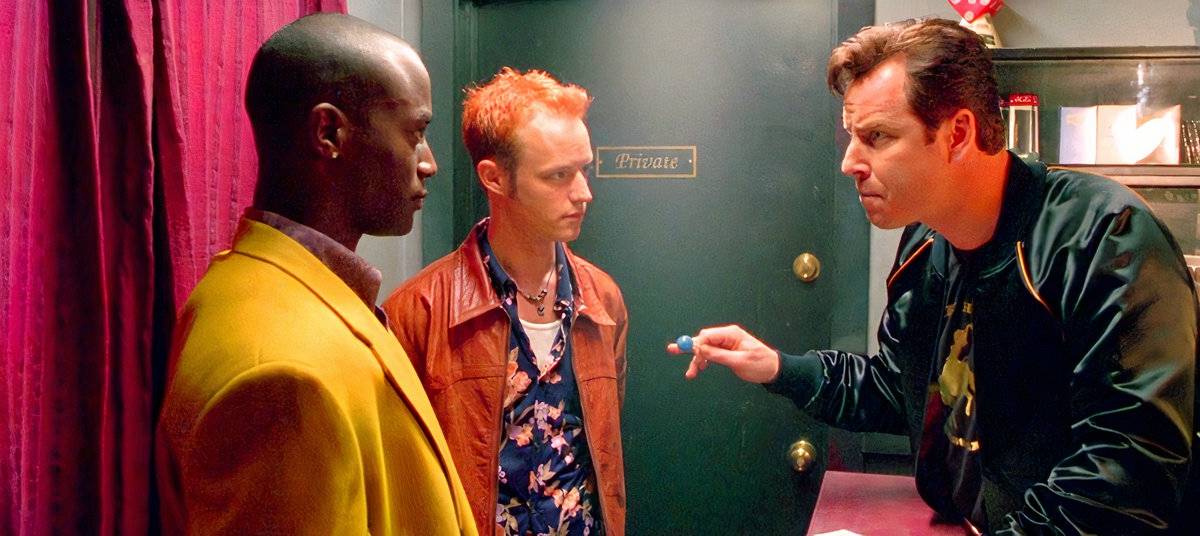
- April 9, 1999: Go is released in theaters with moderate critical acclaim, drawing praise for its wit and kinetic energy.
- March 31, 1999: The Matrix is released. By the time Go hit screens nine days later, the cultural oxygen had been entirely sucked out of the room. The Wachowskis’ vision of bullet-time and dystopian philosophy became the immediate dominant narrative of 1999.
- The Aftermath: While Go performed decently at the box office, it lacked the "event film" status required to maintain long-term cultural dominance in a year featuring Star Wars: Episode I – The Phantom Menace and Fight Club.
In terms of cultural retention, The Matrix acted as a hydrogen bomb, leaving Go as the proverbial "coughing baby." While The Matrix set the stage for the gritty, leather-clad, techno-heavy aesthetic that would define the 2000s, Go represented the final, glorious hurrah of the 90s indie-cool aesthetic.
Supporting Data: A Who’s Who of Future Icons
One of the most compelling reasons to revisit Go in 2026 is the sheer density of talent in its ensemble cast. The film serves as a time capsule, capturing several future A-listers at the very precipice of their superstardom.
The cast list reads like a roadmap of 21st-century Hollywood:
- Timothy Olyphant: Before he was the stoic lawman of Justified, he was Todd, the scumbag drug dealer with a menacing, unpredictable charm.
- Melissa McCarthy: A brief but memorable appearance highlights her early comedic prowess long before Bridesmaids or SNL.
- Jane Krakowski: Bringing her signature sharp timing to the screen before her iconic turn in 30 Rock.
- Taye Diggs: Stealing scenes with effortless charisma, foreshadowing his later successes in Rent and Equilibrium.
- Katie Holmes: Riding the massive wave of her Dawson’s Creek popularity, anchoring the film’s youth-oriented appeal.
The performances are grounded, authentic, and refreshingly devoid of the "prestige" posturing that often bogs down modern crime dramas. These characters feel like real people caught in the machinery of a very bad night.

Official Responses and Critical Reception
At the time of its release, the critical consensus was largely positive. Roger Ebert, the legendary critic, noted that the film was "a lot of fun," praising the way it managed to juggle its various storylines without losing the audience’s attention. The film currently holds a high approval rating on aggregate review sites, often cited by cinephiles as one of the most underrated movies of the 90s.
However, the industry response at the time was tempered by the shifting tides of the studio system. Studios were moving away from the "quirky, dialogue-heavy, low-budget crime caper" in favor of the high-octane, VFX-heavy spectacles that dominated the new millennium. Go was, in many ways, the last of its kind—a film that prioritized character and dialogue over spectacle, only to find itself competing in a market that had already moved on.
Implications: The End of an Era
The decline of the "post-Tarantino" subgenre had profound implications for independent cinema. The late 90s saw a massive influx of studio money into "edgy" content. When the market shifted toward the "techno-dystopia" of the early 2000s, the quirky, grounded crime films were effectively relegated to the bargain bin.
We saw this shift in real-time. Where we once received four to six films a year that prioritized sharp, conversational writing and ensemble character work, the industry pivoted toward the "slow-motion fight scene" template. Even directors who started in the independent scene, such as Quentin Tarantino, began to adapt their style to include larger-scale, stylistic combat (as seen in Kill Bill).
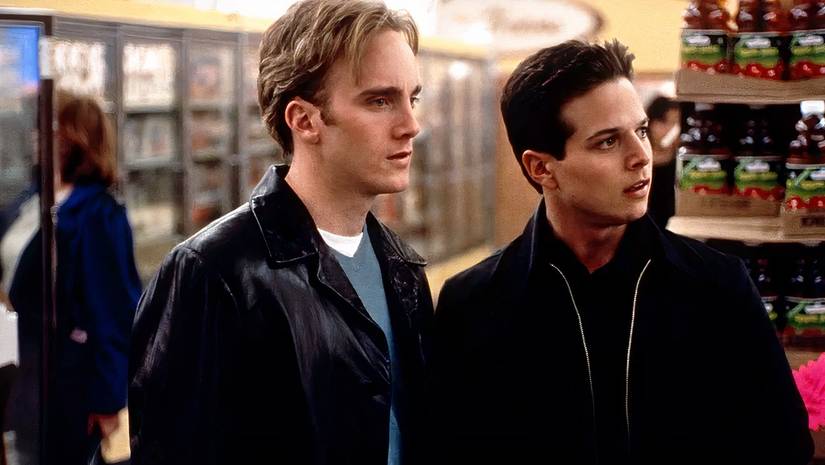
By watching Go today, we aren’t just watching a crime movie; we are watching a farewell tour to an era of filmmaking that prioritized the "hangout" aspect of the heist. It is a movie that lives close to the ground, dealing with petty crimes, small-time desperation, and the specific, localized anxieties of Los Angeles youth.
Why ‘Go’ Still Matters in 2026
In the current streaming landscape, where algorithms dictate what we see, Go serves as a vital reminder of what made 90s cinema so electric. It is a film that demands your attention with its breakneck pacing and rewards it with genuine, laugh-out-loud moments of human folly.
For viewers who grew up with the rapid-fire editing and interconnected narratives of the 90s, Go is a nostalgic hit. For younger viewers, it serves as a masterclass in how to build tension without a multi-million dollar CGI budget. It is a film that understands that the most dangerous weapon in a movie isn’t a bullet-time kick, but a conversation gone wrong at a supermarket checkout.
As it finds a new home on Netflix, Go is finally getting the second act it deserves. It is no longer competing with The Matrix for the spotlight; it is standing on its own, a vibrant, chaotic, and endlessly watchable piece of history. Whether you are looking for a comedy of errors for the weekend or a deep dive into the evolution of the crime thriller, Go is waiting. It’s time to stop hitting skip and start the movie—because after all, life begins at 3 AM when you’re up binging 90s classics.
 Layla Zulfa
 Basiran
 Dwi Wanna
