

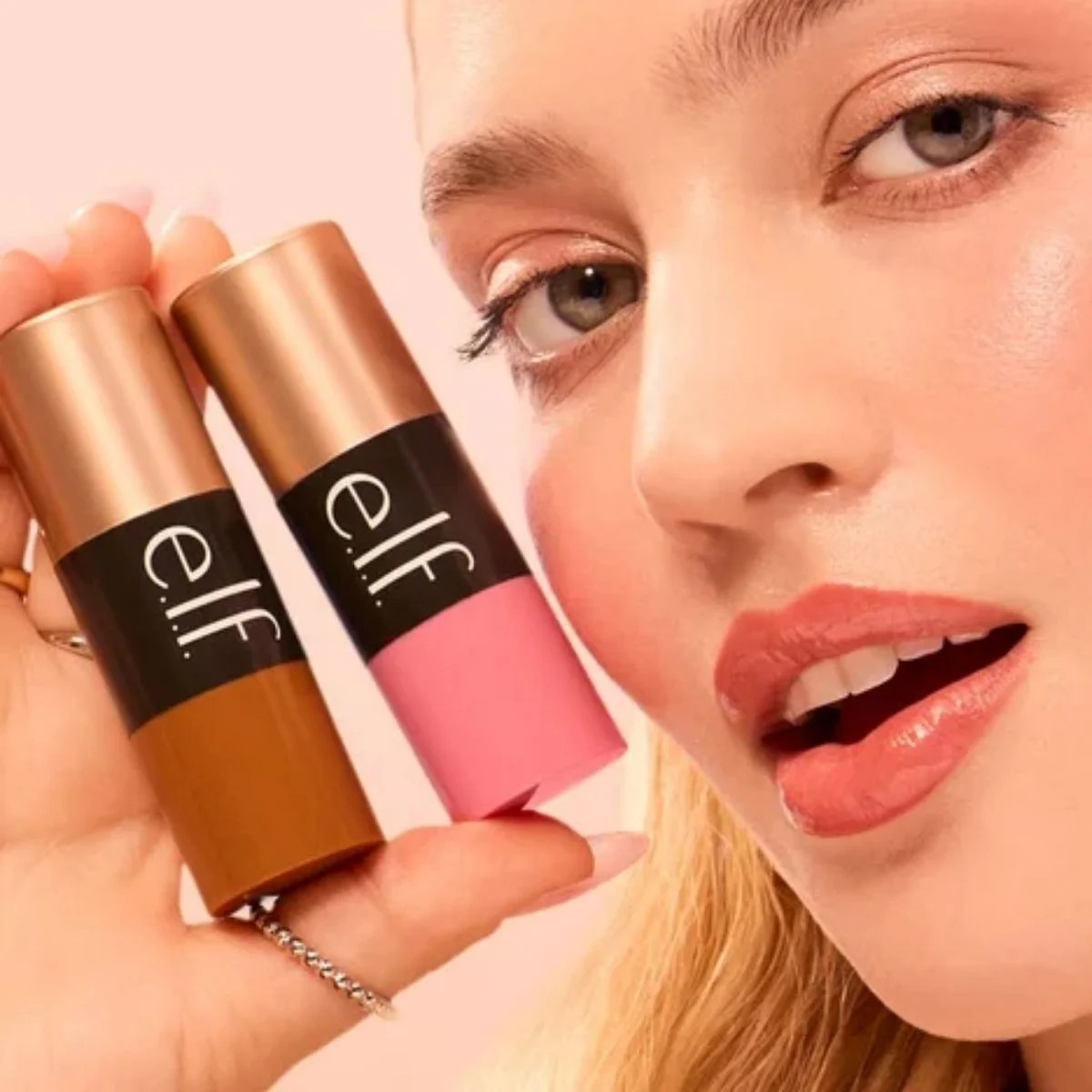
In an era where the cost of living—and the cost of maintaining a high-end beauty routine—continues to climb, the concept of "affordable luxury" has shifted from a marketing buzzword to a consumer necessity. While prestige brands line the shelves of high-end retailers with price tags that often exceed $40 or $50 per product, a quiet revolution is taking place at the drugstore level. Leading this charge is e.l.f. Cosmetics, a brand that has successfully turned the "dupe" culture from a social media trend into a viable, high-performance business model.
By bridging the gap between clinical efficacy and accessible pricing, e.l.f. has forced a reckoning in the beauty industry, proving that consumers no longer have to sacrifice quality for cost-effectiveness.
Main Facts: The Rise of the Affordable Alternative
The core mission of e.l.f. (Eyes Lips Face) has always been rooted in inclusivity and accessibility. However, in recent years, the brand has pivoted toward a more strategic approach: the engineering of high-performance alternatives to viral, luxury-tier products.
Recent launches from the brand demonstrate a tactical precision in targeting "hero" products from prestige houses. Whether it is the color payoff of a luxury lipstick, the blurring technology of a high-end setting powder, or the skin-loving ingredients found in cult-favorite serums, e.l.f. has systematically analyzed the formulation profiles of industry titans. Today, the brand offers direct alternatives to powerhouses including Rhode, Tatcha, Rare Beauty, Tower 28, Urban Decay, Givenchy, Huda Beauty, and Summer Fridays.
Crucially, these products are not merely "knock-offs" in the traditional sense; they are reformulated versions designed to mimic the texture, finish, and wear-time of premium goods while maintaining a price point typically under $15. This strategic positioning has turned the brand into a darling of the beauty-conscious consumer who demands Sephora-level results on a budget.
Chronology: A History of Disruption
The ascent of e.l.f. as the "Dupe King" did not happen overnight. It is the result of a multi-year effort to modernize the drugstore beauty experience.
- The Early Years (2004–2010): e.l.f. began as a pioneer in the "$1 makeup" space. While the price point was revolutionary, the brand spent the better part of its first decade shedding the stigma that "cheap" meant "low quality."
- The Pivot to Performance (2015–2019): As social media platforms like Instagram and YouTube began to dominate the beauty landscape, e.g., reviews and "wear tests" became the new currency of trust. e.l.f. began reformulating its core lines to meet the standards of professional makeup artists.
- The Viral Era (2020–2023): This period marked the brand’s aggressive entry into the "dupe" market. By actively engaging with creators who compared e.l.f. products to luxury items from brands like Charlotte Tilbury and Dior, the company leaned into its identity as a smart, savvy alternative.
- The Present Day (2024–2025): The current lineup represents the brand’s most sophisticated work yet. By targeting niche, high-demand products like Rhode’s Pocket Blush or Givenchy’s Prisme Libre, e.l.f. has effectively moved from being a "budget brand" to a "smart-shopper’s brand."
Supporting Data: When the "Dupe" Outperforms the Original
The success of e.l.f. is rooted in quantifiable results. When shoppers compare the e.l.f. Set it Bright Powder Quad—which retails for approximately $12—to designer powders that can cost upwards of $70, the consensus is striking. Users frequently note that the blurring, color-correcting, and matte-finish capabilities are virtually indistinguishable from their high-end counterparts.
Consider the e.l.f. SKIN Glass Slick Serum Stick, which serves as a functional alternative to the Tatcha Serum Stick. While the primary functional goal is the same—a portable, dewy glow—e.l.f. has swapped specific high-cost ingredients like hyaluronic acid for plumping peptides. The result is a product that delivers the same cosmetic outcome with a different, yet equally effective, ingredient profile.
Customer feedback consistently highlights this phenomenon:

- On Bronzers: Shoppers report that the e.l.f. Soft Glam Cream Bronzer Stick blends with the same "buttery" ease as luxury versions, utilizing shea butter and sunflower seed oil to mimic the seamless finish of high-end sticks.
- On Skincare: The e.l.f. version of the Tower 28 SOS spray has gained a cult following for its ability to soothe sensitive, acne-prone skin, with users reporting that it performs identically to the original in terms of redness reduction and barrier support.
Official Responses and Strategic Philosophy
e.l.f. has remained remarkably transparent regarding its philosophy. The brand’s executives have frequently stated that their goal is to make "the best of beauty" accessible to everyone. By focusing on mass production and minimizing the overhead associated with luxury marketing campaigns and ornate packaging, e.g., the brand is able to reinvest those savings into the raw ingredients and formulation chemistry.
Furthermore, the brand’s community engagement is central to its product development. By listening to what consumers are searching for—specifically looking for alternatives to sold-out or prohibitively expensive items—e.g., e.l.f. effectively crowdsources its R&D. When a product like the Rhode Pocket Blush becomes a viral sensation, e.g., the e.l.f. product development team works to identify the "why" behind the hype: the texture, the pigment concentration, and the dewy finish—and creates a version that honors those qualities at a fraction of the cost.
Implications: The New Standard for the Beauty Industry
The rise of the "e.l.f. phenomenon" has significant implications for the broader beauty industry.
1. The Decline of "Brand Loyalty"
The era of the "loyalist"—the consumer who buys exclusively from one luxury house—is fading. Consumers are becoming increasingly ingredient-conscious and results-oriented. If a consumer discovers that a $10 lip oil provides the same hydration and shine as a $40 version, the brand equity of the luxury house is diminished.
2. Pressure on Luxury Pricing
High-end brands are now under pressure to justify their price points. When a drugstore brand can produce a high-quality, cruelty-free, and effective product for under $15, the luxury sector must work harder to offer value—whether through exclusive technology, sustainable packaging, or a superior brand experience—to retain their market share.
3. The Democratization of Trends
"Dupe" culture has arguably democratized beauty. Previously, a new trend (such as the "glass skin" look or specific color-correcting powders) was accessible only to those with high disposable income. e.l.f. has effectively lowered the barrier to entry, ensuring that the latest makeup trends are available to students, young professionals, and anyone who prefers to allocate their income toward other necessities.
4. Sustainability and "Smart" Consumption
While "dupes" have been criticized for encouraging excessive consumption, proponents argue that they actually encourage "smart" consumption. By opting for a lower-priced alternative, consumers can experiment with a wider variety of colors and finishes without the financial guilt of a "bad" investment. Furthermore, e.g., because e.l.f. products are widely available at pharmacies and major retailers, the accessibility reduces the need for the excessive shipping and carbon footprints often associated with niche, direct-to-consumer luxury beauty.
Conclusion
The evolution of e.l.f. from a budget-friendly staple to a formidable industry disruptor is a testament to the changing values of the modern beauty consumer. As we look toward the future, it is clear that the brand has set a new benchmark for what is possible in the world of affordable cosmetics.
The success of their latest lineup—from the Glow Reviver Lip Oil Stick to the Soft Glam collection—proves that luxury is no longer defined solely by price. Rather, it is defined by performance, ingredient integrity, and the ability to make every consumer feel like they are part of the latest beauty moment. For the shopper who wants the glow of a celebrity-approved brand without the designer price tag, e.l.f. has not just provided a dupe; they have provided a permission slip to enjoy beauty on their own terms.
 Iffa Jayyana
 Ali Ikhwan
 Lina Irawan
