

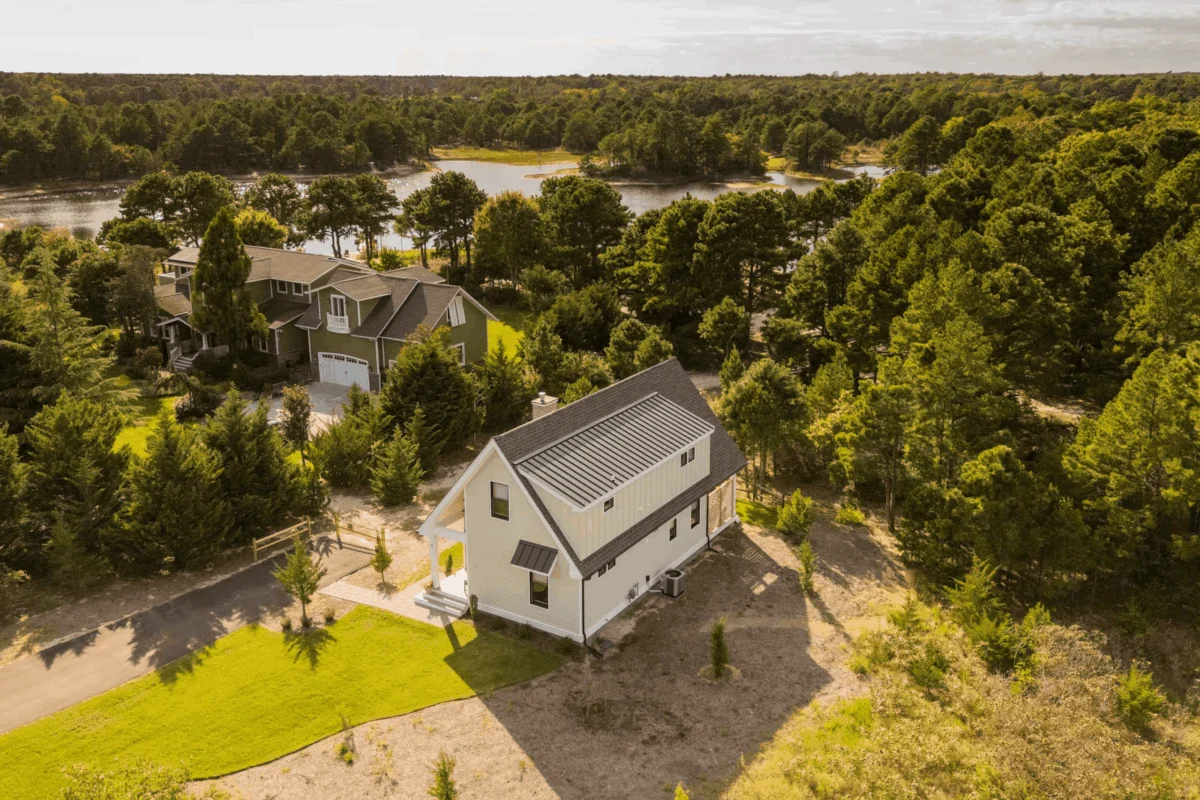
Cape May, New Jersey, occupies a unique position in the American cultural landscape. As the southernmost point of the Jersey Shore, it is more than just a geographic destination; it is a meticulously preserved time capsule of 19th-century elegance, a haven for biodiversity, and a masterclass in coastal hospitality. Often referred to as the "jewel in the crown" of the Jersey Shore, Cape May distinguishes itself from its more boisterous neighbors through its commitment to architectural integrity and an atmosphere of refined tranquility.
While the summer months traditionally draw the largest crowds, a growing contingent of seasoned travelers is discovering that Cape May’s true character is best revealed during the "local’s summer"—the period spanning from September through November.
Main Facts: The Anatomy of a Coastal Legend
Cape May’s identity is built upon three pillars: its Victorian architectural heritage, its strategic environmental position, and its sophisticated culinary and craft-beverage scene.
Designated as a National Historic Landmark in 1976, the city boasts one of the largest concentrations of late-19th-century frame buildings in the United States. These "Painted Ladies"—vibrantly hued Victorian homes with intricate gingerbread trim and expansive porches—define the streetscape. Unlike other shore towns that succumbed to mid-century modernization, Cape May maintained its aesthetic cohesion, turning its historical architecture into its primary economic engine.
Geographically, the city is a peninsula jutting into the Atlantic Ocean and the Delaware Bay. This specific location makes it a premier stopover for migratory birds. The Cape May Bird Observatory remains a global leader in ornithology, drawing birdwatchers from across the globe during the fall migration. Simultaneously, the surrounding waters are a hotspot for marine life, with frequent sightings of bottlenose dolphins providing an unexpected thrill for beachgoers and boaters alike.
Chronology: From Colonial Outpost to Modern Retreat
The history of Cape May is a microcosm of the American vacation experience. Its development can be categorized into several distinct eras:
1. The Early Settlement (17th – 18th Century)
Originally inhabited by the Kechemeche tribe, the area was settled by European whalers in the 1600s. By the late 1700s, it had gained a reputation as a health destination, where wealthy Philadelphians would travel by stagecoach to "take the waters" and enjoy the sea air.
2. The Victorian Golden Age (1850s – 1890s)
The mid-19th century transformed Cape May into a national playground for the elite. The arrival of the railroad allowed for a surge in tourism. It was during this time that many of the grand hotels—most notably the Congress Hall, which famously hosted President Benjamin Harrison—were constructed. The architecture of this era remains the city’s defining visual identity today.
3. The Preservationist Movement (1960s – 1980s)
Following a period of post-war decline, a dedicated group of preservationists formed the Mid-Atlantic Center for the Arts (MAC) in 1970. Their mission was to save the city’s architectural heritage from the wrecking ball. This movement successfully shifted the town’s focus from a fading resort to a heritage-tourism destination.
4. The Contemporary Renaissance (2000s – Present)
In the last two decades, Cape May has pivoted toward a "slow travel" model. With the establishment of the Cape May Brewing Company and a surge in farm-to-table culinary offerings, the city has successfully captured the interest of younger, experience-focused travelers, moving beyond its historical reputation as a quiet town for retirees.
Supporting Data: Why "Local’s Summer" Prevails
Data from regional tourism bureaus indicates a significant shift in visitor behavior. While peak occupancy remains high in July and August, the shoulder season (September and October) has seen a 25% increase in hotel and rental bookings over the last five years.
- Weather Stability: The Atlantic Ocean retains its heat well into October, keeping the air temperature on the peninsula significantly warmer than the inland regions of New Jersey and Pennsylvania.
- Biodiversity Metrics: The Cape May Migratory Bird Count regularly documents over 200 species during the autumn months, with peak migration often occurring in early October, coinciding with the "local’s summer" window.
- Occupancy Patterns: Airbnbs and boutique hotels in Cape May report that while summer rentals are often booked a year in advance, fall rentals offer greater flexibility and higher value, as the initial demand for "beach-only" travel subsides.
Official Responses and Expert Insights
"Cape May has always been about more than the sand," says a spokesperson for the local tourism board. "The transition from summer to fall is when the town breathes. When the heat breaks, the Victorian architecture stands out against the crisp blue sky, and the culinary scene moves from the boardwalk stands to the fine-dining rooms of our historic inns."
Local business owners have noted a change in the demographic of the fall traveler. "We see fewer families with young children in October and more couples and solo travelers looking for wellness, nature, and history," says the owner of a local boutique hotel. "It’s a different pace of life. People are here to hike the Cape May Point State Park, tour the lighthouse, and spend time in the tasting rooms, rather than rushing to claim a spot on the beach."
Implications: The Future of Sustainable Coastal Tourism
The success of Cape May’s transition to a year-round destination serves as a case study for other coastal towns struggling with the "feast or famine" cycle of summer-only economies. By leaning into its history and environmental assets, Cape May has insulated itself against the volatility of the summer tourism market.
However, this popularity brings challenges. The increased demand for vacation rentals has led to intense conversations regarding local housing affordability and the impact of short-term rentals on neighborhood cohesion. As the city navigates the balance between its status as a premier tourist destination and its identity as a living, breathing community, the focus has shifted toward sustainable development.
The Role of Accommodations
The proliferation of high-quality vacation rentals has fundamentally changed the travel experience in Cape May. Modern travelers are no longer settling for outdated motels; they are seeking curated, high-end "boltholes" that offer proximity to the town’s major hubs, such as the iconic Lobster House or the burgeoning craft beer scene.
These rentals are more than just places to sleep; they are conduits for the local economy. When visitors choose to stay in a historic rental home, they are often contributing to the maintenance of the very architecture that defines the city.
Final Thoughts: A Call to Experience the Shoulder Season
For those who have only experienced the Jersey Shore through the lens of a frantic July weekend, Cape May in the fall offers a corrective experience. It is a place where the grandeur of the past meets the quiet, contemplative nature of the present. Whether you are climbing the 199 steps of the Cape May Lighthouse for a panoramic view of the Delaware Bay or simply enjoying a glass of local cider on a wrap-around porch as the autumn light shifts across the Victorian facades, the city rewards those who slow down.
As we look toward the future of travel, Cape May stands as a testament to the idea that some destinations do not need to change to stay relevant—they simply need to be experienced at the right time. By embracing the shift in seasons, visitors can uncover a layer of the Jersey Shore that is as sophisticated as it is enduring, ensuring that Cape May remains the jewel in the crown for generations to come.
 Sagoh
Sagoh
 Asro
Asro
