

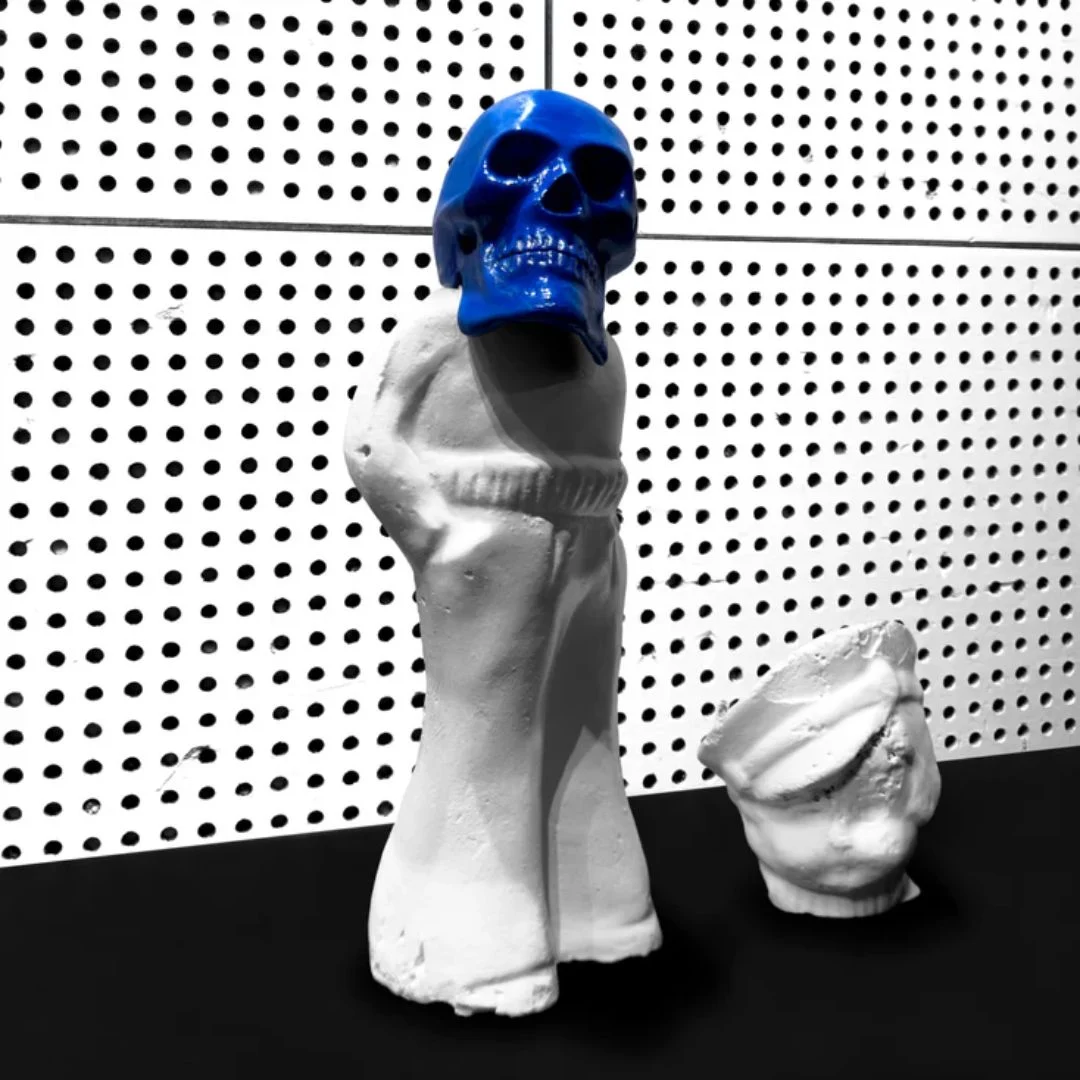
In an era defined by the calculated, multi-month promotional cycles of the music industry—teased with social media countdowns, algorithmic leaks, and high-budget press campaigns—Jack White remains a defiant outlier. The Rock and Roll Hall of Famer has once again eschewed the traditional publicity machine, opting for a signature "stealth drop" to announce his seventh solo studio album, Frozen Charlotte.
The album, which appeared without warning on the Third Man Records webstore this week, serves as a direct, high-octane follow-up to his critically acclaimed 2024 release, No Name. With a scheduled release date of July 10, 2026, Frozen Charlotte promises to capture the kinetic energy of a band at the peak of its powers, further cementing White’s reputation as one of modern rock’s most unpredictable and prolific architects.
The Stealth Strategy: A Pattern of Intentional Mystery
The announcement of Frozen Charlotte arrived with the subtlety of a secret handshake. There were no press releases distributed to major trade outlets, nor were there high-concept trailers shared on streaming platforms. Instead, fans discovered the pre-order link through a quiet update on the Third Man Records storefront.
This approach is not merely a quirk; it is a fundamental pillar of White’s current brand philosophy. This strategy mirrors the unconventional rollout of 2024’s No Name, a record that famously arrived in the shopping bags of unsuspecting patrons at Third Man locations in Detroit, London, and Nashville. By bypassing the "hype machine," White forces a more direct, intimate engagement between the artist and the audience. The message is clear: the music is the product, and the music should speak for itself, unencumbered by the noise of industry marketing.
Chronology: From the Road to the Studio
To understand the birth of Frozen Charlotte, one must look at the trajectory of White’s past twenty-four months. Following the success of No Name, White embarked on a rigorous touring schedule that saw him crisscrossing North America and Europe. It was during this period of constant performance that the seeds of the new record were sown.
According to the official product description, the recording sessions were not the result of a pre-planned hiatus, but rather a byproduct of momentum. Rather than taking a break after months of exhausting, high-intensity shows, White retreated to his Third Man Studio in Nashville with his touring band: drummer Patrick Keeler, bassist Dominic Davis, and keyboardist Bobby Emmett.
"Instead of resting on a ‘job well done,’ they went straight to work in the studio and laid down what became Frozen Charlotte," the statement reads. The studio environment served as a pressure cooker, distilling the "scorching hot" chemistry developed on stage into thirteen distinct tracks. The recording process, which took place in the immediate wake of his 2026 touring legs, captures a band operating with the kind of telepathic precision that only comes from hundreds of hours of shared stage time.
Supporting Data: The Anatomy of the Record
Frozen Charlotte comprises 13 tracks, a collection that builds upon the raw, blues-infused garage rock that has defined White’s solo career. The tracklist is as follows:
- G.O.D. and the Broken Ribs
- Derecho Demonico
- There’s Nobody There
- Raising the Grain
- You’ll Never Fix Me
- Nobody Knows
- Dollar Bill
- I Can’t Believe What I’m Hearing
- Thick as Thieves
- All Alone Again
- She’s in a Frenzy
- Making Contact
- Neighbors Blues
The inclusion of previously released singles "G.O.D. and the Broken Ribs" and "Derecho Demonico" serves as an anchor for the project, showcasing the "raucous and frenetic energy" that fans have come to expect. Musically, the album is described as an "intense rock and roll punch," maintaining the blues underpinnings that have been the bedrock of White’s sound since his early days in The White Stripes, yet pushing into sharper, more modern sonic territories.
Beyond the audio, the visual component of the album is deeply personal. The artwork is an original piece created by White himself. He provided fans a brief, unfiltered look at the creation of this visual work via an Instagram post, further bridging the gap between the creator and the consumer.
Official Responses and Creative Direction
The official narrative surrounding Frozen Charlotte highlights a shift in focus toward the collaborative nature of the project. By highlighting the specific contributions of Keeler, Davis, and Emmett, White is signaling that this is not merely a solo endeavor, but a "band" record in spirit.

In a statement regarding the project’s sonic identity, the label notes: "13 tracks of distinct feel and tone, Frozen Charlotte is an intense rock and roll punch with never far behind blues underpinnings… all of which fits right at home with long time fans while leaving an inviting open door to newcomers alike."
This sentiment underscores a balancing act: satisfying the deep-seated expectations of a dedicated fanbase while maintaining a sound that remains accessible. By utilizing the Nashville-based Third Man Studio—a space that has become synonymous with analog warmth and sonic purity—White ensures that the record retains a visceral, "live-in-the-room" quality that is often missing from contemporary digital productions.
The Implications for the Modern Music Industry
The surprise drop of Frozen Charlotte carries significant implications for how artists might navigate the music industry in the future. As major labels continue to struggle with the volatility of social media trends and the rapid depreciation of promotional content, White’s model offers a compelling alternative.
1. The Value of Authenticity
In a market saturated with AI-generated content and highly curated "authentic" social media posts, White’s refusal to participate in the standard promotional circus feels like a radical act of honesty. By keeping the announcement quiet, he removes the element of manufactured scarcity, replacing it with genuine discovery.
2. Strengthening the Direct-to-Consumer Model
By focusing his efforts on the Third Man Records webstore and physical, tangible music products, White reinforces the importance of the artist-owned ecosystem. This model incentivizes the most dedicated fans to engage directly with the artist’s platform, bypassing third-party streaming intermediaries and creating a more sustainable financial loop for the artist.
3. Maintaining Artistic Agency
Perhaps most importantly, the strategy protects White’s artistic agency. By setting his own timeline and release parameters, he prevents external industry forces from shaping the narrative of his music. He dictates when the music is ready, how it is presented, and the context in which it is consumed.
Looking Ahead: The 2026 Tour
The release of Frozen Charlotte arrives just as White prepares for a grueling and highly anticipated stretch of 2026 tour dates. The timing is deliberate; the album serves as a companion piece to the live experience, offering a blueprint for the energy that attendees can expect to encounter on the road.
For fans, the record is a testament to an artist who refuses to stagnate. Whether he is experimenting with new guitar tones, exploring fresh lyrical themes, or simply refining the raw power of the power trio format, Jack White remains a force of nature. As July 10th approaches, the music world will once again turn its ears toward Nashville, waiting to hear if this latest collection of songs holds the same weight as the legacy he has spent two decades building.
Frozen Charlotte is currently available for pre-order, and as with any Jack White release, expectations are high. If history is any indicator, the album will be less of a "product" and more of a cultural event—a sharp, electric, and uncompromising reminder of why Jack White remains one of the most vital voices in contemporary rock.
For those looking to witness the energy of this new era in person, ticket information for the 2026 tour remains available via his official channels, marking the next chapter in what promises to be a defining year for one of music’s true icons.
 Asro
Asro
 Lina Irawan
