

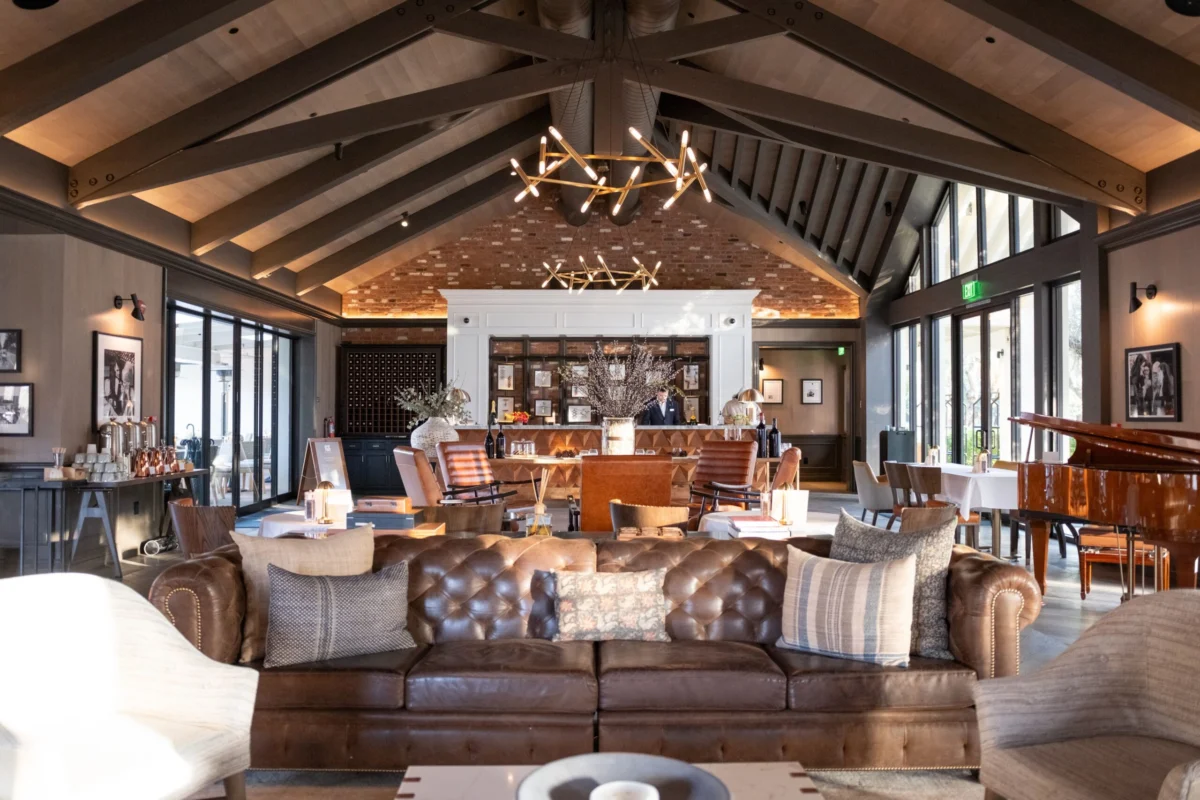
Since George C. Yount first planted the seeds of viticulture in 1839, Napa Valley has undergone a metamorphosis from a rugged frontier to the undisputed crown jewel of American enology. Today, the region is far more than a collection of vineyards; it is a sophisticated ecosystem of world-class hospitality, culinary innovation, and environmental stewardship. For the modern traveler, navigating this sprawling landscape—which encompasses over 400 wineries and a diverse array of micro-climates—requires an understanding of both its rich history and its rapidly evolving luxury landscape.
A Chronology of Excellence: From Frontier to Global Icon
The history of Napa Valley is a tapestry woven with grit, innovation, and an unwavering commitment to the land.
- 1839: The Genesis. George C. Yount, a pioneer from North Carolina, settles in the valley and plants the first grapevines. His foresight would lay the foundation for what would eventually become the most prestigious wine-growing region in the United States.
- The Mid-19th Century: Expansion. As the Gold Rush brought settlers to California, the demand for wine grew. By the 1860s and 1870s, legendary wineries like Charles Krug and Schramsberg were established, signaling the valley’s transition into a commercial powerhouse.
- 1976: The Judgment of Paris. This watershed moment saw California wines besting their French counterparts in a blind tasting. This historic victory shifted the global perception of Napa, cementing its status on the international stage.
- The 21st Century: The Hospitality Renaissance. In the last two decades, Napa has evolved from a day-trip destination for wine enthusiasts into a multi-day luxury travel hub. The focus has expanded beyond the cellar door to include holistic wellness, farm-to-table fine dining, and architectural landmarks that double as high-end accommodations.
Supporting Data: The Anatomy of the Valley
Napa Valley is not a monolith; it is a collection of distinct sub-regions, each offering a unique personality for the discerning traveler. To understand the geography of a visit, one must look at the primary corridors:
The Regional Breakdown
- Downtown Napa: The bustling urban heartbeat of the region. It is the most accessible base of operations, offering high walkability to downtown tasting rooms, the Oxbow Public Market, and easy freeway connectivity for excursions further north.
- Yountville: Often described as the culinary soul of the valley, Yountville is a storybook-esque village that serves as the epicenter for Michelin-starred dining and boutique luxury.
- Calistoga: Located at the northern tip of the valley, Calistoga maintains a laid-back, rustic charm. It is the primary destination for wellness seekers, thanks to its historic geothermal hot springs and volcanic mud baths.
- Rutherford and Oakville: These areas represent the viticultural heart of the valley, home to some of the most expensive and sought-after Cabernet Sauvignon vineyards in the world.
The Modern Hospitality Landscape
The current hotel scene in Napa is defined by a shift toward "experiential luxury." Where once guests were satisfied with a standard hotel room, today’s travelers demand an immersion into the lifestyle of the valley.
Eco-Luxe and Sustainability
Sustainability is no longer a marketing buzzword in Northern California; it is a operational necessity. Many of the region’s top properties have moved toward eco-luxe models. This includes properties built on former homesteads that utilize reclaimed timber, solar energy, and farm-to-fork dining programs that source ingredients from their own on-site vegetable gardens.
The Rise of the Wellness Wing
The evolution of the resort experience is perhaps best exemplified by the "wellness wing." Large-scale, 200-room resorts are now integrating dedicated spas that prioritize hyper-local treatments—such as grapeseed scrubs and mineral-rich mud soaks—aligning the physical architecture of the hotel with the natural bounty of the valley.
Expert Insights: Navigating the Seasons
Determining the "best" time to visit is a subjective exercise, but for those seeking an insider’s perspective, the seasonal flow of the valley offers distinct benefits:
- Spring (The Renewal): This is widely considered the peak for aesthetics. The mustard flowers are in bloom, the vines are beginning their annual cycle, and the temperature is mild. It is ideal for those who prioritize outdoor exploration and photography.
- Summer (The Heat of the Harvest): For travelers who prefer the warm, dry climate of California, summer offers the quintessential Mediterranean experience. It is the busiest season, but the energy is infectious.
- Winter (The Quietude): Often overlooked, winter is the secret favorite of locals. The crowds thin out, the morning mist provides a dramatic backdrop for the vineyards, and the cool evenings offer the perfect excuse to enjoy the roaring fireplaces and high-end bathrobes that characterize the region’s best suites.
Implications for the Future of Napa Tourism
As Napa Valley continues to grow, it faces the dual challenge of preserving its agrarian identity while accommodating a surge in global tourism.
The Sustainability Mandate
The industry is moving toward a more regulated approach to water usage and land development. Hotels are increasingly expected to demonstrate a low carbon footprint, and many are adopting "regenerative" tourism practices. This ensures that the very land that draws visitors is not depleted by them.
Diversifying the Demographic
Historically, Napa was marketed toward a narrow demographic of wealthy oenophiles. Today, the landscape is shifting to cater to a broader range of travelers, including families and younger, tech-savvy professionals. This has led to the proliferation of boutique hotels that offer "accessible luxury"—providing high-end design and service without the prohibitive costs of the valley’s most exclusive estates.
Technological Integration
From AI-assisted concierge services to seamless booking platforms that link winery visits with accommodation stays, the digital transformation of Napa is underway. These tools allow travelers to curate a complex, multi-day itinerary with the ease of a single-click transaction, reducing the friction of travel and allowing for a more bespoke experience.
FAQ: Navigating Your Stay
Q: What is the most important factor when choosing a hotel in Napa?
A: Location should dictate your choice. If you intend to spend your days dining at world-class restaurants, prioritize Yountville. If you want a variety of activities and easy access to transportation, Downtown Napa is superior. If your goal is relaxation and spa therapy, look toward Calistoga.
Q: How does the industry ensure the quality of its hotel recommendations?
A: Reputable travel journalism relies on first-hand experience. Every property recommended by outlets like Condé Nast Traveler undergoes a rigorous vetting process. Journalists visit the properties as anonymous guests to evaluate service, design, and environmental impact, ensuring that the recommendations reflect the actual experience of a traveler rather than marketing copy.
Q: Is Napa still affordable?
A: While Napa has a reputation for high costs, it is possible to experience the region without breaking the bank. By visiting in the "off-season" (late fall through early spring) and opting for boutique hotels rather than large, branded resorts, travelers can find excellent value. Furthermore, many of the best experiences in the valley—such as hiking the Palisades or exploring the public markets—are free or low-cost.
Conclusion
Napa Valley is in a state of perpetual refinement. While its core identity remains rooted in the soil of 1839, the amenities surrounding that soil have reached a level of sophistication that few other regions in the world can match. Whether you are a first-time visitor drawn by the allure of the legendary Cabernets or a frequent traveler looking to deepen your connection with the region, the modern Napa Valley offers a sanctuary of refinement, wellness, and beauty. By balancing its rich history with an eye toward a sustainable and innovative future, the valley continues to earn its place as one of the most essential destinations in the global travel pantheon.
 Dwi Wanna
 Lina Irawan
