

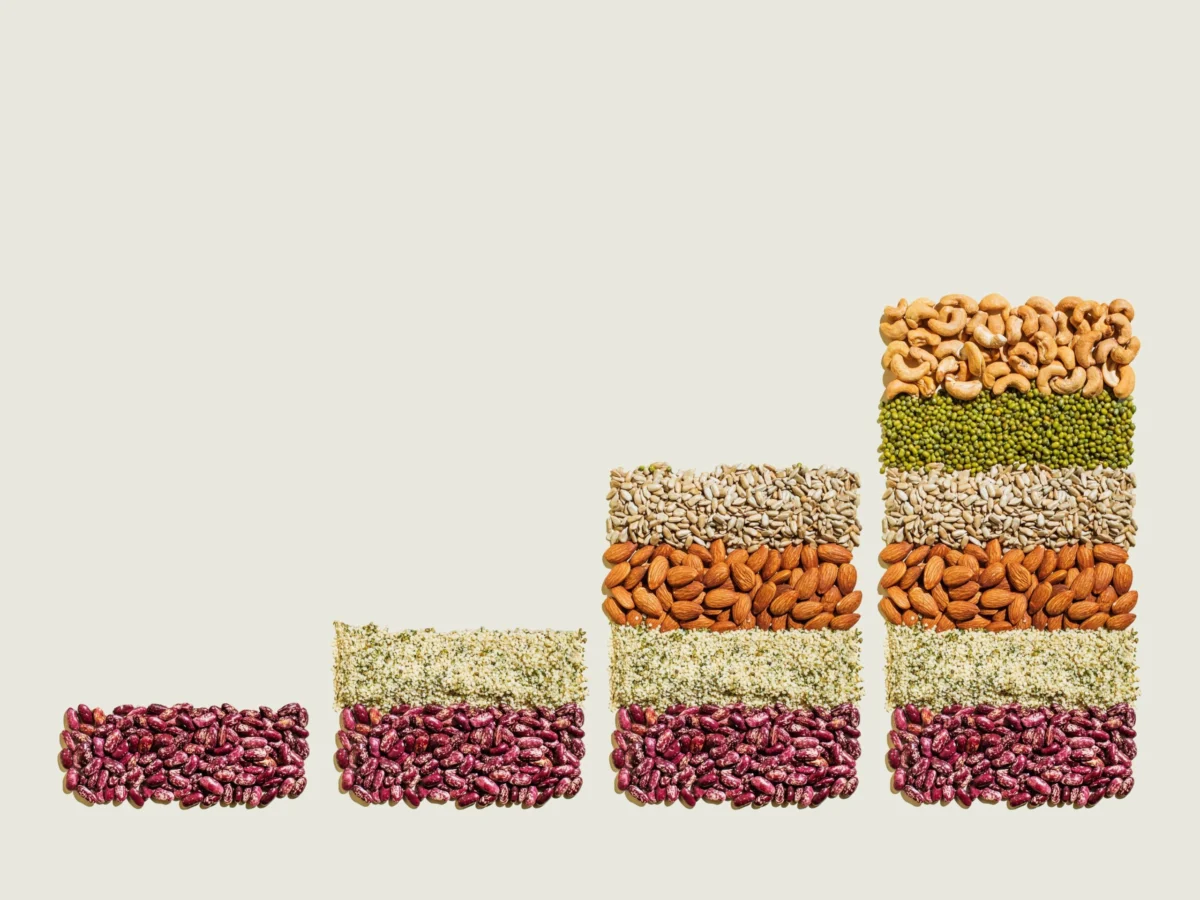
In the age of viral wellness trends, "fibermaxxing" has emerged as a beacon of nutritional common sense. Social media feeds are filled with advocates praising the transformative power of a high-fiber diet, promising everything from improved gut microbiome diversity to sustained energy levels and effortless weight management. Yet, for many, the reality of increasing fiber intake is far from glamorous. Instead of the promised vitality, many newcomers to the trend find themselves battling a barrage of uncomfortable, painful, and often embarrassing digestive side effects: bloating, flatulence, and persistent stomach cramps.
While these symptoms often lead people to abandon their healthy intentions, experts suggest that the problem isn’t the fiber itself—it is the delivery method. For those struggling to bridge the gap between their current diet and the recommended daily intake, nutritionists and gastroenterologists are championing a strategy known as "fiber training."
The Main Facts: Why Fiber is Non-Negotiable
Fiber is a type of carbohydrate that the human body cannot digest. Unlike proteins, fats, or simple carbohydrates, which are broken down by our own enzymes, fiber passes through the stomach and small intestine largely intact. It reaches the colon, where it becomes the primary fuel source for our gut bacteria. This process of fermentation is exactly what makes fiber so vital.
According to Desiree Nielsen, RD, a registered dietitian specializing in plant-based nutrition, fiber is perhaps the most chronically neglected nutrient in the modern diet. Beyond the common understanding that fiber keeps us regular, it plays a critical role in metabolic health. It acts as a sponge that can help lower LDL ("bad") cholesterol, stabilizes blood glucose levels by slowing down the absorption of sugar, and supports long-term immune function by fostering a healthy gut lining.
Despite these benefits, the transition to a high-fiber diet is often treated with too much enthusiasm and too little caution. When a digestive system accustomed to highly processed, low-fiber foods is suddenly flooded with high-fiber inputs, the result is a physiological traffic jam.
Chronology of a Digestive Crisis: The "Too Much, Too Fast" Effect
To understand why your stomach rebels against a sudden influx of broccoli, beans, and chia seeds, it is helpful to look at the timeline of how the digestive system processes change.
- The Intake Phase: An individual decides to prioritize fiber, jumping from perhaps 10 grams a day to the recommended 25–30 grams overnight.
- The Fermentation Spike: Because the gut microbiome has not had time to adapt to a high volume of prebiotic material, the bacteria in the colon begin to ferment the excess fiber rapidly.
- The Symptom Onset: This rapid fermentation produces an abundance of gas as a byproduct. Because the gut is not yet "trained" to move this bulk through efficiently, the gas becomes trapped, leading to painful bloating and cramping.
- The Bottleneck: For those already prone to constipation, this sudden bulk can act like a physical barrier in the intestines. If the system is already "backed up," adding dense, fibrous material creates a "bottleneck on the highway," effectively stalling transit time rather than speeding it up.
Supporting Data: Understanding the Recommended Intake
The Dietary Guidelines for Americans, 2020–2025 provides clear benchmarks for fiber intake, though these are often treated as aspirational rather than standard goals. The guidelines suggest:
- Women (ages 19–30): 28 grams daily.
- Women (ages 31–50): 25 grams daily.
- Women (ages 51+): 22 grams daily.
While the government does not provide specific upper limits for men, most health organizations suggest a range between 30 and 38 grams per day for adult males. Despite these figures, the average American consumes roughly 10 to 15 grams of fiber daily. The vast discrepancy between current consumption and recommended targets is why "fiber training" is not just a trend, but a necessary clinical approach to nutritional adjustment.
Official Responses: The Clinical Perspective
Dr. Lisa Ganjhu, a gastroenterologist at NYU Langone Health, emphasizes that the discomfort many patients experience is not a sign that they should stop eating fiber. Instead, it is a sign that they have bypassed the necessary adaptation period.
"I have a lot of patients that will say, ‘I ate more fiber, and now I’m really bloated and crampy,’" Dr. Ganjhu notes. Her clinical advice mirrors that of sports medicine: you cannot walk into a gym and lift the heaviest weight on the rack without risking injury. Similarly, you cannot expect your digestive tract to process massive amounts of complex carbohydrates without a gradual conditioning process.
Nielsen compares the strategy to training for a marathon. Just as a runner must build mileage incrementally to avoid stress fractures and muscle fatigue, the digestive system requires a controlled increase in volume to build "colonic fitness."
The Strategy: How to Execute Fiber Training
Fiber training is defined by its slow, consistent, and individualized approach. The goal is to build tolerance while minimizing gas and bloating.
1. The Incremental Increase
The standard recommendation for effective training is to add between three to five grams of fiber per week. This allows the microbiome to diversify and adapt to the new substrate without being overwhelmed.
2. Selecting Your "Training" Foods
Choose consistent, fiber-dense foods that are easy to measure. Examples include:
- One medium apple: ~4 grams of fiber.
- Half-cup of chickpeas: ~5 grams of fiber.
- One tablespoon of chia seeds: ~5 grams of fiber.
- Two tablespoons of ground flax: ~4 grams of fiber.
By selecting one of these items and consuming it daily for five to seven days, you allow your body to provide feedback. If you feel no increase in digestive distress after a week, you can add another three to five grams to your daily routine.
3. The Role of FODMAPs
For individuals with sensitive stomachs or pre-existing constipation, Nielsen suggests prioritizing "low-FODMAP" foods. FODMAPs are specific types of carbohydrates that are notorious for causing gas in sensitive individuals. By avoiding high-FODMAP fiber sources during the early stages of training, you can reduce the likelihood of discomfort. Kiwis, for instance, are an excellent choice, as they are both low-FODMAP and contain specific enzymes that aid in digestive motility.
Implications for Long-Term Health
The primary implication of successful fiber training is the unlocking of long-term health outcomes that were previously out of reach due to gastrointestinal sensitivity. By successfully "training" the gut, individuals can lower their risk of chronic diseases, including type 2 diabetes, heart disease, and colorectal cancer.
Furthermore, hydration is the silent partner of fiber. Fiber works by absorbing water to create bulk; without adequate hydration, fiber can actually worsen constipation. Dr. Ganjhu notes that while the "eight glasses a day" rule is often debated in scientific circles, the fundamental need for water during a high-fiber transition is indisputable.
Conclusion: Patience as a Nutritional Tool
The journey to a high-fiber diet is an exercise in patience. In a world that demands instant results, the "slow-and-steady" approach of fiber training may feel counterintuitive. However, the science is clear: your digestive system is a dynamic, adaptive organ. By respecting its limitations and gradually increasing your intake, you can move past the awkward phase of bloating and discomfort to achieve the systemic health benefits that fiber is uniquely positioned to provide.
The next time you feel discouraged by the side effects of a healthy diet, remember: your body isn’t rejecting fiber—it is simply asking for a training plan. By listening to your symptoms and adjusting your pace accordingly, you are not just changing your diet; you are building a more resilient, healthier internal ecosystem.
 Asro
Asro
 Azzam Bilal Chamdy
