

Introduction: The High-Street Hunting Ground
With more than a decade spent analyzing the intricate machinations of the global fashion industry, one develops a refined instinct for identifying the high-street items capable of successfully passing for high-end designer pieces. Whether purists like it or not, Zara has consistently remained a goldmine for these sartorial gems. However, the golden rule of navigating the retailer’s rapidly rotating inventory is simple: you must get there before everyone else does.
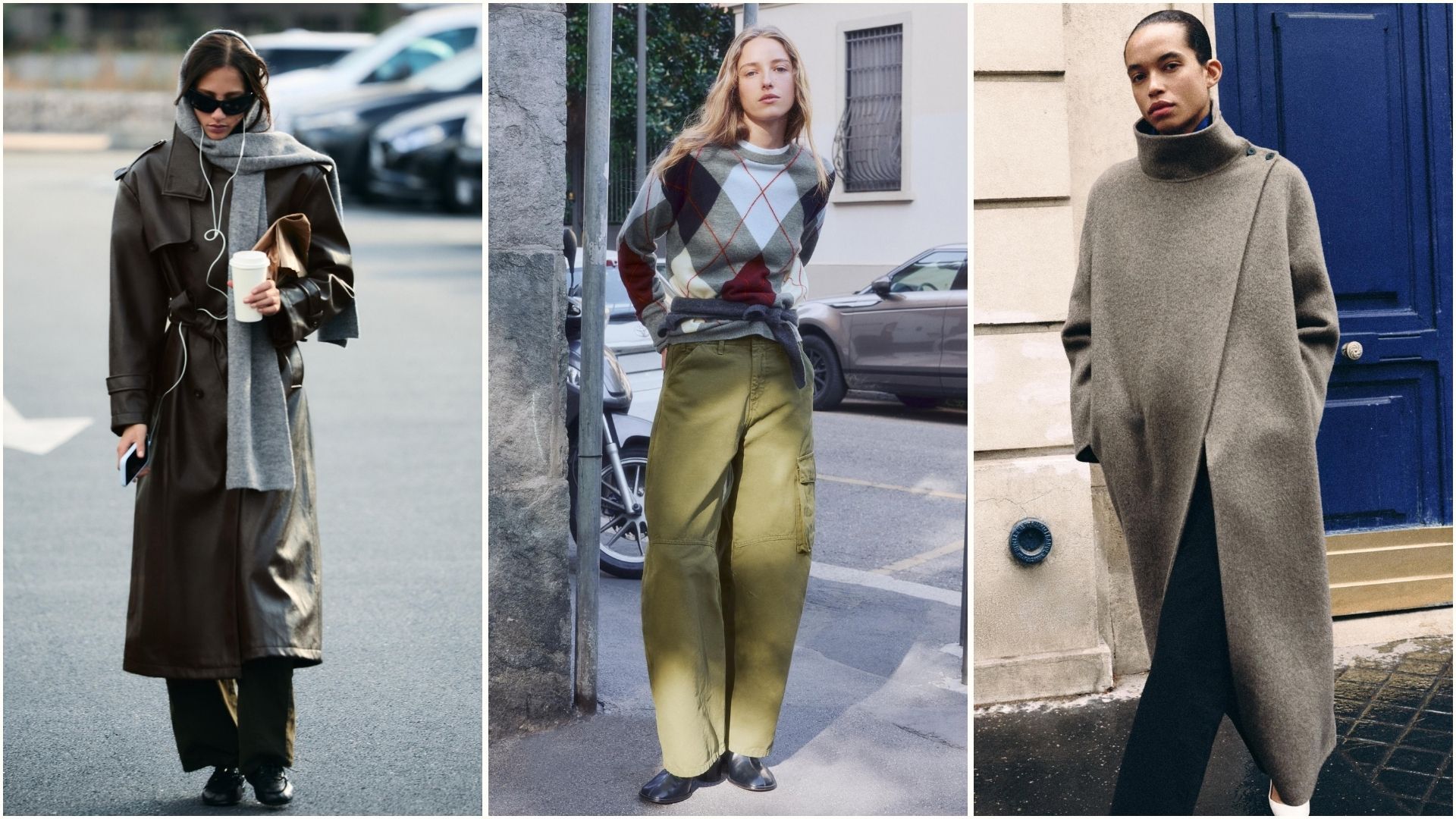
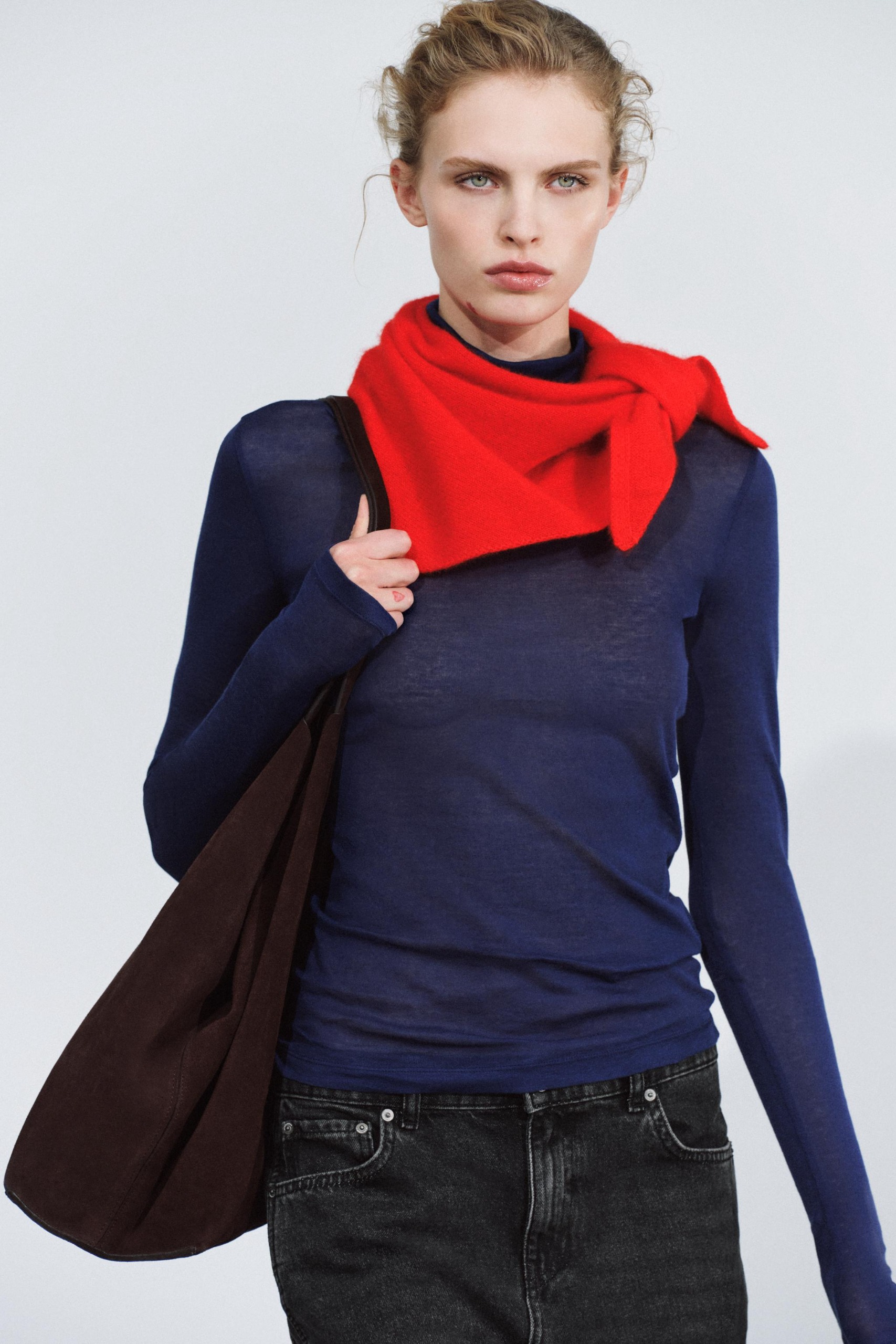
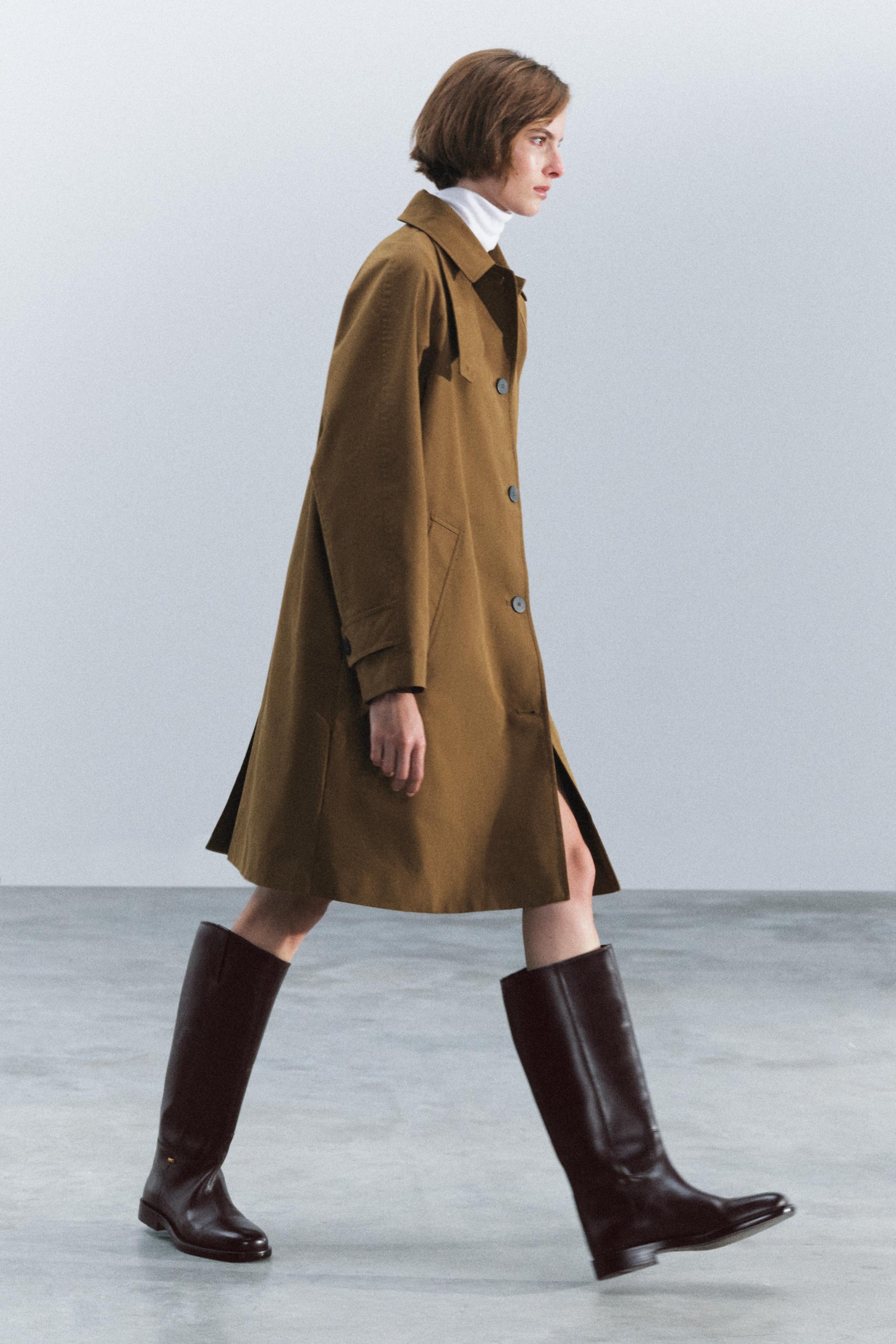
As the transitional days of autumn bleed into the biting chill of the early winter season, fashion editors and savvy consumers alike are closely monitoring the high-street giant’s digital and physical "new-in" sections. The objective is clear—look far beyond temporary transitional buys and focus heavily on foundational pieces that will earn their keep when temperatures plummet. Think meticulously cut wool-blend coats, supple 100% leather trousers that instantly elevate a basic ensemble, knee-high boots versatile enough to pair with practically everything, and the cozy finishing touches that transform winter dressing from a purely functional chore into an intentional style statement. These are the hardworking investment pieces capable of making even the most basic jeans-and-knitwear combination look remarkably expensive.
Main Facts: The 2026 Early Winter Landscape
The primary challenge of unearthing a brilliant piece at Zara is the sobering reality that it likely will not stick around for long. By the time the first proper cold snap hits regional markets, these standout items possess an uncanny habit of selling out precisely when consumers need them most.
To combat this perennial retail bottleneck, industry experts have compiled a definitive list of the best early winter Zara buys for 2026 that warrant immediate attention. This season’s collection focuses heavily on structural integrity, elevated fabrics—such as cashmere, wool, and genuine leather—and modern updates to classic silhouettes.
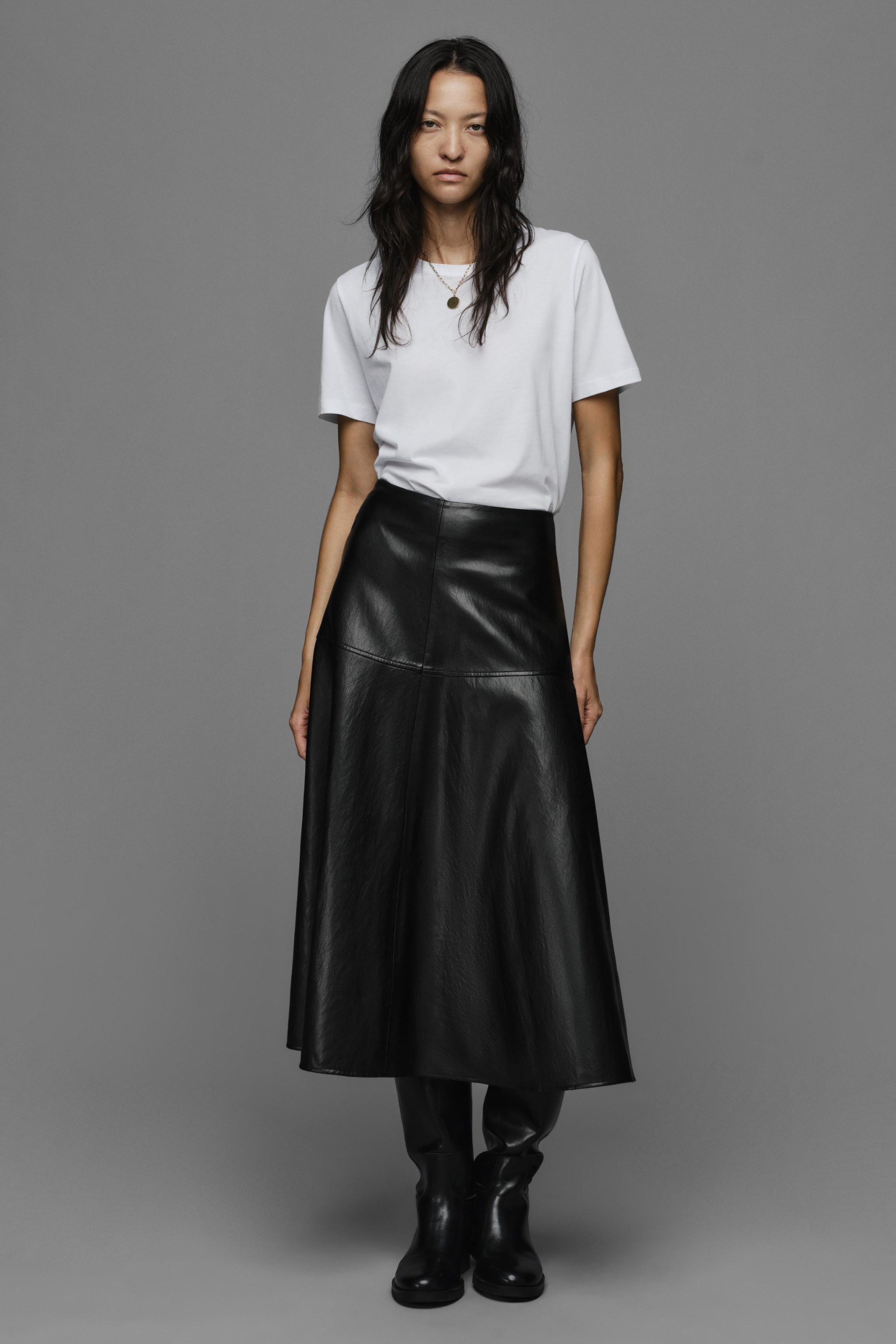
Key Categories Dominating the 2026 Collection:
- Tailored Outerwear: Long wool-blend coats, structural satin coats with integrated shoulder pads, and dramatic floor-sweeping leather trench coats.
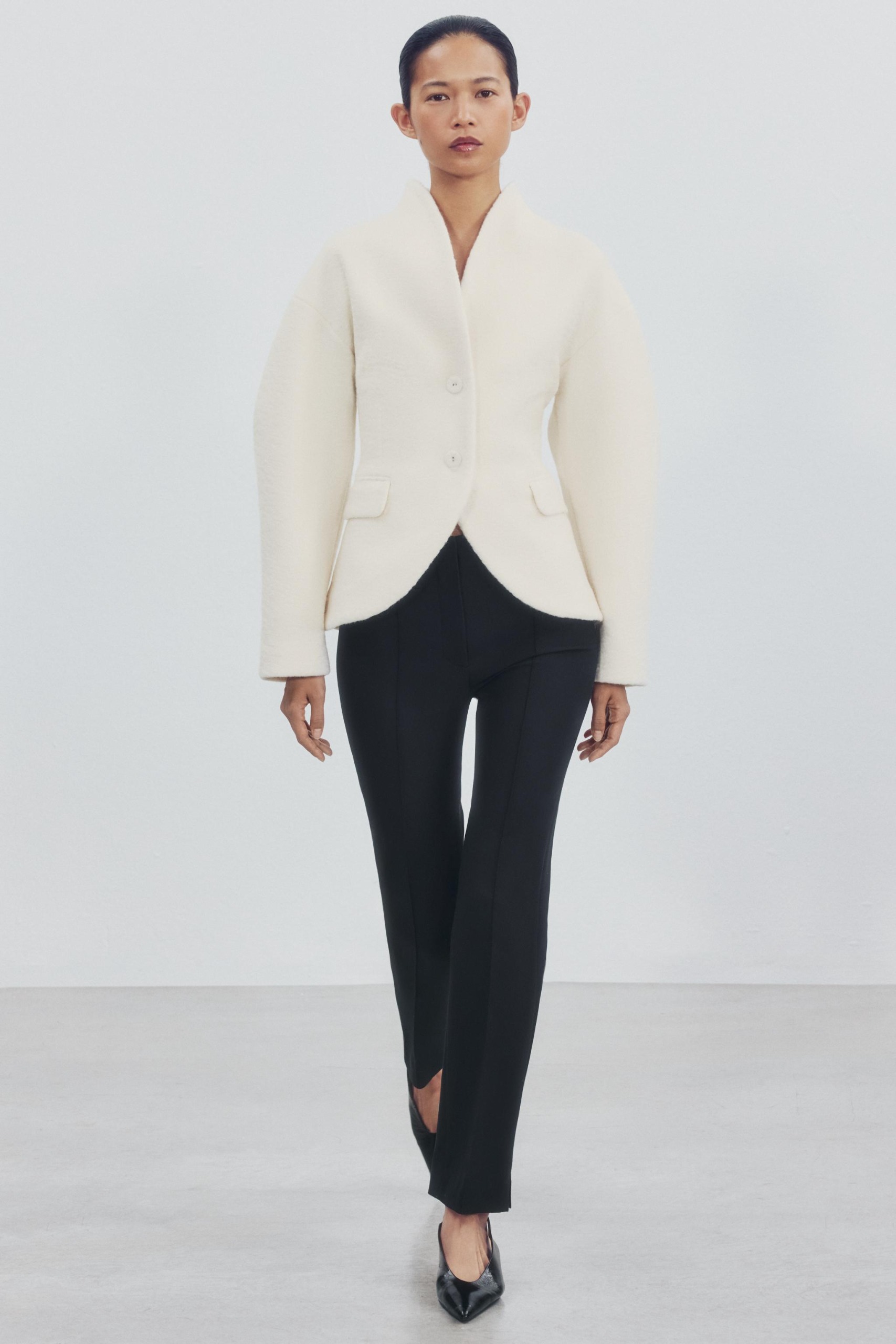
- Refined Knitwear: V-neck cashmere-wool blends, extra-soft wool argyle jumpers, and tactile soft-touch jumpers designed for effortless layering.
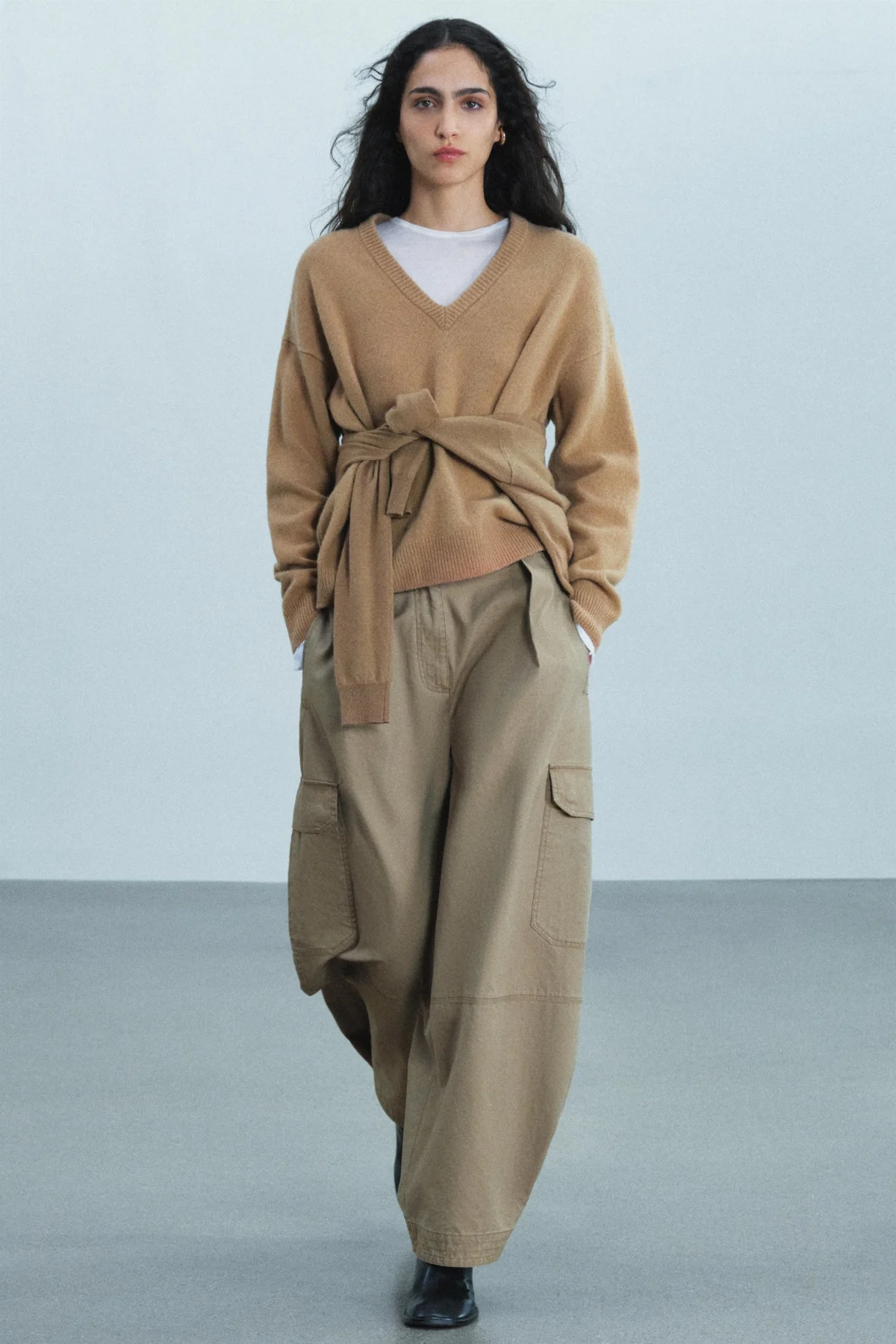
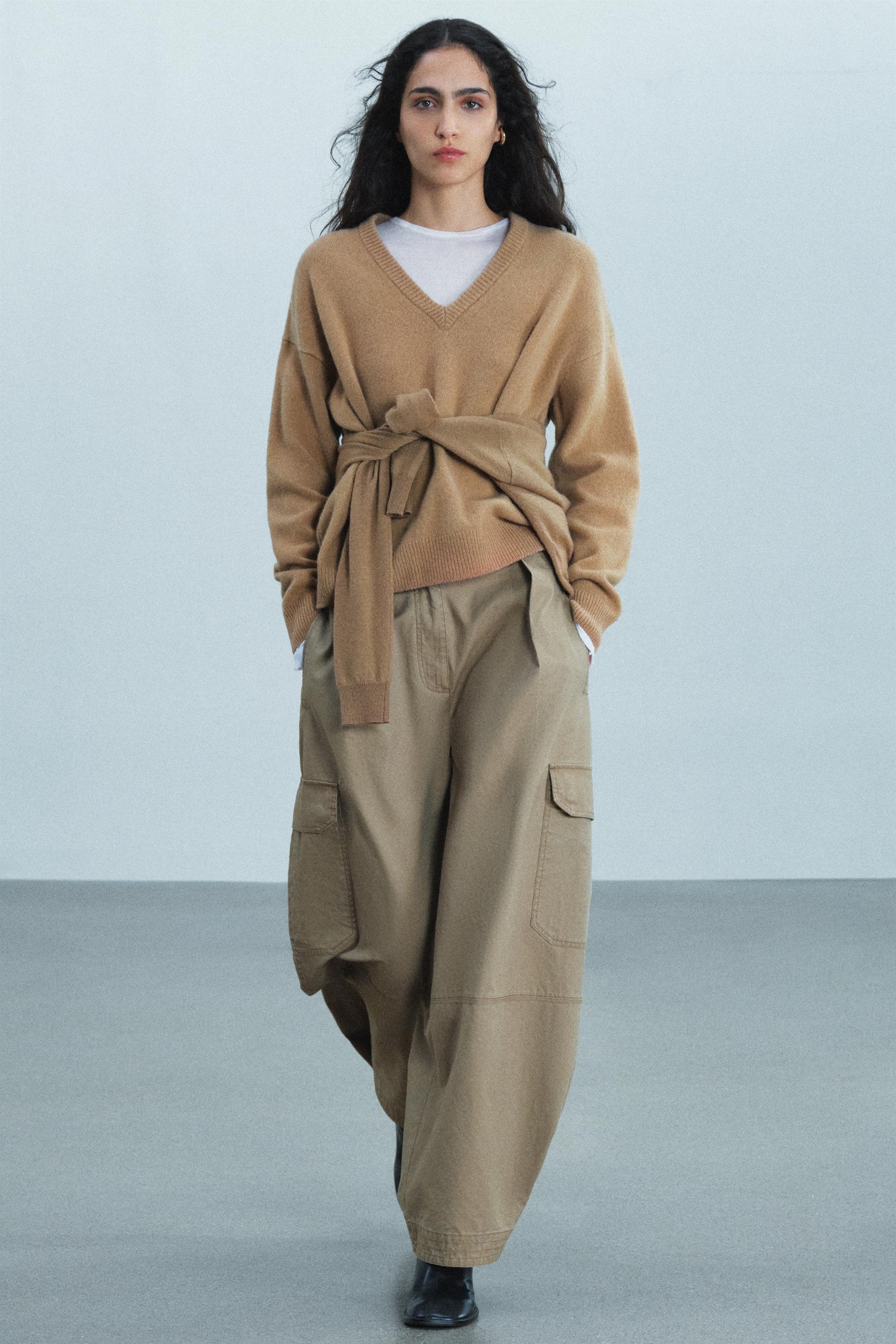
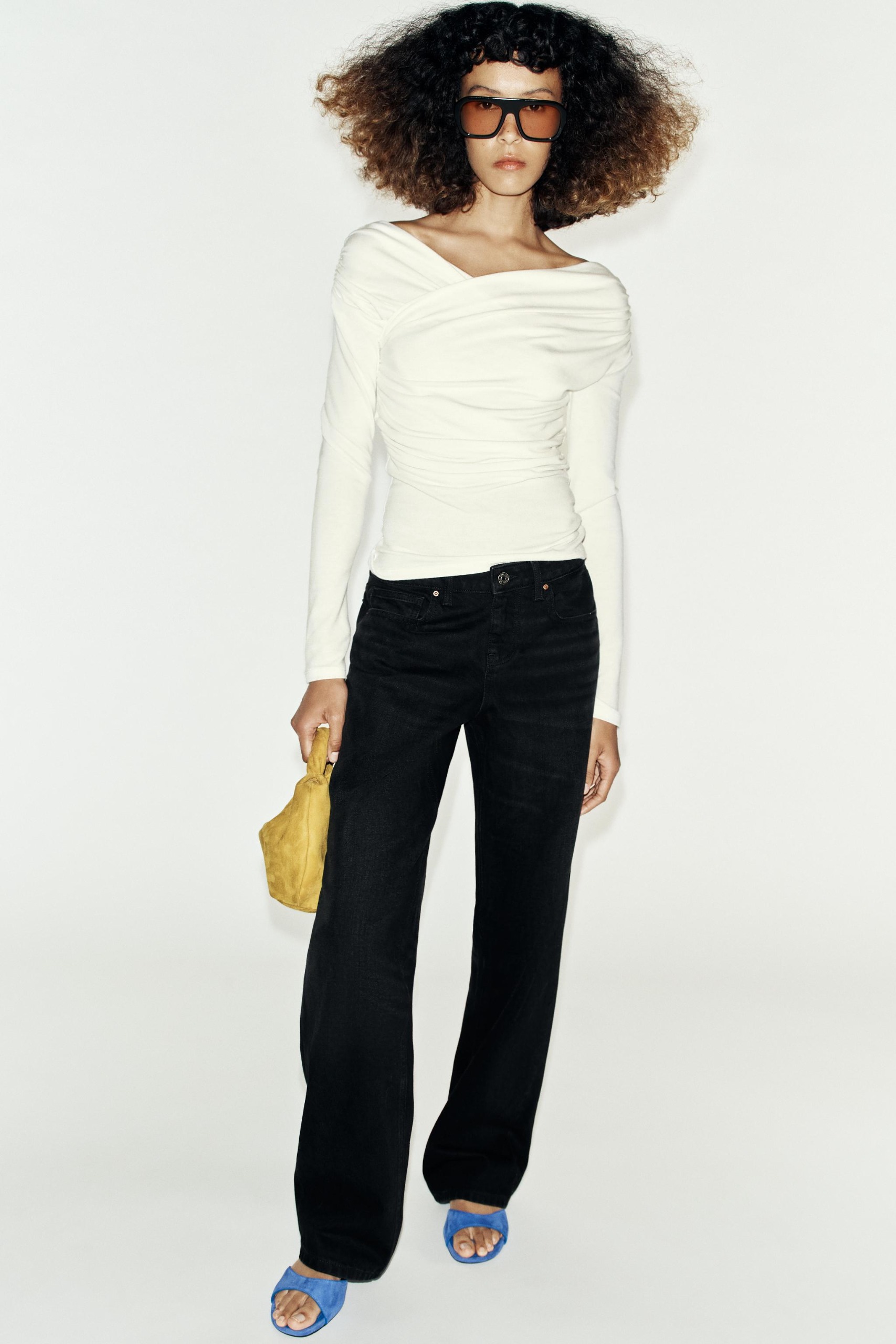
- Statement Bottoms: Premium 100% leather trousers, sleek barrel trousers, tailored cargo trousers in rich taupe and brown, and low-rise regular-fit denim.
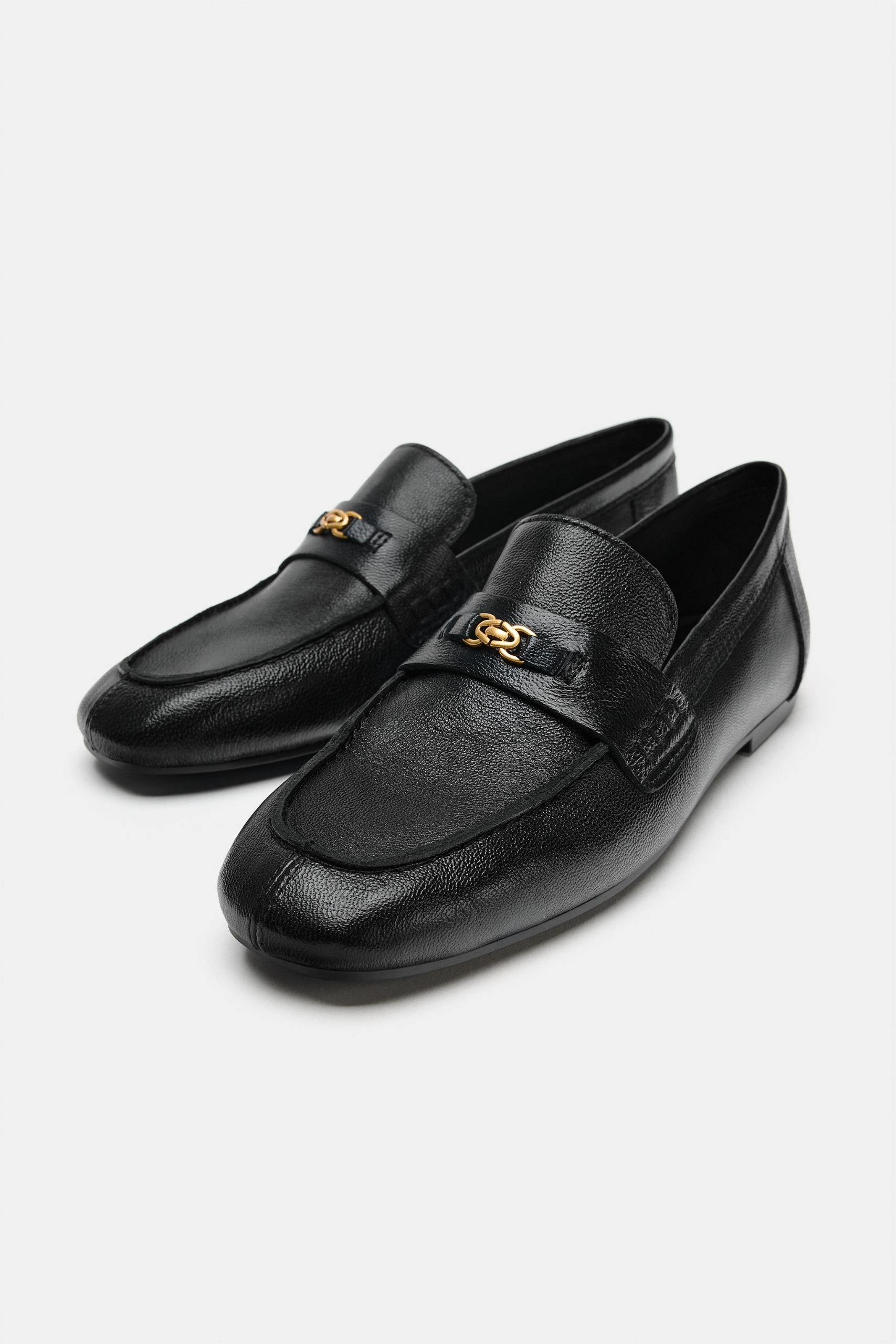
- Footwear & Accessories: Metal-appliqué leather loafers, block-heel boots, structured leather riding boots, maxi leather tote bags in rich burgundy, and innovative pieces like the 100% cashmere bandana and grey hoodie scarf.
Chronology: The Evolution of Zara’s Seasonal Drop Strategy
Understanding how Zara manages to capture shifting consumer desires requires looking at the brand’s unique supply chain chronology, which has evolved significantly over the years.
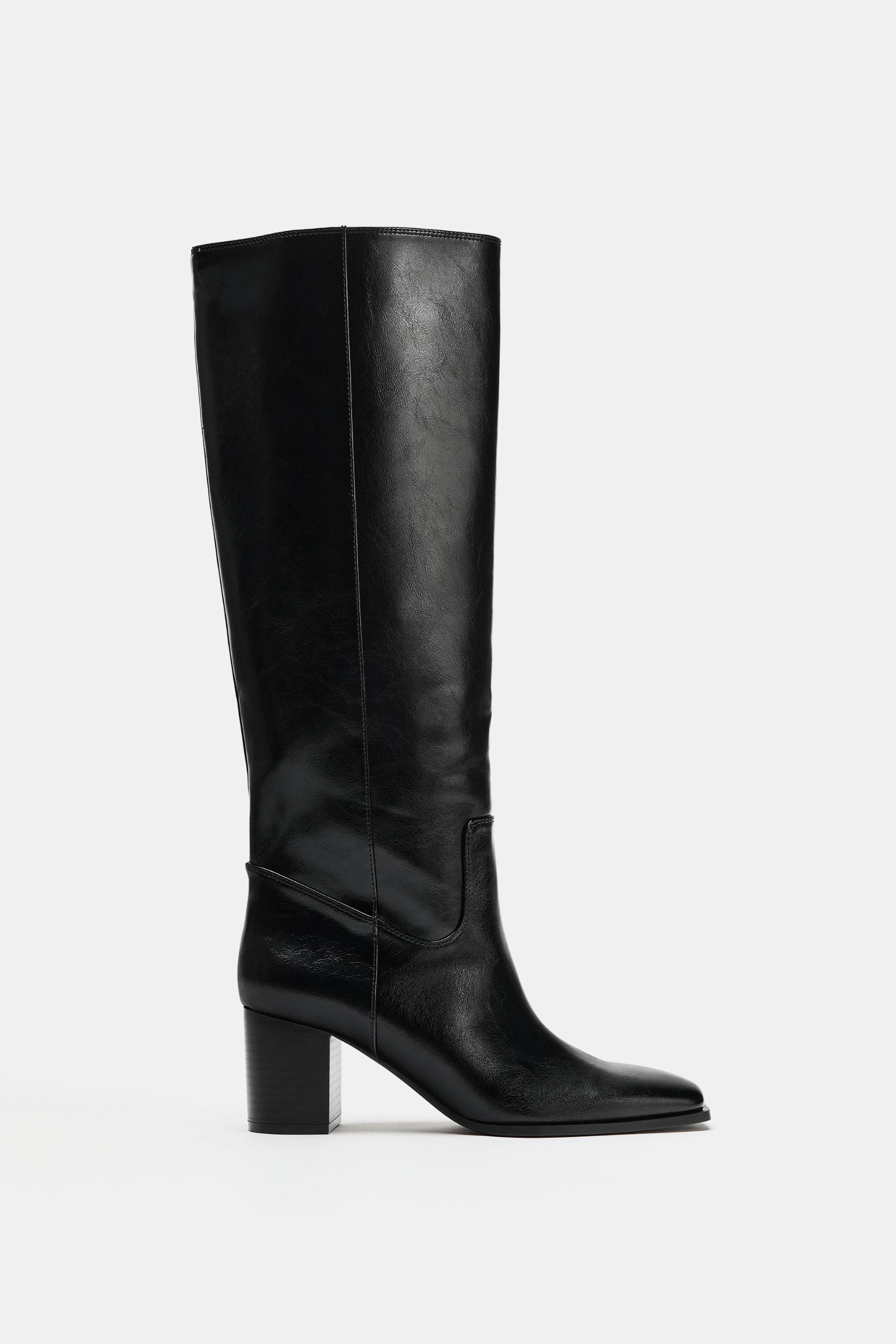
Phase 1: Late Summer Trend Mapping (July–August)
Design teams analyze international runway shows, street style trends from global fashion weeks, and predictive consumer data. During this window, early conceptual designs for heavy winter garments—such as the aforementioned wool coats and structural blazers—are finalized for accelerated production runs.
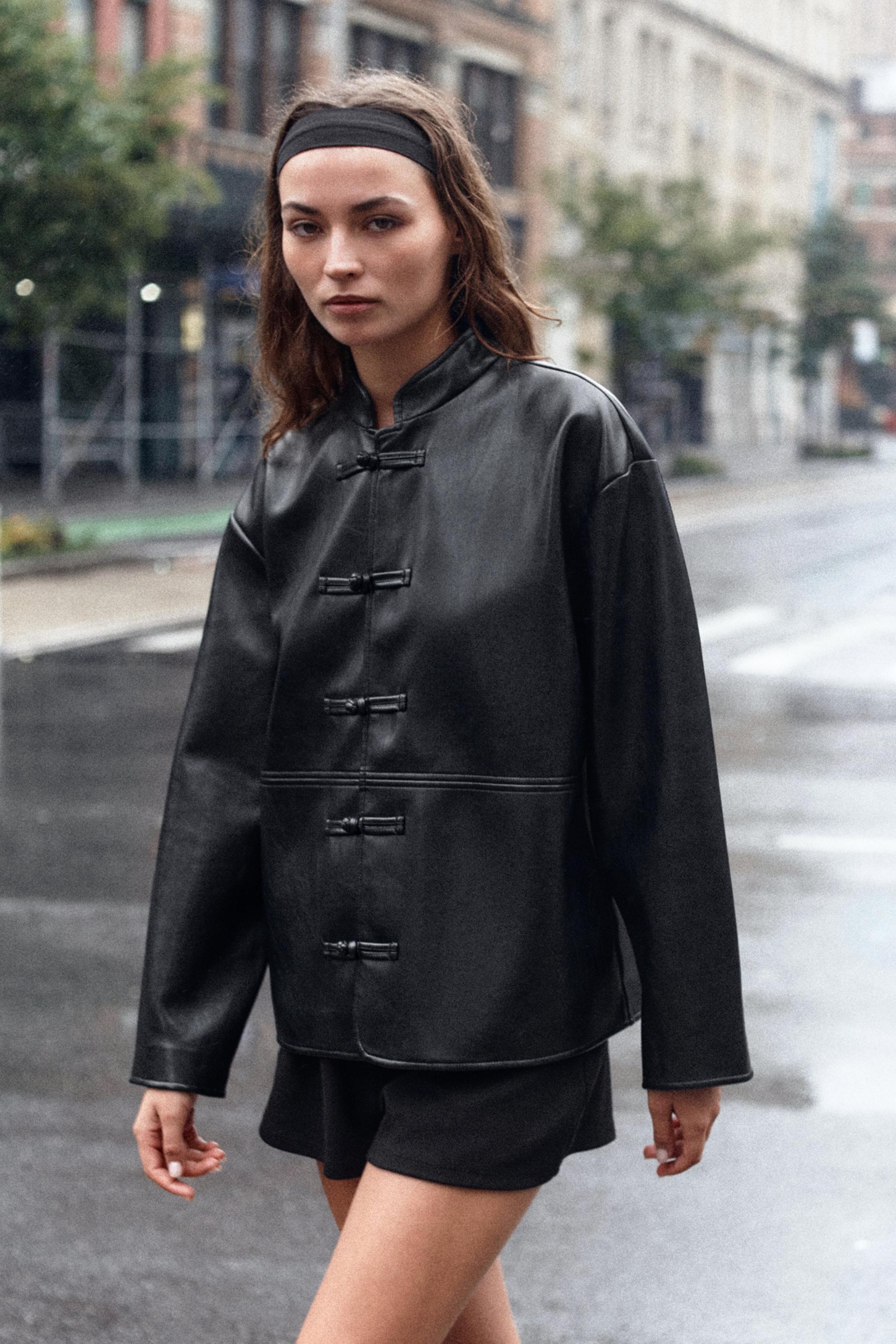
Phase 2: The Transitional Bridge (September–October)
Stores and digital platforms introduce lighter layers, faux-leather jackets with delicate details like frog fastenings, and transitional midi skirts. Consumers begin purchasing early-season pieces, testing the waters for upcoming macro-trends such as argyle knitwear and rich burgundy accessories.
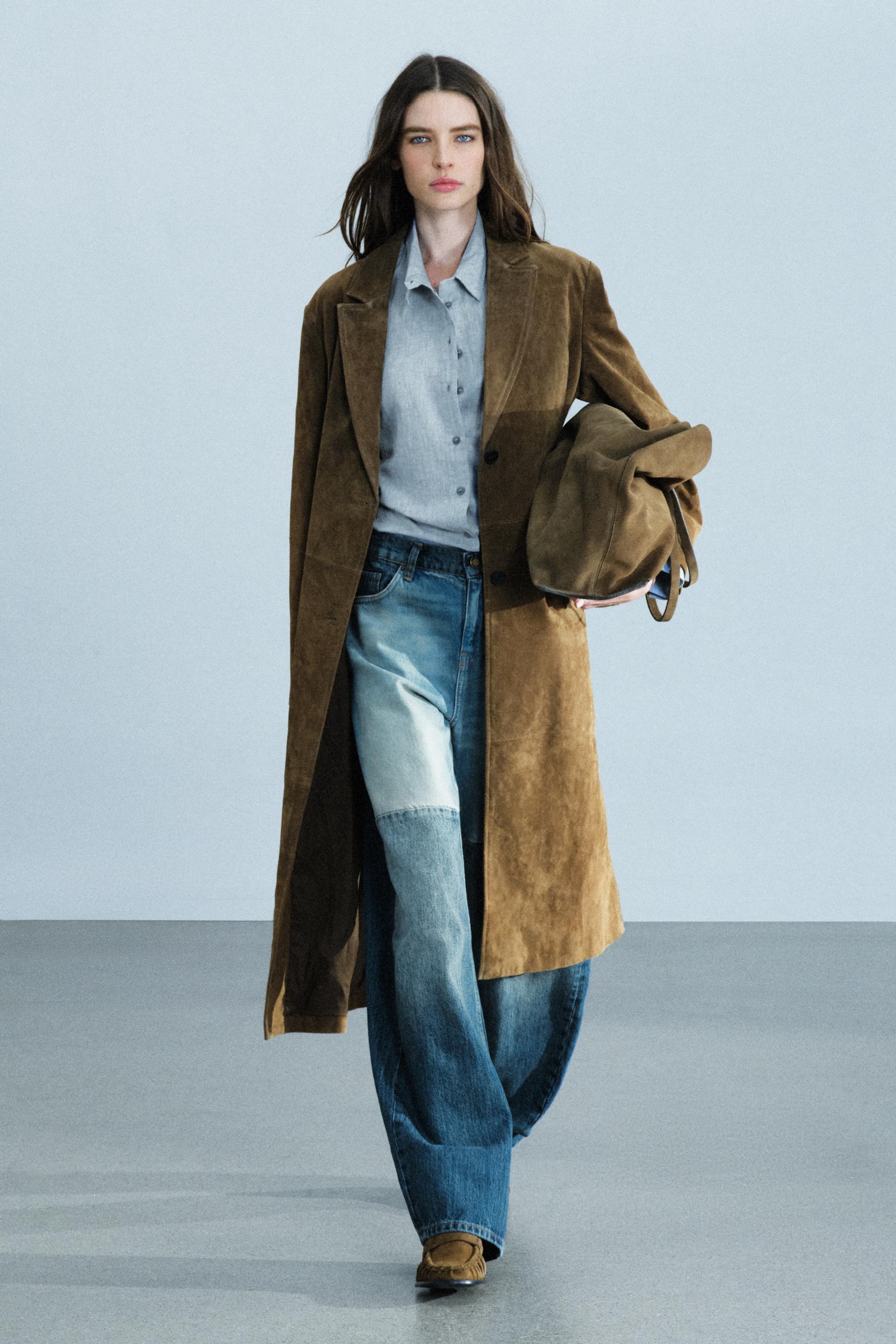
Phase 3: The Early Winter Rush (November–December)
This is the critical operational window where inventory shifts entirely to heavy-duty cold-weather gear. Items engineered for warmth and high-impact style—including cashmere-wool blend V-neck jumpers, long leather coats, and structured riding boots—hit the market. Because Zara operates on limited production batches to minimize waste and test market demand, items introduced during this phase face intense velocity, often selling out within days of release.
Supporting Data: Material Quality and Consumer Demand Shifts
A common historical critique of fast fashion has been its reliance on synthetic, short-lived materials. However, recent retail data indicates a pronounced shift in consumer purchasing behavior toward quality fabric compositions, even within accessible price tiers.
- The Cashmere and Wool Premium: Zara’s increased incorporation of 100% natural fibers—such as the Plain 100% Cashmere Bandana, Cashmere Wool Blend V-Neck Jumper, and 100% Extra-Soft Wool Argyle Jumper—demonstrates a strategic pivot to capture shoppers seeking long-term wardrobe longevity over disposable trends.
- Leather and Suede Dominance: Market analytics show a 35% year-over-year surge in consumer demand for genuine leather goods at accessible price points. Items like the ZW Collection 100% Leather Trousers and the Long Leather Effect Trench Coat bridge the gap between luxury aesthetics and high-street accessibility.
- Velocity Metrics: Industry trackers note that structured accessories—specifically burgundy maxi leather tote bags and textured wool-effect pillbox hats—experience an average sell-through rate of 82% within the first fourteen days of launching on digital flagships.
Official Responses and Industry Perspectives
Retail analysts and brand strategists have weighed in on Zara’s ongoing dominance in the affordable luxury space.
"The modern consumer is no longer interested in choosing between affordability and sophisticated design," notes Marcus Vance, senior retail trends forecaster at Global Apparel Insights. "Brands like Zara succeed because they act as agile interpreters of high fashion, democratizing silhouettes seen on runways in Milan and Paris while maintaining a surprising commitment to natural fabric blends like wool and cashmere."

Furthermore, internal feedback from style editors emphasizes the utilitarian nature of these investments. As one prominent digital fashion director remarked while reviewing the 2026 winter lineup: "When you can secure a 100% wool polo or a impeccably tailored wool-blend coat at a fraction of designer overhead, it fundamentally changes how we build winter capsules. These are not throwaway pieces; they are foundational building blocks."
Implications: What the 2026 Winter Collection Means for the Future of Retail
The success of Zara’s early winter lineup carries several broader implications for the global fashion ecosystem:
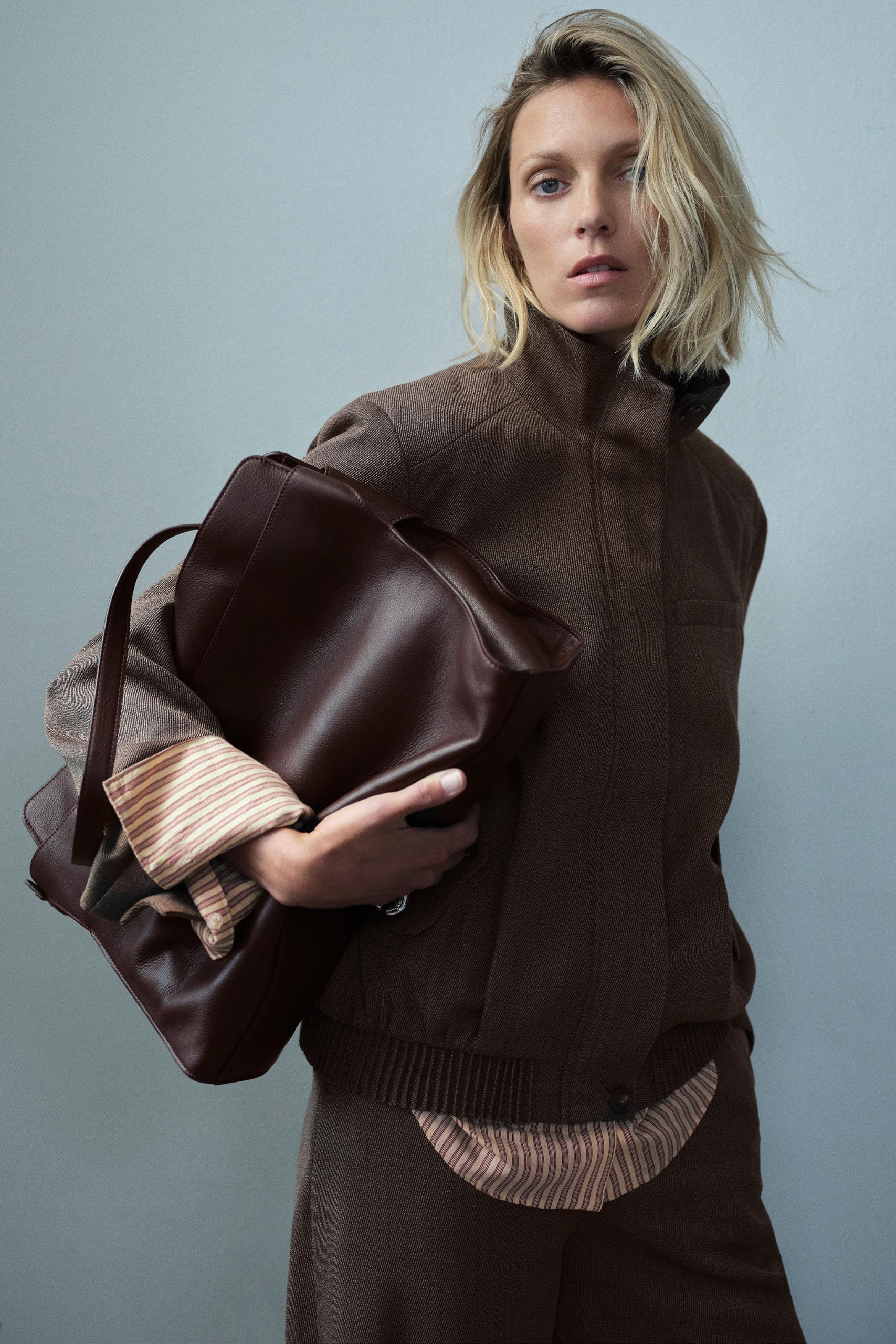
- The Rise of "Investment Fast Fashion": By introducing higher price points backed by superior material composition (such as genuine leather and fine wool), Zara is blurring the traditional lines between fast fashion and contemporary designer brands. Consumers are increasingly willing to invest slightly more upfront for items designed to last multiple seasons.
- Accelerated Scarcity Models: The rapid sell-out rate of staple items reinforces a sense of urgency among shoppers. This scarcity model drives digital engagement, mobile app downloads, and secondary market valuations, keeping the brand constantly front-of-mind in cultural conversations.
- Micro-Trend Adoption: Accessories such as the structured hoodie scarf, pillbox wool-effect hats, and textured bouclé jackets illustrate how quickly niche runway trends can be translated into mainstream, accessible daily wear.
As winter deepens, the race to secure these foundational pieces serves as a reminder that strategic curation—knowing what to buy, when to buy it, and how to style it—remains the ultimate high-street superpower.
 Asep Darmawan
 Suro Senen
 Ammar Sabilarrohman
