

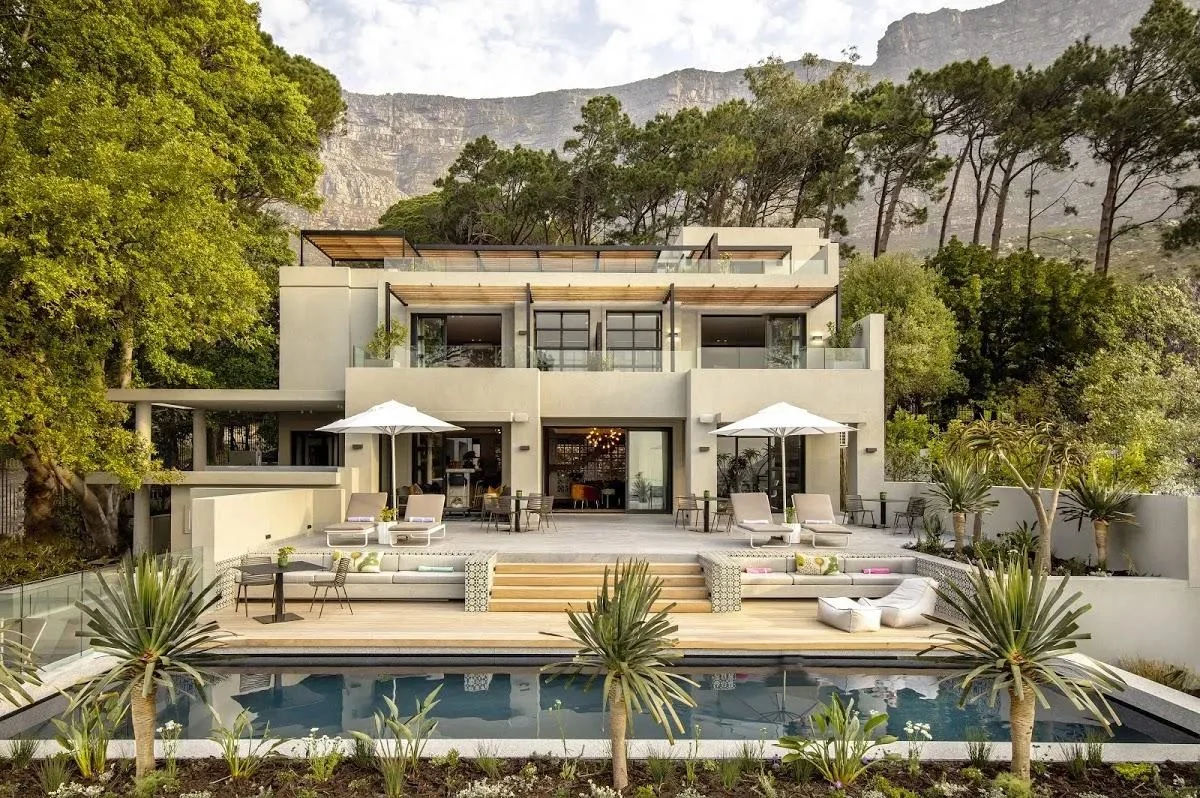
Cape Town is not merely a destination; it is a sensory immersion. Situated where the Atlantic and Indian Oceans converge, the city’s geography is defined by a dramatic mountainous peninsula that curls like a claw into the turquoise depths. Above this rugged coastline, the city sits like a glittering necklace, draped across the slopes of the iconic Table Mountain. For the discerning traveler, the city’s hospitality landscape is as resplendent as its vistas, offering a diverse array of accommodations that capture the very soul of the Mother City.
Main Facts: The Anatomy of Cape Town Hospitality
The modern Cape Town hotel scene is a masterclass in contrasts. Travelers can choose to wake up in a suite with panoramic views of Table Mountain—where the morning light paints the rock face in shades of apricot and gold—or opt for an urban base nestled within the city’s historic center. Here, 300 years of colonial and Cape Dutch architecture provide a stony, soulful foundation for contemporary luxury.
Most of the elite hotels in the city are independent boutiques, prized for their unique character and bespoke service. Whether it is a sprawling manor house or a cutting-edge design hotel, these properties are united by a common philosophy: they are designed for lingering. From infinity pools that appear to drop directly into the harbor to spa retreats that utilize indigenous fynbos botanicals, the hospitality sector in Cape Town is engineered to provide an authentic, elevated experience.
Key Highlights
- Location: Strategic placement ranging from the V&A Waterfront to the lush, historic gardens of the City Bowl.
- Design Philosophy: A fusion of heritage preservation and modern, minimalist aesthetics.
- Service Standard: An emphasis on intuitive, personalized, and "insider" service that connects guests to the local culture.
- Accessibility: Most top-tier hotels are within walking distance of world-class dining, historical landmarks, and cultural hubs.
Chronology: The Evolution of Cape Town’s Luxury Landscape
To understand the current hotel market, one must look at the historical timeline that shaped it. Cape Town’s development as a luxury destination did not happen overnight; it is the result of centuries of cultural layering.
- 17th–18th Century (The Foundation): The establishment of the Cape Colony brought about the unique "Cape Dutch" architecture. Many of the boutique hotels today are housed in restored structures from this era, where thick stone walls and high ceilings maintain a cool, serene interior climate.
- Late 19th Century (The Grand Dame Era): This period saw the rise of iconic establishments like the Mount Nelson. Built to serve the elite travelers arriving via the Union-Castle Line, these hotels established the "Grand Dame" standard of service, afternoon tea rituals, and formal elegance that remains a benchmark for luxury today.
- Late 20th Century (The Waterfront Transformation): The redevelopment of the V&A Waterfront in the 1990s shifted the gravity of luxury tourism. This era introduced large-scale, high-end resorts like the One&Only, bridging the gap between urban convenience and resort-style relaxation.
- 21st Century (The Boutique Renaissance): Over the last two decades, the trend has shifted toward smaller, design-led properties and wine-country retreats. Establishments like Babylonstoren have redefined the "wine retreat," proving that luxury can be as much about the soil, the garden, and the harvest as it is about thread counts and concierge services.
Supporting Data: Why These Stays Lead the Market
When vetting the city’s top accommodations, industry experts look beyond mere aesthetics. According to recent travel industry surveys and editorial reviews by Condé Nast Traveler, the criteria for "best in class" in Cape Town are multifaceted.

The Top Picks: A Profile of Excellence
- Mount Nelson, A Belmond Hotel: Known as the "Pink Lady," this hotel represents the pinnacle of heritage luxury. Its significance lies in its ability to maintain a historical atmosphere while providing a contemporary resort experience, including its famous pool terrace and sprawling gardens.
- Cape Grace: Positioned at the heart of the V&A Waterfront, it is the premier choice for travelers who prioritize proximity. Its strength lies in its logistical convenience—placing guests steps away from the city’s most vibrant shopping, maritime history, and dining scenes.
- One&Only Cape Town: Widely considered the gold standard for families. The resort offers a high density of amenities, including a world-class kids’ club, extensive pool facilities, and family-sized suites that do not sacrifice the "prestige" feel associated with the brand.
- Babylonstoren: Serving as the definitive wine retreat, this property demonstrates the shift toward "agri-luxury." It provides a visceral connection to the Cape Winelands, focusing on seasonal produce, farm-to-table dining, and an immersive outdoor experience that urban hotels cannot replicate.
Official Perspectives and Selection Methodology
The process of selecting these hotels is rigorous. Condé Nast Traveler journalists emphasize that a "top" hotel must do more than provide a bed; it must act as a gateway to the destination.
"When we evaluate a property," notes an editorial source, "we look at the ‘Insider Factor.’ Does the concierge offer genuine local knowledge? Is the design reflective of the Cape’s unique history or its modern creative energy? We prioritize sustainability, but not at the expense of comfort. We look for properties that are actively involved in their local ecosystems—whether that means employing local artisans or sourcing ingredients from nearby organic farms."
The selection process involves:
- Design & Architecture: Assessing the preservation of heritage versus the integration of modern innovation.
- Service & Hospitality: A focus on the "human element"—the staff’s ability to anticipate needs before they are articulated.
- Sustainability: Evaluating the hotel’s commitment to water conservation (critical in Cape Town) and carbon-neutral practices.
- Location: Ensuring that the property offers a distinct vantage point, whether it be a mountain view, a harbor view, or a garden sanctuary.
Implications for Future Travelers
The Cape Town hospitality sector is currently at an inflection point. As global travel trends move toward "slow travel" and meaningful experiences, the city’s hotels are evolving to meet these demands.
The Rise of the "Destination Hotel"
Travelers are increasingly choosing to spend more time within the hotel premises. The "destination hotel" concept, pioneered by places like Babylonstoren, is influencing urban hotels as well. We are seeing more city-center hotels investing in internal cultural programming—curated art walks, private wine tastings, and local lecture series—that turn the hotel into a micro-hub of Cape Town life.

The Sustainability Mandate
Water scarcity and energy efficiency remain the biggest challenges for the Western Cape. The industry’s leaders are now setting the tone for the rest of the region by investing in sophisticated gray-water recycling systems and solar energy infrastructure. For the eco-conscious traveler, choosing a hotel in Cape Town is now an act of supporting these necessary green advancements.
Conclusion: Finding Your Place
Whether you are drawn to the colonial grandeur of the Mount Nelson, the maritime energy of the Cape Grace, the family-focused luxury of the One&Only, or the rustic, agricultural sophistication of the Cape Winelands, Cape Town offers a stay for every archetype of traveler.
The city is a place where you don’t just visit; you reside. By choosing the right base, you gain more than a room—you gain a perspective. You are not just observing the "glittering necklace" of the city; you are becoming a part of the vibrant, historic, and breathtakingly beautiful fabric that makes Cape Town one of the most compelling destinations on the planet. As the city continues to blend its 300-year history with a future-forward approach to hospitality, one thing remains certain: the best way to experience the Cape is to check in, leave your bags, and let the city’s unique, mountainous charm slow your pace to the rhythm of the tides.
 Asro
Asro
 Siti Muinah
