

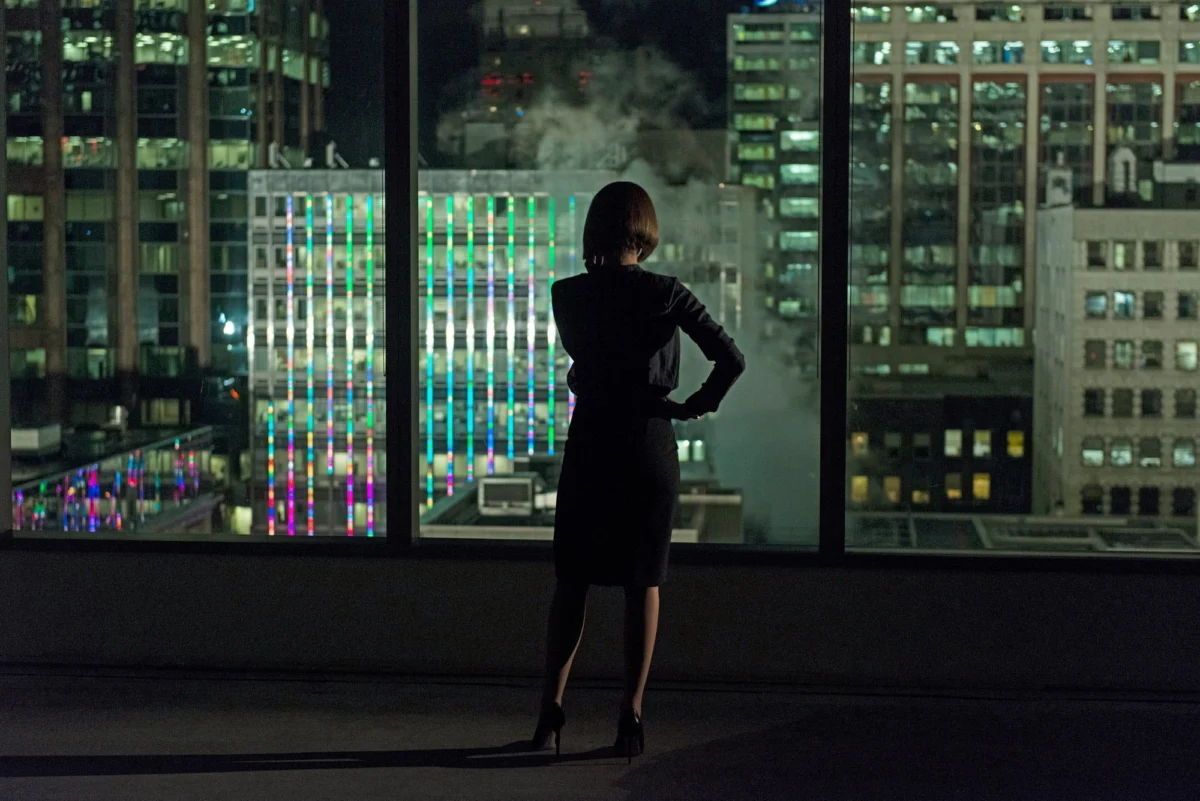
In an era where streaming platforms are inundated with high-budget genre content, true innovation often gets lost in the algorithm. Yet, more than a decade after its initial premiere, Orphan Black stands as a titan of the science fiction landscape. Currently enjoying a resurgence on Netflix, this series is more than just a conspiracy thriller; it is the definitive example of "biopunk" television—a genre that examines the intersection of biotechnology, bodily autonomy, and corporate overreach.
For those who missed its original run, or for those looking to revisit the gripping narrative, Orphan Black offers a masterclass in serialized storytelling, anchored by a central performance that remains arguably the most impressive feat of acting in the 21st century.
The Core Premise: Identity and Agency
At its heart, Orphan Black is the story of Sarah Manning, a British con artist struggling to turn her life around. The series opens on a bleak, rain-slicked train platform in Canada, where Sarah witnesses a woman—identical to her in every physical way—take her own life by stepping in front of a train. In a moment of desperate opportunism, Sarah assumes the dead woman’s identity, only to discover that the woman was a police detective named Beth Childs.
This inciting incident launches Sarah into a labyrinthine conspiracy. She quickly realizes she is not a singular person but one of many clones—the product of a clandestine, unethical human experimentation program run by the Dyad Institute. The show’s tension derives from this fundamental horror: Sarah and her "sisters" are property, monitored, manipulated, and experimented upon by forces that view them as nothing more than biological data points.
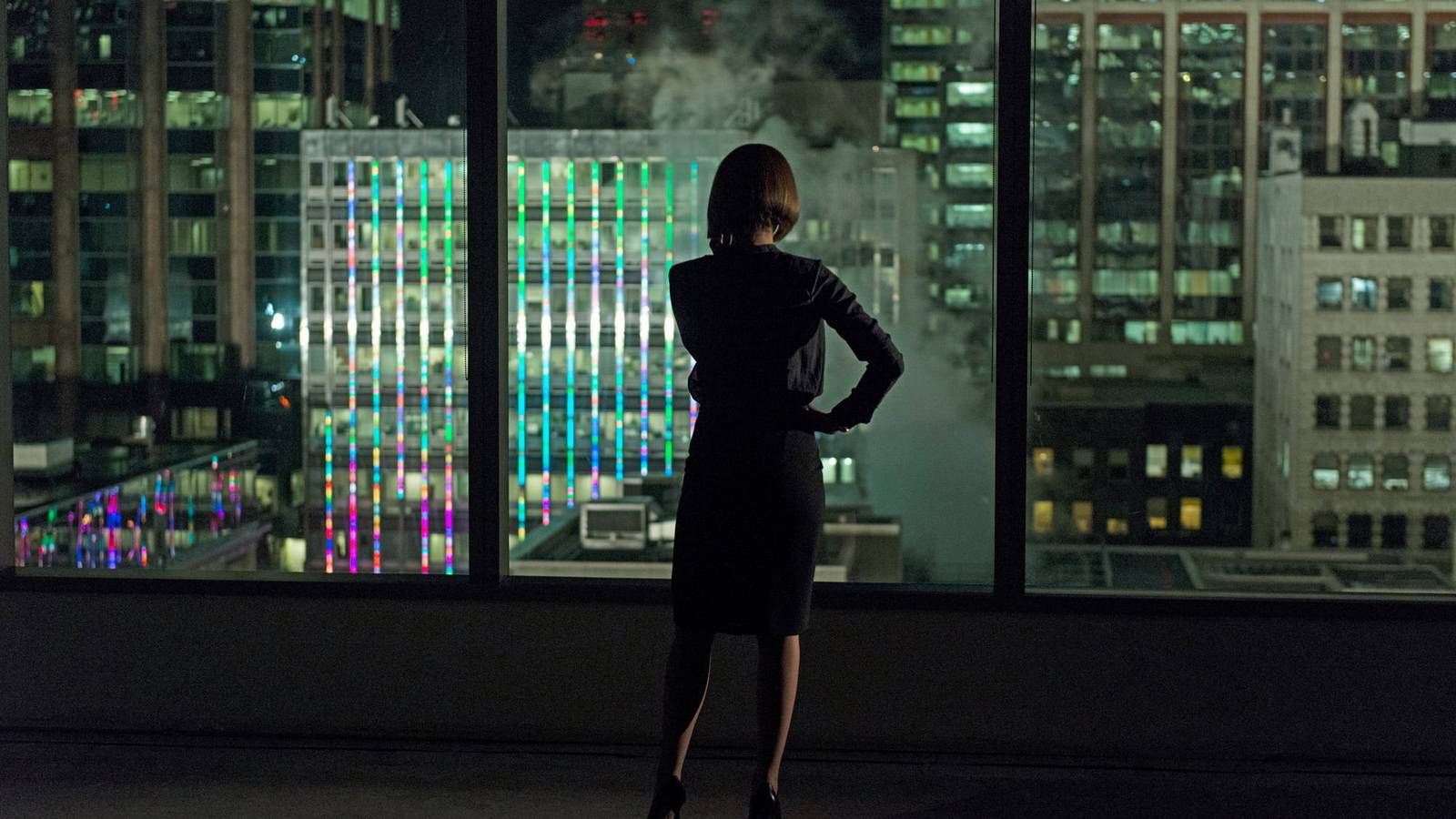
A Technical Marvel: Tatiana Maslany’s Chameleon Act
The technical achievement of Orphan Black cannot be overstated. Tatiana Maslany, who was relatively unknown at the time of the show’s 2013 debut, portrays 17 distinct clones across the series’ five-season run.
In a pre-AI-deepfake era, the show utilized ingenious practical effects, green screens, and Maslany’s own uncanny ability to inhabit disparate personas. From the uptight, suburban soccer mom Alison Hendrix to the brilliant, neurotic scientist Cosima Niehaus and the volatile, religious fanatic Helena, each character feels like a fully realized human being. Watching Maslany interact with herself—hugging, fighting, or dancing—remains a "magic trick" that never loses its luster. Even with a decade of CGI advancements, the emotional resonance of these interactions far surpasses modern counterparts.
Chronology of the Clone Conspiracy
To understand the cultural footprint of Orphan Black, one must look at how the show evolved from a niche BBC America thriller to a global phenomenon:
- 2013 (Season 1): The Hook. The show begins as a tight, fast-paced mystery. Sarah uncovers her nature as a clone and begins to bond with her sisters, forming the "Clone Club."
- 2014-2015 (Seasons 2-3): The Expansion. The narrative scope widens to include the Dyad Institute’s corporate structure and the Proletheans, a religious cult that views the clones as an abomination.
- 2016 (Season 4): The Prequel/Refocus. The writers pivoted to explore the origin of the experiment, focusing heavily on the "Castor" (male) clones and the dark history of the science involved.
- 2017 (Season 5): The Conclusion. The final season strips away the unnecessary bloat, refocusing on the original sisters as they fight to reclaim their autonomy from their creators.
The Philosophy of Biopunk: Why It Matters Now
Biopunk differentiates itself from cyberpunk by shifting the focus from the digital to the organic. While Ghost in the Shell or Cyberpunk 2077 obsess over silicon, circuits, and synthetic limbs, Orphan Black obsesses over DNA, hormones, and the visceral reality of the human body.

The show poses uncomfortable questions that feel increasingly prophetic in our current era of CRISPR technology and private genetic data harvesting:
- Who owns the blueprint of a human?
- What happens when corporations treat human subjects as intellectual property?
- Does genetic similarity dictate identity?
The series posits that while science can replicate the body, it cannot replicate the soul. The clones are biologically identical, yet they are distinct individuals shaped by their environments, traumas, and choices. This distinction is the bedrock of the show’s emotional core, providing a poignant commentary on how women’s bodies have historically been sites of regulation and control.
Behind the Scenes: The Creative Powerhouse
The series was created by John Fawcett and Graeme Manson. Their prior filmography—which includes the cult classic Ginger Snaps (a metaphorical look at puberty through lycanthropy) and the claustrophobic thriller Cube—perfectly prepared them for the tone of Orphan Black. They brought a "pulp-fiction" sensibility to the show, ensuring that while the science was dense and the themes heavy, the pacing remained electric.
Implications and Lasting Legacy
Though the show faced some narrative hurdles—most notably during the introduction of the male clones, which some critics felt diluted the show’s unique focus on female agency—it ultimately succeeded because it never lost sight of its characters.
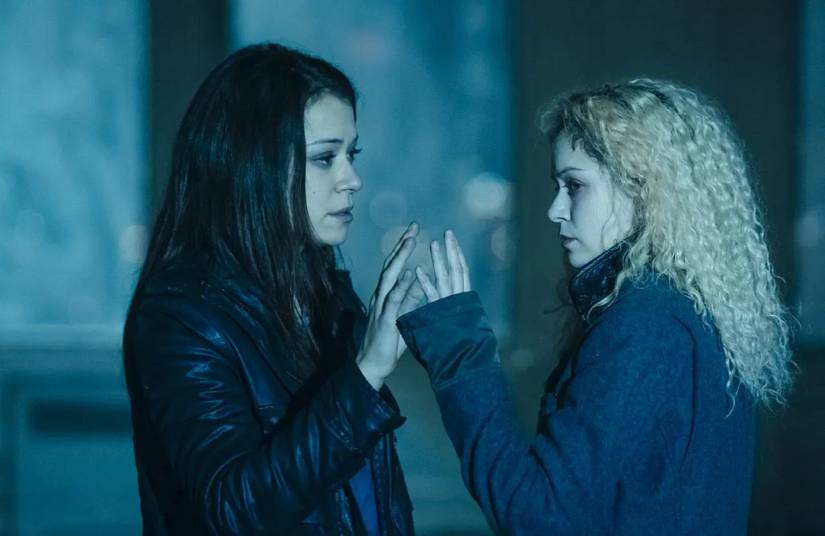
Today, Orphan Black serves as a benchmark for how to balance high-concept science fiction with intimate character drama. Tatiana Maslany’s trajectory post-Orphan Black—leading Marvel’s She-Hulk and starring in various high-profile dramas—is a testament to the talent that the show not only showcased but helped forge.
Why You Should Watch It Now
If you are looking for a show that balances the heart-pounding suspense of a thriller with the intellectual curiosity of a hard sci-fi novel, Orphan Black is waiting. It is a rare gem that respects its audience’s intelligence, offering a story that is as much about sisterhood and identity as it is about the ethics of science.
In a modern world where our genetic information is increasingly digitized and sold, the themes explored in the show are more relevant than ever. Orphan Black reminds us that regardless of what happens in a lab, the power to define who we are remains, ultimately, our own. As we navigate the complexities of the 21st century, the cautionary tale of the Dyad Institute stands as a vital piece of television history.
 Nana Muazin
 Layla Zulfa
 Basiran
