By Fashion & Culture Desk Published: September 2026
Main Facts: The Multifaceted Renaissance of Pamela Anderson
When cultural historians trace the lineage of iconic blondes throughout history, the narrative invariably glides from Marilyn Monroe to Pamela Anderson. This enduring cultural comparison recently gained institutional backing when director Sofia Coppola succinctly summarized Anderson’s modern cultural footprint: "She is the Marilyn of our time."
Much like Monroe—who transitioned from a pinup model to a dramatic cinematic force—Anderson has spent recent years executing a profound artistic and public rebrand. Far from resting on the laurels of her 1990s pop-culture ubiquity, the 59-year-old has established herself as a bonafide performance artist, literary voice, and sought-after cinematic presence.
Her current artistic renaissance stems from a convergence of critical acclaim and intentional self-reinvention. Following her vulnerable performance in Gia Coppola’s The Last Showgirl (2024), Anderson’s acting résumé has experienced an explosive revitalization. She has taken on diverse roles in high-profile projects, including Akiva Schaffer’s Naked Gun reboot, Karim Aïnouz’s Rosebush Pruning, and Kornél Mundruczó’s drama Place to Be. Furthermore, her slate of upcoming projects features collaborations with auteur-driven directors, including Michael Cera’s Love Is Not the Answer, Brian Klugman’s Somedays, and Sally Potter’s Alma.
Yet, Anderson’s metamorphosis extends far beyond the silver screen. Navigating an exhaustive international travel schedule throughout September 2026, she dominated headlines across Venice, New York, and Milan. Surprisingly, she accomplishes this high-wire balancing act entirely on her own terms.
"I have a small personal wardrobe and wonderful alliances with brands that dress me for events," Anderson reveals in an exclusive interview. "I deal with them directly—I do not have a stylist."
Chronology: A Whirlwind September Across Global Capitals
The month of September 2026 stands as a testament to Anderson’s relentless work ethic and ubiquitous cultural reach. Her itinerary mapped out a global tour of film premieres, high-fashion galas, and literary milestones, all while channeling the romantic, larger-than-life aesthetic of classic Italian cinema—specifically the films of Federico Fellini.
Venice Film Festival and Early September
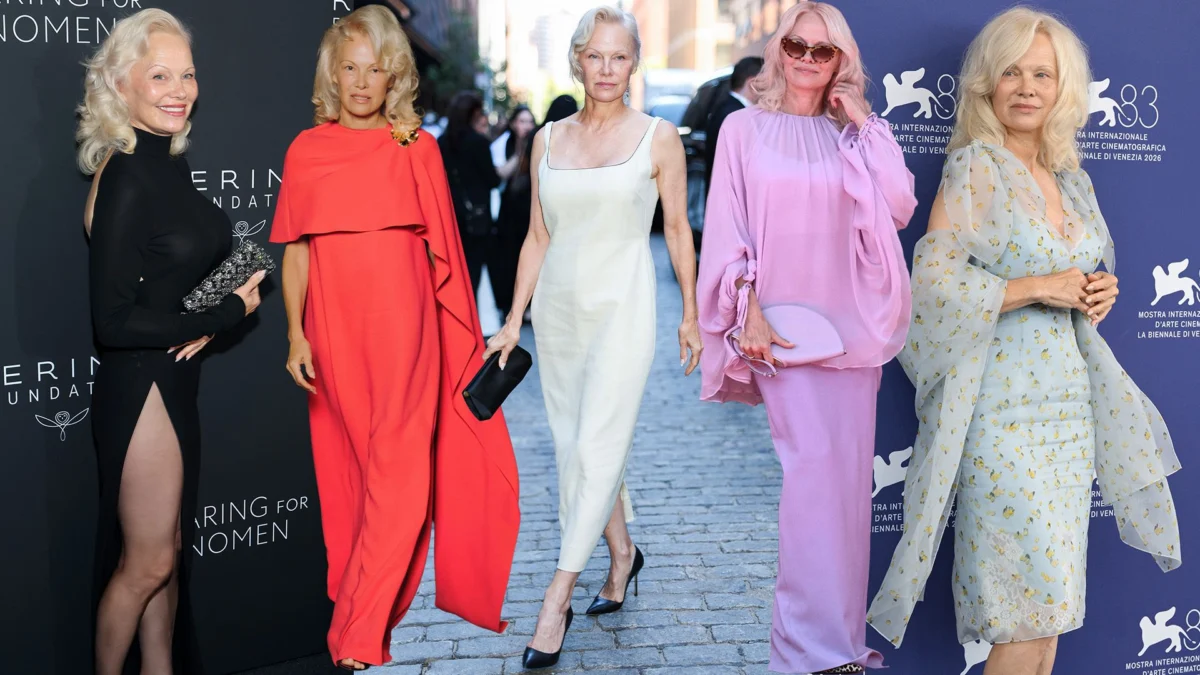
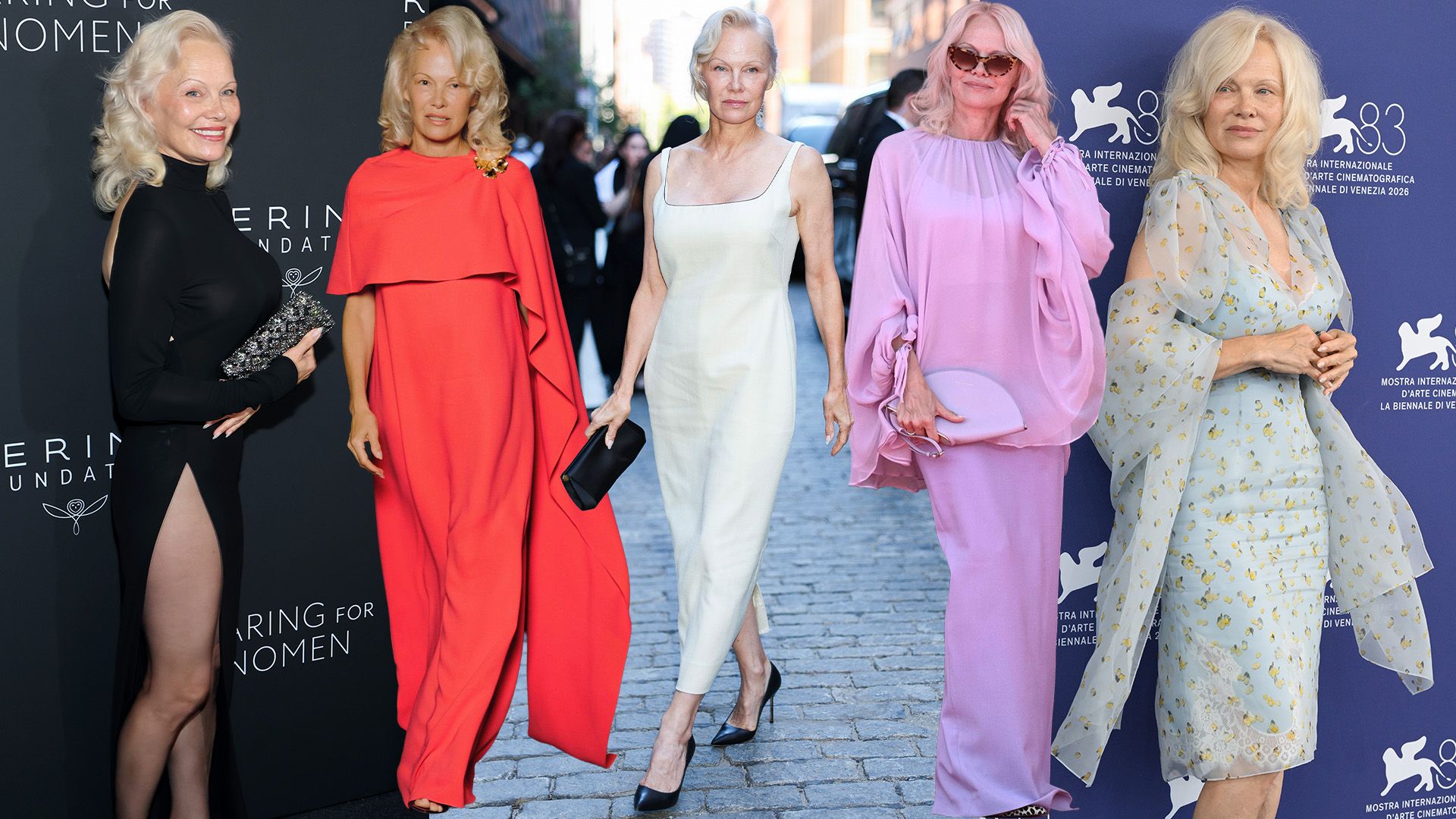
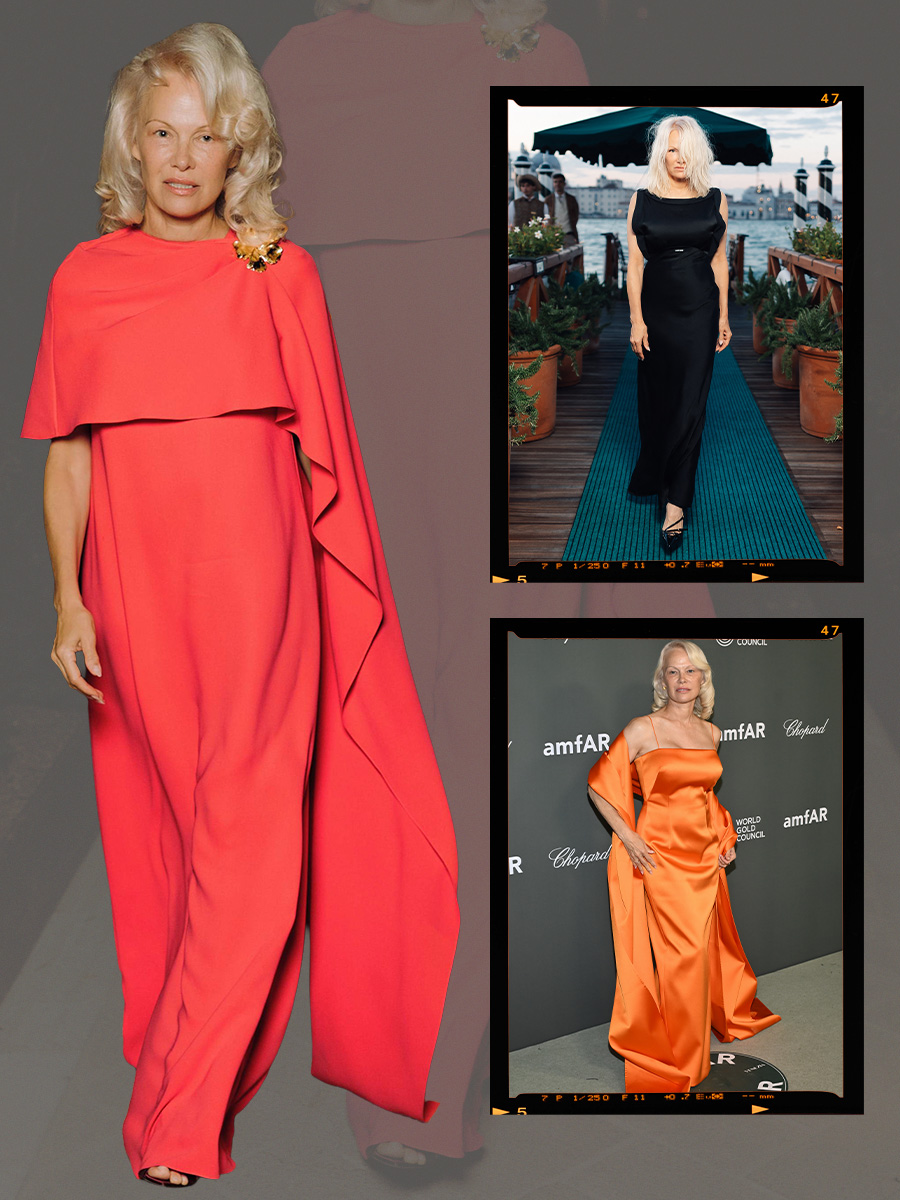
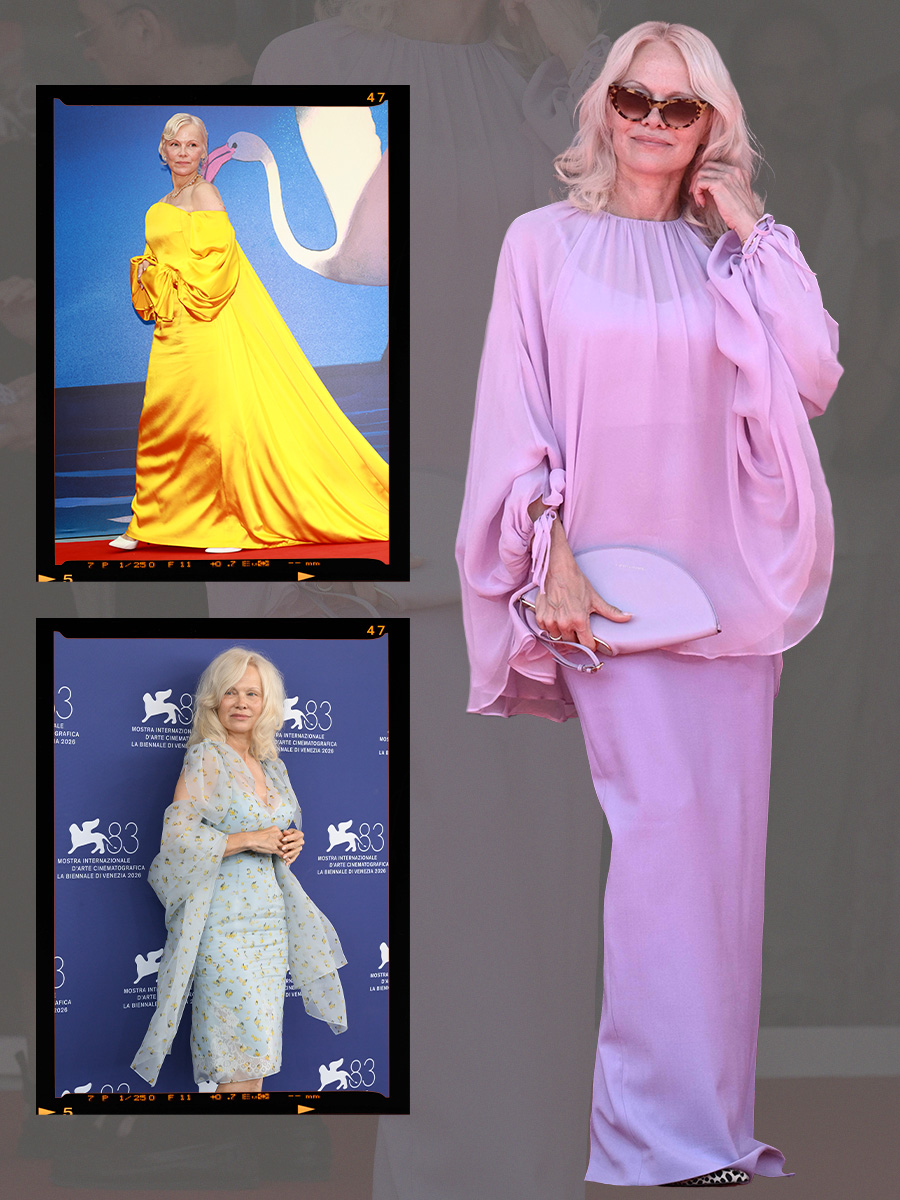
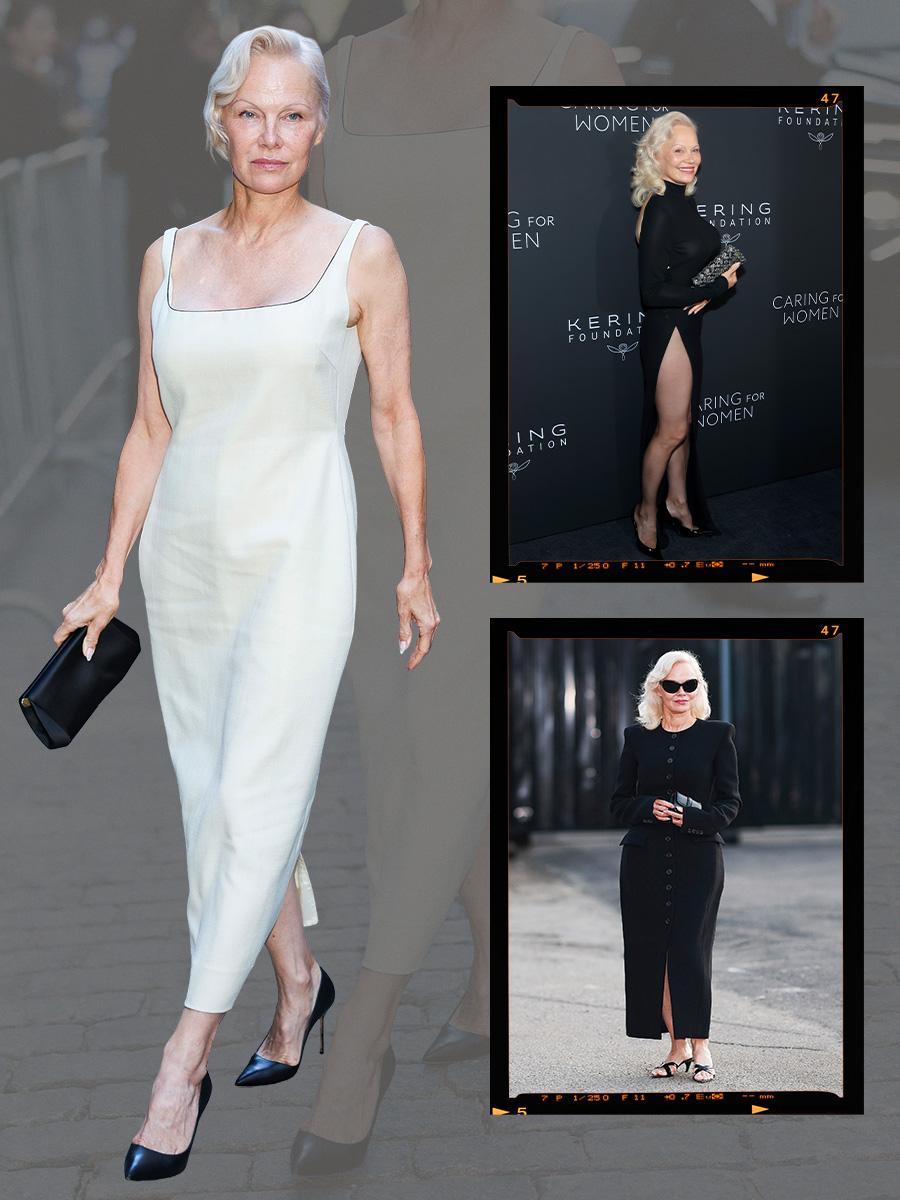
Anderson kicked off the month at the prestigious Venice Film Festival. Arriving to support the premiere of Kornél Mundruczó’s Place to Be on September 9, she captured the international press corps with a trio of sunset-inspired looks: one designed by Monse and two by Carolina Herrera.
Prior to the red carpet, Anderson’s Venice calendar was packed:
Golden Globes Party: She appeared in custom Oscar de la Renta.
Miu Miu Intimate Dinner: Dressed head-to-toe in Miu Miu.
amfAR Gala: Honored for her philanthropic contributions while wearing minimalist Calvin Klein.
New York Fashion Week and the Kering Foundation
Leaving the canals of Italy behind, Anderson immediately crossed the Atlantic for New York Fashion Week. Her schedule was equally punishing and glamorous:
Co-hosted the prestigious Kering Caring for Women Dinner in a striking Gucci gown.
Sat front row at runway presentations for Calvin Klein, Khaite, and Carolina Herrera.
Attended the Hublot x Jeff Koons launch event draped in Magda Butrym.
Milan and Vogue World
Following her New York engagements, Anderson looped back to Europe, touching down in Italy for Vogue World Milan, where she graced the front row wearing Ferragamo on Tuesday, September 22.
Despite the dizzying pace, Anderson maintains that her travel and public appearances are extensions of her internal creative landscape. "I thought of Fellini," she notes, reflecting on her sartorial choices. "How would I get his attention to put me in a film? Maybe it’s all an audition."
Supporting Data: The Anatomy of a Style Without a Stylist
In an era dominated by mega-agency celebrity stylists, Instagram algorithms, and predictable trend forecasting, Anderson’s DIY approach to fashion is an anomaly. By bypassing traditional image-makers, she has transformed her wardrobe into an intuitive barometer of her self-worth and empowerment.
Event / Appearance
Location
Primary Designer / Brand
Aesthetic Inspiration
Venice Film Festival Premiere
Venice, Italy
Carolina Herrera & Monse
Colors of the sunset / Fellini cinema
amfAR Gala
Venice, Italy
Calvin Klein
Minimalist elegance
Kering Caring for Women Dinner
New York, NY
Gucci
Empowered philanthropy
Vogue World Milan
Milan, Italy
Ferragamo
Italian cinematic royalty
Hublot x Jeff Koons Launch
New York, NY
Magda Butrym
Contemporary artistic edge
Beyond her physical wardrobe, Anderson’s beauty and lifestyle choices underscore her holistic philosophy. Rejecting heavy, hyper-processed cosmetics in favor of her work with Sonsie Skin, she leans toward primitive, ancient notions of beauty. Her signature scents are self-created "love potions"—bespoke oil and essence blends that resist mass-market commercialization.
Furthermore, her digital presence on Substack—edited in collaboration with her son, Dylan—serves as an unfiltered extension of her internal world. Striking a balance between esoteric poetry and grounded reflection, the platform has become a vital communication tool, allowing her to process a lifetime of public scrutiny.
Official Responses and In-Depth Interview Excerpts
In an intimate conversation, Pamela Anderson opens up about her creative process, her deep-seated shyness, and her relentless pursuit of artistic authenticity.
On Film Festivals and Creative Camaraderie
"I’m über-focused on career, and film festivals are brimming with filmmakers—true auteurs. I want to be seen amongst fellow creative people, so it’s fun, and I get an unexpected amount of love and camaraderie. As for a career, there are many variables. You can be a good actor in a bad movie and vice versa. But it’s hard to say again it’s all subjective. It’s a team sport. I kind of like how I’m doing it—I guess I’ve always known how to get attention. Good or bad. Even if subconsciously, I can trigger emotion."
On Performance Art and the Hollywood Machine
"My style has always been on purpose. It’s always been who I was in the moment. I don’t think I’ve ever chased trends… but my moods, my self-worth, my self-empowerment has been a barometer and what dictates how I present myself to the world. I’m a performer. Jeff Koons called me a performance artist. Friends used to tell me Andy [Warhol] would’ve loved me—it’s the greatest compliment. It’s not necessarily about beauty. I’ve always felt a little funny looking—unsymmetrical. I’m not trying to be ‘pretty’ (for pretty’s sake)—that’s only an opinion anyway and subjective."
On Working with Legends and Finding Her Voice
Discussing her role in Place to Be alongside acting royalty Ellen Burstyn, Anderson reflects on her theatrical education and cinematic idols:
"She is the queen and is one of my favorite actors—Ellen Burstyn, Gena Rowlands, Liv Ullmann. I was watching Bergman’s Autumn Sonata while filming Place to Be—I was happy when I was compared to a Bergman actress in the film. It was exhilarating. I’m still learning, searching, exploring. But I know I’m a vessel for something good. I have unique power and a messy kind of grace, and it’s my goal. I want to be good at this, no matter what it takes. I gave up on wanting to feel accepted long ago."
On Shyness Versus the Public Persona
Despite commanding the attention of global fashion weeks and international red carpets, Anderson confesses a deep-seated introversion:
"I’m not very social, but I love the idea of a ‘socialite’—it all interests me. Every day is an adventure. Life is the big picture, but you live in moments and prepare for greatness. Always. I don’t feel comfortable around false people… I just go into things feeling my awkward feelings. It’s brave. It takes courage. And it’s never seamless when it’s honest."
Implications: Redefining Aging, Autonomy, and Auteur Cinema in the 2020s
Pamela Anderson’s trajectory in late 2026 holds profound implications for both the entertainment industry and the cultural perception of aging women in the public eye.
For decades, Hollywood and tabloid media relegated women of a certain era to static archetypes, boxing them into nostalgia acts or forcing early retirement. Anderson’s second act shatters this paradigm. By aligning herself deliberately with auteur directors—moving away from commercial blockbuster formulas and diving headfirst into psychological dramas, European art-house aesthetics, and theater—she has proven that cultural relevance is not bound by chronological age.
Furthermore, her rejection of traditional celebrity styling mechanisms points toward a shifting paradigm in fashion relations. By cultivating direct relationships with heritage houses like Carolina Herrera, Gucci, and Calvin Klein, Anderson asserts absolute autonomy over her image. She is no longer a canvas for someone else’s mood board; she is her own creator, director, and muse.
As she looks toward future projects—including a self-professed desire to star in a romantic European drama—Anderson’s legacy is undergoing a permanent, glittering re-evaluation. She is no longer just a pop-culture artifact of the 1990s; she is a living study in reinvention, proving that with enough courage, introspection, and artistic integrity, an artist can rewrite their own narrative entirely.


 Raul Delapena Setiawan
 Nana Muazin
 Laily UPN
