

Christopher Nolan has long occupied a singular space in the Hollywood ecosystem. He is the rare auteur who possesses the leverage to command massive nine-figure budgets while maintaining total creative autonomy, effectively operating as a one-man studio within the machinery of global distribution. With his latest project, The Odyssey, Nolan is once again defying the industry’s well-oiled playbook. By eschewing the traditional "influencer screening" circuit—a staple of modern blockbuster marketing—Nolan is not just protecting his film; he is fundamentally challenging how the public consumes, discusses, and anticipates cinema in the digital age.
The Disruption of the Influencer Economy
For the better part of the last decade, the release strategy for major studio tentpoles has followed a predictable, algorithmic path. Weeks before a film hits wide release, studios host "first-look" screenings for a curated list of social media influencers, content creators, and professional superfans. These events are designed to cultivate a specific, often uniform, wave of positive sentiment that floods X (formerly Twitter), TikTok, and Instagram, establishing a narrative of "must-see" status long before the formal review embargo lifts.
These screenings serve as a form of controlled, pre-release word-of-mouth. While these appraisals are not always uniformly positive, they are inherently designed to build a buffer of goodwill. However, with The Odyssey, Universal Pictures and Nolan have opted for a "blackout" strategy. By eliminating these early, hype-driven touchpoints, the studio is effectively stripping away the noise, forcing the audience to wait for the genuine, unmediated experience of the film’s premiere.
A Chronology of Control: From Teasers to Ticket Sales
Nolan’s methodology with The Odyssey is a masterclass in patient, deliberate brand management. His approach has been characterized by a series of unconventional decisions that have set the industry buzzing:

- The Year-Out Strategy: In an era where blockbusters are often announced and promoted within a six-month window, Nolan began selling tickets for The Odyssey a full year in advance. This move was not merely about box office projections; it was a statement of intent, positioning the film as a permanent fixture on the cultural calendar.
- The Hardware Innovation: True to his history of pushing the technical boundaries of filmmaking—most notably his use of IMAX cameras for The Dark Knight and the practical nuclear testing effects in Oppenheimer—Nolan has reportedly engineered new, proprietary camera technology for The Odyssey. By keeping the specifics of this hardware under wraps, he has built a layer of technical mystique that drives cinephile engagement.
- The Offline Teaser: Perhaps the most radical decision was the choice to withhold the film’s first teaser from the internet entirely. Instead, the footage was released exclusively in select cinemas. By denying the instant gratification of a YouTube upload, Nolan forced his audience to engage with the theatrical experience, reclaiming the cinema as a sacred space rather than a content distribution hub.
Supporting Data: Why the "Nolan Brand" Is Sufficient
The logic behind bypassing traditional influencer marketing lies in the immense, self-sustaining gravity of the Nolan brand. When an auteur reaches a level of cultural penetration where their name is the primary selling point—a status shared by only a handful of directors in history—the need for third-party validation diminishes.
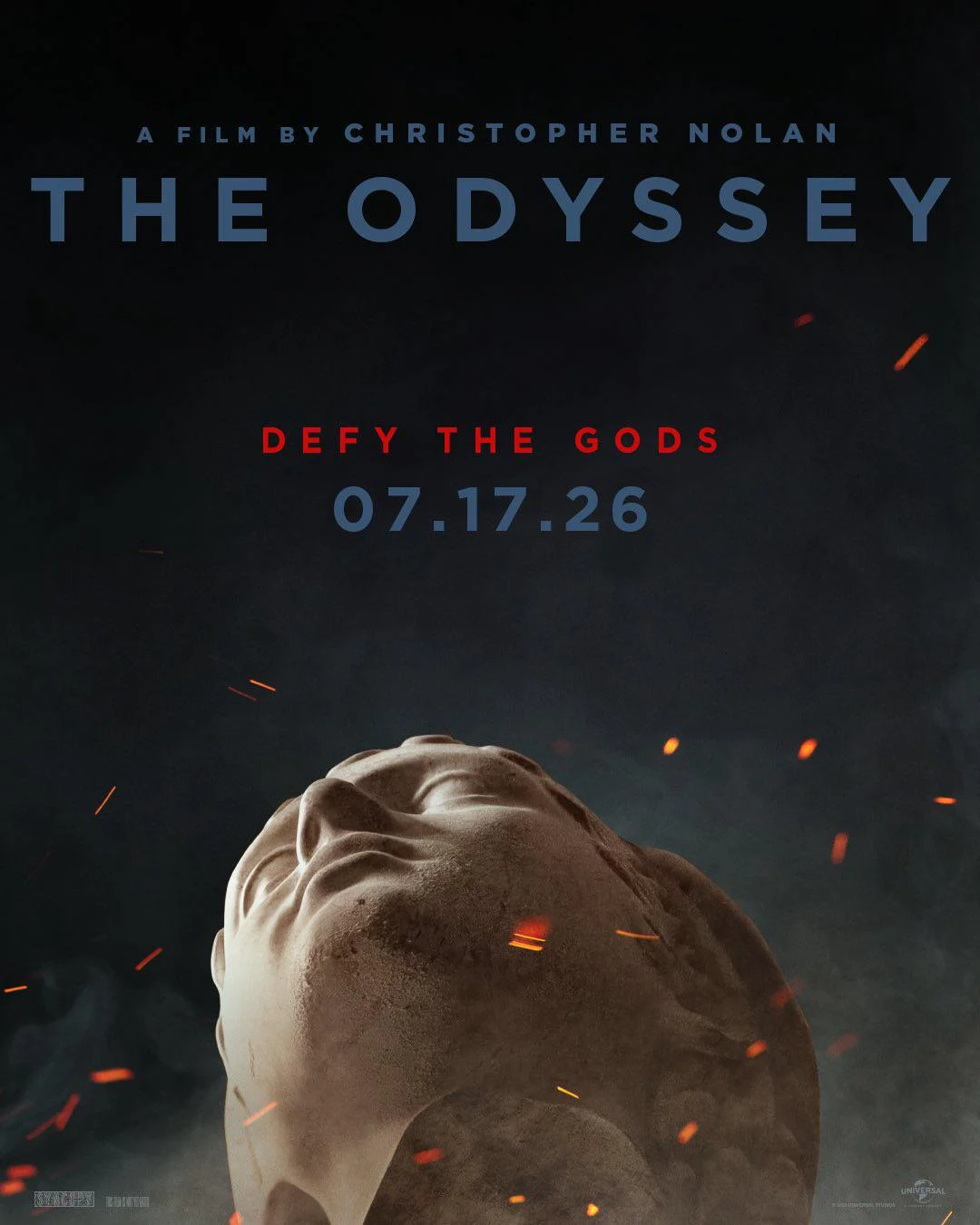
Consider the data points of his recent output: Oppenheimer, a three-hour, dialogue-heavy biopic about the father of the atomic bomb, earned over $975 million globally. This success wasn’t built on viral TikTok trends or early influencer praise; it was built on the reputation of the director. When the marketing for The Odyssey debuted, the teaser poster was strikingly minimalist. It featured only the director’s name, the title, and the release date. The studio understood that the traditional "who, what, where" of marketing was unnecessary. For the average filmgoer, "A New Christopher Nolan Film" is all the information required to secure a ticket.
The Perils of Over-Hype and the Backlash Cycle
One of the most compelling reasons for restricting early screenings is the management of expectations. In the current media landscape, hyperbole is the currency of the internet. If an influencer were to see The Odyssey early, the pressure to produce a "hot take" would inevitably lead to extreme reactions—either declaring the film the greatest cinematic achievement of the century or, conversely, setting it up for a performative "anti-hype" backlash.
By keeping the film under lock and key until the final hour, Nolan avoids the "echo chamber" effect. When the audience finally sees the film, their reactions will be their own, uncolored by the performative excitement of those who saw it weeks prior. This strategy preserves the film’s integrity, ensuring that the critical conversation begins from a place of substance rather than a race to be the first to post a viral reaction.

Official Stances and Industry Implications
While Universal Pictures has remained largely quiet regarding the specific rationale behind the The Odyssey rollout, the implications for the wider industry are profound. Studio executives are watching this release closely. If The Odyssey succeeds—as every indication suggests it will—it could mark the beginning of a shift away from the "influencer-first" model.
Industry analysts suggest that this strategy relies on "Event Cinema" principles. By treating the film as an experience that cannot be spoiled, summarized, or condensed into a 15-second TikTok review, the studio is reasserting the value of the theater. Nolan’s reverence for the communal experience—the act of sitting in the dark, without phones, and engaging with a narrative as a collective—is at the heart of this decision. He is essentially betting that the audience is tired of the marketing machine and is ready to return to the era where the film itself is the only thing that matters.
The Spoilers Conundrum
Finally, there is the matter of narrative protection. While The Odyssey is an ancient story, the expectation is that Nolan’s interpretation will involve complex, non-linear structures and thematic twists that define his filmography. By restricting access, he minimizes the risk of spoilers leaking into the public sphere.
In the eyes of the director, the film is not just a product to be consumed; it is an experience to be protected. By limiting the number of people who see the movie before the official release, he is curating the audience’s first impression. He is asking the public to trust him, to show up at the theater, and to experience the story as he intended: in the dark, with a crowd, and without the interference of a digital intermediary.

Conclusion
Christopher Nolan’s decision to eschew traditional pre-release marketing for The Odyssey is a bold bet on the intelligence of his audience. It is an acknowledgment that in a world of infinite content, the most valuable commodity is not buzz—it is anticipation. By stepping back from the standard industry playbook, Nolan has done more than just promote a movie; he has reminded the industry that when the craft is exceptional, the noise of marketing becomes irrelevant. As the release date approaches, the silence surrounding The Odyssey is not an absence of promotion—it is the loudest, most effective marketing campaign in recent memory.
 Ammar Sabilarrohman
 Siti Muinah
 Iffa Jayyana
