

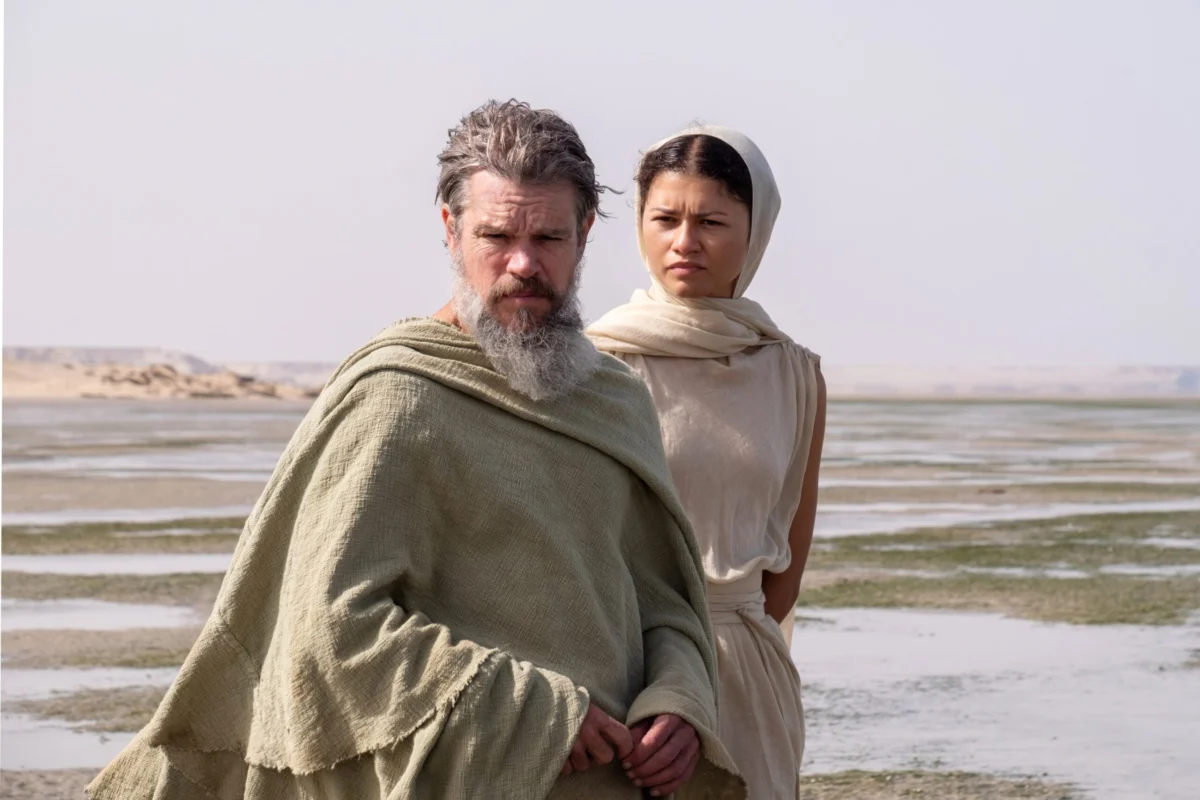
It is perhaps the oldest narrative arc in the Western canon—a journey home defined by peril, hubris, and the unrelenting whims of the gods. Yet, when filtered through the lens of modern cinema’s most meticulous auteur, Christopher Nolan, Homer’s The Odyssey has been transformed into something altogether more visceral. Following its high-profile world premiere, the social media embargo has finally lifted, and if the early consensus is any indication, the film is poised to redefine the blockbuster landscape for 2026.
The Weight of Expectation: A New Chapter for Nolan
The release of any Christopher Nolan project is, by default, an industry-shifting event. Coming off the historic, multi-Oscar-winning triumph of Oppenheimer, the director faced the daunting challenge of following up a global cultural phenomenon. Choosing to tackle The Odyssey was perceived by many as a bold, if not dangerous, pivot.
However, Universal Pictures’ promotional strategy for the film has been as precise as a Nolan film edit. In a departure from recent industry trends, the studio opted to bypass the standard "influencer screening" circuit. By prioritizing film journalists and long-form critics, Universal signaled confidence in the project’s artistic merits. This decision, which initially caused a stir in digital marketing circles last week, has now paid dividends, effectively grounding the initial discourse in serious, professional critique rather than ephemeral social media hype.
Chronology of a Premiere
The journey to the premiere was marked by a veil of secrecy typical of Nolan’s productions. As the film’s arrival approached, speculation reached a fever pitch regarding how the director would handle the sprawling, episodic nature of Homer’s epic.
- Early July 2026: Universal confirms the world premiere, establishing a strict social media embargo to preserve the viewing experience.
- The Premiere: Held in a high-format 70mm IMAX venue, the event was attended by the cast and select industry elites, with reports of Laurence Fishburne and others in attendance.
- Post-Screening: Immediately following the credits, the digital floodgates opened. Within minutes, X (formerly Twitter) became a sounding board for the initial wave of critical reaction, ranging from breathless praise to analytical nuance.
Critical Voices: A Symphony of Approval
While "flawless" and "perfection" have appeared in the shorthand of early reviewers, the more substantive critiques offer a glimpse into what makes this iteration of the myth so compelling.
IndieWire’s David Ehrlich provided one of the most balanced assessments, noting that while the film may not reach the "S-tier" heights of Nolan’s absolute best, its structural ambition is undeniable. Ehrlich described the film as a "surprisingly natural (and less despairing) Oppenheimer follow-up," highlighting a recurring theme in Nolan’s work: the man haunted by his own hubris.
Anne Thompson, writing for her respective outlet, went a step further, positioning the film as an immediate frontrunner for the Academy Awards. "Matt Damon could win Best Actor and a bevy of supporting thesps and noms will follow," she wrote, flatly declaring it "the Best Picture to beat."

Breaking Down the Themes
Critics have been quick to point out how Nolan recontextualizes the Greek epic for a modern audience. Andrew J. Salazar noted the "terrifying set pieces" and praised Nolan’s ability to "tastefully recontextualize" the horror of Greek mythology.
Joshua Rothkopf offered a perspective on the film’s tonal range, describing it as "earthy, ghostly, weighty, touched by humor and grandeur alike." Crucially, Rothkopf identified the film as a "return home to the robustly entertaining action movies that cinema was invented to tell," suggesting that for all its intellectual posturing, The Odyssey succeeds as a pure spectacle.
The Anatomy of an Oscar Contender
As we look toward the 2027 Oscars, the conversation surrounding The Odyssey will inevitably revolve around its technical achievements. Given Nolan’s established rapport with the Academy—bolstered by the sweep of Oppenheimer—the film faces only one hurdle: sustaining this momentum.
The early reactions suggest that the film is not merely a technical exercise but an emotional one. Jeremy Mathai, who broke a self-imposed Twitter hiatus to weigh in, emphasized the balance between the film’s "scope and scale" and its "intimacy." He pointed to Himesh Patel as an unexpected standout, suggesting that the film’s strength lies not just in its set pieces, but in the performances that anchor them.
Peter Bradshaw, representing the more literary side of film criticism, described the film as a "colossal origin-myth story of postwar disillusion," hinting that the film engages with the text’s themes of trauma and homecoming in ways that reflect the fractured state of the modern world.
Implications: The Future of the Blockbuster
The success of The Odyssey carries significant implications for the industry at large. In a market currently saturated with superhero fatigue and franchise exhaustion, Nolan’s ability to turn an ancient poem into a "must-see" cultural event proves that there is still a massive appetite for high-concept, original—or at least, uniquely adapted—cinema.
Universal’s decision to limit early screenings to journalists may have been a risk, but it effectively curated a narrative of prestige. By avoiding the "noise" of influencers, they allowed the film to be judged on its own terms, framing it as an artistic event rather than a consumer product. This move may influence how studios market "prestige blockbusters" in the future, potentially signaling a decline in the reliance on social media influencers for major awards-contending films.

Furthermore, the emphasis on IMAX 70mm, highlighted by multiple critics, reinforces the "event" status of the film. It serves as a reminder that the theatrical experience, when managed by a director who understands the power of the medium, remains the gold standard for prestige filmmaking.
Looking Ahead
While the social media embargo has lifted, the true test begins next week when the full-length reviews are published. Critics will have the space to dissect the pacing, the adaptation of the source material, and the complexities of the narrative structure.
Will the film sustain its current "Best Picture to beat" status? History suggests that the path to the Dolby Theatre is paved with early-year critical darlings that slowly fade or hold firm based on their cultural resonance. However, with Nolan at the helm, the trajectory seems set. He has taken the oldest story in the world and, if the early reports are accurate, made it feel like the most urgent story of our time.
For now, the audience is left with the buzzing anticipation of a film that has, at the very least, met the highest standard of modern filmmaking. As Nick de Semlyen aptly put it after his second viewing, the film is "rich, propulsive, and deeply satisfying."
Whether you are a devotee of Homeric myth or a follower of Nolan’s complex filmography, The Odyssey arrives with the weight of expectation and, for once, the promise of delivery. The sirens are calling, and it appears the entire world is ready to listen.
 Ammar Sabilarrohman
 Siti Muinah
 Iffa Jayyana
