

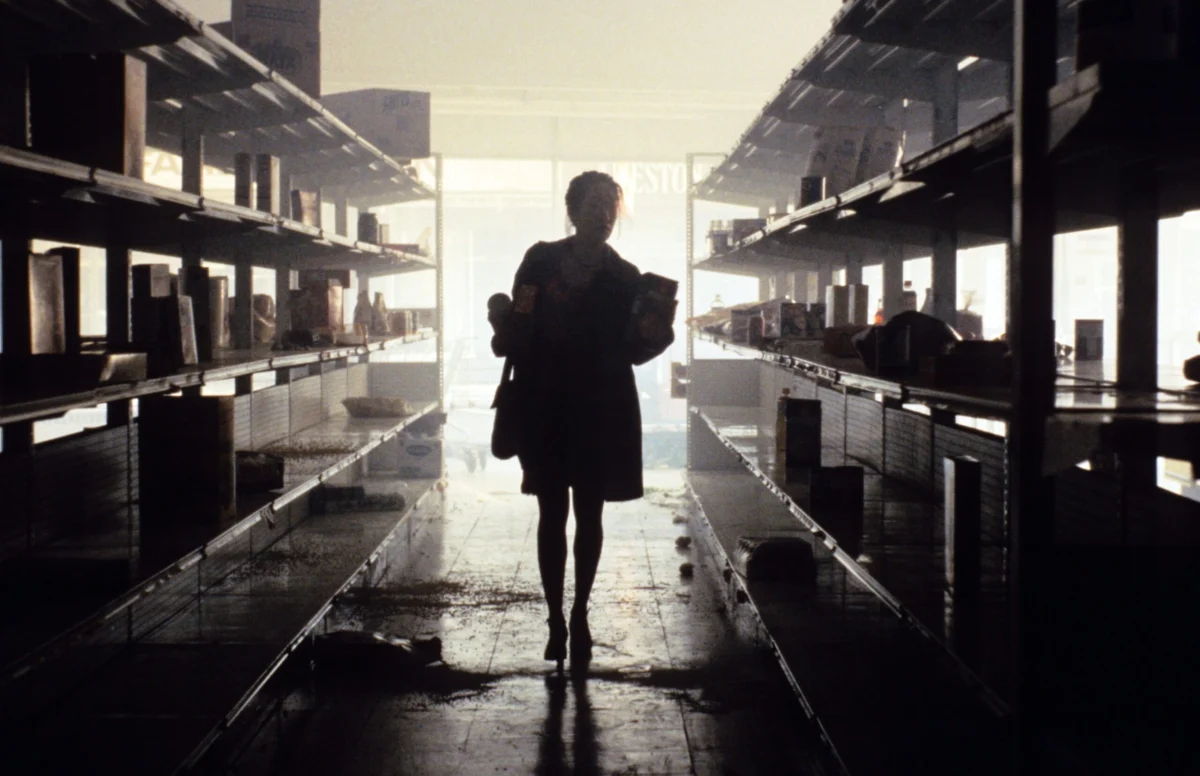
In the landscape of modern cinema, the "apocalypse movie" is almost synonymous with spectacle. We have grown accustomed to the visual language of the end times: crumbling skyscrapers, tsunamis of debris, and frantic, high-stakes military operations aimed at stopping an inevitable celestial impact. We expect the bombastic and the loud.
Yet, Don McKellar’s 1998 directorial debut, Last Night, offers a haunting, intimate, and deeply philosophical antithesis to the genre. As the film makes a quiet, welcome return to prominence on Prime Video, it serves as a stark reminder that the end of the world would likely not be a blockbuster event—it would be a silent, personal, and profoundly mundane affair.
Main Facts: A Canadian Cult Classic Re-emerges
Last Night is a Canadian production that occupies a revered space in the country’s cinematic canon, yet it has remained criminally under-seen by international audiences. The film follows a group of interconnected individuals in Toronto as they navigate the final six hours before an unspecified, global extinction event.
The cast is a veritable "who’s who" of high-caliber talent. Featuring Sandra Oh, Callum Keith Rennie, Sarah Polley, Geneviève Bujold, and the legendary director David Cronenberg, the film relies on the gravity of its performances rather than the size of its budget. It is not an action movie; it is a character study that asks a singular, uncomfortable question: If you knew, with absolute certainty, that the clock was running out, how would you spend your final moments?
Chronology: Six Hours to Midnight
The narrative structure of Last Night is deceptively simple, mirroring the dwindling time left on the clock.
The Premise
The film begins at 6:00 PM. The sun, which should have set, remains in the sky, casting a permanent, eerie, mid-day glare over Toronto. The cause of the apocalypse is never explained, and crucially, it doesn’t need to be. The mystery of the "why" is irrelevant; the focus is entirely on the "how" of human behavior.
The Stages of Acceptance
As the hours tick away, the film tracks various demographics of the dying city:
- The Nihilists: Those who have exhausted their grief and are now waiting with a cold, hollow acceptance.
- The Hedonists: Individuals attempting to fulfill a lifetime of suppressed desires in a single evening.
- The Isolated: Characters like Patrick (played by McKellar), who decide that the most honest way to face the end is in solitary reflection, only to have his plans disrupted by circumstance.
The trajectory of the film is not one of panic, but of quiet transition. By the time the final minutes approach, the chaos of the early hours has been replaced by a somber stillness.
Supporting Data: A Study in Human Behavior
Psychological studies on "doomsday scenarios" often suggest that human behavior in the face of absolute, inevitable disaster shifts from panic to a unique form of dissociation. Last Night captures this phenomenon with terrifying accuracy.
The film serves as a mirror for the viewer. While most disaster films provide the audience with a hero to root for or a mission to accomplish, Last Night offers no such comfort. Instead, it forces the viewer to confront their own values. The film’s dialogue—much of it sparse and weighted with subtext—explores the absurdity of social constructs when the future is stripped away.
The performance of Sandra Oh is particularly vital. Her character, Sandra, serves as the emotional tether of the film. Her journey to reunite with her husband (Cronenberg) before the end acts as a narrative spine that holds the disparate vignettes together. It is a performance defined by restraint—a hallmark of the film’s overall aesthetic.
Official Responses and Cultural Impact
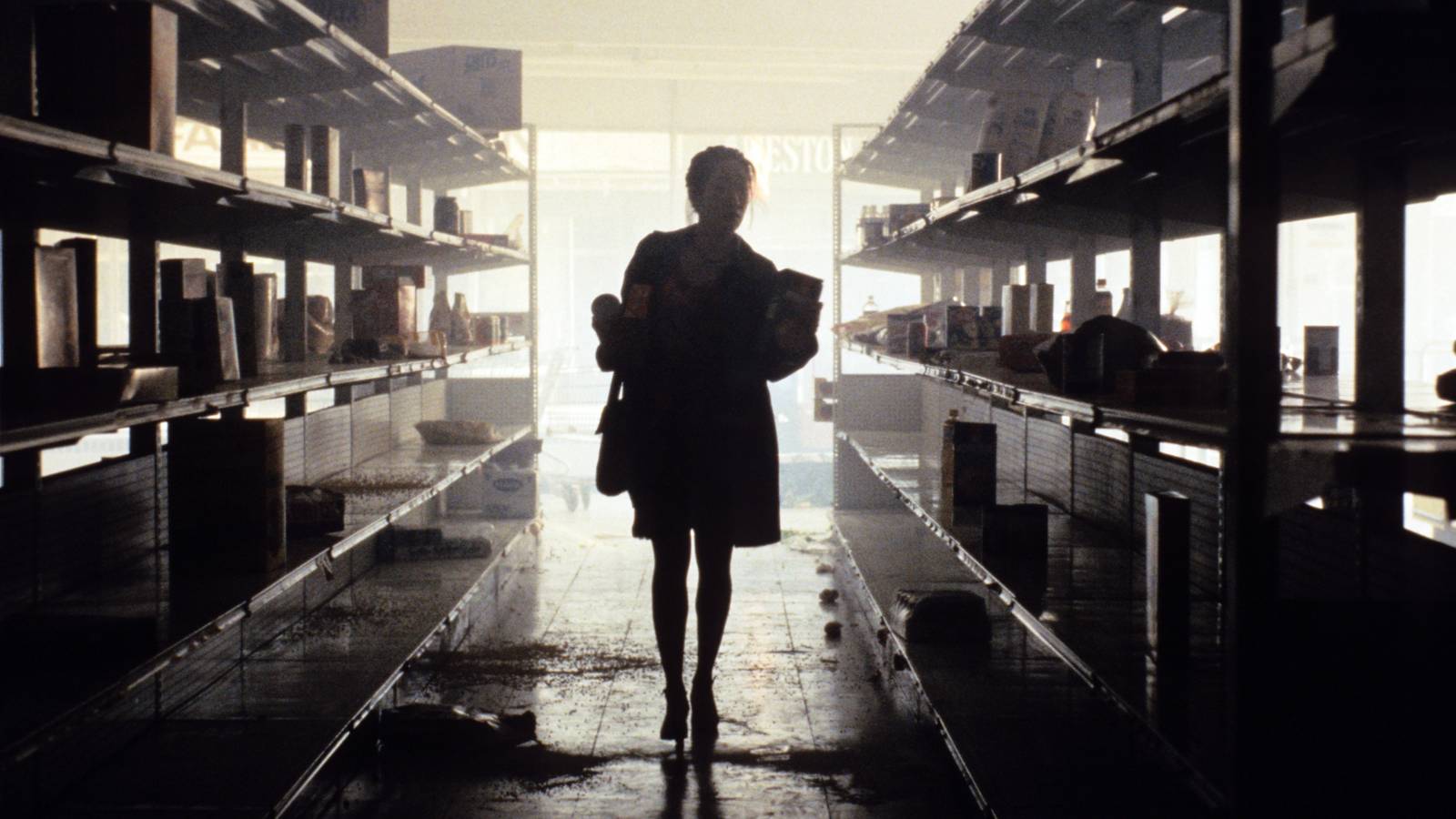
Since its release, Last Night has been the recipient of numerous accolades, most notably winning the Award of the Youth at the 1998 Cannes Film Festival. Critics have consistently praised it for its unique tone—often mislabeled as a "black comedy," though it is far more accurate to classify it as a "bittersweet existential drama."
For those familiar with Canadian cinema, Last Night is held in the same high regard as Kevin Smith’s Clerks is in the American independent scene. It is a foundational piece of work that defined an era of Canadian filmmaking—a period marked by a willingness to experiment with genre and a focus on intimate, character-driven storytelling over the pressures of commercial box-office returns.
Implications: Why We Need to Watch It Now
The enduring power of Last Night lies in its relevance. In an era where existential anxiety feels like a constant, low-frequency hum, the film feels less like a work of science fiction and more like a meditation on our current reality.
A Departure from Genre Tropes
Most apocalypse films—such as Seeking a Friend for the End of the World or Don’t Look Up—often lean into satire or slapstick to soften the blow of the subject matter. Last Night refuses to blink. It maintains a consistent, documentary-like tone that treats the end of the world with the respect it deserves. It is neither mocking nor overly melodramatic; it simply observes.
The Question of Legacy
One of the most poignant lines in the film, spoken by a character reflecting on their life, cuts to the core of the human experience: "I have invested 80 years in this life. The children don’t know what they’re missing."
This sentiment challenges the audience to consider what they have built, what they have loved, and what they will leave behind. By stripping away the possibility of a "tomorrow," the film forces the characters—and by extension, the audience—to validate the meaning of their existence in the present tense.
The Value of the Independent Voice
The return of Last Night to a major platform like Prime Video is a victory for cinephiles. It highlights the importance of preserving and revisiting works that might otherwise be relegated to the dusty corners of streaming libraries. As the film finds a new generation of viewers, its influence on the "small-scale apocalypse" sub-genre becomes even more apparent.
Conclusion: An Essential Viewing Experience
Last Night is not an easy watch, but it is an essential one. It does not provide the adrenaline rush of an action film, nor does it offer the comfort of a happy ending. Instead, it offers something much more valuable: a moment of profound clarity.
If you have spent your life watching blockbusters where the hero saves the day at the eleventh hour, Last Night will be a disarming, beautiful shock to your system. It reminds us that while we cannot control the end, we can control how we spend our final hours—whether in the company of a loved one, in the silence of our own thoughts, or simply by watching the world turn one last time.
Take the time to watch it. It is a film that will stay with you long after the credits roll, lingering like the glow of that second sun in the sky. It is, quite simply, one of the greatest films ever made about the end of everything.
 Basiran
 Nana Muazin
 Layla Zulfa
