

By Olivia Tauber | Updated October 23, 2026
For decades, an invitation to an Apple product launch was the ultimate badge of honor in the tech world. Receiving a coveted golden ticket to Cupertino meant you were an industry insider, a trusted journalist, or a pioneering developer who had earned the right to witness the future unfold.
Today, however, the landscape of tech PR has fundamentally shifted. When Apple rolled out the red carpet for its "Pro and Tell" product experience in Los Angeles, the guest list looked a little different. Rather than relying solely on traditional tech beat reporters, the company reportedly wooed social media influencers with fully paid business-class travel, luxury hotel accommodations, high-level executive access, and intimate private dinners.
Apple is far from alone. Across the technology sector—from legacy hardware giants like Samsung to high-stakes artificial intelligence firms like OpenAI and Anthropic—brands are aggressively courting creators. In doing so, they are rewriting the playbook for how hardware, software, and bleeding-edge innovations are introduced to the public.
Main Facts: The New Era of Influencer-Led Tech PR
The modern tech landscape has traded the austere, press-only auditorium for immersive, lifestyle-driven brand trips. According to industry reports and insider accounts, tech giants are investing heavily in influencer marketing to bypass traditional journalistic gatekeepers and secure direct access to digitally native audiences.
- The Apple Pivot: Apple’s recent "Pro and Tell" event in Los Angeles highlighted a deliberate pivot toward creator-centric marketing. Leaked details from Bloomberg’s Power On podcast revealed that invited influencers were treated to business-class flights, five-star hotel stays, and exclusive face time with top executives, including CEO John Ternus.
- Competitor Parity: Apple’s strategy aligns with long-standing industry practices. Competitors like Samsung and Google routinely absorb travel expenses, host private dinners, and curate multi-day destination events for online personalities.
- The AI Land Grab: Generative AI companies facing public skepticism regarding environmental impacts, job displacement, and data copyright issues have turned aggressively to influencer marketing. Firms like OpenAI, Anthropic, and Microsoft Copilot are utilizing luxury retreats, exclusive supper clubs, and high-paying sponsorships to build organic brand affinity and consumer trust.
Chronology: From Organic Hype to Curated Creator Retreats
To understand how Silicon Valley fell in love with the creator economy, it helps to look at how tech companies have progressively integrated influencers into their launch cycles over recent years.

- March 2025 (The "Apple Campus" Experiment): Apple hosted a surprise one-day event in Los Angeles tailored for student creators and digital personalities. Attendees, such as student creator Heaven Marley, initially mistook their exclusive digital invitations for spam before realizing they had been hand-picked for an inside look at the brand.
- January 2026 (The Creator Studio Showcase): Apple doubled down on the strategy by hosting a multi-day "Apple Experience" in Los Angeles from January 27 to 29. The gathering coincided with the debut of Apple Creator Studio, a subscription bundle uniting video editing, music production, and image-crafting software.
- February 2026 (The Global Scale-Up): Samsung welcomed roughly 140 global influencers from 35 countries to San Francisco for its "TeamGalaxy Connect" event ahead of the Galaxy S26 launch. Concurrently, AI heavyweights began ramping up their presence: Microsoft Copilot sent fashion influencers to the Super Bowl on branded trips, while Anthropic and OpenAI hosted exclusive retreats in New York’s Hudson Valley and Malibu.
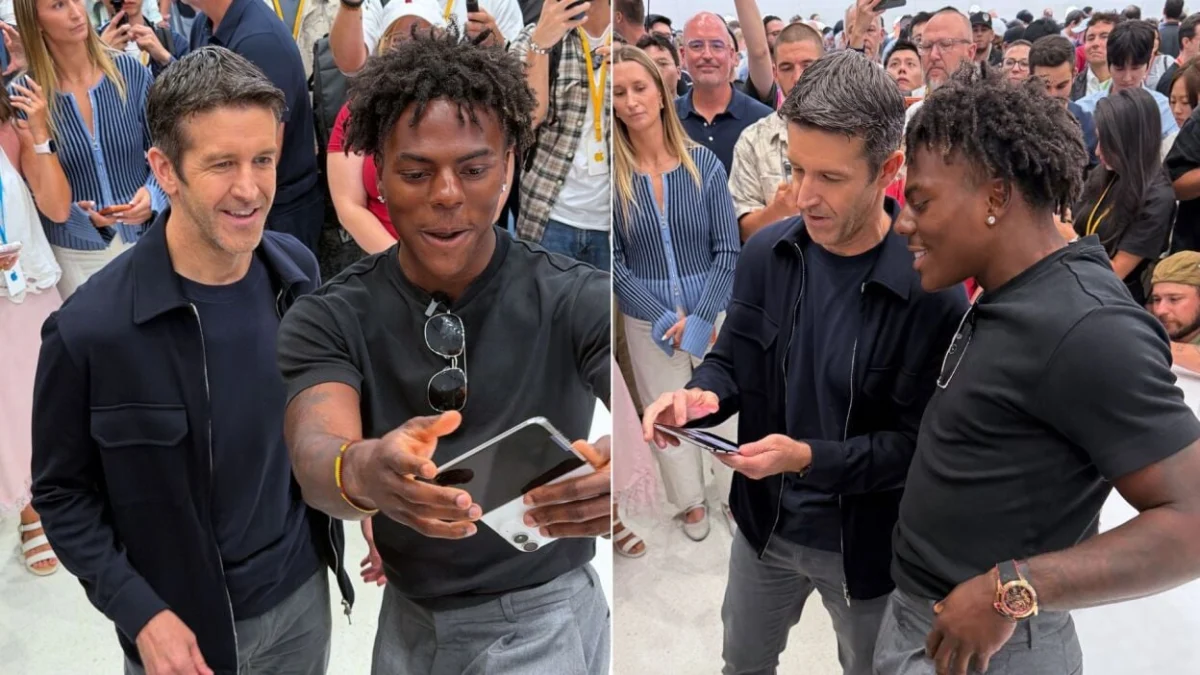
- September 2026 (Mainstream Crossover): At Apple’s annual iPhone lineup unveiling, livestreamer IShowSpeed performed an acrobatic backflip holding an iPhone Duo directly in front of CEO John Ternus, generating millions of views. This followed a trend set the previous year when MrBeast attended the event alongside then-CEO Tim Cook.
- October 2026 (The "Pro and Tell" Showcase): Apple formalized its creator-first focus with the Los Angeles "Pro and Tell" showcase, offering top-tier hospitality and executive roundtables ahead of its official product drop.
Supporting Data: The ROI of Creator Partnerships
Why are tech corporations shifting hundreds of millions of advertising dollars away from traditional media and toward individual content creators? The numbers tell a compelling story.
According to a comprehensive September study by Deloitte, approximately 70 percent of U.S. consumers who regularly engage with online creators return to the same personalities for product advice and cultural trends. Even more critically, roughly 60 percent of surveyed consumers admitted to making a direct purchase within the previous six months primarily because of a creator’s recommendation or sponsored post.
Financial stakes for creators have skyrocketed in tandem with these consumer habits. While standard influencer brand deals can range anywhere from $5,000 to $30,000, prominent tech and career creators like Megan Lieu have reported securing substantial high-six-figure sponsorships when partnering with major artificial intelligence and tech conglomerates.
For brands, the financial investment buys something invaluable: an intimate, parasocial bridge to consumers who spend little to no time reading traditional tech blogs or watching cable news.
Official Responses and Industry Perspectives
The transition from honoring hard-news tech journalists to pampering lifestyle influencers has sparked intense debate across the media landscape.
Traditional tech reviewers have expressed a mixture of frustration and resignation. Writing on social media platform X regarding Apple’s pivot toward lifestyle creators, prominent tech reviewer Ben Sin remarked, "I completely understand why Apple is doing this," while adding that the shift away from technical purists was "still sad news for me."
Journalist Jason Snell, speaking on the MacBreak Weekly podcast, pointed out the underlying strategic advantage for corporations: influencers offer brands a far higher degree of message control. Unlike investigative reporters who probe for vulnerabilities, creators are more likely to echo corporate talking points verbatim.

Tech executives, however, defend the practice as a necessary evolution in modern communication. An OpenAI spokesperson told Inc. magazine in August:
"Creators are an important part of our community and how people get information and learn about our products today. We value creators who choose to engage with us, attend our events, ask tough questions, and learn alongside everyone else."
From the creator side, defenses are often rooted in pragmatism and access. Business creator Grace McCarrick, who attended OpenAI’s inaugural brand retreat in the Hudson Valley, defended her presence by noting the importance of being in the room where major industry decisions are made. "If I have the opportunity to be in the room and hear from people who are at the helm of change, I can do that," she noted. "It’s actually well within my moral system."
Conversely, the model has its detractors within the creator community. Circus performer and content creator Jack Lepiarz ("Jack the Whipper") publicly rejected a $20,000 sponsorship offer from a generative AI company over ethical concerns regarding how synthetic media impacts traditional working artists.
Implications: The Double-Edged Sword of Brand Loyalty
As tech brands increasingly blur the line between editorial coverage and sponsored hospitality, the long-term implications for both the tech industry and digital culture are profound.
- The Erosion of Critical Tech Journalism: As companies prioritize influencers who deliver uncritical enthusiasm over journalists who ask probing questions about hardware flaws, privacy concerns, or security vulnerabilities, consumers may find it harder to access objective product evaluations.
- The "Greenwashing" and Ethics Trap for AI: For AI startups attempting to soften public resistance regarding climate strain, resource consumption, and workforce disruption, luxury retreats in nature reserves (such as OpenAI’s Hudson Valley getaway) can backfire. Social media users and Reddit communities frequently mock the dissonance of promoting environmentally taxing data centers from the comfort of a secluded cabin, creating a public relations tightrope for brands.
- The Parasocial Dilemma for Influencers: Creators face a delicate balancing act. While brand trips offer lucrative payouts and exclusive early access, accepting luxury perks from corporate giants can jeopardize the authentic trust they have cultivated with their audiences.
Ultimately, Silicon Valley has made its calculation. In an era defined by fractured media consumption and deep public skepticism, traditional press releases no longer suffice. Tech brands are betting that the modern consumer would rather buy a product recommended by a trusted digital friend lounging at a Malibu estate than read about it in a technical review—and for now, that multi-billion-dollar bet is paying off.
Disclosure: Ziff Davis, Mashable’s parent company, filed a lawsuit against OpenAI in April 2025, alleging it infringed Ziff Davis’s copyrights in training and operating its artificial intelligence systems.
 Ali Ikhwan
 Siti Muinah
 Suro Senen
