

By Crystal Bell | Published October 15, 2026
When Girls originally premiered on HBO in the spring of 2012, the cultural landscape of television was radically different. We were just beginning to grapple with the dawn of prestige cable shows centered not on antihero mobsters or ad executives, but on deeply flawed, messy, financially unstable young women trying to navigate the grueling landscape of post-recession New York City.
Created by and starring Lena Dunham, Girls followed Hannah Horvath and her inner circle—Marnie Michaels, Jessa Johansson, and Shoshanna Shapiro—through six seasons of career anxieties, disastrous romantic entanglements, and cringe-inducing social faux pas. It captured a very specific, fleeting epoch of millennial coming-of-age, defined by unpaid internships, overpriced Brooklyn sublets, and the lingering, arrogant delusion that one might actually grow up to be "the voice of a generation."
Now, nearly fifteen years after those twenty-somethings first stumbled onto our screens, HBO has officially confirmed that Girls is staging a comeback. The network has ordered a limited, five-episode revival series with Dunham at the helm, featuring the original core quartet reprising their iconic roles.
As the original audience has aged—trading entry-level cubicles for mortgages, parenting, and mid-career fatigue—the prospect of revisiting Hannah, Marnie, Jessa, and Shoshanna opens up a fascinating conversational space about aging, the evolution of friendship, and how the internet has completely rewired our adult lives.

Main Facts: What We Know About the Girls Revival
The announcement of the upcoming Girls limited series has sent shockwaves through the pop culture ecosystem. While plot details remain heavily guarded by HBO executives, key production parameters have been established:
- The Format: A five-episode limited revival event.
- The Creative Team: Series creator, writer, and star Lena Dunham is returning to helm the project, ensuring the series maintains its signature, unapologetic narrative voice.
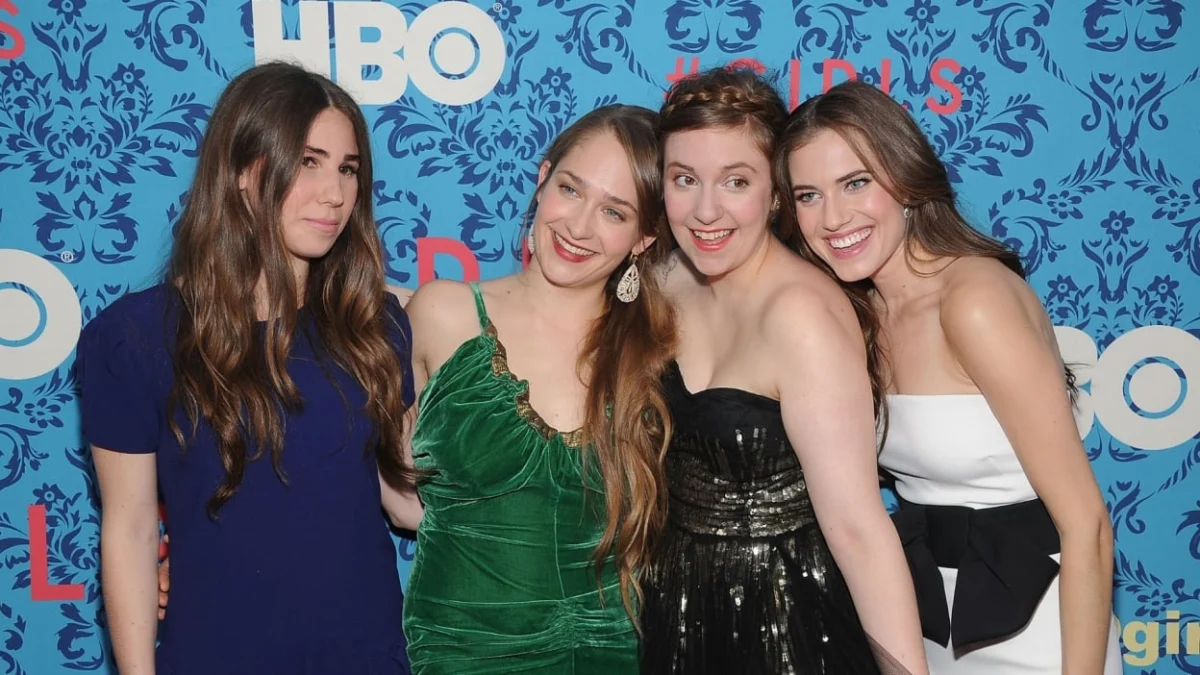
- The Cast: All four primary leads—Lena Dunham (Hannah), Allison Williams (Marnie), Jemima Kirke (Jessa), and Zosia Mamet (Shoshanna)—are officially confirmed to return.
- The Timeline: Set nearly a decade after the events of the 2017 series finale, the revival will confront the realities of its characters entering their late thirties.
For an entire generation of viewers who came of age alongside these characters, the return is less of a nostalgic trip down memory lane and more of a high-stakes sociological experiment. How do people who built their entire identities around being gloriously, painfully messy handle the sobering realities of actual maturity?
Chronology of a Cultural Touchstone: From 2012 to 2026
To understand why a Girls revival matters, it helps to trace the trajectory of the series and its aftermath within the broader television canon:
- April 2012: Girls premieres on HBO to immediate critical acclaim and fierce cultural debate. It sparks intense discourse regarding representation, privilege, and the raw, ungllamorized portrayal of female friendship and sexuality.
- 2012–2016: The series cements itself as a millennial zeitgeist artifact, turning its ensemble cast into household names and generating endless internet think-pieces.
- April 2017: The series finale, titled "What Will We Do This Year?", airs. It offers a bittersweet, anti-climactic resolution: Hannah is struggling through early motherhood with her infant son, completely stripped of her previous self-absorption, while her friends gather to celebrate a domestic milestone, signaling the fracturing and drifting of their once-inseparable bond.
- 2017–2025: In the years following the finale, the cultural conversation shifts dramatically. The landscape of prestige television is flooded with shows attempting to capture the millennial experience (e.g., Insecure, Succession, Fleabag), while the internet transforms into a hyper-surveilled landscape dominated by TikTok, the creator economy, and algorithmic wellness culture.
- October 2026: HBO officially greenlights the five-episode revival series, setting the stage for a much-anticipated collision between old-school Brooklyn indie-sleaze aesthetics and the modern, hyper-digitized landscape of the mid-2020s.
Supporting Data: The Changing Landscape of Millennial Adulthood
The cultural relevance of a Girls revival is underscored by how much the lived experience of its target demographic has transformed. When the show began, smartphones were ubiquitous, but social media was still largely confined to curated Instagram grids and textual Twitter feeds. Today, these women would be navigating a completely different digital and economic reality:
- The Economic Shift: In 2012, entry-level workers in New York could scrape by on poorly paid magazine gigs and barista salaries. In 2026, skyrocketing inflation and housing crises in Brooklyn and Manhattan mean that simply maintaining a lifestyle in the city requires entirely different survival mechanisms.
- The Wellness Industrial Complex: Over the last decade, the wellness industry has ballooned into a multi-trillion-dollar global market. The transition from organic juice bars to biohacking, raw milk trends, gut-health podcasts, and unregulated trauma-healing retreats provides fertile satirical ground for characters like Jessa and Marnie.
- The Creator Economy: The democratization of media means that anyone can be a micro-celebrity—or a viral villain. Hannah’s clumsy attempts at essay writing would inevitably crash headfirst into the hyper-critical, video-first ecosystem of TikTok, algorithmic Substack newsletters, and BookTok drama.
Official Responses and Industry Speculation
While HBO has kept official narrative details tightly under wraps, industry insiders and the cast members themselves have hinted at what fans can expect. Speaking at a recent press event, network representatives emphasized that the revival will not attempt to rewrite the past, but rather lean into the awkward, painful humor of discovering that your thirties look nothing like the independent, glamorous life you envisioned in your twenties.

Fans online have already begun mapping out elaborate fan-fiction and wishlists for the series. Key speculative scenarios dominating entertainment forums include:
- The Joshua Return: Bringing back Patrick Wilson’s charming pediatrician, Joshua, to test whether his Brooklyn brownstone and effortless appeal have withstood the passage of time.
- Jessa the Grifter: Transforming Jessa into an unhinged wellness influencer peddling raw milk and dubious trauma-healing certifications in the Hudson Valley.
- Marnie’s Digital Reinvention: Envisioning Marnie as a beige-aesthetic mommy influencer and podcast host whose real life bears no resemblance to her curated social media feeds.
- Shoshanna’s Corporate Domination: Establishing Shoshanna as a ruthless, multi-million-dollar startup founder who unironically uses LinkedIn buzzwords in everyday conversation.
Implications: Why We Still Need Girls
The greatest triumph of Girls was never that its characters were likable; in fact, Dunham and her writers actively courted audience irritation by making their protagonists intensely selfish, blind to their own privileges, and exhausting to be around. Yet, that very lack of sanitation made them feel radically real.
In an era of television frequently dominated by sleek, highly sanitized antiheroes or overly sanitized representations of Gen Z striving for perfection, the return of Girls offers a necessary antidote. If the revival succeeds, it will not be because Hannah, Marnie, Jessa, and Shoshanna have finally "figured it all out." Rather, it will succeed if it leans into a more profound truth of modern adulthood: that the older you get, the more you realize that nobody actually knows what they are doing—they are simply managing their chaos with better skincare, higher-interest mortgages, and slightly more sophisticated coping mechanisms.
As the production ramps up for its premiere, one thing is certain: the internet will be watching, dissecting every frame, and preparing to argue about whether Hannah Horvath’s inevitable digital meltdown is a masterpiece of self-awareness or an absolute disaster. And honestly, wouldn’t we expect anything less?
 Siti Muinah
 Suro Senen
 Nana Wu
