

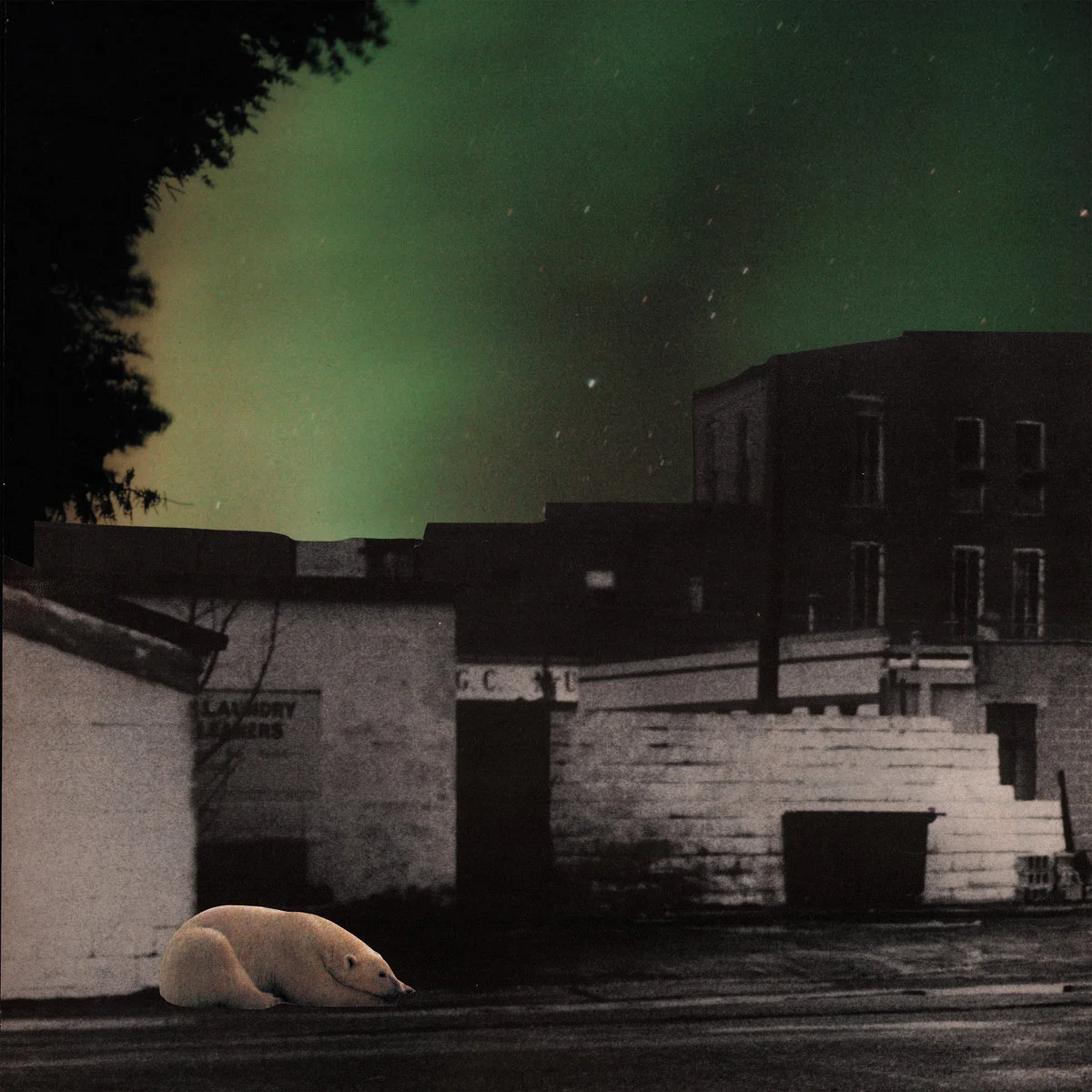
After a decade of silence, the indie-rock landscape is about to become a little more abrasive, a little more urgent, and significantly more exhilarating. The Thermals—the Portland-born trio that defined the mid-2000s post-punk revival with their stripped-back, high-velocity anthems—have officially announced their return. Their upcoming studio album, Under the Crushing Rain, is slated for release on September 4th via frontman Hutch Harris’s own label, Static Catsup Aspic.
The announcement, which includes the release of the biting lead single “Spirit Collectors,” marks the first new material from the band since 2016’s We Disappear. For fans who spent the last ten years wondering if the “noise, the nerves, and the chaos” had truly faded into the ether, the answer is a resounding, high-fidelity affirmation: The Thermals are back, and they are returning to the singular, DIY ethos that made them legends in the first place.
A Chronology: From Lo-Fi Purity to the Current Resurgence
To understand the weight of this announcement, one must look back at the trajectory of The Thermals. Formed in 2002 by Harris and bassist Kathy Foster, the band emerged from the fertile soil of the Pacific Northwest music scene with a sound that felt like a direct assault on the over-produced excess of the era.
Their 2003 debut, More Parts Per Million, became an instant cult classic. It was a record defined by its "fast, cheap, and totally in control" aesthetic—a philosophy that Harris is consciously reviving for Under the Crushing Rain. Following their debut, the band navigated a shifting industry, releasing a string of critically acclaimed records including Fuckin A (2004), The Body, The Blood, The Machine (2006), and Personal Life (2010).
By 2016, with the release of We Disappear, the band felt they had reached a natural conclusion. Harris pivoted toward solo projects, releasing three albums and various singles, exploring different textures and sonic landscapes. Yet, as he recently admitted, the absence of the band’s specific brand of adrenaline was palpable. The transition from the collaborative, high-energy environment of a band to the solitary pursuit of solo artistry left a void that only the distinct, jagged edges of The Thermals could fill.
The gestation of Under the Crushing Rain began when Harris realized that he missed the structural constraints and the emotional release that only The Thermals’ songwriting process could provide. He retreated to his private studio, Brainwash, to capture the lightning-in-a-bottle energy that characterized his earliest work.
The Philosophical Return to "Solo Roots"
The most striking aspect of the upcoming release is its production methodology. Harris has intentionally stripped away the layers of industry expectation, choosing instead to record the album entirely on his own. This move is not merely a stylistic choice; it is a fundamental reclamation of the band’s identity.
“I wanted to recreate the spirit of our debut,” Harris stated in a recent press release. “There is something about being ‘fast, cheap, and totally in control’ that allows for a level of honesty that gets lost when you’re navigating the pressures of a larger machine.”
Despite the solo nature of the recording process, the spirit of the band’s longtime collaborator, Kathy Foster, remains woven into the fabric of the project. Addressing the inevitable questions regarding her involvement, Harris was quick to dispel any rumors of a rift. “I kindly answer: ‘SHE’S RIGHT HERE, sitting next to me working hard on the layout for the LP, as I write this.’ Not only did I have Kathy’s blessing to make a Thermals LP, I had her help as well.” This revelation serves as a bridge between the band’s storied past and its unexpected future, signaling that while the process of making music may have changed, the soul of the entity remains intact.
"Spirit Collectors": Deconstructing the Lead Single
The lead single, “Spirit Collectors,” serves as a potent manifesto for the new record. It is a track that feels both nostalgic and startlingly fresh. Sonically, it is a quintessential Thermals number: punchy drums, driving, overdriven guitar lines, and a vocal performance that teeters on the edge of a scream.
However, it is the lyrical content that offers the deepest insight into Harris’s current worldview. Describing the track, Harris noted that it is a warning against “the evil fiends without arts of their own; lacking love and talent and with no drive to create life, their quest is only to steal from you everything for which you have worked so hard.”

This theme—of defending one’s creative autonomy against the encroaching forces of apathy and theft—resonates deeply in the modern digital age. The song isn’t just a catchy indie-rock track; it is a defiant statement on the sanctity of the artistic process. It encapsulates the "renewed spunk" that characterizes the entire album, suggesting that the decade-long hiatus has not dulled Harris’s edge, but rather sharpened it into a weapon.
Supporting Data: The Anatomy of Under the Crushing Rain
The album, which features ten tracks, promises a cohesive journey through the themes of existential dread, creative survival, and the persistent desire to be heard. Below is the tracklist for the upcoming LP:
- Good Morning Fellow Scavengers
- A Dark, Dark Place
- Spirit Collector
- Now I Believe
- In the Flow
- I Have Had Enough Blood
- I Will Be Delivered
- Angel Eyes Are Always Watching
- On a Wind So High
- Under Crushing Rain
The artwork, featuring imagery that suggests a descent into a rain-slicked, perhaps dystopian urban landscape, pairs perfectly with the weight of the titles. Each song appears to be a chapter in a narrative of resilience. With titles like "I Have Had Enough Blood" and "I Will Be Delivered," it is clear that Harris is grappling with the complexities of human endurance in a way that feels particularly poignant for a band returning to the fray after ten years away.
Implications: What This Means for the Indie Landscape
The return of The Thermals is more than just a nostalgic reunion; it is a commentary on the current state of independent music. In an industry that often prioritizes viral moments and ephemeral trends, a band like The Thermals stands as a reminder of the power of sustained, authentic artistic output.
By choosing to release the album on his own label, Static Catsup Aspic, Harris is asserting control over his work in a way that is becoming increasingly rare. This move mirrors the broader trend of artists reclaiming their masters and their distribution channels, ensuring that their work reaches their audience without the interference of corporate gatekeepers.
Furthermore, the band’s return highlights the enduring legacy of the Pacific Northwest indie scene. For a decade, the absence of The Thermals left a gap in the landscape of high-octane, guitar-driven punk. Their return invites a new generation of listeners to engage with a sound that prioritizes raw emotional honesty over technical perfection.
A Call to Action for the Fanbase
As anticipation builds for the September 4th release, the band has opened pre-orders via Bandcamp. The move to utilize Bandcamp as the primary distribution hub is consistent with the band’s ethos of supporting direct-to-fan engagement.
For the longtime listener, Under the Crushing Rain represents a chance to reconnect with the band that provided the soundtrack to their formative years. For the new listener, it is an entry point into a discography that has consistently challenged, provoked, and inspired.
Hutch Harris’s words in his press statement linger long after the initial excitement of the announcement: “The bottom line is I love The Thermals, and I love making Thermals records.” It is this simple, unadorned love for the craft that has always defined the band. Whether the world was ready for them or not, The Thermals have decided it is time for them to return. And as the opening chords of “Spirit Collectors” ring out, it is hard not to feel that their return is exactly what the current cultural moment requires—a blast of noise to cut through the rain.
As we approach the release date, the conversation will undoubtedly shift from the history of the band to the content of the new record. But for now, the message is clear: the spirit collectors have arrived, they have something to say, and they are doing it entirely on their own terms.
 Muslim
 Pevita Pearce
 Evan Lee Salim
