

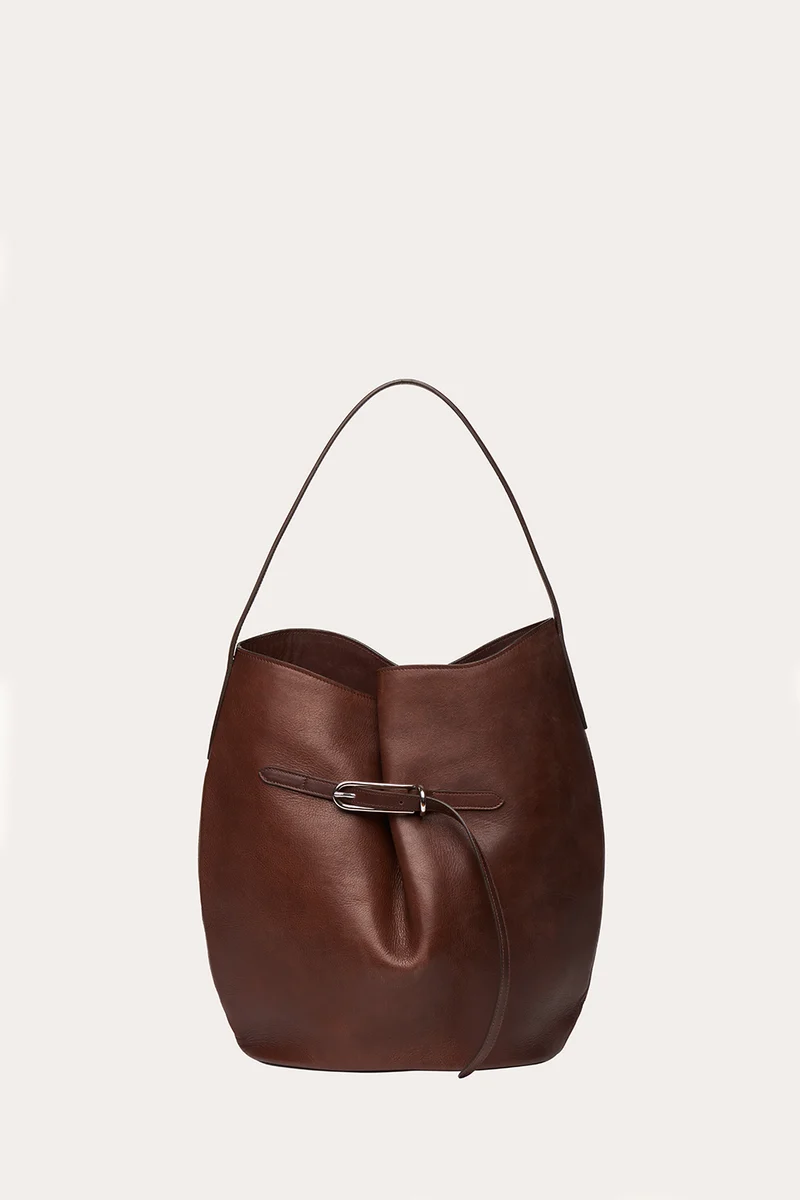
As the pendulum of fashion swings endlessly between maximalist palettes and the subdued elegance of minimalism, a distinct window of opportunity has opened for a new generation of independent design houses. The "quiet luxury" era—characterized by a strategic de-emphasis on loud, conspicuous logos in favor of meticulous craftsmanship and superior composition—fundamentally shifted consumer behavior. Rather than investing solely in legacy mega-brands, fashion enthusiasts began directing their attention toward mid-range accessories labels.
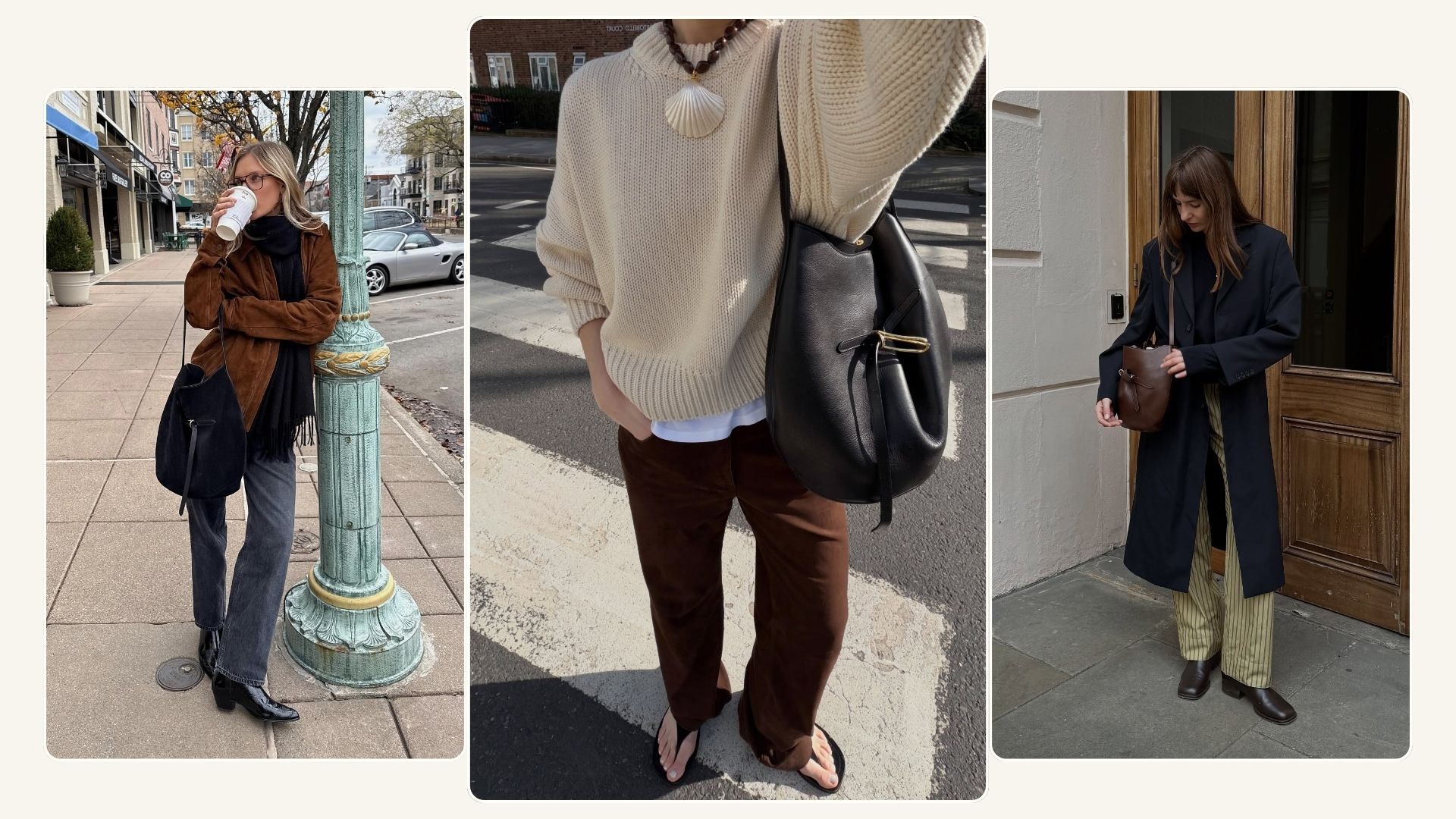
Among the standout beneficiaries of this macro-trend is Liffner. Rooted in Scandinavian aesthetics, the brand has successfully cemented its place within the permanent wardrobes of global tastemakers. Even as fashion slowly reintroduces vibrant hues and louder prints, the fascination with Liffner’s intricately constructed pieces—most notably the Belted Bucket Bag—persists undiminished. Years after its initial launch, stylish individuals continue to carry and champion the brand, proving that thoughtful, mid-range design can rival the longevity of traditional luxury houses.
Main Facts: The Anatomy of Modern Quiet Luxury
The democratization of luxury over the past half-decade has redefined what consumers look for in high-end accessories. No longer tethered to hyper-visible monogramming, today’s discerning shoppers prioritize tactile materials, architectural silhouettes, and everyday practicality.
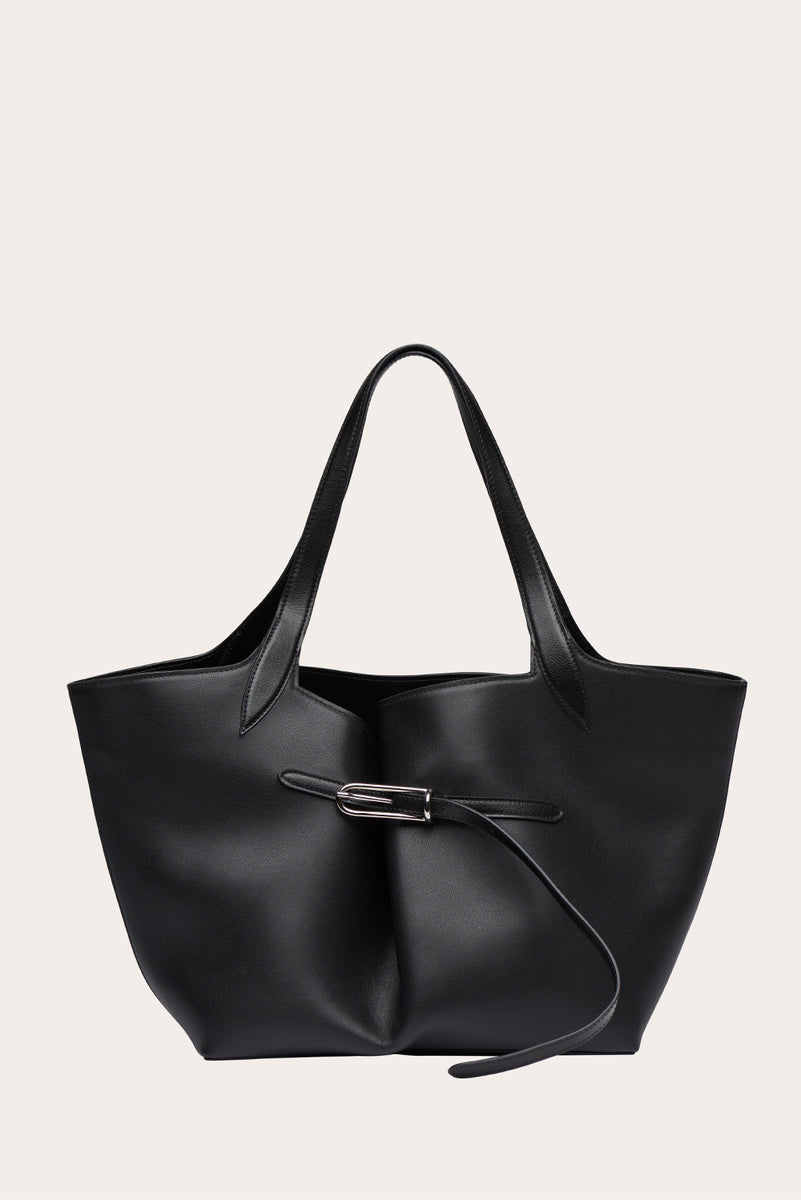
- The Design Philosophy: True to its Scandinavian heritage, Liffner champions clean lines, understated elegance, and functional minimalism. However, each piece features a subtle, distinct twist—such as a cinching buckled strap or architectural folds—that signals insider approval without sacrificing versatility.
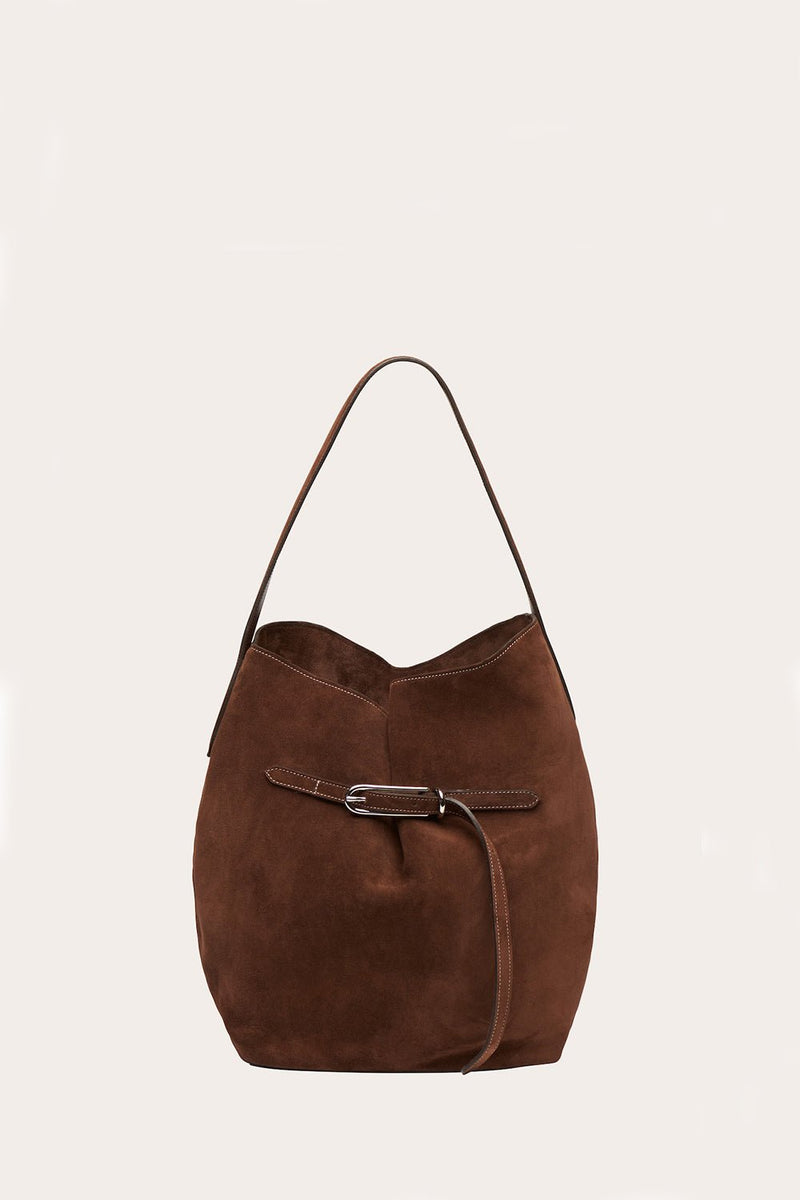
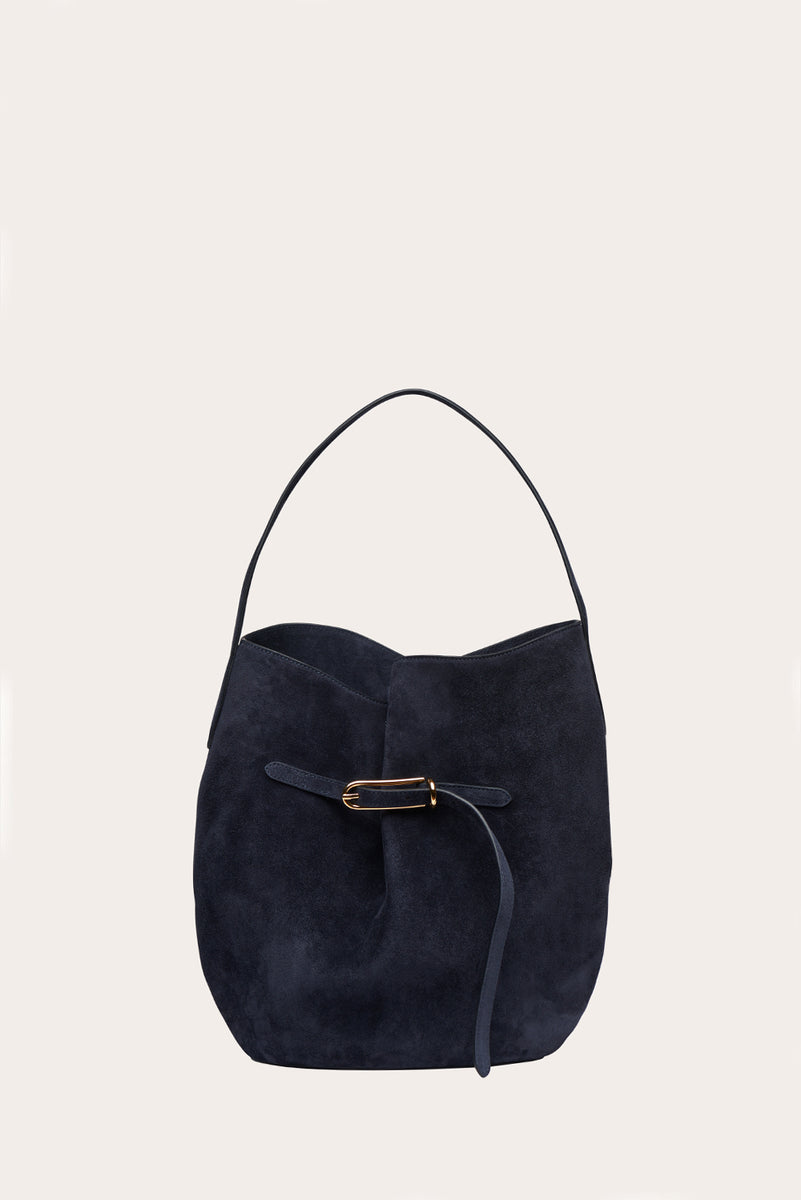
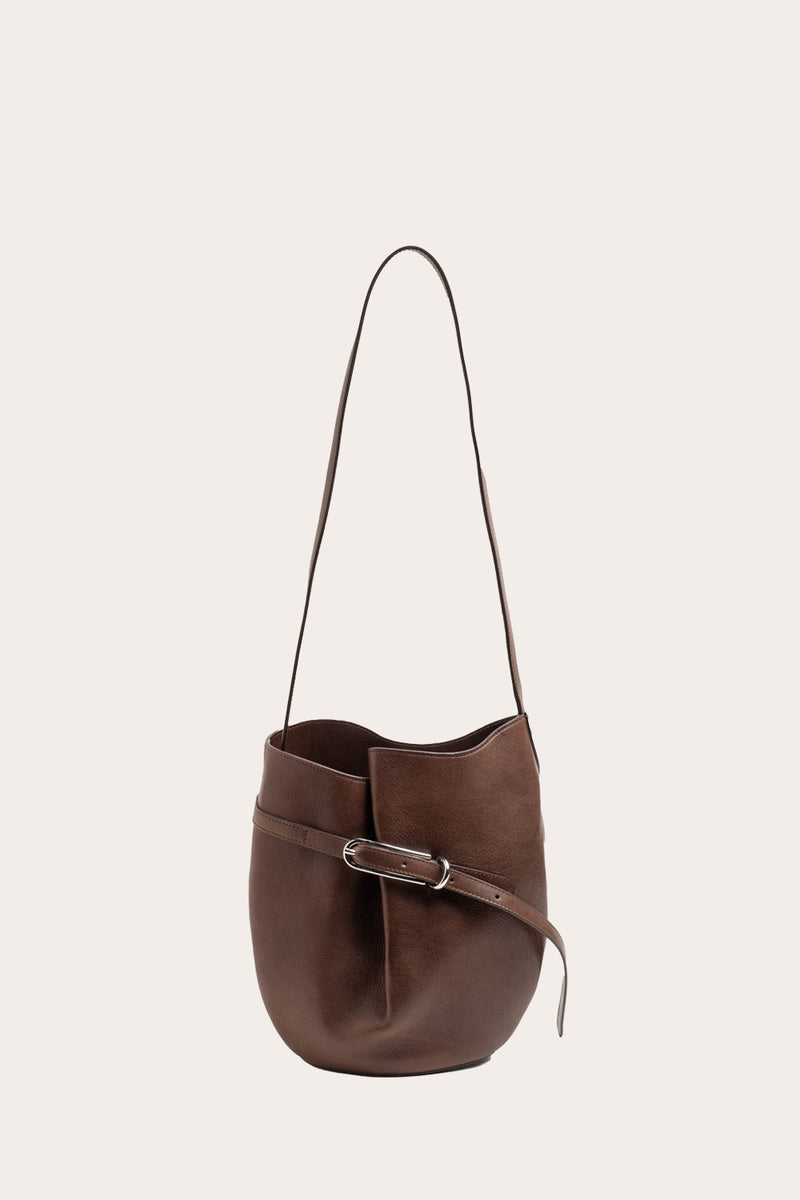
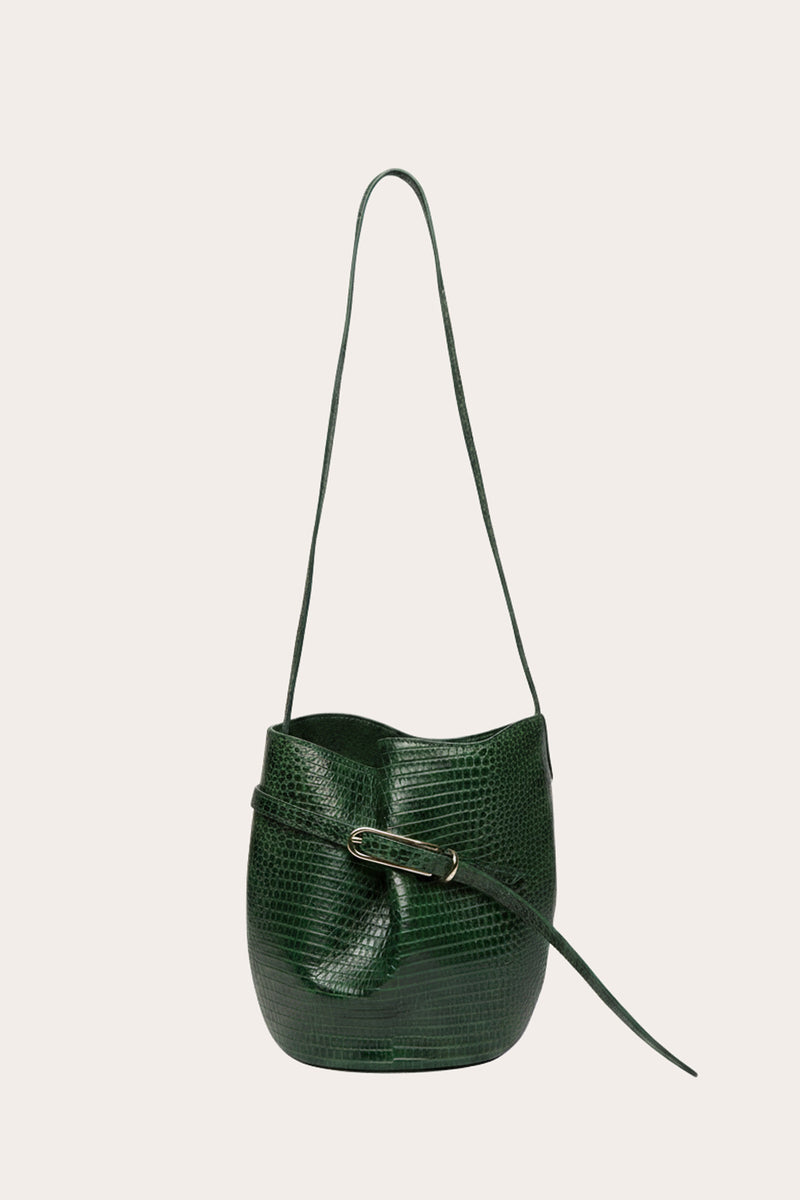
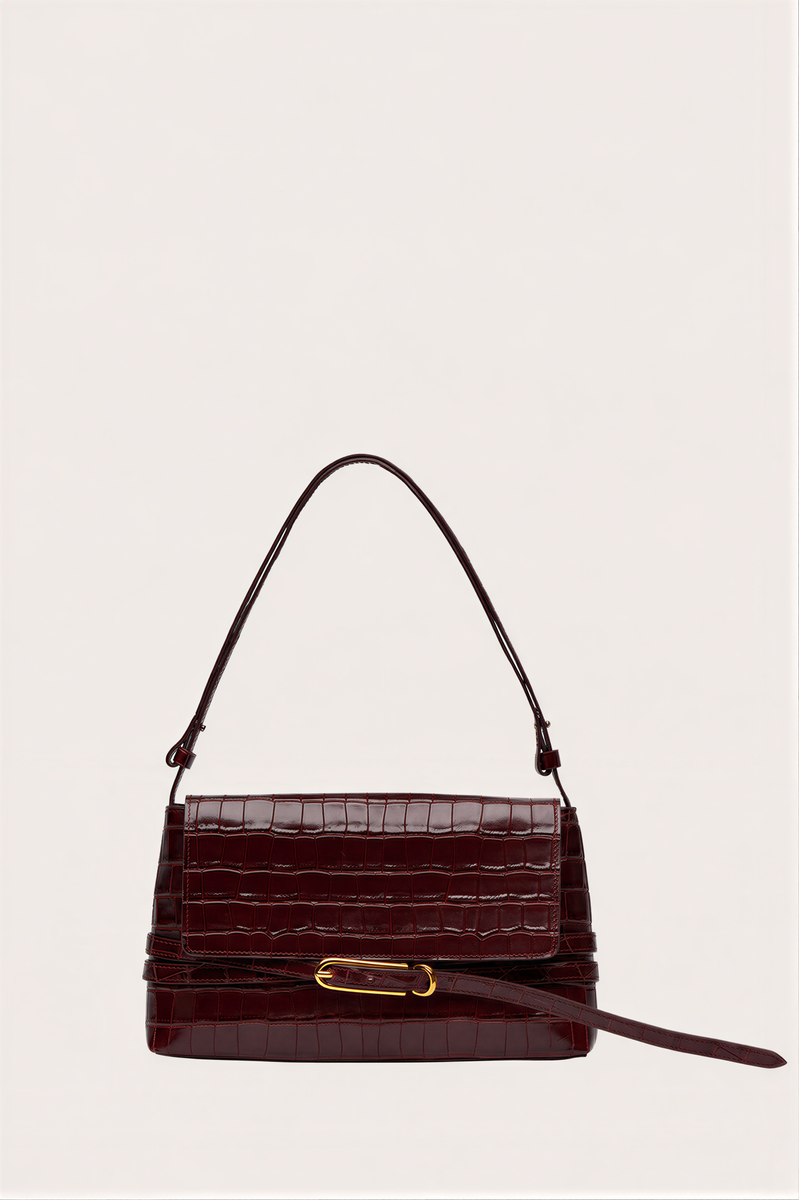
- The Hero Product: Released in late 2024, the Liffner Belted Bucket Bag has emerged as a modern classic. Available in multiple iterations (including regular and large sizes, vintage leather, rich sudes, and exotic embossed textures like emerald lizard and burgundy croc), it bridges the gap between structured totes and casual cross-body bags.
- Price Point and Accessibility: Operating firmly in the mid-range market, Liffner delivers the material quality, craftsmanship, and aesthetic sophistication of traditional designer brands, but at a fraction of the cost, making elevated style accessible to a broader demographic of working professionals and fashion enthusiasts.
Chronology: The Evolution of Liffner and the Bucket Bag Phenomenon
To understand Liffner’s sustained success, one must examine the timeline of its rise within the contemporary accessories market.
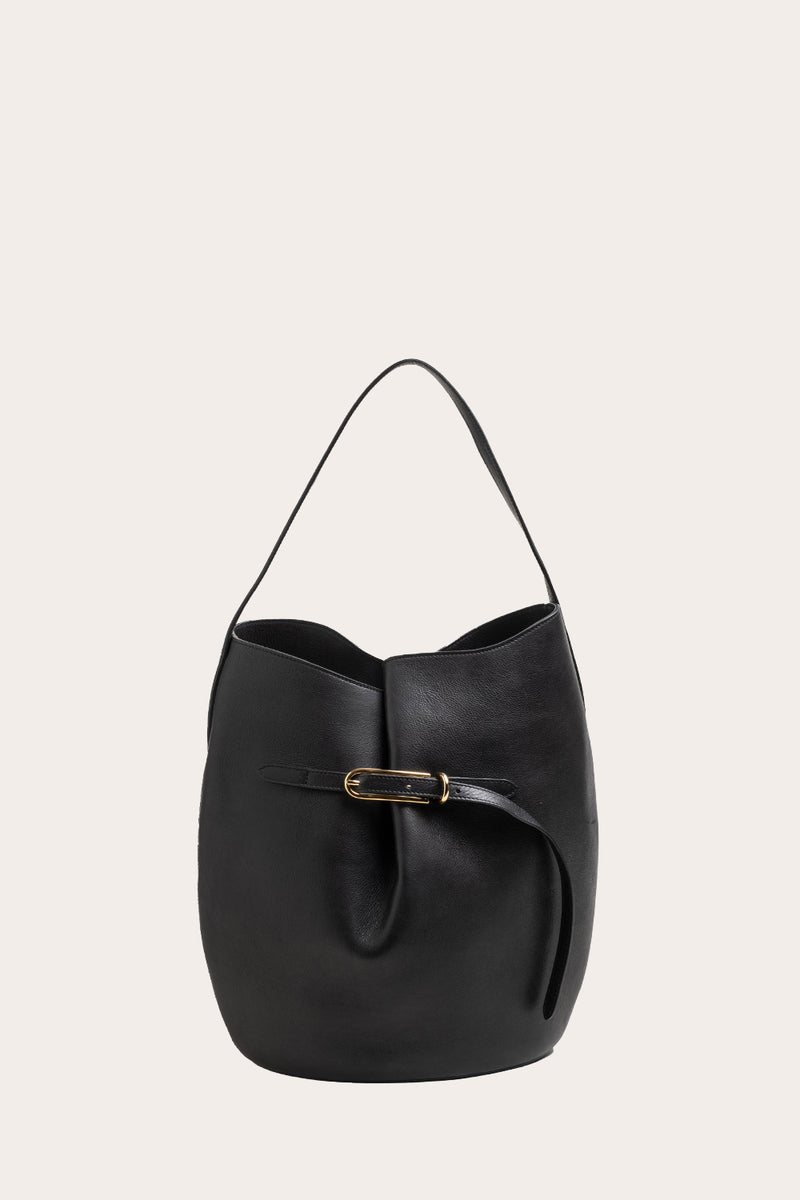
Phase 1: The Foundation of Scandinavian Minimalism
Long before the quiet luxury movement dominated global runways, independent Scandinavian brands were quietly perfecting the art of functional minimalism. Liffner established its brand identity by rejecting seasonal trends in favor of a curated, capsule-driven approach. Instead of releasing massive, disposable collections, the house focused its resources on perfecting a select few categories: structured totes, versatile clutches, and over-the-shoulder styles.
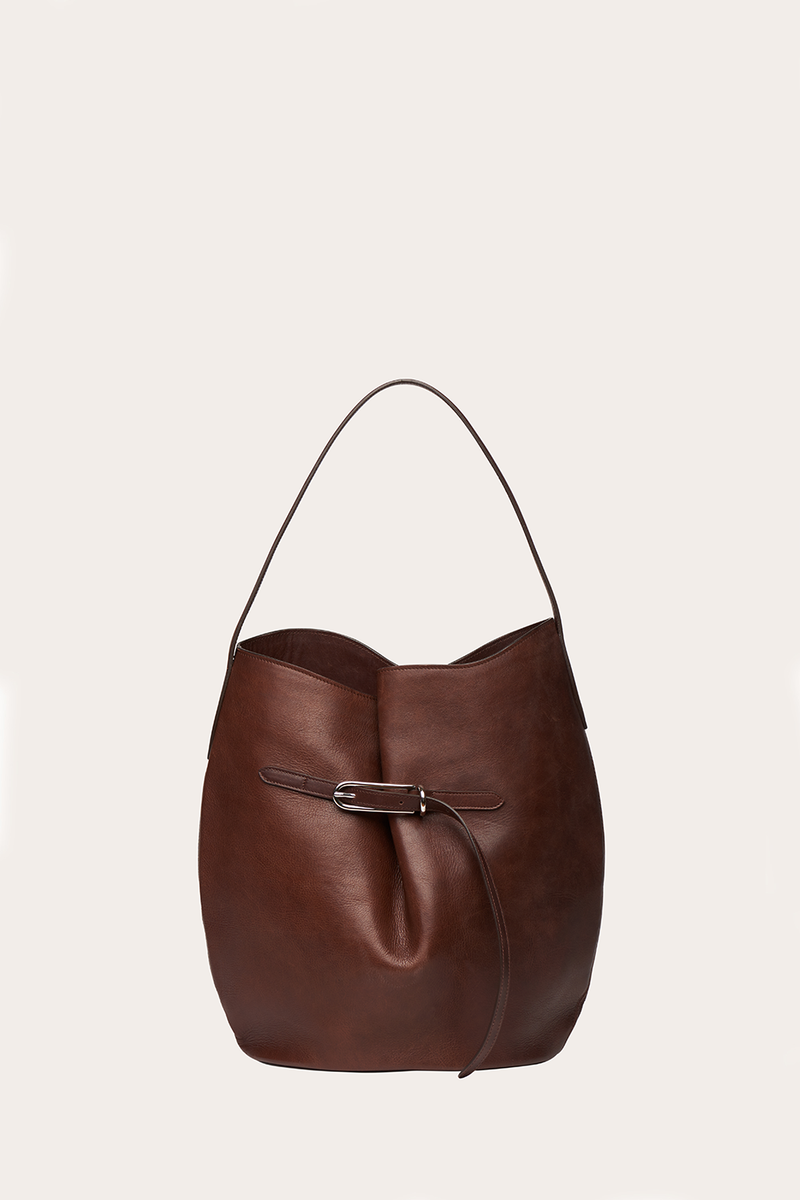
Phase 2: The Late 2024 Launch of the Belted Bucket Bag
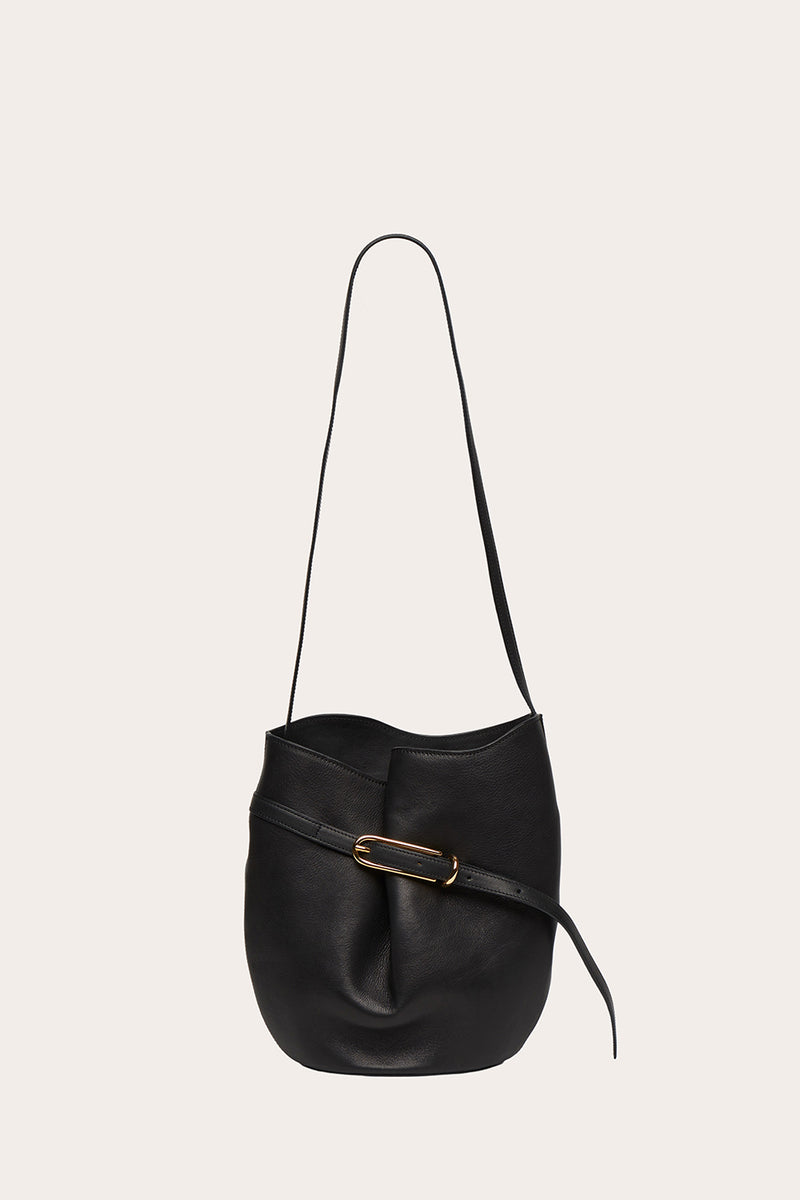
In the closing months of 2024—just as consumers began turning away from overt branding toward tactile, shape-driven accessories—Liffner unveiled the Belted Bucket Bag. Featuring a secure single strap, a remarkably spacious interior, and a signature buckled strap that gracefully cinches the upper silhouette, the bag immediately caught the attention of fashion stylists and street-style icons alike.
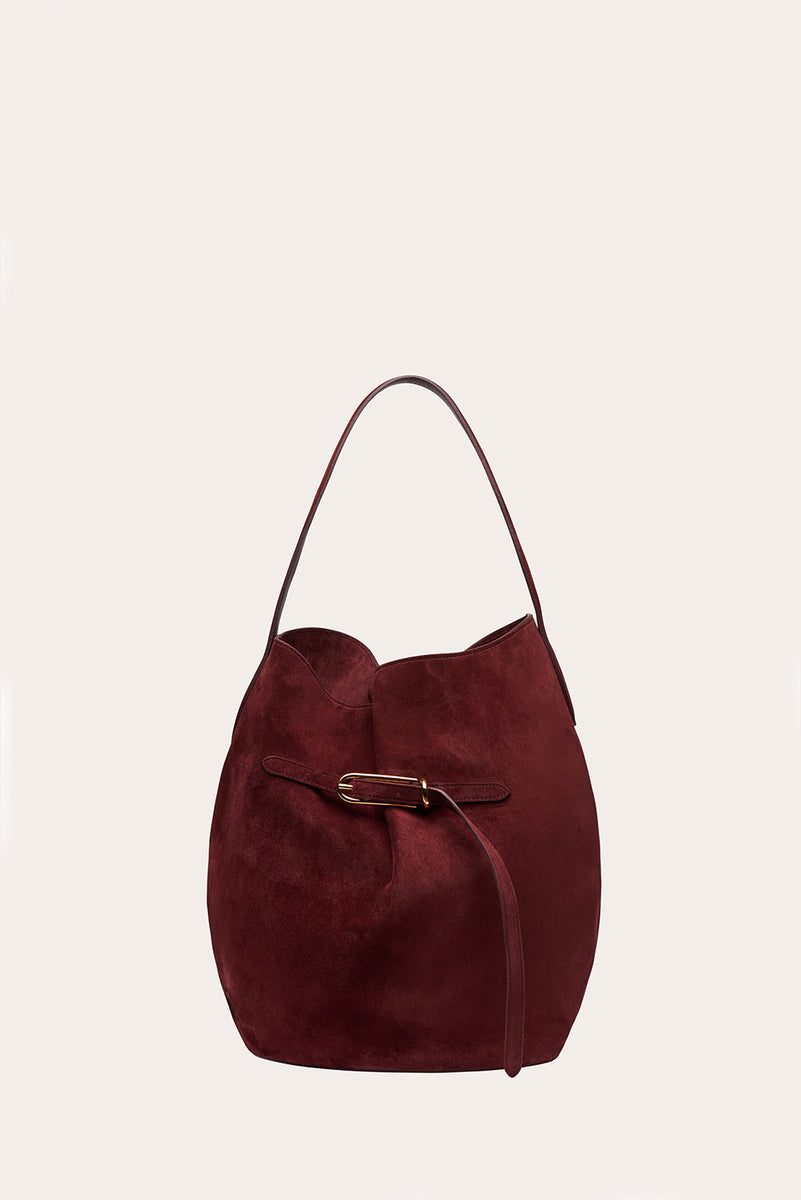
Phase 3: Celebrity Endorsement and Enduring Relevance
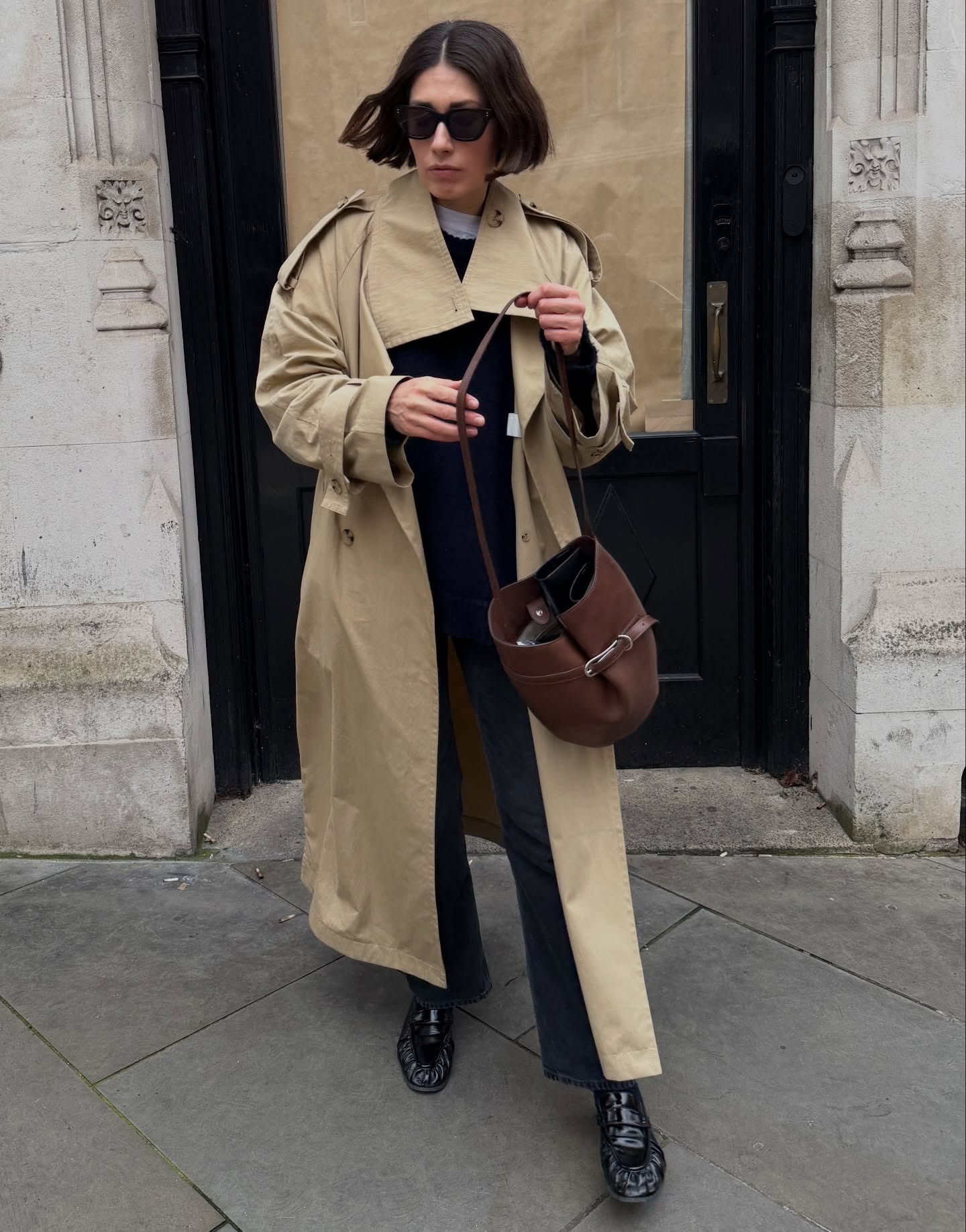
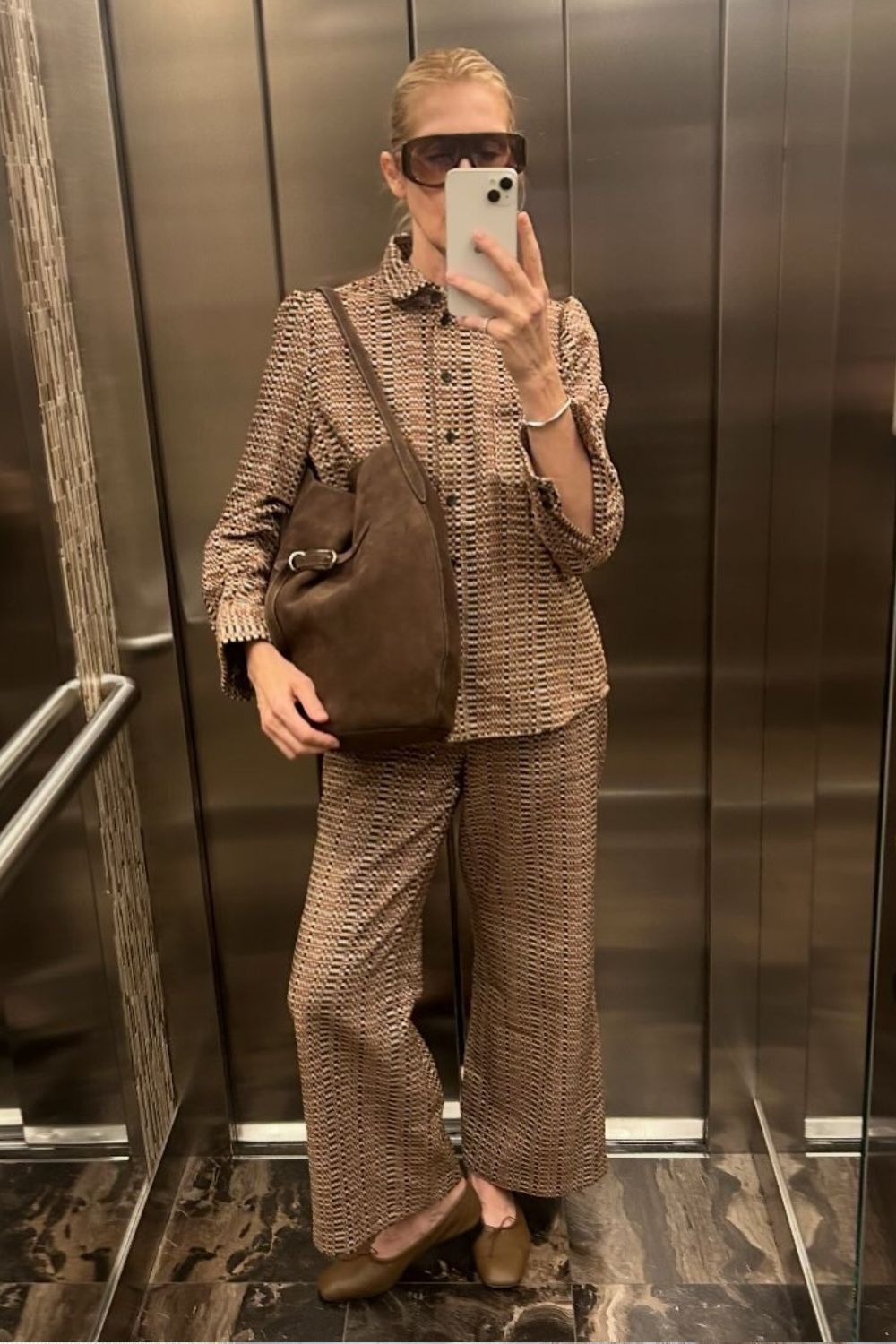
Throughout 2025 and into the autumn seasons of 2026, the bag transcended its initial seasonal hype. High-profile figures, including style veteran Kelly Rutherford and various international fashion editors, were repeatedly spotted wearing the Belted Bucket Bag paired with trench coats, oversized knitwear, and tailored separates. Rather than fading away with changing micro-trends, the bag celebrated its two-year anniversary in the spotlight with expanded seasonal colorways—most notably deep burgundy sudes, dark brown leathers, and striking navy finishes.
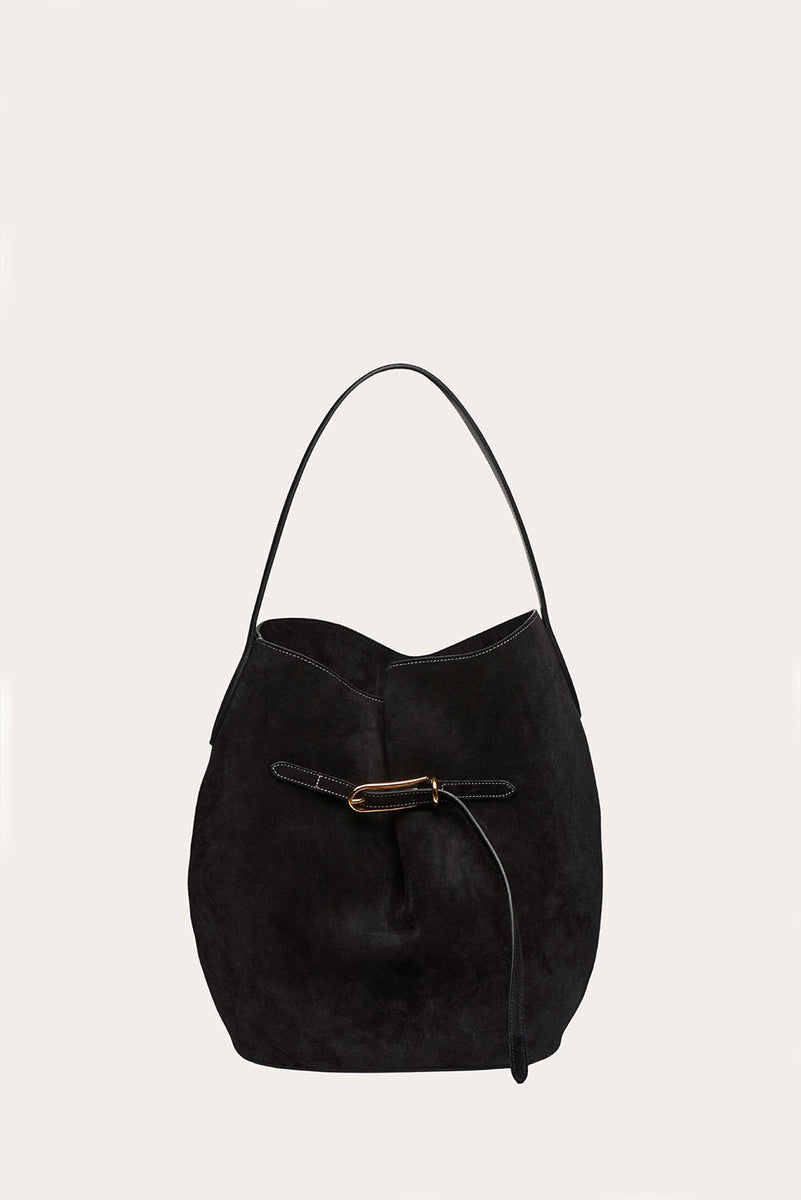
Supporting Data: Consumer Shifts Toward Mid-Range Artisanal Goods
Market research within the global luxury and retail sectors underscores a profound behavioral shift among consumers aged 25 to 45:
- The Squeeze on Mid-Tier Spending: While traditional luxury conglomerates have raised prices exponentially over the past five years, consumers have grown increasingly critical of value-for-money propositions.
- The Rise of the "High-Low" Wardrobe: Data from digital fashion platforms indicates a 35% year-on-year increase in search queries for independent, mid-range leather goods brands that offer full-grain leather construction and hardware traditionally reserved for luxury houses priced upwards of $2,000. Liffner occupies the sweet spot in this ecosystem, generally retailing between $400 and $700.
- Texture and Material Preferences: Fall and winter sales data consistently highlight a surge in tactile finishes. Suede, embossed croc, and lizard-effect calfskin—all prominent in Liffner’s extended line, including the Mega Sprout Tote and Pushlock Clutch—have outperformed smooth, treated leathers by nearly 40% during transitional weather periods.
Official Responses and Industry Perspectives
Industry insiders and retail analysts have taken note of how brands like Liffner are outmaneuvering traditional industry cycles.
The Designer’s Perspective on Timelessness
While Liffner’s creative leadership has maintained a relatively low profile compared to celebrity-driven labels, the brand’s design ethos communicates a clear philosophy: longevity over novelty. In interviews and brand statements regarding their core collections, representatives emphasize that a handbag should act as a reliable companion for daily life rather than a temporary status symbol destined for resale markets within six months.
Stylist Commentary
Leading fashion stylists frequently praise the structural integrity of Liffner’s offerings. "The beauty of a well-executed bucket bag or structured tote lies in its ability to anchor an outfit," notes one prominent New York-based wardrobe stylist. "When you carry a bag that features clean architecture and rich materials like dark brown suede or black vintage leather, it elevates even the most basic jeans-and-trench-coat combination. It gives off an effortless air of sophistication that money alone can’t fake."
Implications: What Liffner’s Success Means for the Future of Retail
The ongoing triumph of the Liffner Belted Bucket Bag and its wider catalog carries significant implications for both emerging designers and legacy fashion houses.
1. The Decline of Fast-Fashion Handbags
As consumers become more environmentally and financially conscious, the appetite for synthetic, trend-driven bags that disintegrate after a single season is rapidly shrinking. Mid-range artisanal brands demonstrate that consumers are willing to invest slightly more upfront if the product promises durability, timeless design, and ethical material sourcing.
2. The Blueprint for Independent Brand Survival
For new design houses entering a crowded global market, Liffner provides a masterclass in focus. By resisting the urge to over-produce, the brand has maintained an aura of exclusivity and desirability. A tightly edited assortment of shapes—totes, bucket bags, and refined evening clutches—allows for deeper quality control and stronger brand recognition among industry insiders.
3. Redefining Accessibility in Luxury
Ultimately, Liffner proves that the future of luxury is not exclusively tied to historical heritage or prohibitive price tags. By focusing on exceptional craftsmanship, thoughtful proportions, and versatile colorways (from classic black vintage leather to opulent burgundy suede), independent labels are successfully rewriting the rules of modern style, ensuring that true elegance remains both attainable and enduring.
 Raul Delapena Setiawan
 Nana Muazin
 Laily UPN
