

Main Facts: The Modern Renaissance of Tailored Corduroy
For decades, the corduroy suit occupied a peculiar purgatory in menswear. It was the unofficial uniform of the rumpled academic, the thrift-store romantic, and the suburban dad whose sartorial ambitions began and ended with the back-to-school rack at the local mall. Yet, a fabric once relegated to the margins of fashion has undergone a remarkable metamorphosis. Today, the corduroy suit is no longer an emblem of sartorial irony; it is a heavyweight contender in high-end tailoring.
Led by premier Italian design houses and bespoke ateliers, contemporary corduroy has evolved from rigid, utility-grade cotton into a supple, luxurious textile. Designers such as Brunello Cucinelli, Massimo Alba, Cesare Attolini, and Brett Johnson have re-engineered the fabric—often referred to as "the everyman’s velvet"—giving it a tactile richness and a sophisticated drape that commands attention without demanding it.
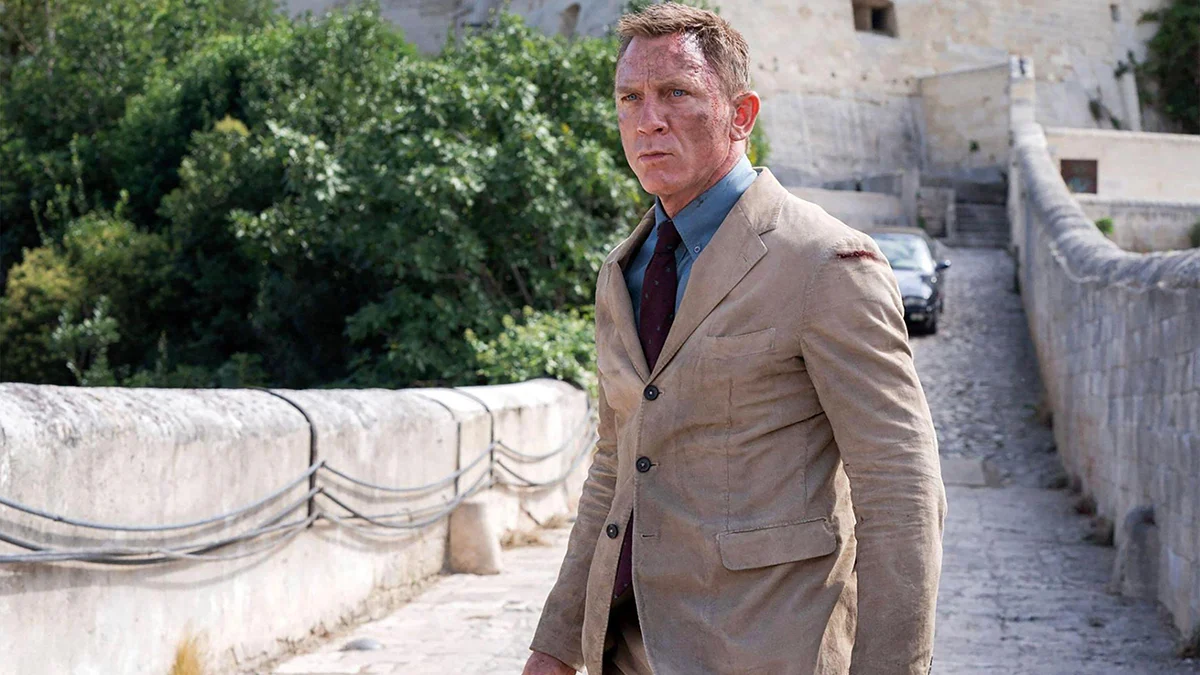
What was once an accidental purchase or an eccentric closet novelty has become a pillar of modern luxury menswear. From the high-end runways of Milan and Florence’s Pitti Uomo to blockbuster action sequences—most notably worn by Daniel Craig’s James Bond in No Time to Die—the corduroy suit has successfully bridged the gap between democratic wearability and rarefied elegance. It is the quintessential "anti-suit suit": structured enough for the boardroom, yet relaxed enough for a punk-rock heritage.
Chronology: From Academic Uniform to Cinematic and Runway Stardom
To understand the current fascination with tailored corduroy, one must trace its journey through pop culture and high fashion, mapping how a workaday fabric became a symbol of effortless cool.

- The Mid-to-Late 20th Century (The Academic Era): Corduroy establishes itself in the collective consciousness as a durable, utilitarian textile. It becomes inextricably linked with intellectualism and counter-culture figures alike. Iconic cinematic depictions cement this reputation: Robin Williams plays the unorthodox, inspiring poetry teacher in Dead Poets Society, clad in lived-in textures, while Donald Sutherland embodies the burnout, anti-establishment professor in Animal House.
- The Early 2000s (The Mall-Rack Purgatory): For a generation of shoppers, corduroy is associated with stiff, heavy trousers bought out of back-to-school necessity. It carries a dusty reputation, seen as archaic and unrefined, lacking the sleekness of worsted wool or the crispness of poplin.
- The October 2021 Cinematic Milestone: Massimo Alba cements corduroy’s action-hero credentials when Daniel Craig, starring as James Bond in No Time to Die, leaps through high-speed chases and evades assassins while wearing one of the designer’s signature tailored corduroy suits. The visual proves that the fabric is as dashing under fire as it is in a lecture hall.
- Recent Menswear Seasons (The Pitti Uomo Takeover): At Pitti Uomo in Florence and Men’s Fashion Week in Milan, tailored corduroy explodes across the collections. Major houses—including Brunello Cucinelli, Cesare Attolini, and Brett Johnson—showcase the fabric not just in leisure trousers, but in fully constructed double-breasted jackets, frosted finishes, and fine-wale blazers.
- The Present Day (The Mainstream Luxury Pivot): Bespoke tailors and luxury brands report surging demand for custom corduroy ensembles. The fabric is no longer an impulse buy stashed away in the back of a closet; it is a foundational wardrobe staple for the modern man navigating the blurred lines between formalwear and casual attire.
Supporting Data: The Anatomy of a Modern Luxury Statement
The appeal of the contemporary corduroy suit lies in the intricate engineering of the textile itself. Modern milling techniques have yielded fabrics that offer the visual depth of velvet without the excessive sheen or formality.
- Wale Width Dynamics: The "wale"—the raised cord or rib of the fabric—defines its character. Fine-wale corduroy offers a smoother, almost velvet-like hand, favored by houses like Brunello Cucinelli for complex double-breasted jackets (such as their frosted cotton-blend models retailing upward of $6,150). Wide-wale variations provide a bolder, more structural throwback aesthetic, favored by contemporary bespoke operations like New York’s J. Mueser (whose black single-breasted Waverly jacket commands around $2,050).
- Color Palettes: While traditional corduroy was limited to earthy browns, tans, and forest greens, modern iterations embrace a wider, richer spectrum. Mustard yellows (Alex Mill), deep grays (Ralph Lauren), stark blacks (J. Mueser), and experimental hues like mauve (Todd Snyder) have expanded the palette, allowing wearers to treat the fabric as a canvas for self-expression.
- Versatility Metrics: Unlike traditional worsted wool suits that demand oxfords and a tie, corduroy thrives on stylistic friction. Style enthusiasts routinely pair corduroy tailoring with everything from cashmere crewneck sweaters and clean sneakers to chunky combat boots and casual sweatshirts, proving its cross-functional utility in a post-office-dress-code era.
Official Responses and Industry Insights
Designers and master tailors have been vocal about the technical and aesthetic evolution that has allowed corduroy to infiltrate high fashion.
At the most recent menswear showcases in Italy, executives from Brunello Cucinelli walked press and buyers through the painstaking construction of fine-wale garments. Highlighting suits featuring ribs in two subtly different shades of gray, brand representatives emphasized that the goal was to create depth that reveals itself only upon close inspection—comparing the experience to appreciating the intricate dial of a luxury timepiece.
Massimo Alba, whose tailoring has long championed soft-structured corduroy, has frequently noted that the fabric’s primary strength is its psychological disarming power. By stripping away the rigid corporate stiffness traditionally associated with tailored garments, corduroy invites a softer, more human interaction with fashion.

Independent bespoke clothiers echo this sentiment. Industry insiders point out that customers commissioning custom corduroy suits are typically looking for a garment that provides "complete control with a little give." It allows professionals to check the boxes of traditional tailoring while maintaining plausible deniability—the comforting reassurance that they haven’t entirely surrendered to corporate conformity.
Implications: The Psychology of the "Anti-Suit Suit"
The resurgence of the corduroy suit is indicative of a broader, seismic shift in men’s fashion: the death of corporate uniformity and the rise of textural self-expression.
For decades, the suit was a uniform of compliance. It signaled corporate loyalty, social standing, and a rigid adherence to dress codes. The pandemic accelerated a trend toward casualization, leaving traditional tailoring gasping for relevance in a world of remote work and soft trousers.
The corduroy suit emerged as the ideal bridge across this chasm. By combining the architecture of a tailored jacket and trousers with a fabric deeply rooted in counter-culture, academia, and everyday utility, it offers a sophisticated compromise. It is an "anti-suit suit"—a garment that lets the wearer dress up while maintaining a subtle, rebellious distance from the very institutions of formality.

For the modern consumer, this represents a new form of soft power. Wearing a mauve or mustard corduroy suit communicates that the wearer values craftsmanship, history, and style, but refuses to take themselves too seriously. It is a sartorial safety valve: an outfit sophisticated enough for a luxury gala, yet subversive enough for an old punk rocker. And as long as designers continue to refine its weights, colors, and cuts, the corduroy suit will remain safely out of the closet—and firmly at the forefront of contemporary menswear.
 Ammar Sabilarrohman
 Lina Hope
 Raul Delapena Setiawan
