

As the final model exited the runway and the house lights illuminated the grand venues of Manhattan, the whirlwind that was New York Fashion Week (NYFW) Spring/Summer 2027 officially drew to a close. Yet, to look at a fashion week calendar simply as a completed checklist of 63 runway shows is to fundamentally misunderstand its lifecycle. The conclusion of the physical presentations marks not an ending, but the beginning of a months-long analytical process. Retail buyers, trend forecasters, and style editors now face the monumental task of synthesizing a massive volume of creative expression into coherent, wearable movements that will define the global wardrobe for the upcoming spring and summer seasons.
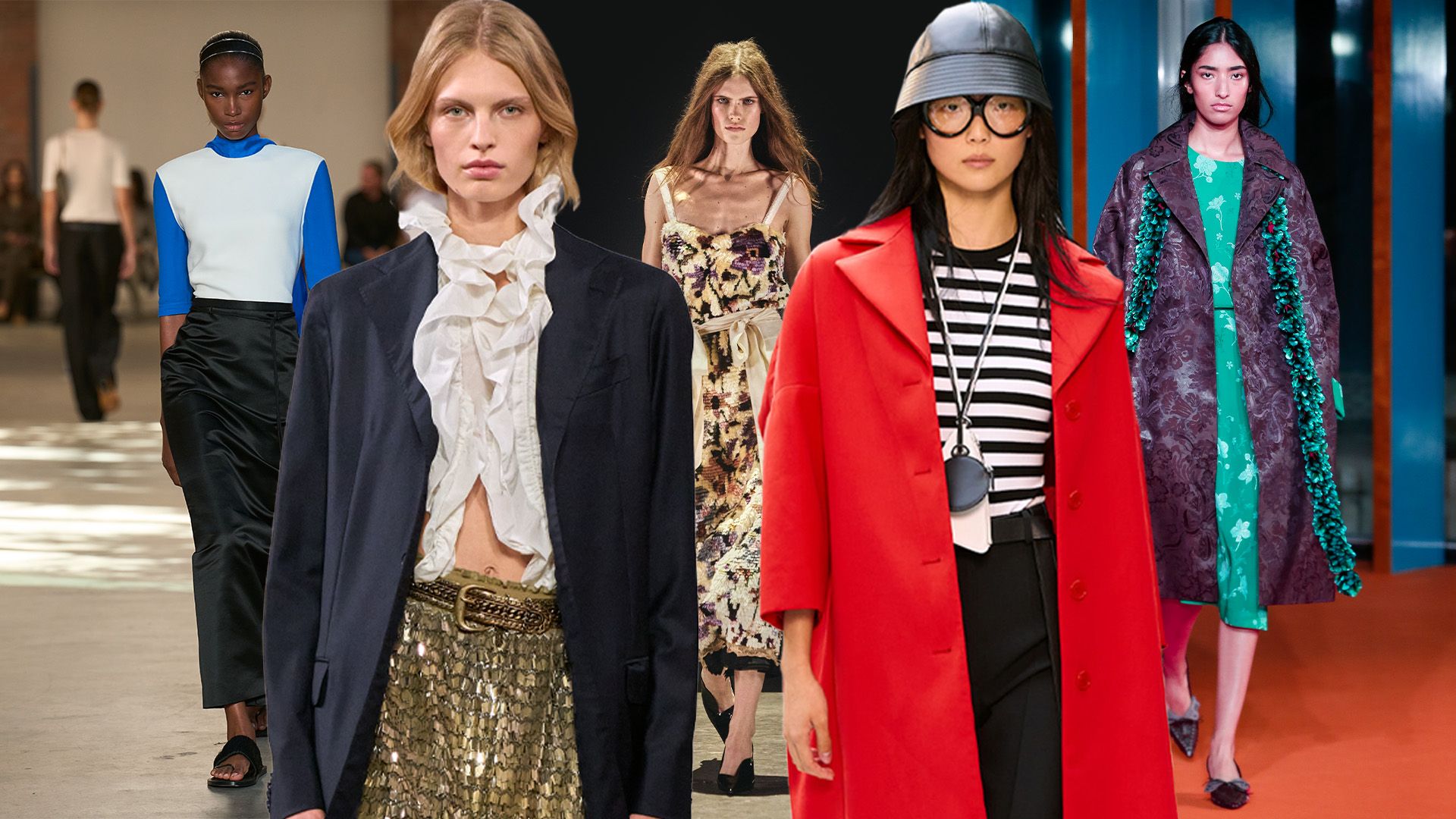
Despite the distinct design DNA and creative autonomy displayed across the week’s eclectic schedule, a fascinating consensus emerged among the designers. Whether reviewing the output of legacy houses or cutting-edge contemporary labels, sharp-eyed observers could spot recurring threads stitching the collections together. What follows is the definitive style cheat sheet—a comprehensive deep-dive into the nine defining trends to emerge from NYFW S/S 27, ensuring wardrobes are preemptively aligned well before the calendar turns to 2027.
Main Facts: A Resurgent Schedule and Unified Visions
The Spring/Summer 2027 edition of New York Fashion Week was characterized by a potent mix of high-stakes homecomings, steady stalwarts, and surprising stylistic alignments. Totaling 63 official runway shows alongside a curated roster of intimate presentations, the week underscored New York’s enduring vitality as a global fashion capital.
Among the most heavily discussed moments on the official calendar was the triumphant return of Diane von Furstenberg (DVF) to the active schedule, now operating under the visionary creative direction of Henry Zankov. This return served as an anchor for a week that also heavily featured mainstays such as Khaite, Kallmeyer, Tory Burch, the Calvin Klein Collection, Altuzarra, Proenza Schouler, and Ralph Lauren—the latter executing an off-season spectacle the very night before the official calendar commenced.
Despite the diverse array of design philosophies present, structural alignments in color theory, fabric selection, and silhouette engineering quickly revealed themselves. Designers seemingly shared a telepathic memo regarding how the modern dresser wants to feel in the warmth of upcoming seasons: confident, textured, architectural, and strikingly bold.
Chronology: From Pre-Season Anticipation to Runway Reality
The trajectory of New York Fashion Week S/S 27 followed a carefully orchestrated narrative arc, unfolding across several distinct phases:
- The Pre-Game Kickoff: The fashion ecosystem buzzed into motion twenty-four hours before the official opening bell, highlighted by Ralph Lauren’s high-profile, off-season presentation. This set a luxurious, atmospheric tone for the week, prioritizing tactile opulence and cinematic staging.
- The Opening Days and Mainstays: As the official schedule commenced, heavyweights like Tory Burch, Proenza Schouler, and the Calvin Klein Collection grounded the week in sophisticated American sportswear and sharply tailored outerwear.
- The Mid-Week Cultural Shifts: Mid-week brought the much-anticipated return of DVF under Henry Zankov, injecting historical house codes with contemporary kinetic energy, while contemporary darlings like Sandy Liang, Diotima, and Cult Gaia tested the boundaries of tactile expression and daytime glamour.
- The Grand Finale and Post-Mortem: The final days of the schedule gave way to conceptual design explorations from labels like Wiederhoeft and Altuzarra. The final shows blurred the lines between structured eveningwear and everyday separates, leaving the fashion world to comb through the data and isolate the nine core movements that would dominate the trend cycle.
Supporting Data: The Nine Pillars of S/S 27
A statistical and qualitative review of the 63 runway shows highlights the nine specific aesthetic pillars that dominated the New York runways.
+-----------------------------------+--------------------------------------------+
| TREND CATEGORY                    | KEY DESIGN HOUSES REPRESENTED              |
+-----------------------------------+--------------------------------------------+
| 1. Cobalt Craze                   | Kallmeyer, TWP, Ralph Lauren, Diotima,     |
|                                   | Calvin Klein Collection                    |
| 2. Skirts That Take Up Space      | Khaite, Brandon Maxwell, Kallmeyer         |
| 3. Liquid Satin                   | Ralph Lauren, Sandy Liang, Cult Gaia, DVF  |
| 4. The Corset Comeback            | Altuzarra, Khaite, Wiederhoeft             |
| 5. Colorful Car Coats             | Tory Burch, Michael Kors, Calvin Klein     |
| 6. Daytime Sequins                | Cult Gaia, Zankov, Ralph Lauren            |
| 7. Modern-Day Jacquard            | Tory Burch, Calvin Klein Collection,       |
|                                   | Proenza Schouler, Altuzarra                |
| 8. Sculptural Ruffles             | Proenza Schouler, Diotima, Carolina        |
|                                   | Herrera, Khaite                            |
| 9. Tactile Texture                | Michael Kors, Diotima, Khaite              |
+-----------------------------------+--------------------------------------------+
1. Cobalt Craze
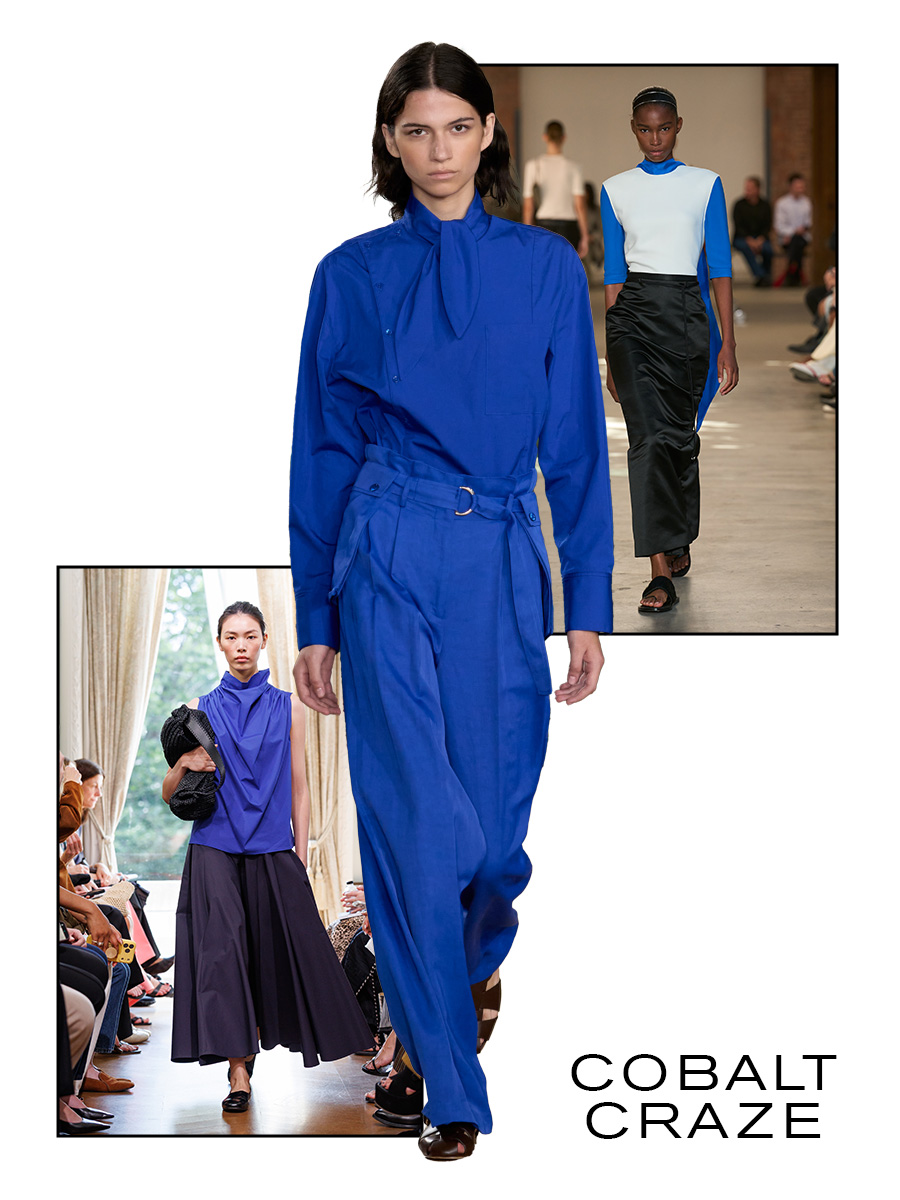
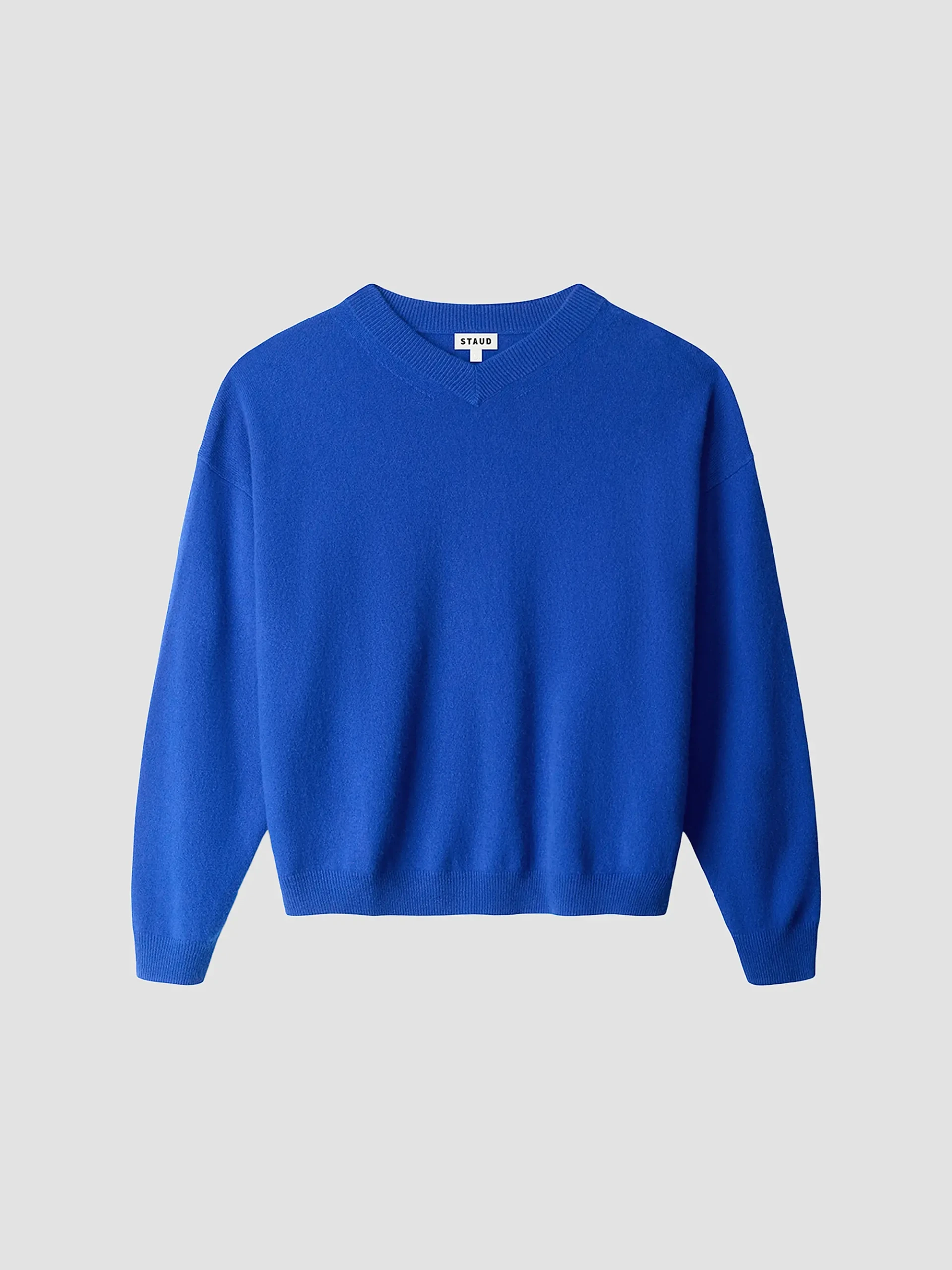
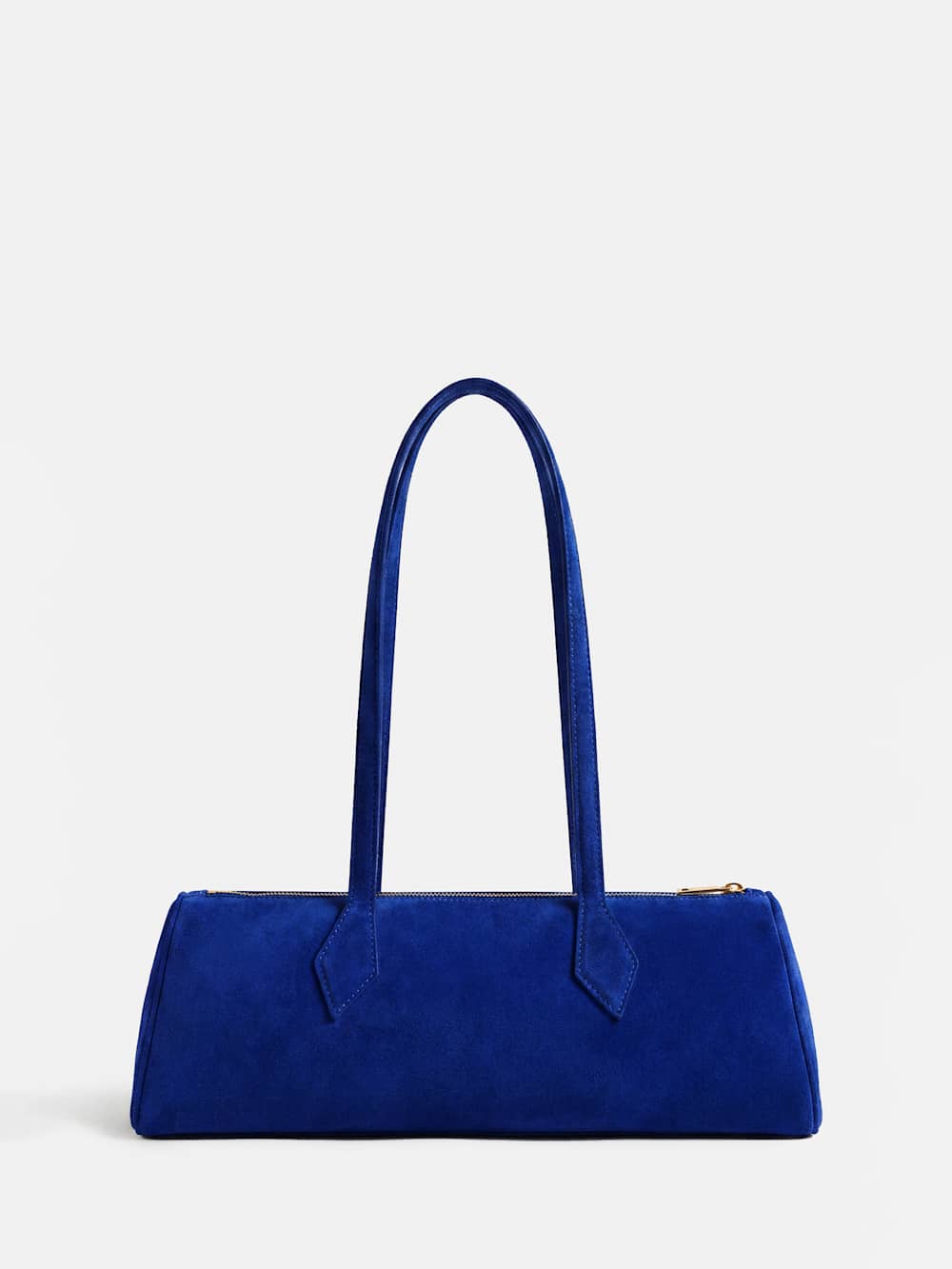
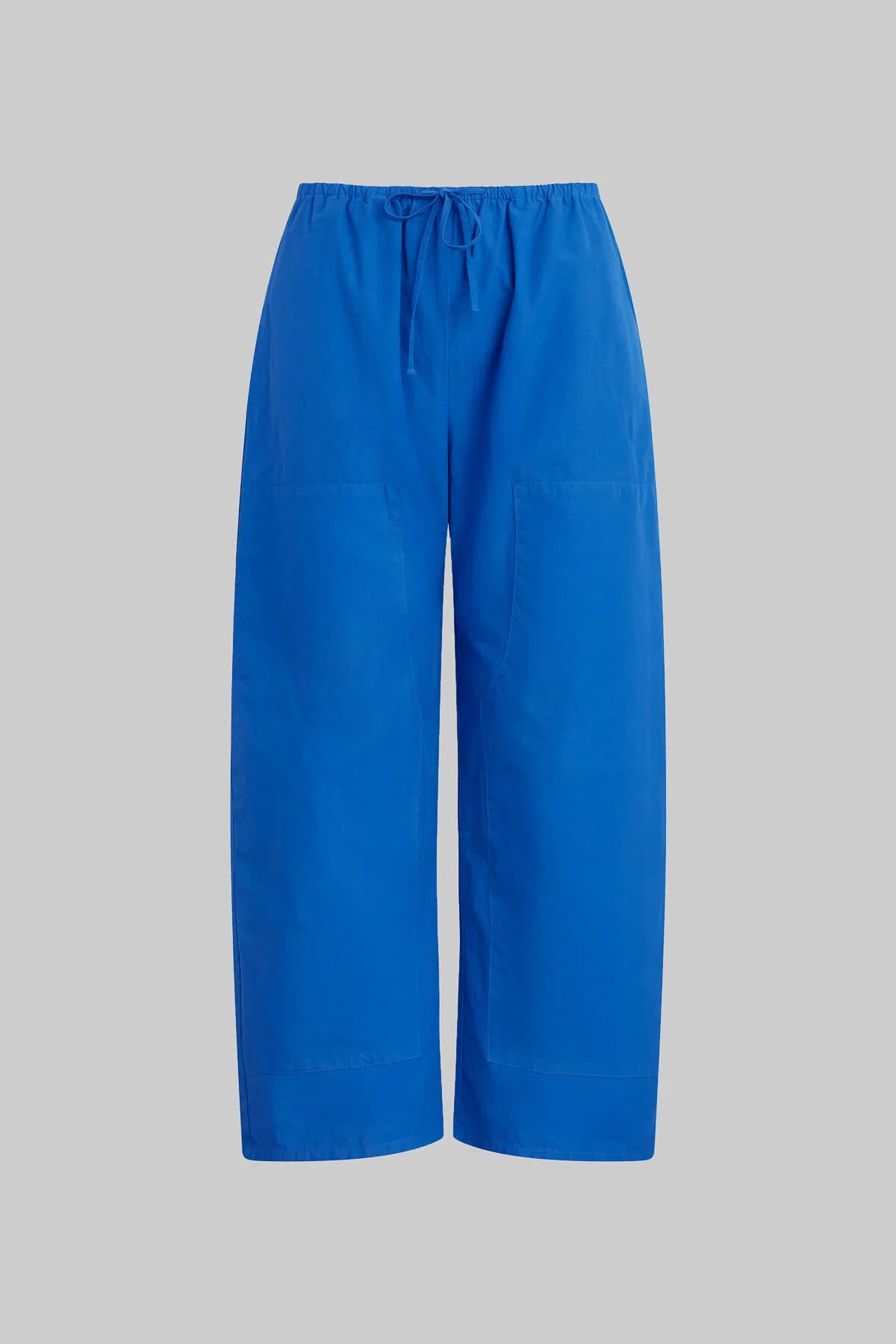
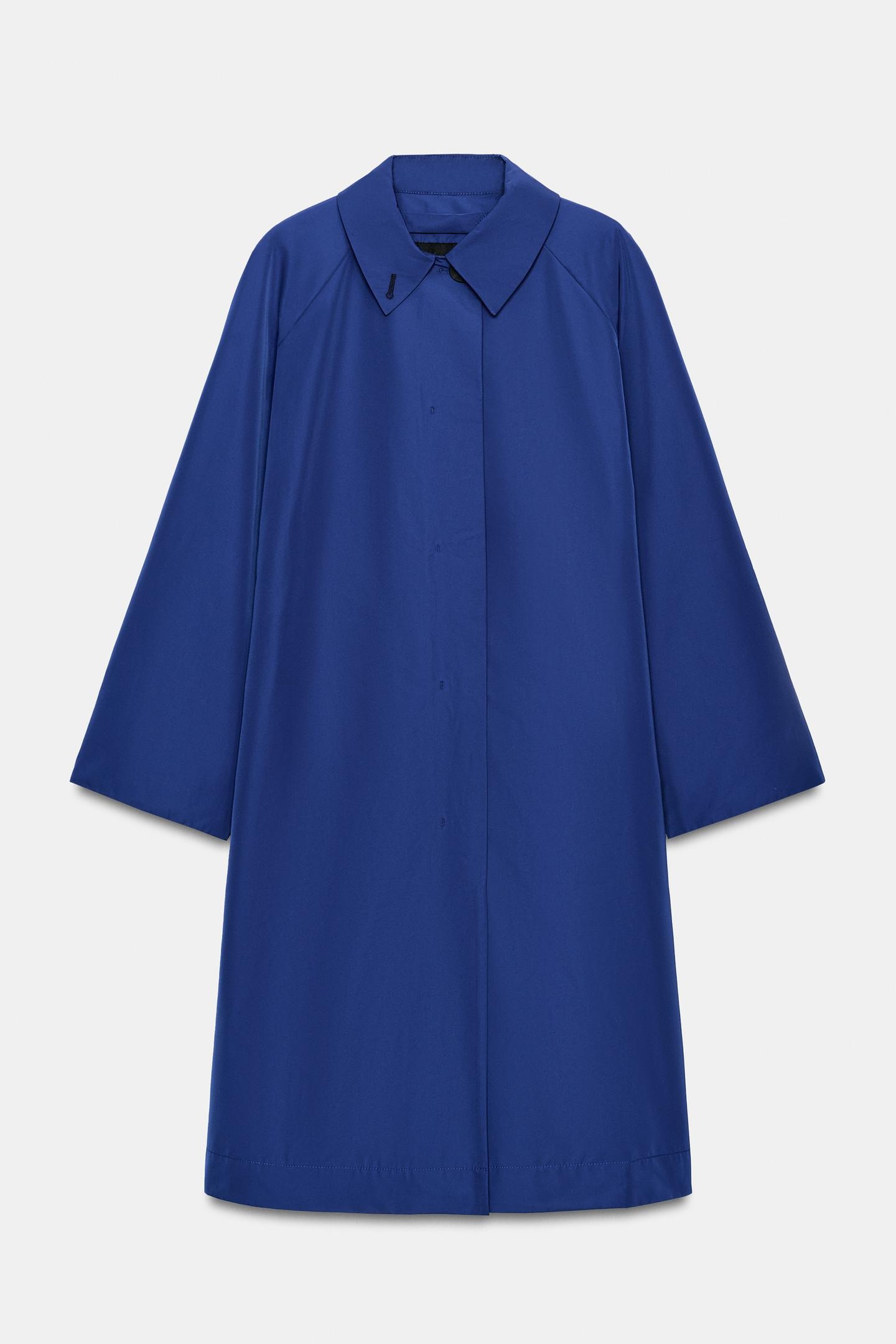
When charting the color palette of NYFW S/S 27, a definitive victor emerged: cobalt blue, frequently referred to in artistic circles as Yves Klein blue. While color theorists have noted cobalt’s steady rise over recent seasons, the spring runways proved that the vibrant hue has firmly reached escape velocity. Rather than appearing merely as an accent shoe or a modest handbag, designers utilized cobalt as the absolute focal point of complete ensembles. Houses such as Kallmeyer, TWP, Ralph Lauren, Diotima, and the Calvin Klein Collection championed monochromatic cobalt looks that commanded visual attention without leaning into neon territory.
2. Skirts That Take Up Space
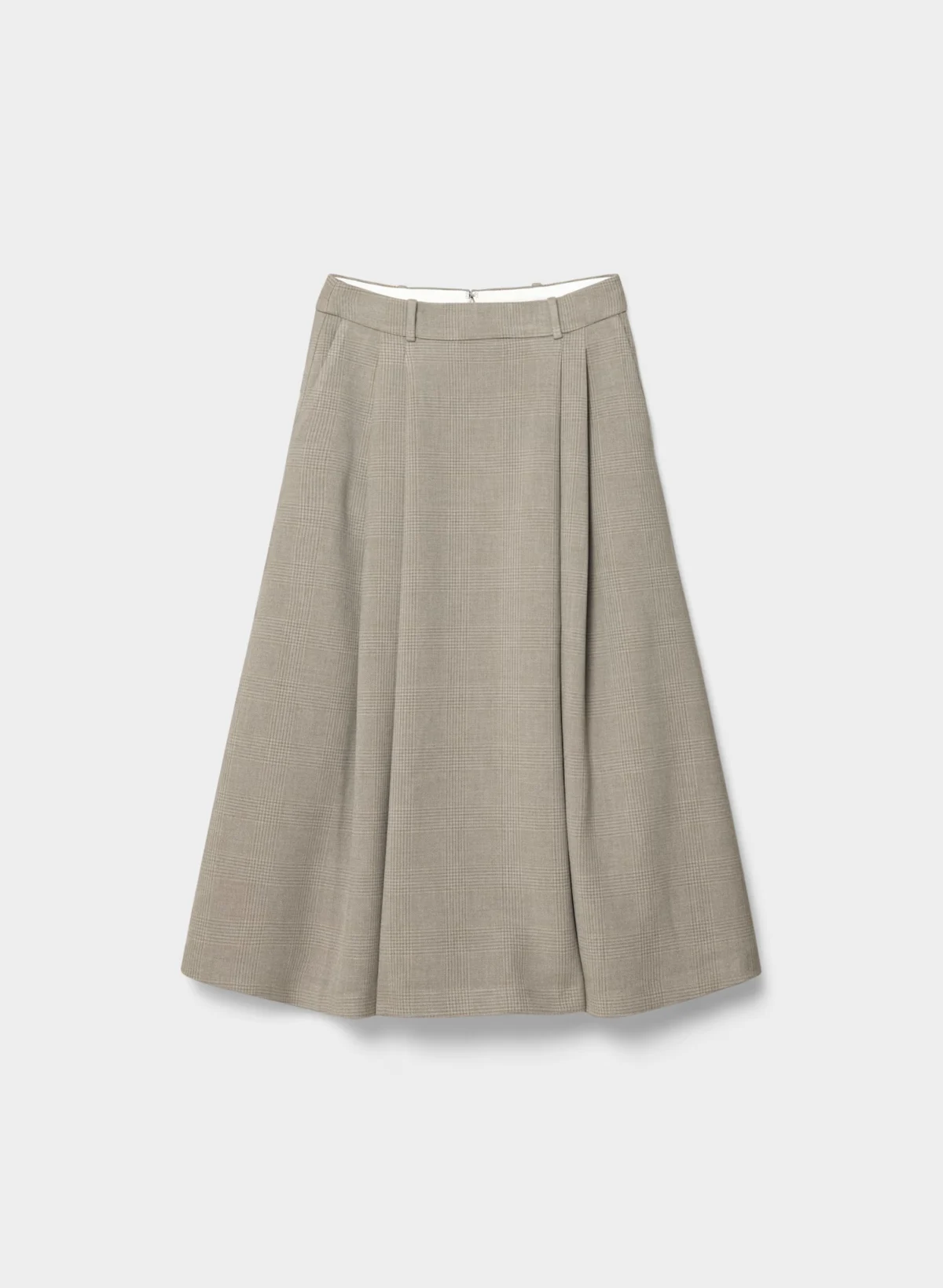
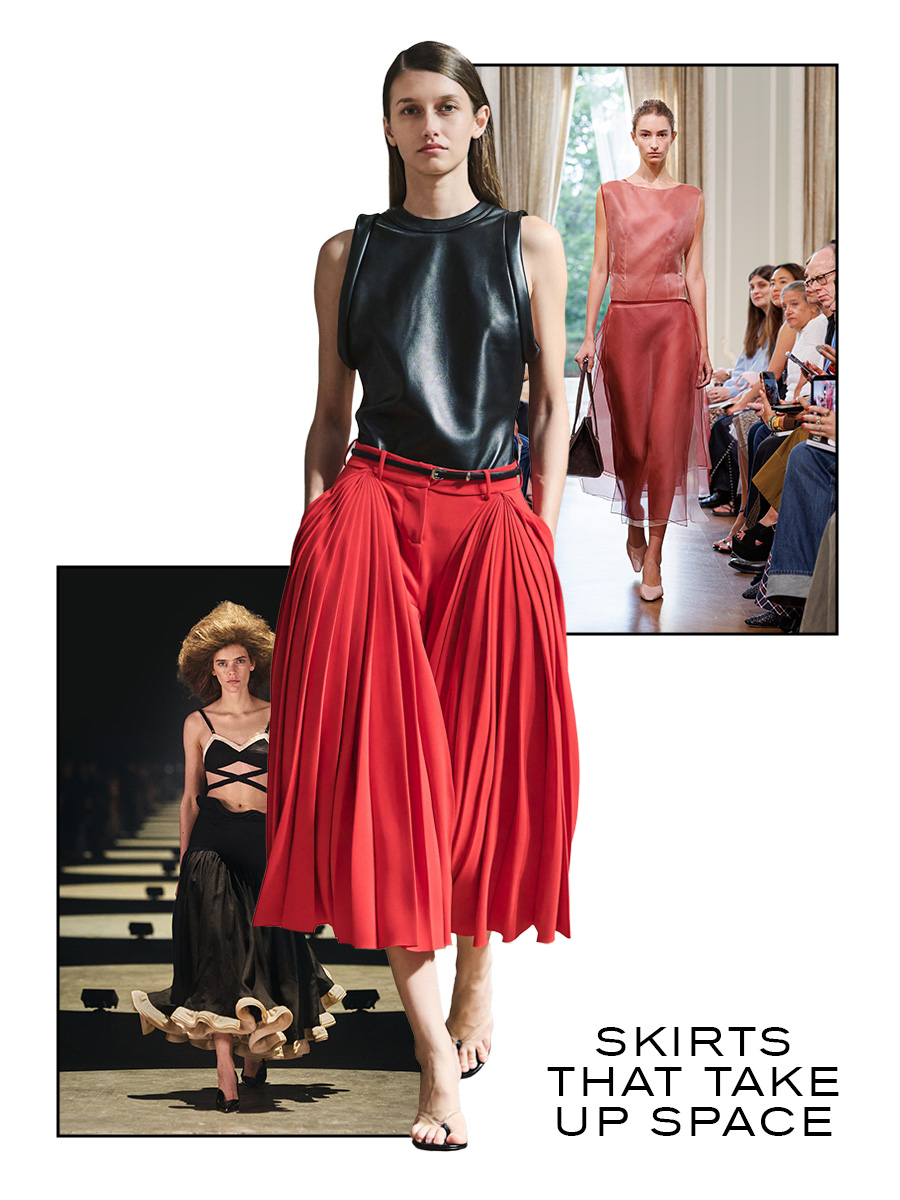
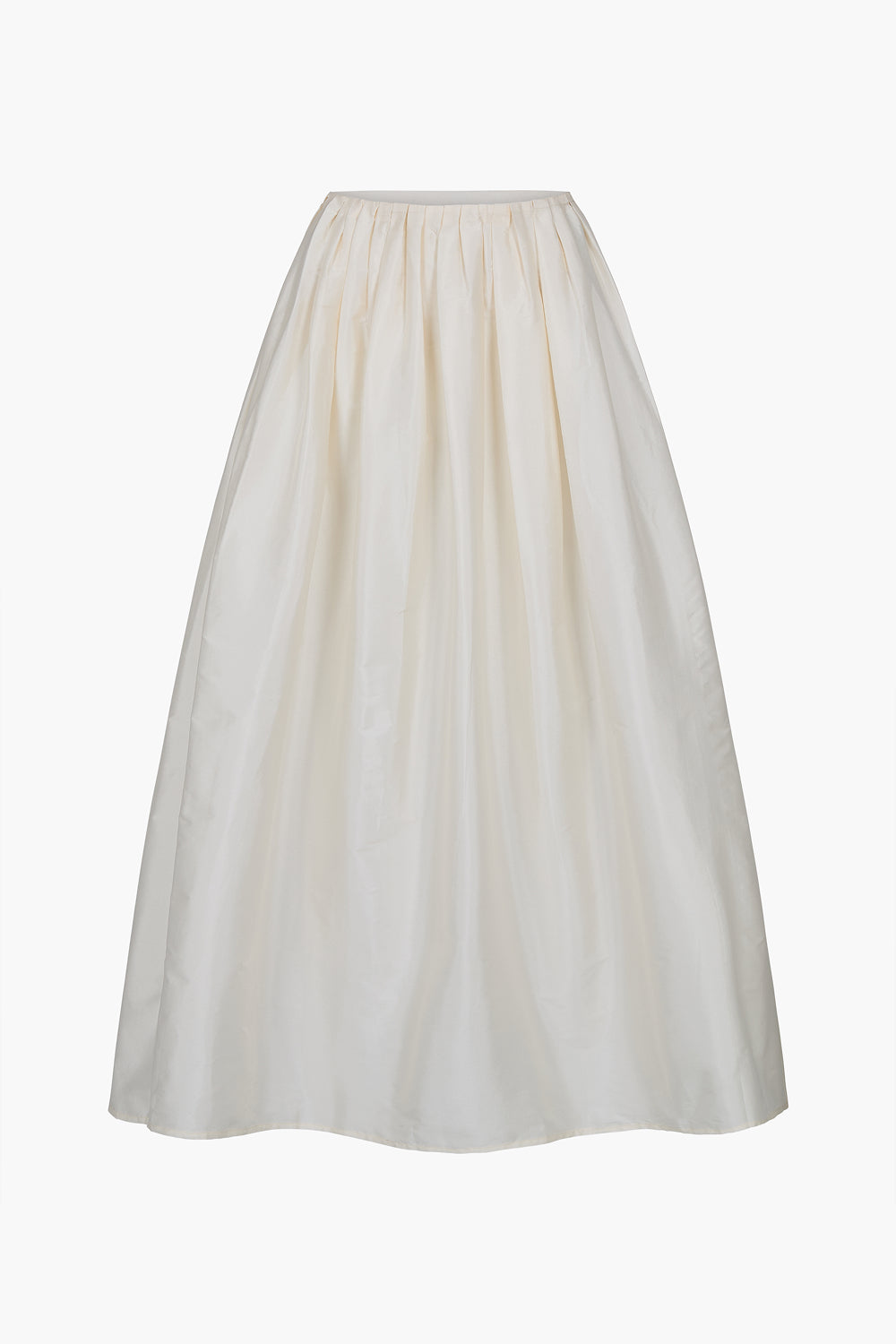
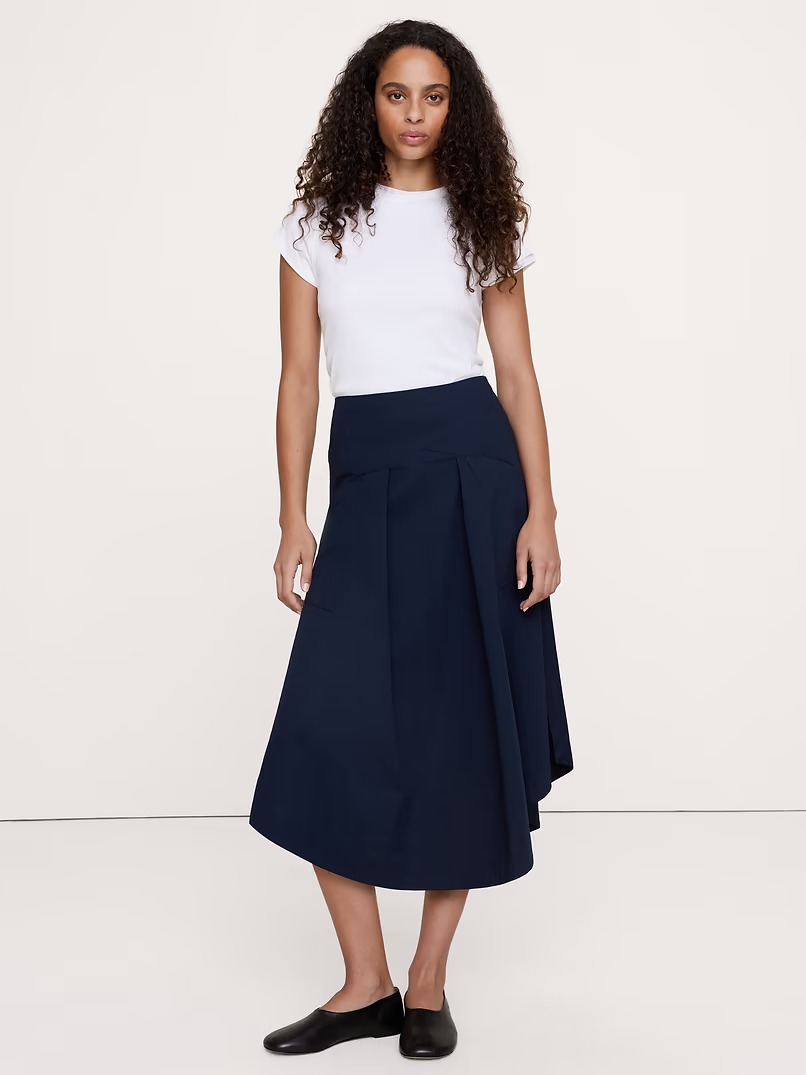
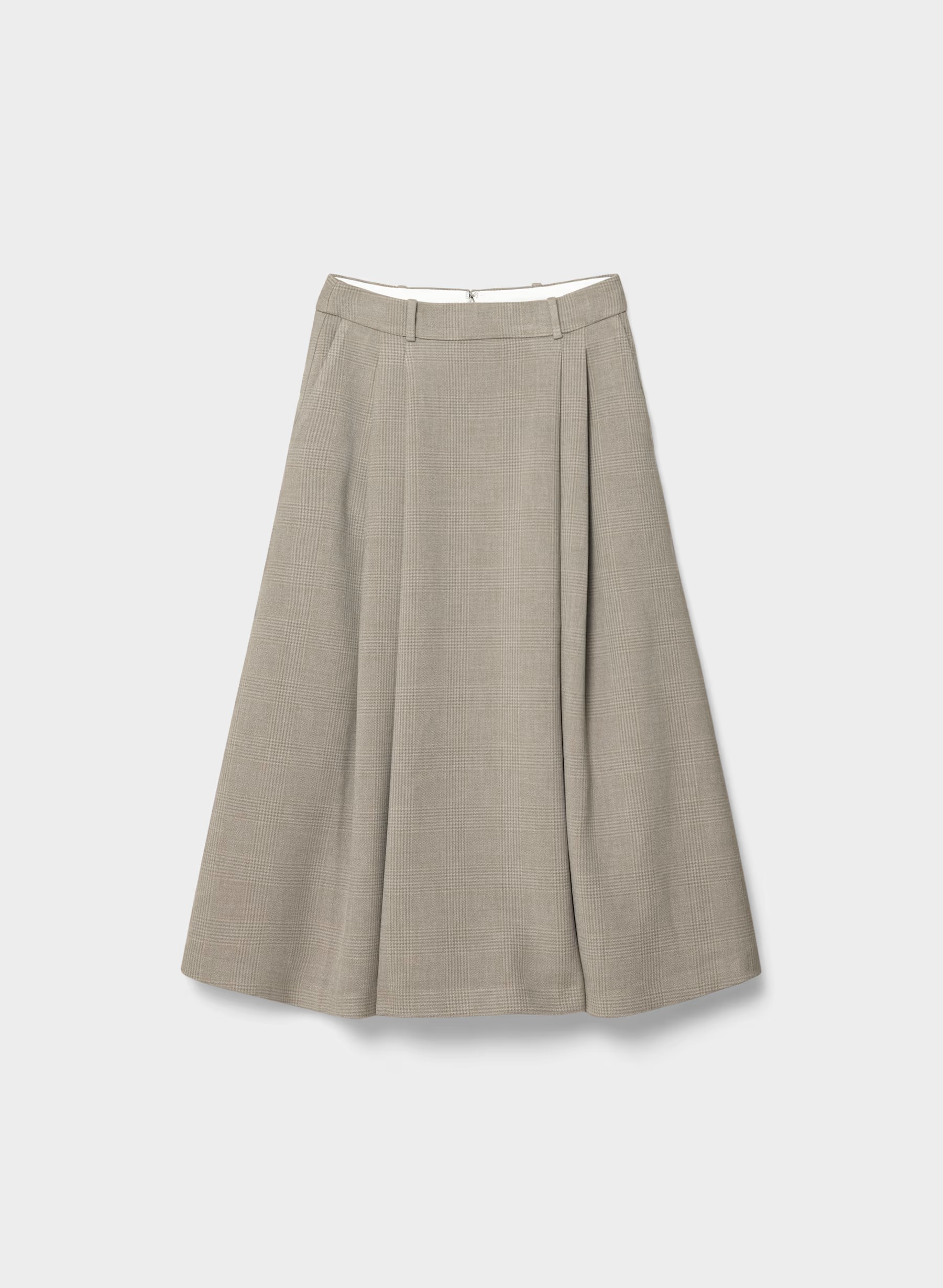
While sleek, minimalist column skirts retained a quiet presence on the S/S 27 runways, they were comprehensively overshadowed by the dramatic resurgence of full, voluminous skirts. Primarily hitting at a sophisticated midi length, these garments defied the prevailing winds of ultra-tight silhouettes. Executed in every conceivable fabric, weight, and print, full skirts appeared even within collections historically recognized for razor-sharp tailoring—most notably at Khaite, signaling a broader industry appetite for romantic, room-demanding shapes.
3. Liquid Satin
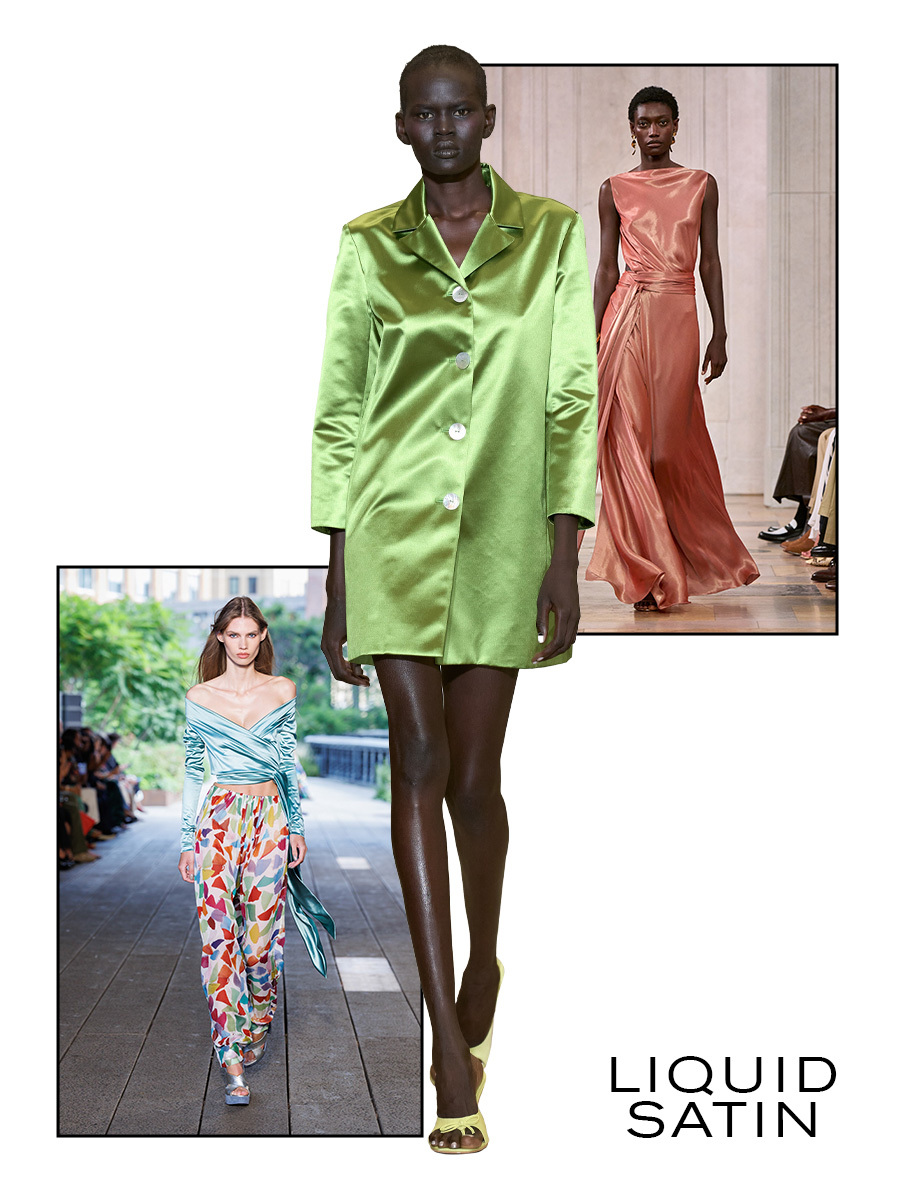
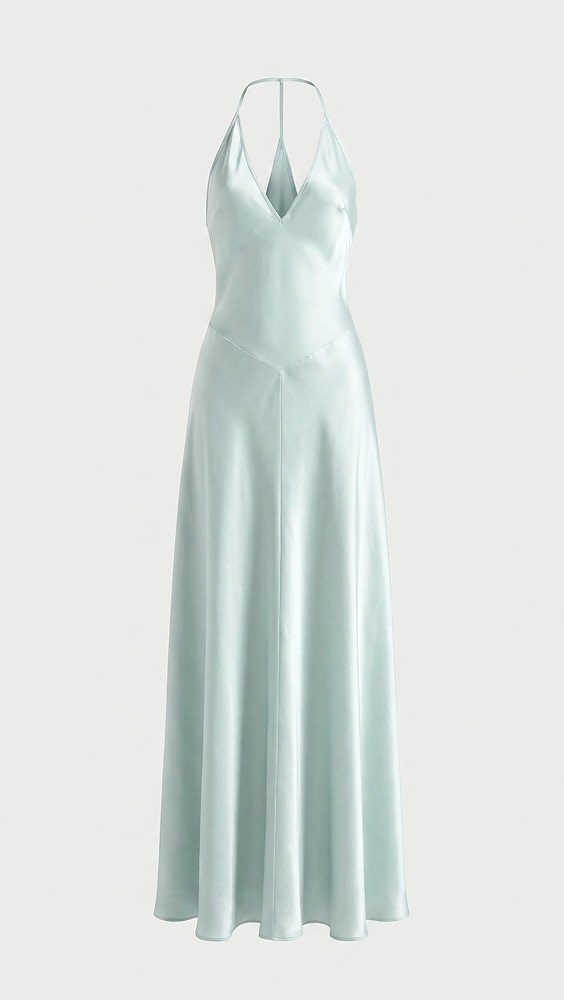
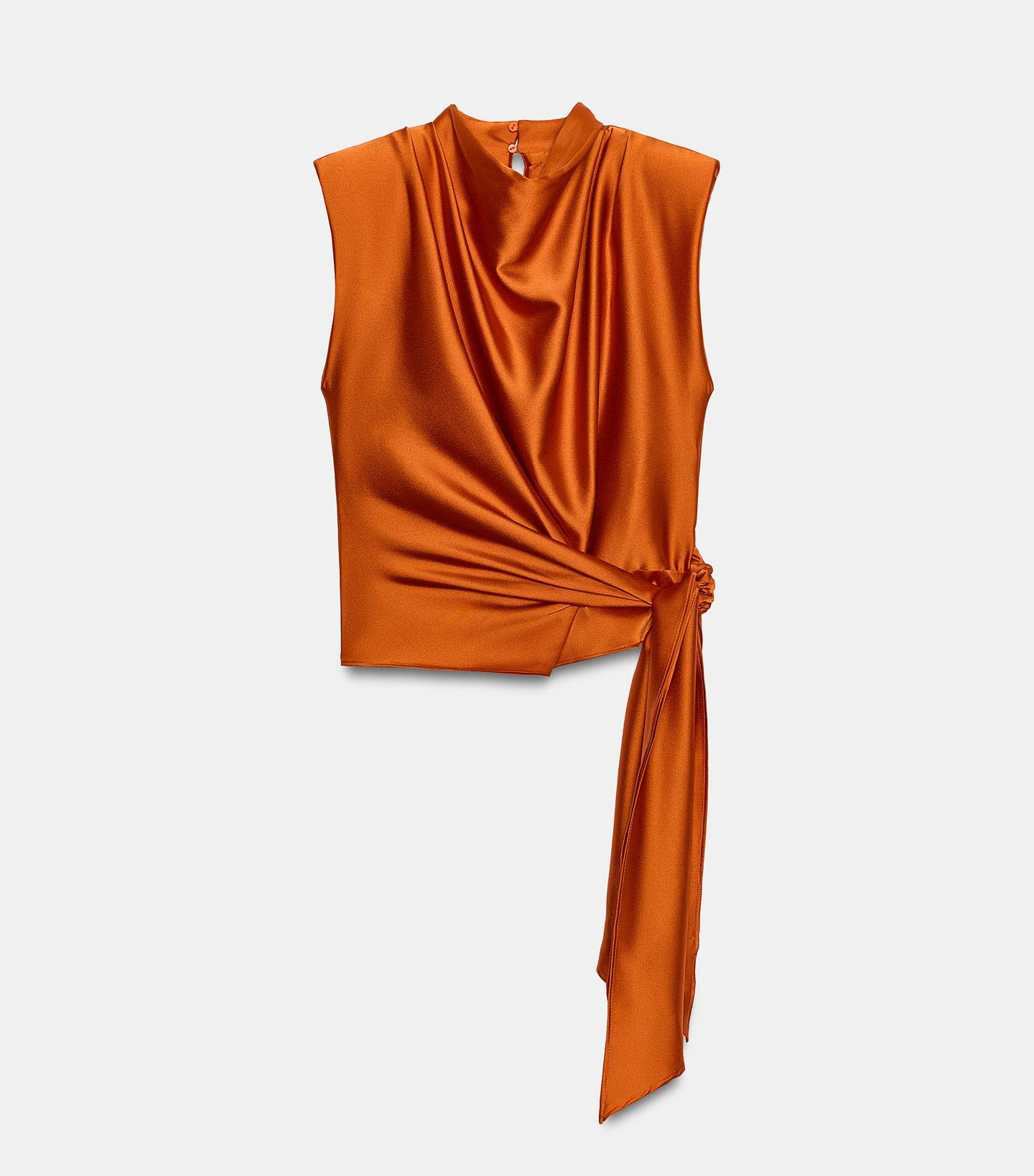
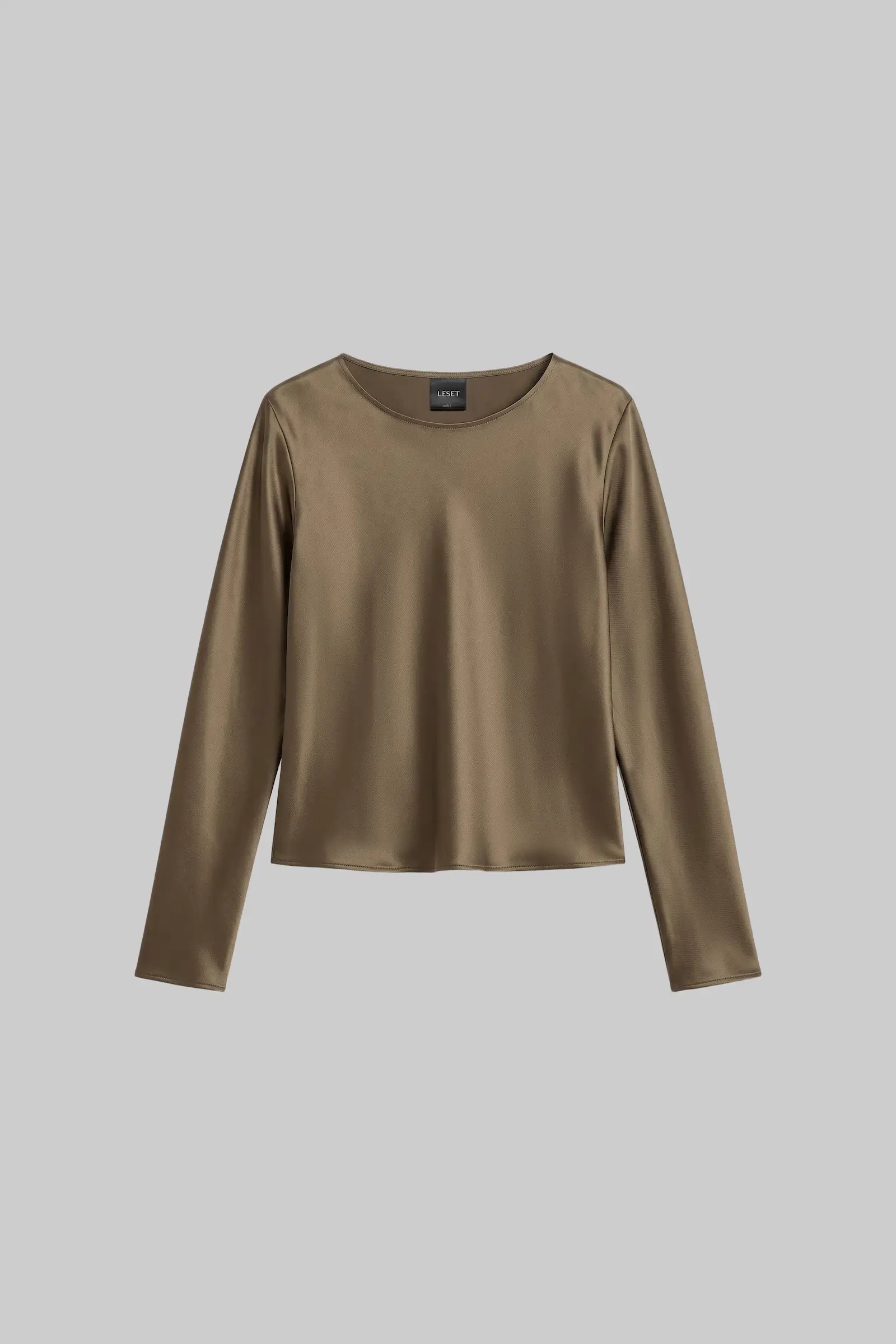
If stiff, sculptural taffeta commanded the collective fashion consciousness in 2026, the S/S 27 runways definitively passed the crown to liquid satin. In stark contrast to the rigid architecture of its predecessor, liquid satin is defined by its fluid mechanics—draping, gliding, and moving dynamically with the human form. This tactile shift was proudly displayed across diverse collections, catching the runway lights at Ralph Lauren, Sandy Liang, Cult Gaia, and Diane von Furstenberg.
4. The Corset Comeback
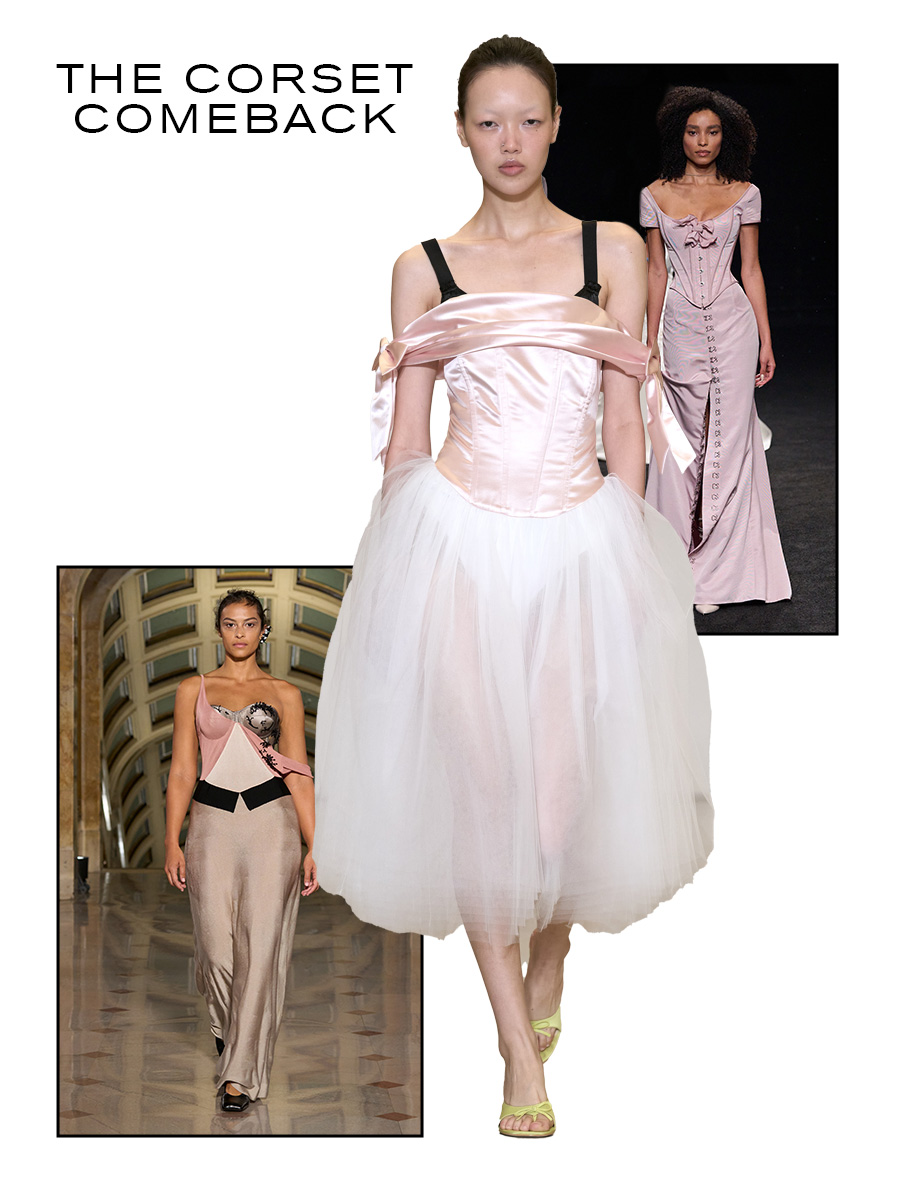
Corsetry is an archetypal cyclical trend, perpetually cycling in and out of the high-fashion lexicon. For spring 2027, the corset has landed firmly on the "in" side of the ledger, albeit with a profound evolution. Moving away from the overtly literal, lingerie-inspired undergarments of previous years, the new iteration of the corset is remarkably romantic, sophisticated, and architectural. Standout details captured at Altuzarra, Khaite, and Wiederhoeft included integrated peplum trims, delicate appliqués, mixed-media textile pairings, and innovative off-the-shoulder layering.
5. Colorful Car Coats
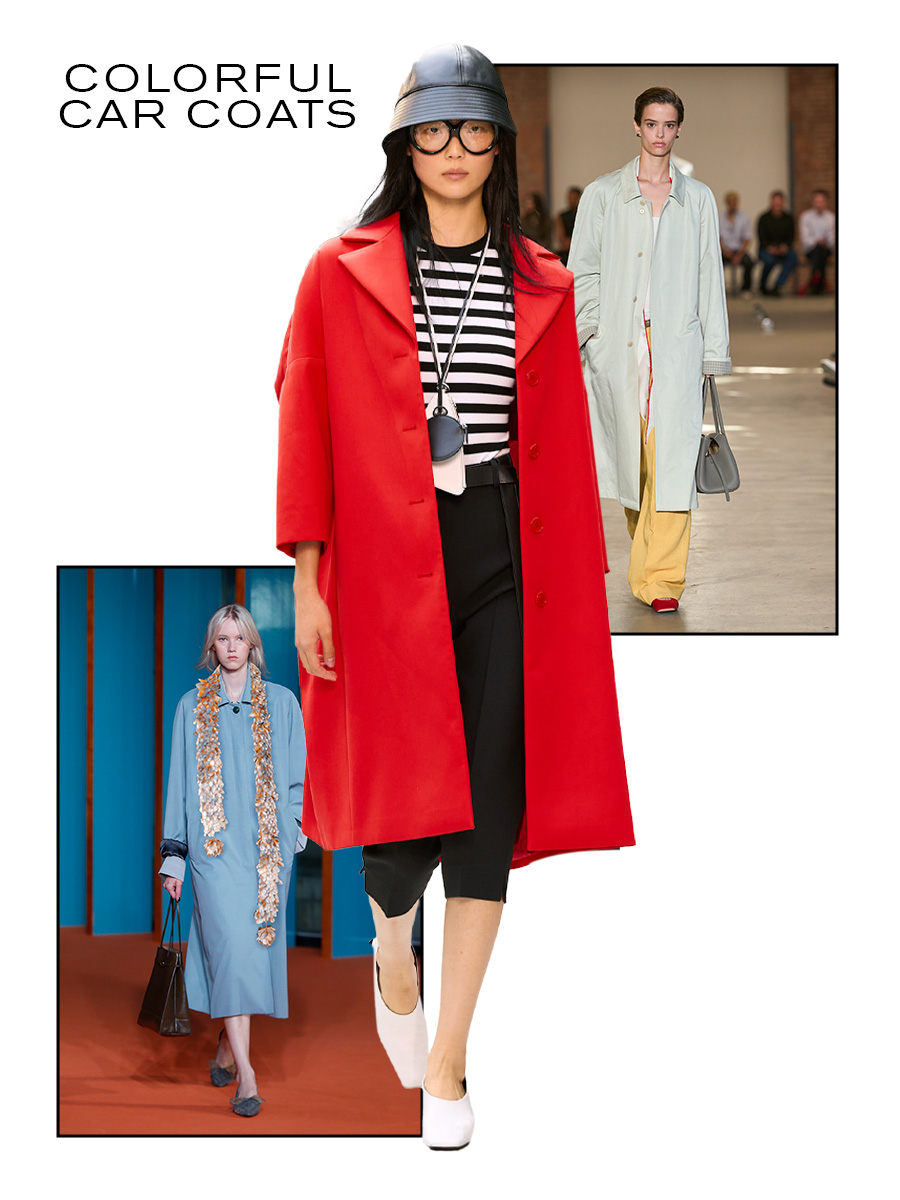
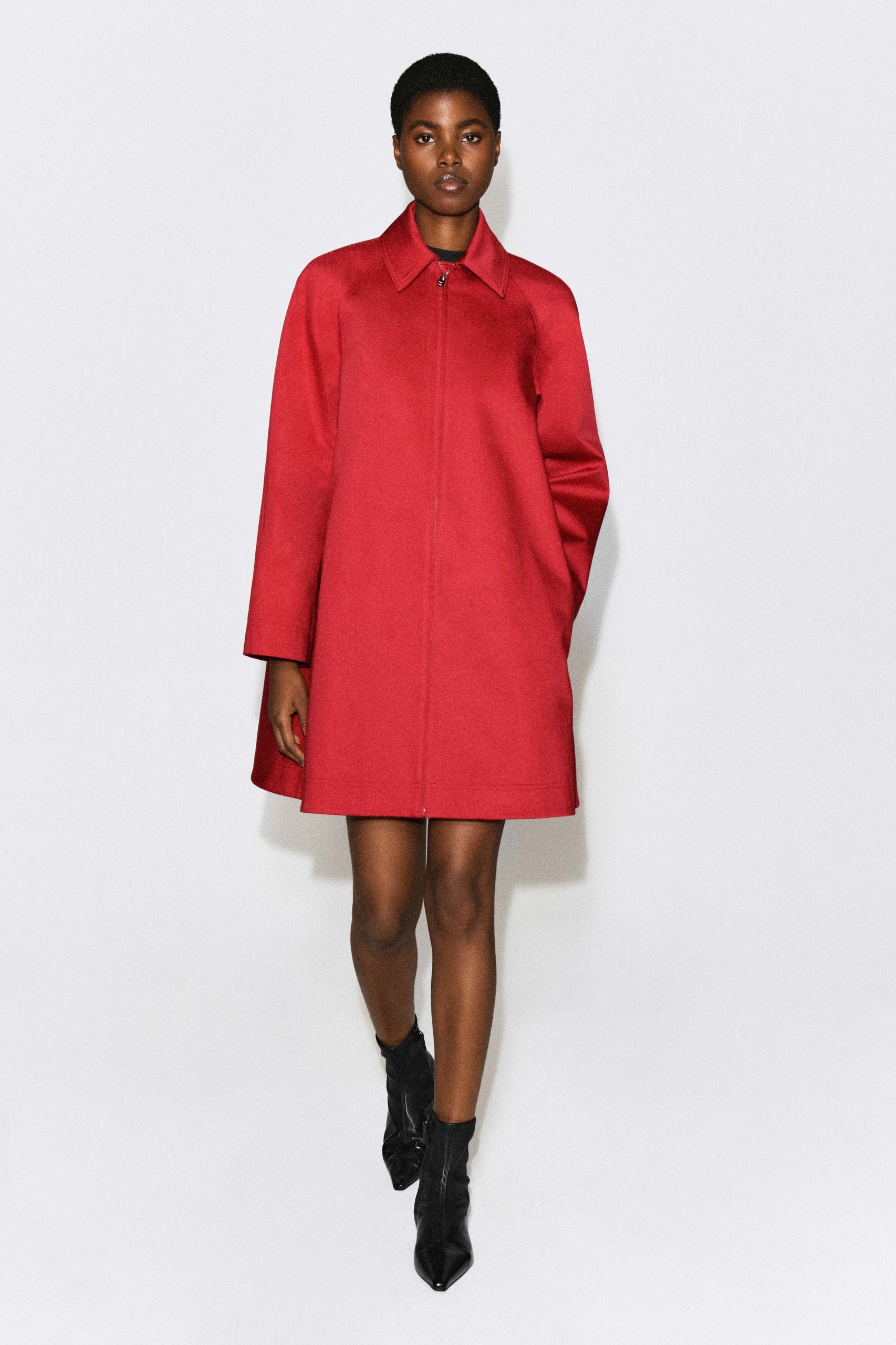
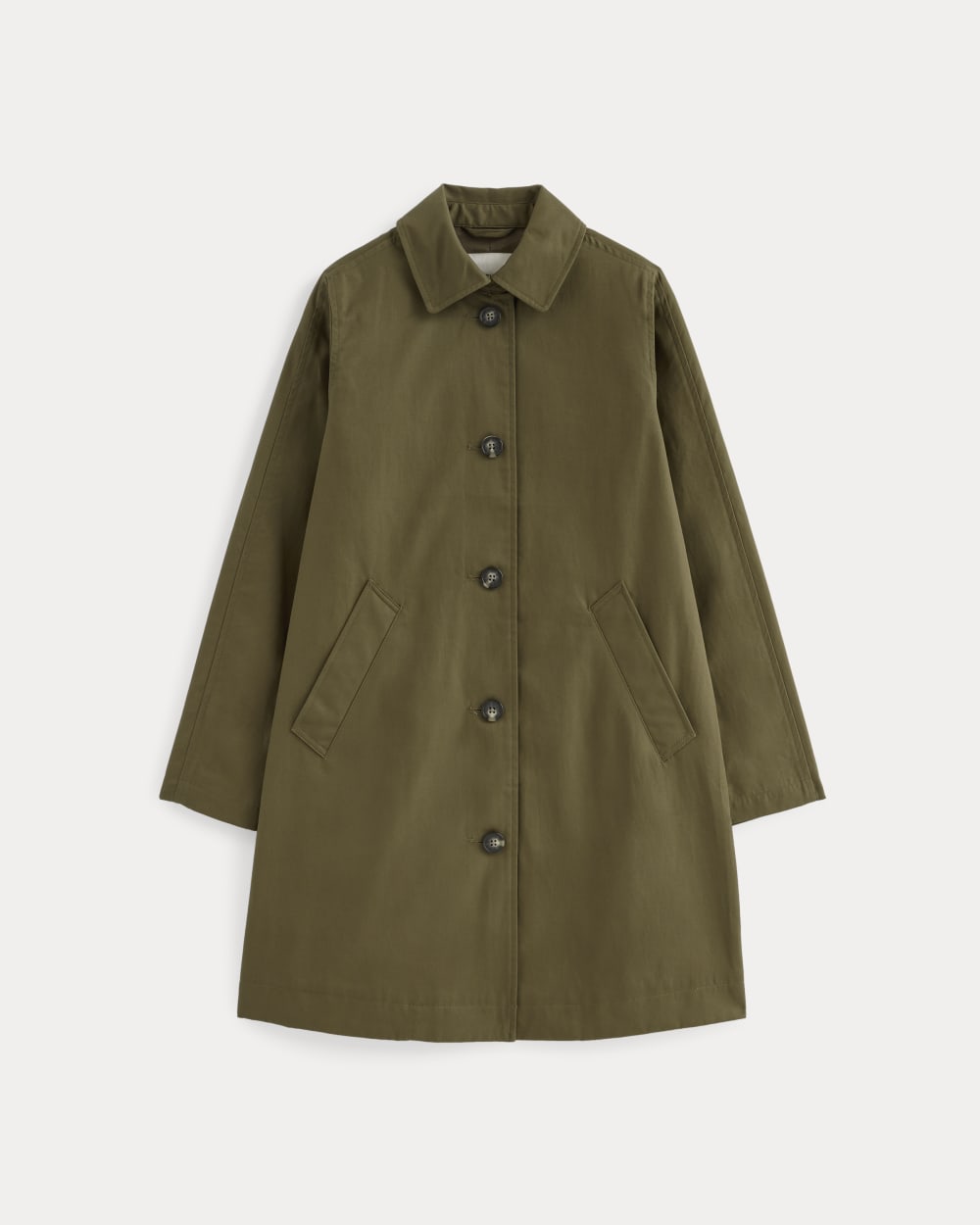
Outerwear for transitional seasons is rarely categorized by unbridled joy, but the S/S 27 collections completely rewrote the rulebook. While the classic car-coat silhouette—a perennial favorite for spring layering—remained a staple, it was stripped of its traditional beige, navy, and charcoal palette. Instead, designers at Tory Burch, Michael Kors, and the Calvin Klein Collection injected the silhouette with vibrant saturated hues, soft pastels, and graphic prints, turning functional weather protection into a primary statement piece.
6. Daytime Sequins
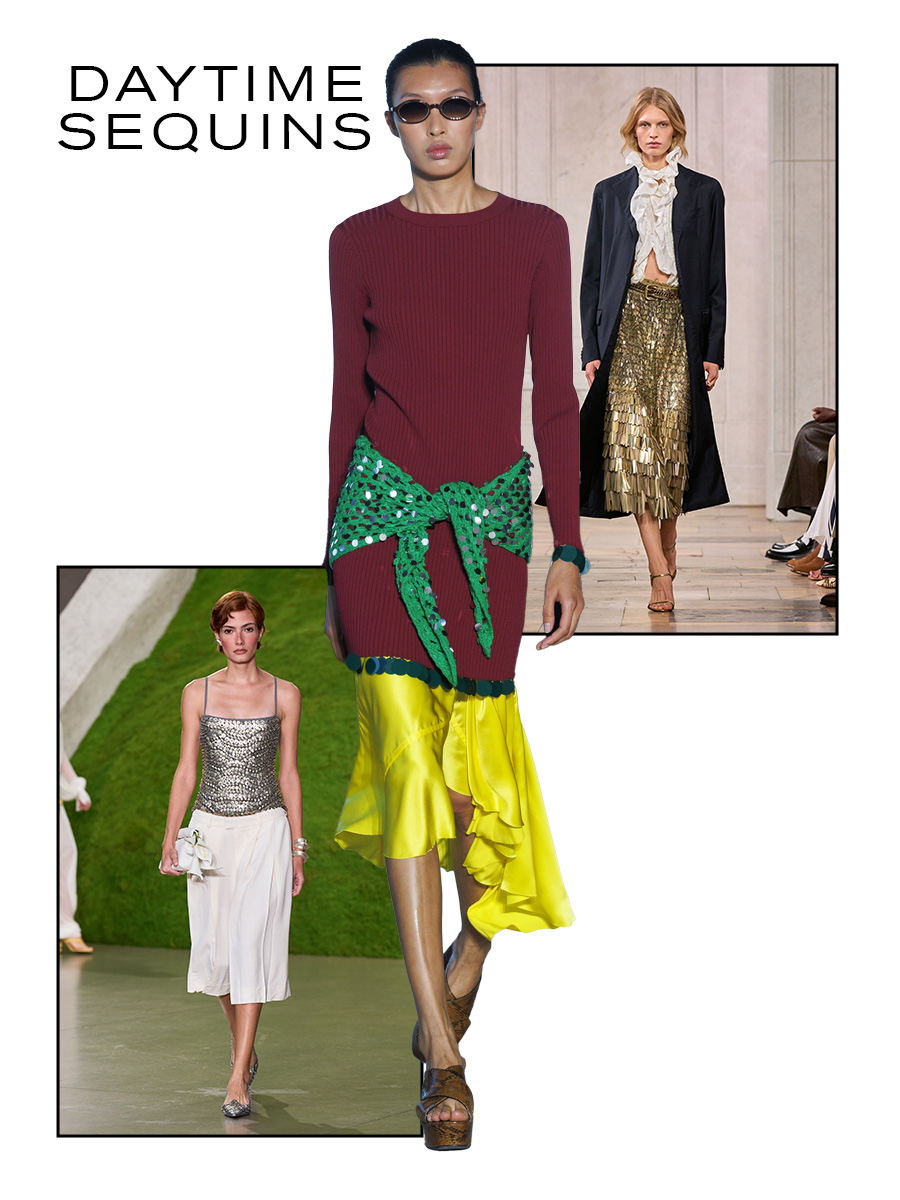
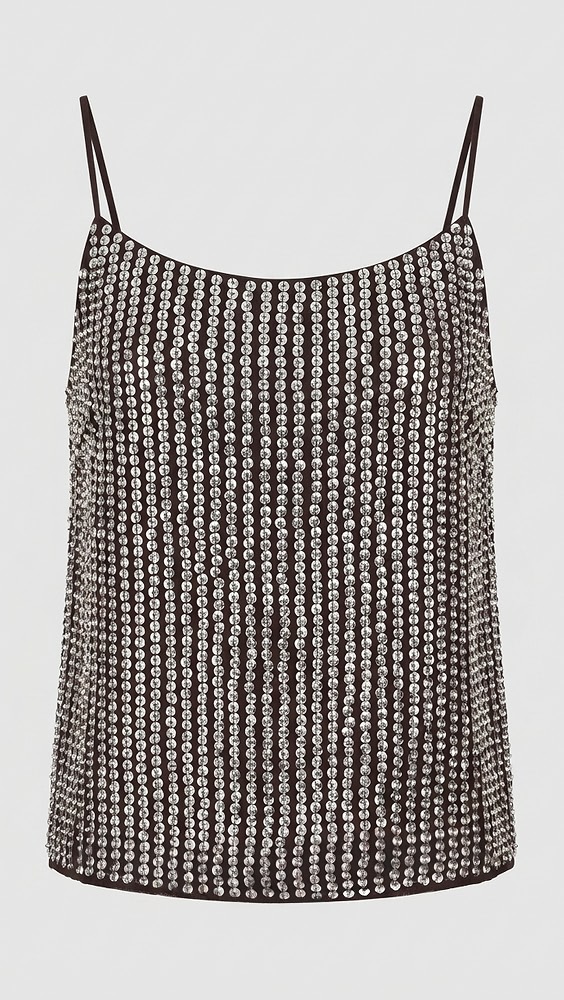
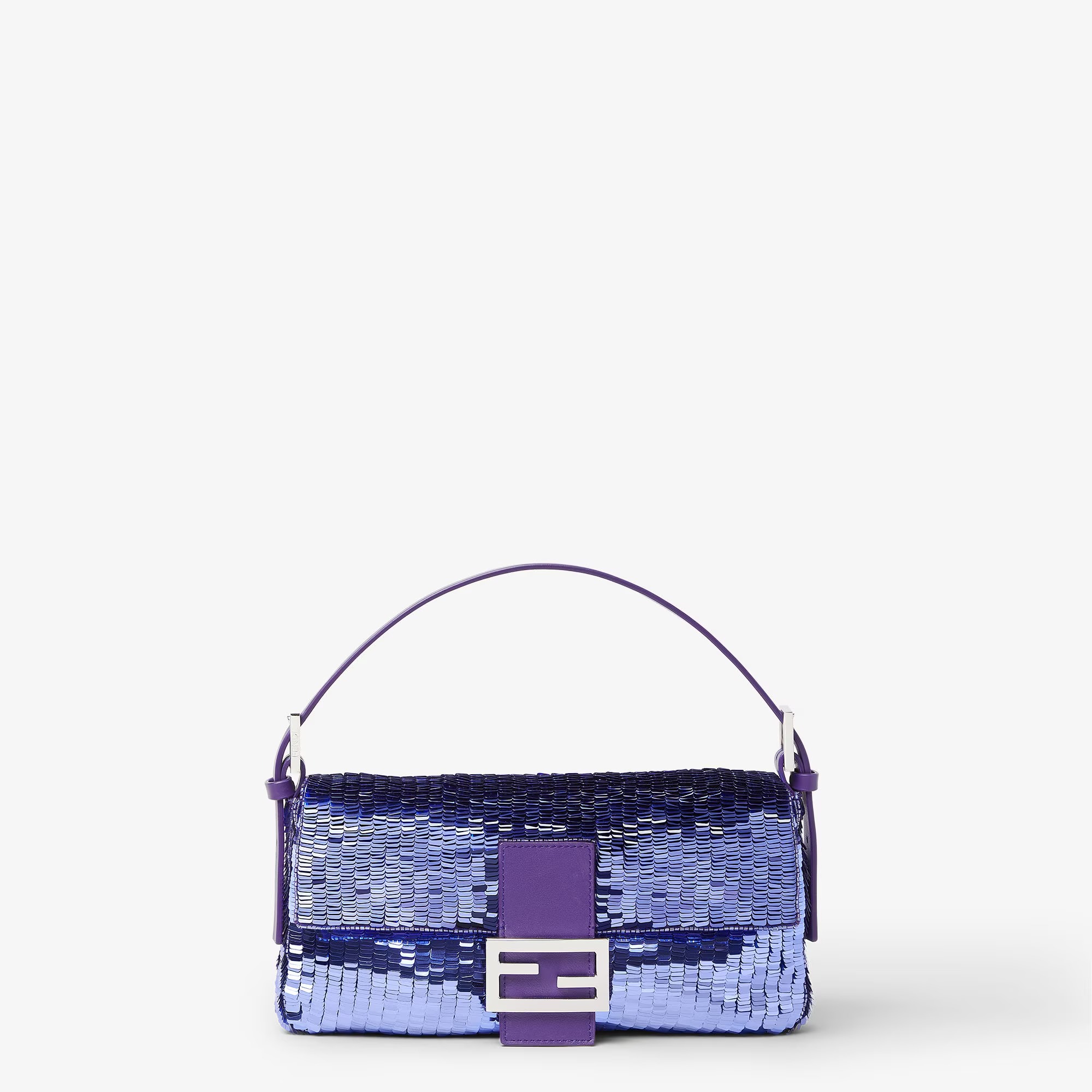
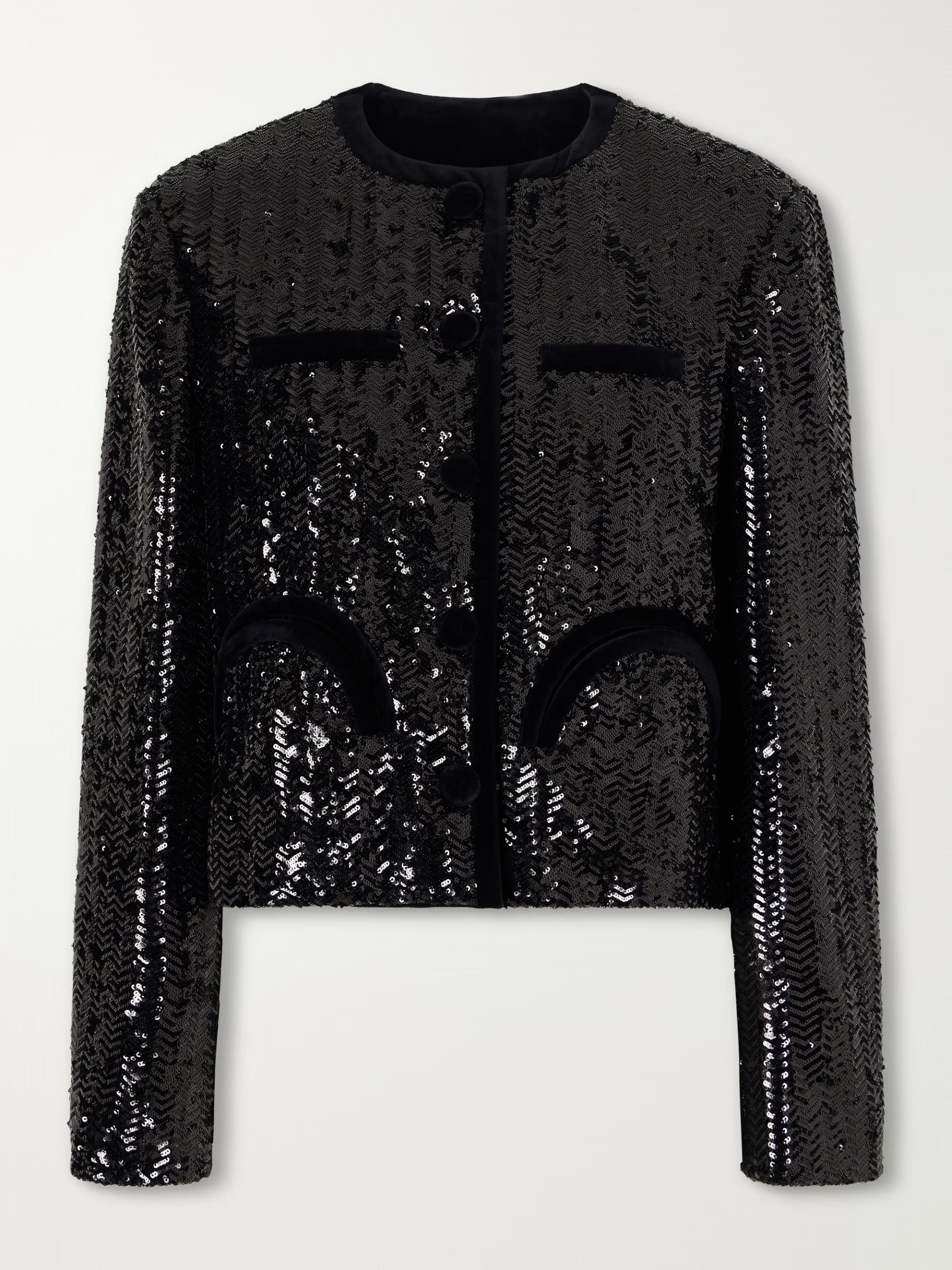
Historically relegated to after-dark galas and New Year’s Eve countdowns, sequins underwent a radical democratization on the New York runways. The concept of daytime sequins materialized through clever, subversive styling: sequined separates were paired down with unassuming everyday basics. Cult Gaia paired gleaming elements with casual Bermuda shorts, while Zankov integrated subtle sparkle into functional accessories like scarf belts. The resulting aesthetic proved that high-shine finishes can feel effortlessly cool rather than stuffy when approached with casual nonchalance.
7. Modern-Day Jacquard
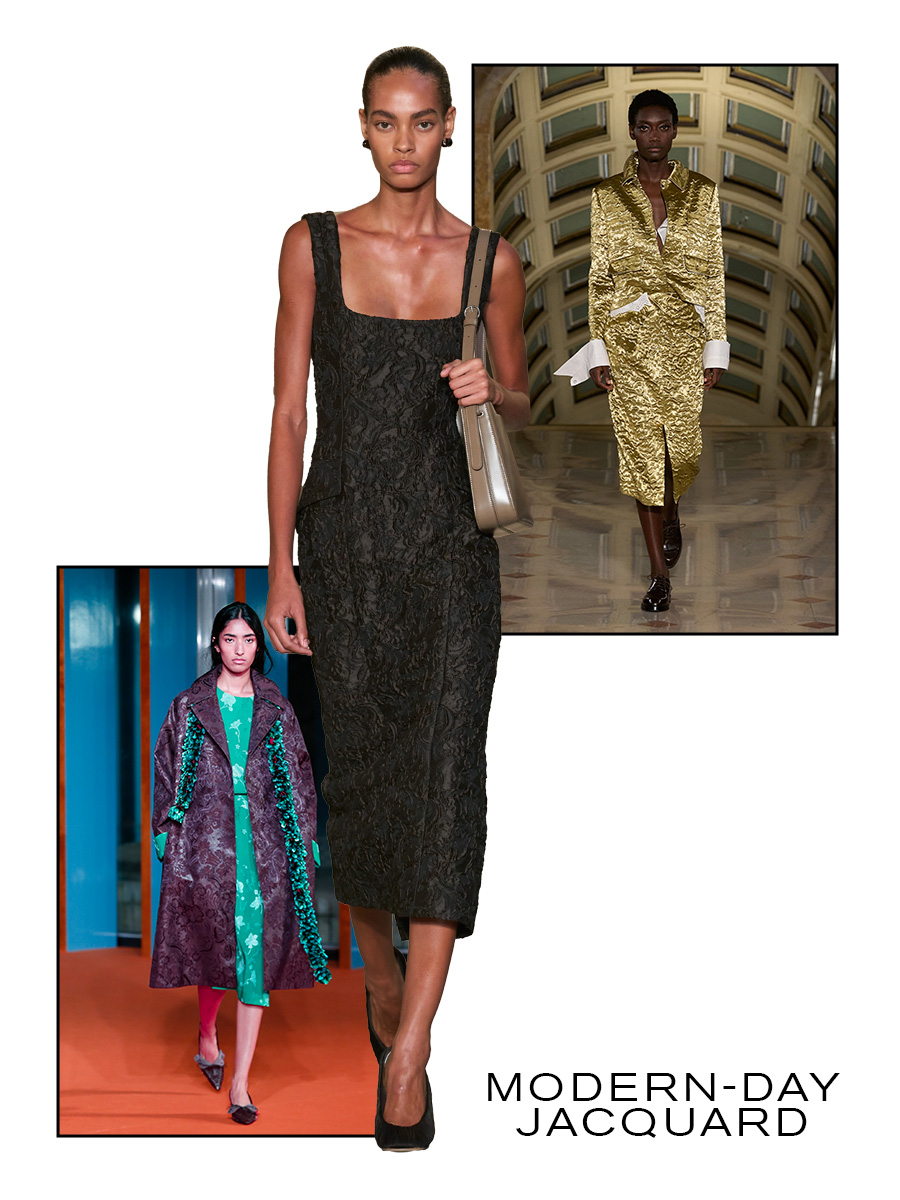
Long associated with aristocratic opulence dating back to the early 19th century, jacquard has traditionally been reserved for formal eveningwear. For 2027, however, designers have pivoted toward making this ornate, textured fabric far more accessible. Brands like Proenza Schouler, Ralph Lauren, and Altuzarra utilized jacquard to construct strikingly modern, clean silhouettes—such as Calvin Klein Collection’s square-neck midi dress. The rich texture inherently elevates basic shapes, offering visual complexity that reads as exceptionally luxurious without demanding archaic styling rules.
8. Sculptural Ruffles
Ruffles have long carried a cultural reputation as soft, demure, and hyper-romantic. The architectural ruffles seen throughout NYFW S/S 27, however, thoroughly subverted that expectation. Structural, rigid, and frequently pulling double duty as peplum extensions, these ruffles were engineered rather than sewn. They carved out sharp, striking silhouettes on dresses, skirts, tops, and jackets across the runways of Carolina Herrera, Khaite, and Kallmeyer, proving that volume can possess geometric precision.
9. Tactile Texture
In the modern digital age, where clothing is frequently consumed through flat smartphone screens, designers understand the urgent necessity of creating garments that demand physical touch. Across nearly every major runway, texture reigned supreme. Whether through intricate weaves, delicate feather trims, frayed fringe, or heavy puckering, tactile elements transformed simple garments into sensory experiences. Diotima encapsulated this movement most vividly with a sky-blue camisole exploding in feathers and a cobalt dress blanketed in fluffy fringe, signaling that 2027 will reward those who embrace physical depth in their textiles.
Official Responses: Industry Leaders on the S/S 27 Outlook
Behind the scenes, creative directors and industry executives offered profound insights into the psychological shifts driving these collections. Speaking on the integration of historical house codes with modern wearability, design teams emphasized a collective desire for optimism and tactile engagement.
"We are moving past the era of pure, clinical minimalism," noted one prominent New York-based design director backstage. "The consumer is looking for emotional resonance. Whether it’s the fluid movement of liquid satin or the unapologetic joy of a brightly colored car coat, people want their clothes to communicate a narrative of vitality and movement as they step back out into the world."
Retail buyers roaming the tents echoed these sentiments, pointing out that the prominent inclusion of daytime sequins and accessible jacquard highlights a broader consumer demand for versatile luxury—clothing that works equally well in a professional daytime setting as it does during evening engagements.
Implications: What This Means for Retail and the Global Fashion Circuit
The ripple effects of New York Fashion Week Spring/Summer 2027 will be felt deeply across the global retail landscape and will heavily influence the upcoming presentations in London, Milan, and Paris.
1. The Death of Strict Occasionwear
The blurring of lines between day and night—exemplified by daytime sequins and architectural corsetry worn over tailored shirting—signals a permanent shift in consumer purchasing habits. Shoppers are increasingly reluctant to invest in single-use garments. Consequently, commercial buyers are expected to heavily back collections that allow for high-low mixing, prioritizing items that transition effortlessly from office environments to social evenings.
2. The Dominance of Sensory Retail
With tactile textures, liquid satins, and modern jacquards dominating the runway data, brick-and-mortar retail stores will need to lean heavily into sensory merchandising. E-commerce platforms will similarly be forced to adapt, utilizing high-definition video and macro photography to communicate the physical depth of fabrics that static images simply cannot capture.
3. Color Confidence as a Macro-Economic Indicator
The overwhelming embrace of cobalt blue and saturated car coats suggests a collective psychological pivot away from the safety of neutral, quiet luxury toward outward-facing optimism. As economic forecasts stabilize, consumer willingness to experiment with bold, singular color palettes is projected to skyrocket, paving the way for vibrant high-street adaptations by late autumn.
As the fashion circus packs its trunks and boards transatlantic flights toward London, Milan, and Paris, the foundational blueprint has been established in Manhattan. The spring and summer of 2027 will not be remembered as a season of quiet conformity, but rather as a triumphant celebration of volume, color, and tactile depth.
 Raul Delapena Setiawan
 Nana Muazin
 Laily UPN
