

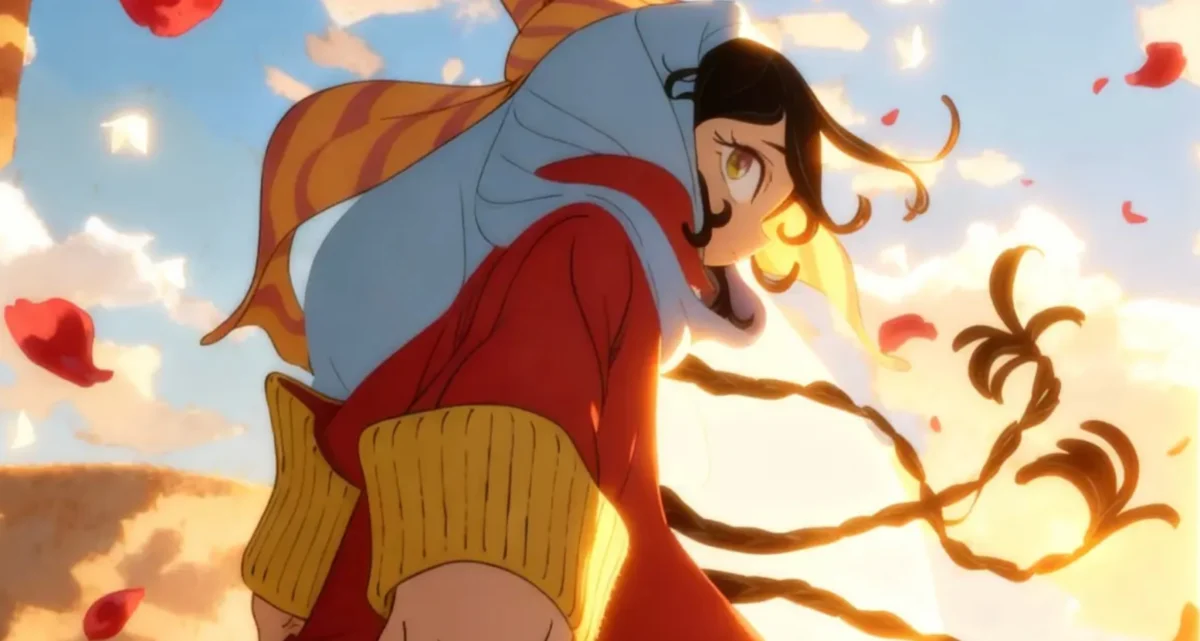
The landscape of historical anime has long been defined by grand, sweeping epics—tales of Viking longships cutting through icy waters in Vinland Saga or the opulent, tragic romance of the French Revolution in The Rose of Versailles. These stories have historically thrived by blending the rigid, often brutal reality of the past with the fluid, emotive power of animation. This July, that tradition gains a provocative new entry that promises to be the sleeper hit of the season: Jaadugar: A Witch in Mongolia.
Based on the celebrated manga A Witch’s Life in Mongol, the upcoming series is being brought to life by the visionary studio Science Saru. With a premiere date set for July 4, the series aims to transport viewers to the 13th-century Islamic Golden Age, offering a perspective on the Mongol expansion that is as intellectually stimulating as it is emotionally harrowing.
The Core Narrative: A Scholar in the Eye of the Storm
At the heart of Jaadugar is Sitara, a young orphan whose life is defined by a dichotomy: she is a child of immense academic intellect trapped in a world of geopolitical volatility. Set initially in the city of Tus, Persia, the story follows Sitara as she is sold into servitude to a household of scholars.
In this environment, Sitara is not merely a domestic servant; she is a sponge for knowledge. Under the tutelage of her masters, she masters mathematics, astronomy, and philosophy—fields that would later become her most potent weapons. However, the stability of her life is shattered when the Mongol hordes of Genghis Khan descend upon Tus. As the city falls, the narrative shifts from one of intellectual discovery to a desperate, high-stakes fight for survival.
Sitara’s value—or rather, her perceived threat—is recognized by Tolui, one of Genghis Khan’s sons, who takes her captive. Her journey to the Mongolian imperial court forms the crucible of the series. Here, the term "witch" is weaponized against her; it is a pejorative label for an educated, independent woman in a patriarchal, militaristic society. The central tension of the anime lies in how Sitara maneuvers through the treacherous waters of the Mongol court, using her intellect to survive and, eventually, to influence the very empire that sought to enslave her.
Chronology and Production History
The journey of Jaadugar from page to screen has been a meticulously managed process.
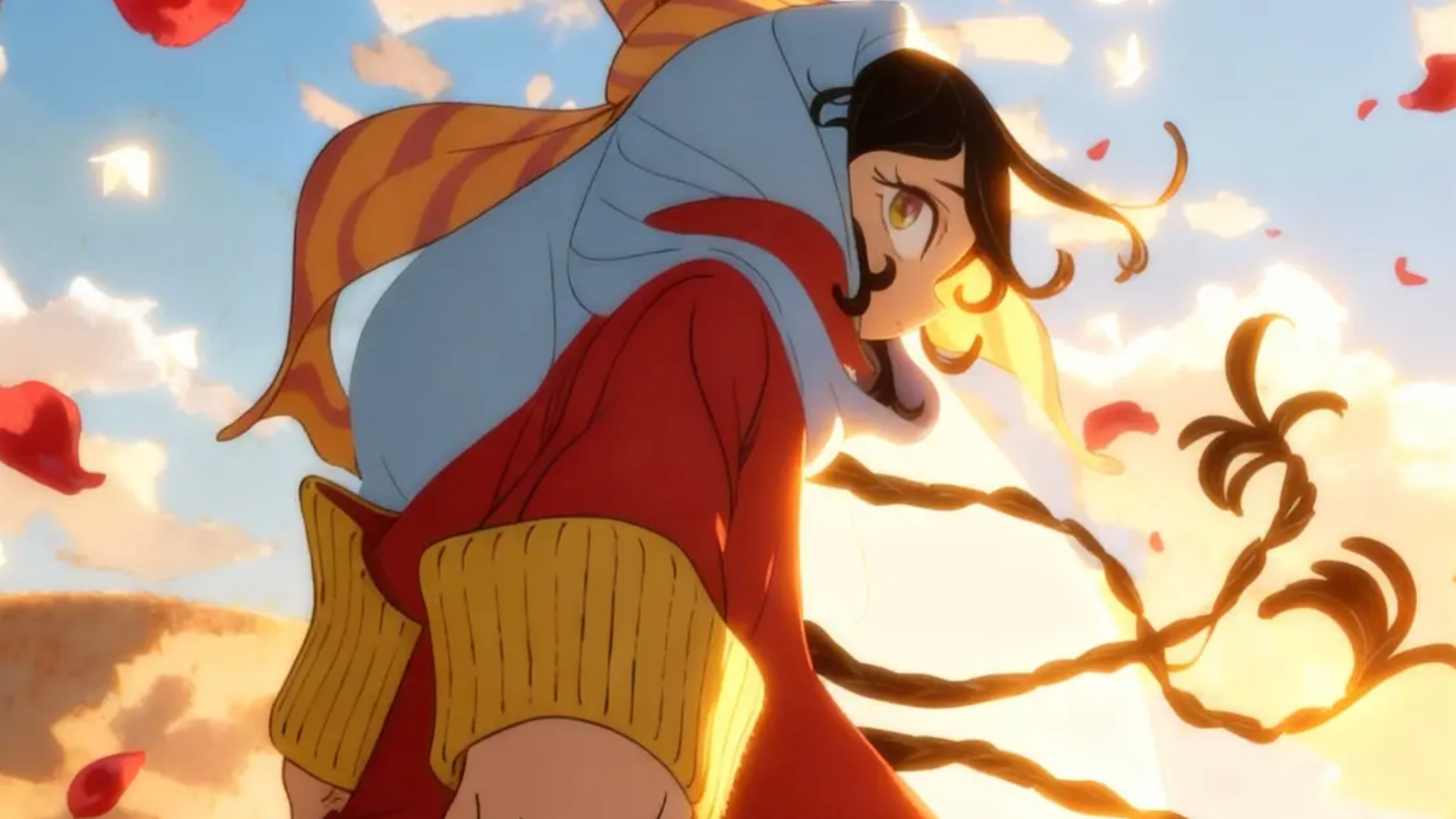
- Manga Foundation: A Witch’s Life in Mongol gained a cult following for its stark contrast between its "soft," almost whimsical art style and the brutal, often bloody historical backdrop of the Mongol conquests.
- Studio Announcement: Earlier this year, Science Saru—fresh off high-profile successes and the buzz surrounding their Ghost in the Shell adaptation—revealed they would be tackling this historical drama.
- Director Attachment: The production was bolstered by the announcement that Naoko Yamada would be helming the project. Known for the emotional depth of A Silent Voice and the synesthetic beauty of The Colors Within, Yamada’s involvement signals that the series will prioritize character-driven storytelling over mere action spectacle.
- Global Premiere: Crunchyroll officially slated the series for a July 4 release, with early marketing confirming that the initial rollout will cover the first several episodes to immediately hook the audience into the plot’s escalating stakes.
Supporting Data: Why Science Saru is the Perfect Fit
Science Saru has carved out a unique niche in the anime industry by refusing to adhere to a single visual identity. From the frenetic, visceral energy of Devilman Crybaby to the whimsical, fluid motion of Tatami Time Machine Blues, the studio is defined by its willingness to take creative risks.
For Jaadugar, the studio has assembled an "all-star" production team that bridges the gap between historical gravity and modern animation techniques:
- Art Direction: Abel Gongora, whose work has been pivotal in defining the aesthetic range of recent Science Saru projects, will provide the visual foundation.
- Character Design: Kenichi Yoshida, a veteran whose credits include the legendary Princess Mononoke and the seminal sci-fi series Den-noh Coil, is tasked with translating the manga’s distinct, deceptively simple character designs into the animated medium.
The choice of Yoshida is particularly telling. His work often focuses on the intersection of human resilience and expansive environments, perfectly mirroring Sitara’s position as a singular, intelligent force acting upon the vast canvas of the Mongol Empire.
Official Perspectives and Creative Intent
The creative team has been vocal about their desire to move away from the "villainous" tropes often associated with historical conquests. In press statements, the studio has emphasized that Jaadugar is not just about the brutality of the Mongol Empire, but about the clash of civilizations and the resilience of the individual spirit.

Director Naoko Yamada has previously noted in discussions regarding her filmography that she is fascinated by "characters who exist in the margins of history." By choosing Jaadugar, she is leaning into that interest, focusing on how a woman in the 13th century would have to navigate a world that viewed her intelligence as a form of dark magic. The phrase "a witch who toyed with a vast continent" has become the show’s unofficial tagline, highlighting the narrative’s intent to portray Sitara not as a victim, but as a silent, political revolutionary.
The Implications: A New Era for Historical Anime
The success of Jaadugar could signal a shift in the current anime market, which has long been dominated by isekai (portal fantasy) and battle-shonen series. If a show centered on 13th-century Persian-Mongolian political maneuvering can find a broad audience, it opens the door for a wider variety of historical dramas to be adapted.
1. The "Sleeper Hit" Potential
History suggests that shows with "intellectual" premises often become sleeper hits. Just as Vinland Saga grew from a niche manga into a global phenomenon by exploring the philosophy of non-violence, Jaadugar is positioned to attract viewers who are tired of typical power fantasies and are looking for a story that respects their intelligence.
2. The Power of "Soft" Aesthetics in Hard Stories
The visual style of the series—which remains loyal to the manga’s approachable, slightly cartoonish character designs—serves a specific purpose. It creates a "dissonance" that makes the harsh reality of war feel more personal. When a character in a gentle art style faces the horrors of conquest, the audience feels the trauma more acutely than they would in a hyper-realistic, gritty aesthetic.
3. Representation and Cultural Nuance
By tackling the Islamic Golden Age, the series offers a look at a period of history rarely explored in mainstream anime. The emphasis on libraries, scholars, and astronomy provides a refreshingly different perspective on the 13th century, moving beyond the tired tropes of "barbarian" versus "civilized" societies.
Conclusion: A Must-Watch for Summer 2026
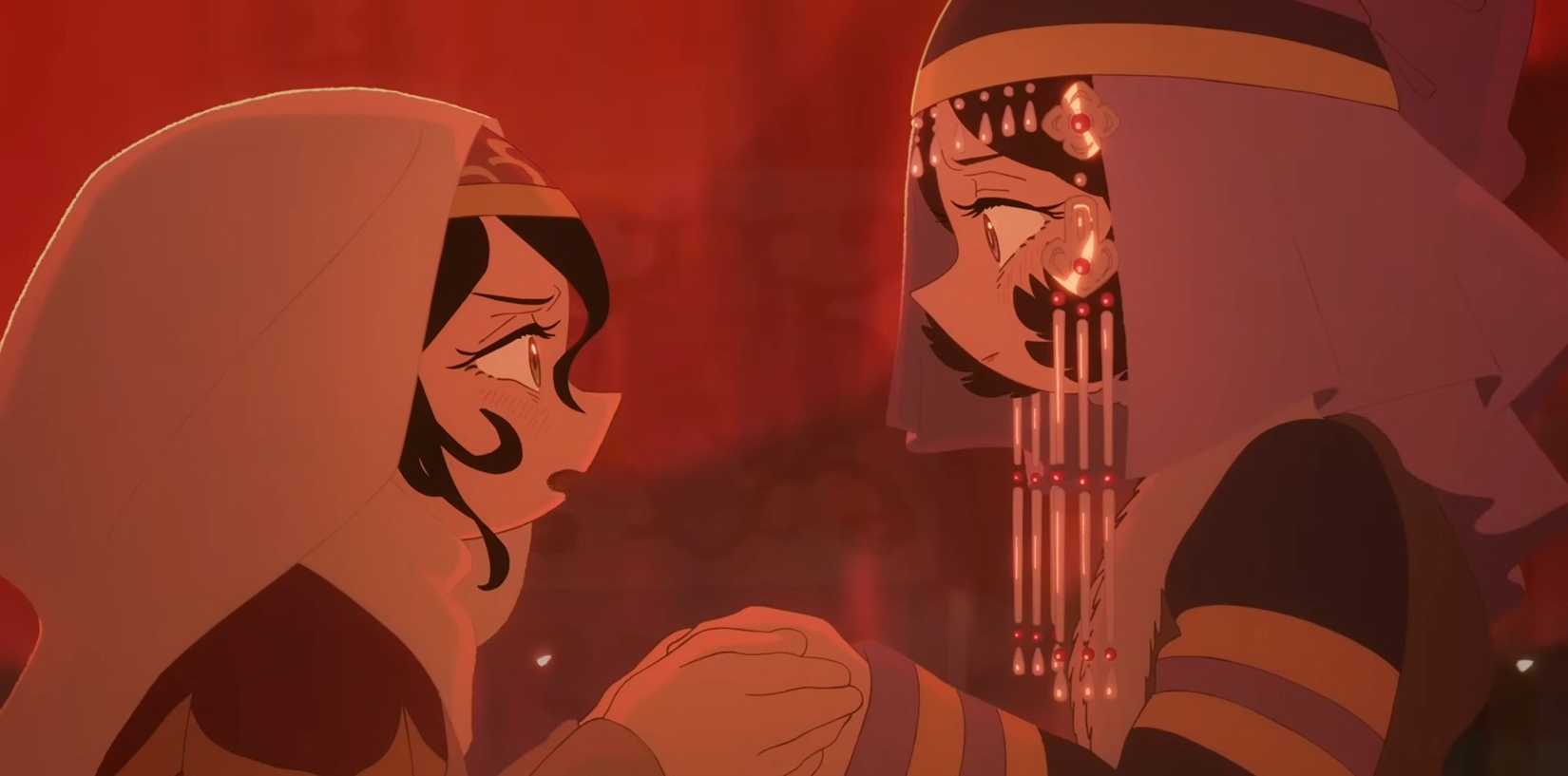
As we approach the July 4 premiere, the excitement surrounding Jaadugar: A Witch in Mongolia is palpable. It is a show that asks, "What can a single person do when the world is being rewritten by the sword?" Through the lens of Sitara, we are promised a story of survival, academic rebellion, and the quiet, dangerous power of the human mind.
Whether you are a die-hard fan of historical fiction or a newcomer to the genre, Jaadugar offers a rare combination of intellectual rigor and high-stakes drama. It is not merely a story about a girl in a foreign land; it is a story about the endurance of ideas in the face of absolute power. Mark your calendars—come July, Science Saru may very well change the way we look at historical anime for good.
 Nana Muazin
 Layla Zulfa
 Basiran
