

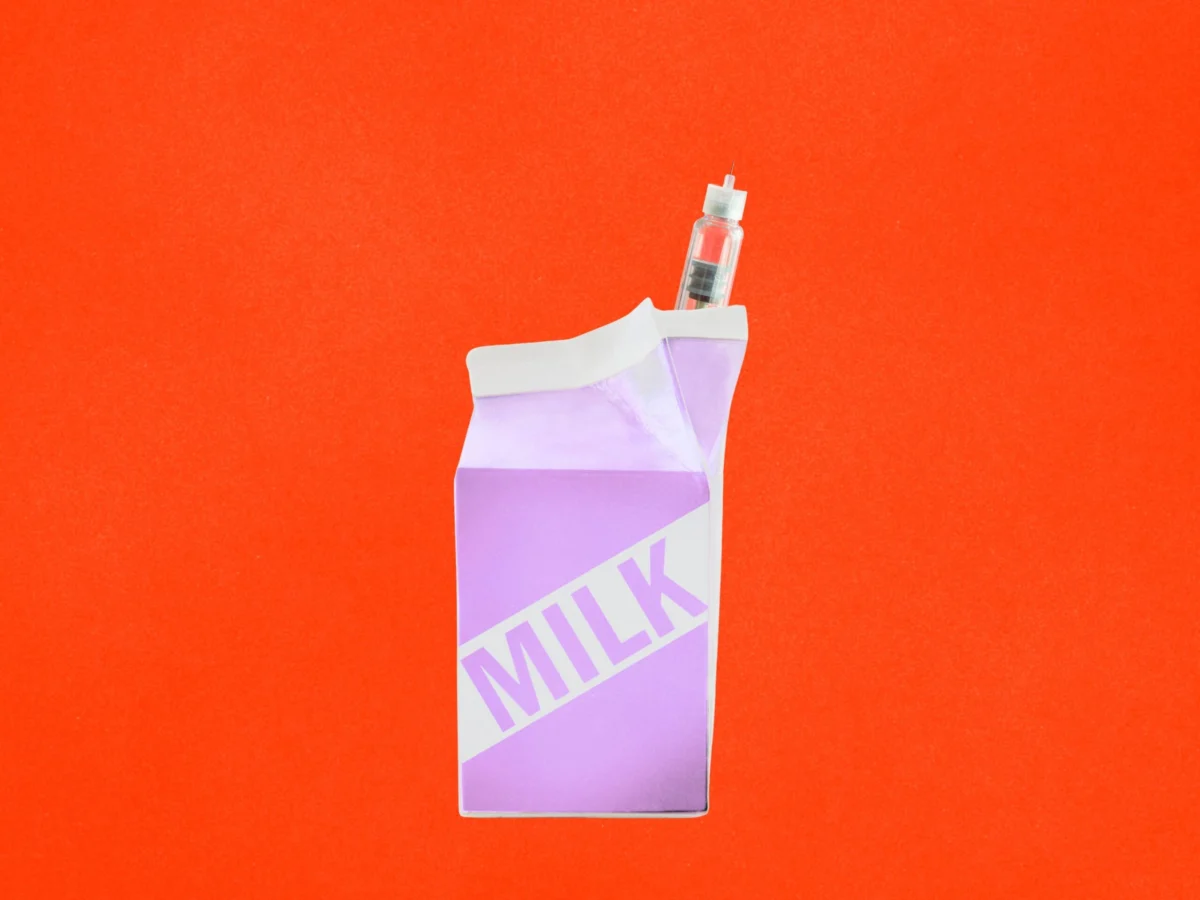
In the quiet corners of refrigerators across the country, behind jars of pickles and boxes of baking soda, a new form of domestic espionage is taking place. For thousands of women, the journey toward weight loss via GLP-1 receptor agonists—like Wegovy and Ozempic—has become a covert operation. While these medications have been hailed as a medical breakthrough in the treatment of obesity, for some, the decision to use them is so fraught with social stigma, fear of judgment, and relationship anxiety that they have chosen to hide their treatment from the people closest to them.
The Anatomy of a Secret: A Personal Account
For Caroline, a 34-year-old from Montreal, the initial decision to start Wegovy was transparent. She shared her plans with her boyfriend, her mother, and her inner circle. Over the span of six months, her loved ones watched as she shed 30 pounds, returning to what she described as her "healthy original weight" of 100 pounds. However, the celebration was short-lived; her family grew concerned about the speed and extent of her transformation.
"I had tried every way under the sun to lose weight," Caroline tells SELF. "I was really tired of trying." At five feet four inches, she did not meet the clinical definition of obesity, leading her to fear that her primary care physician would deny her a prescription. To circumvent this, she turned to the booming world of telehealth, finding a provider who prescribed the medication over the phone without a physical examination or a clear picture of her baseline weight.
The results were rapid, but when Caroline attempted to discontinue the drug after six months, the consequences were immediate. She regained 10 pounds in just four weeks. "I realized, I can’t stop," she admits.
Today, Caroline is back on a maintenance-level dosage of Wegovy, but the transparency is gone. Because her boyfriend has expressed opposition to the medication, fearing its side effects and the potential impact on their plans for a family, Caroline has made the drug a clandestine part of her routine. She lives alone, which makes hiding the medication—which requires refrigeration—relatively simple. She stashes it in the back of the fridge. However, the logistical gymnastics required when traveling or visiting her in-laws add a layer of persistent stress to her life. "Imagine, I’m hiding stuff in my parents-in-law’s fridge, hoping they won’t see it," she says. "It’s super awkward."
A Digital Underground: The "Microdosing" Community
Caroline is far from alone. Across digital forums, particularly on platforms like Reddit, an entire subculture has emerged dedicated to the art of concealment. In threads like r/GLP1microdosing, users swap ingenious, often desperate, "hiding spots."
The ingenuity is striking: women report disguising their medication pens inside tomato paste boxes, play-food containers from children’s kitchen sets, opaque feta cheese tubs, and even empty bottles of probiotics or vitamin supplements. Some have resorted to hiding them inside boxes of wine or behind baking soda at the back of the refrigerator.
This behavior is not merely a quirk of a few individuals; it is a systemic response to a social climate that remains deeply judgmental regarding body weight and the methods used to modify it.
Expert Perspective: The Empowerment and the Pitfalls
Dr. Kia Mitchell, an obesity medicine specialist based in Jacksonville, Florida, confirms that she has seen this pattern frequently in her practice. "It’s a real thing," she notes. According to Dr. Mitchell, the secrecy often stems from a desire to avoid "a debate at home."
"There’s this loss of control with the gaining of the weight, but being able to control the narrative around weight loss has been empowering and exciting for her patients," Dr. Mitchell explains. "Because now they can reveal it on their own terms. That’s where the control comes back."
However, medical professionals remain deeply concerned about the risks of such secrecy. From a clinical standpoint, hiding a medication that affects hormonal and metabolic processes can have real-world consequences. One significant risk is pregnancy; as weight improves, fertility can increase, and many patients are unaware of the potential risks GLP-1s pose to fetal development.
Furthermore, the psychological toll of keeping such a significant secret is counterproductive to health goals. "When someone is trying to lose weight, we want their stress hormones to be as low as possible," Dr. Mitchell adds. "If you’re trying to hide medication, we’ll be fighting an uphill battle if you’re stressed about that."
The Telehealth Dilemma
The rise of telehealth companies like Hers and Ro has made it significantly easier for patients to access GLP-1 medications without the scrutiny of their primary care physicians. While these platforms have democratized access, they have also created a "siloed" healthcare experience.
Caroline’s situation exemplifies this disconnect. She is currently taking medications for other conditions, including Accutane and Ritalin, yet she refuses to disclose her Wegovy use to her primary doctor. Instead, she has turned to AI tools like ChatGPT to research potential drug interactions. She acknowledges the absurdity of this, noting, "I use ChatGPT as my doctor at this point since I can’t be honest with my own doctor… Admittedly, this is probably not the best option."
Dr. Craig Primack, the head of weight loss at Hers, acknowledges that the company’s model is built on addressing the stigma that prevents people from seeking help. "One benefit of telemedicine is it takes the bias and stigma away," Dr. Primack says. He notes that while the company encourages patients to speak with their primary care providers, they are fully aware that many patients fear the judgment that often accompanies those conversations. He points out that weight loss can fundamentally shift the dynamics of a relationship, sometimes leading to jealousy or insecurity from a partner who feels their spouse is becoming "more attractive" or changing in ways they cannot control.
Navigating the Conversation: A Psychologist’s Guide
For those struggling with the decision to disclose their medication use to a partner, experts suggest a thoughtful, deliberate approach. Dr. Rachel Goldman, a clinical psychologist specializing in weight management, emphasizes that the goal should be to move toward honesty, but only when the patient feels ready and supported.
"Framing it around their own experience and needs can make the conversation feel more manageable and less like something they have to defend," Dr. Goldman advises. She suggests the following steps for those considering the "big reveal":
- Identify the "Why": Before initiating a conversation, clarify your own motivations. Understanding why you chose this treatment—and what it means for your health—will help you communicate with greater confidence.
- Use "I" Statements: Lead with your personal experience rather than defending the drug or the practice. Phrases like, "I have felt more in control of my health since starting this," are often better received than abstract arguments about the medication’s efficacy.
- Define the Support You Need: Be clear about what you are seeking from your partner. Do you need practical support, emotional understanding, or simply the space to make your own health decisions without judgment?
- Prepare for a Range of Reactions: Recognize that a partner’s initial reaction may be driven by their own misconceptions or fears. Allow them time to process the information, but do not feel responsible for managing their biases.
The Future of the GLP-1 Era
As the prevalence of GLP-1 medications continues to grow, society will likely be forced to grapple with the stigma surrounding their use. For now, women like Caroline remain stuck in a complex middle ground. They have found a tool that provides them with the physical results they have long desired, but the cost—a life of secrets, hidden refrigerators, and anxiety-ridden medical appointments—remains high.
"It’s very stressful," Caroline concludes. "The fact that not only can I not talk about it, but I’m also unable to get off of it. I don’t love the idea of taking medicine like that forever, but I’m kind of stuck with it."
Ultimately, the phenomenon of the "hidden stash" is a symptom of a larger cultural failure to normalize medical intervention for weight. Until that changes, the pantry and the refrigerator will continue to serve as the silent, unconventional sanctuaries for those attempting to manage their health on their own terms.
 Asro
Asro
 Suro Senen
 Azzam Bilal Chamdy
