

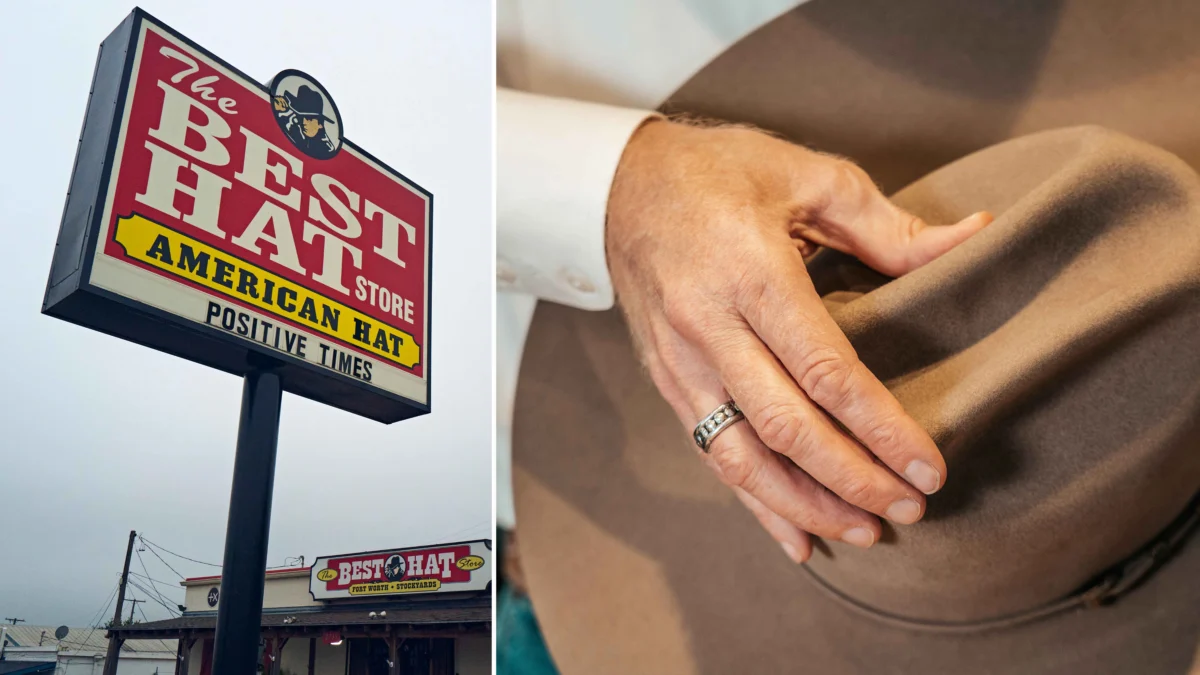
Just steps away from the rhythmic thunder of hooves on the pavement of the Fort Worth Stockyards, a different kind of ritual unfolds daily. Inside The Best Hat Store, the air is thick with the scent of heated beaver felt and the low hum of conversation. Steam rises in slow, deliberate curls from industrial-grade shaping stands, and the atmosphere feels less like a modern retail space and more like a community living room. Here, local ranchers swap stories over cold beers, families from across the globe wait in anticipation, and master hatters—men who have spent decades perfecting the geometry of felt—perform a dance of steam, heat, and raw intuition.
In an era of mass production and automated assembly lines, The Best Hat Store stands as a defiant monument to the slow, tactile art of traditional Western craftsmanship. For those who walk through its doors, it is a rare opportunity to witness a vanishing trade, where a hat is not merely an accessory, but a piece of equipment—shaped, creased, and fitted to the specific contours of an individual’s life.

The Core Philosophy: Craftsmanship in an Age of Convenience
To understand The Best Hat Store, one must first understand that a "cowboy hat" is not a uniform product. Most of the hats in the store arrive in a state of potential: uncreased, open-crowned, and blank. The magic happens at the workbench, where professional shapers transform these raw felt shells into expressions of personal identity.
"There’s no school for this," explains Danny Adams, the store’s manager and a veteran of the trade for over 13 years. As he studies a customer’s head, he doesn’t reach for a tape measure or a plastic template. Instead, he relies on a lifetime of observation. The process is entirely visual and tactile. Angles are determined by eye, and every crease—from the sharp, aggressive pitch of a Bull Rider’s crown to the conservative, rounded brim of a traditional ranch hand—is a result of years of muscle memory.

For Adams, the work is a language. "It depends on how you were taught and how you evolve it," he notes. This evolution is the lifeblood of the shop. Whether it’s the seasoned expertise of Lalo Morales, who brings 35 years of experience to the team, or the steady hands of Ryan McBride, the staff operates with an instinctive understanding of the material. They are not just selling hats; they are preserving a heritage.
A Chronology of a Western Icon
The story of The Best Hat Store is inextricably linked to the history of the Fort Worth Stockyards themselves. While the Stockyards have evolved into one of Texas’s most visited historic districts—drawing over 10 million people annually to witness the twice-daily longhorn cattle drive—the store has remained a constant anchor.

- 1990: The foundation is laid. Susan Maddox and her late husband, Keith—a man affectionately dubbed "The Hat King"—open the doors to the store. Their vision was to bridge the gap between high-end manufacturing and the authentic, rugged needs of the working cowboy.
- 2003: A pivotal expansion. The family acquires the American Hat Company, a brand with deep roots dating back to 1915. By bringing this legendary manufacturer into their fold, the Maddox family secured their position as a cornerstone of the Western industry.
- Present Day: The store celebrates over three decades of operation. Ownership remains a family affair, with Susan Maddox running the business alongside her daughters, Treasure and Mercedes. This transition from a founder-led business to a multi-generational legacy is a rarity in modern retail, ensuring that the techniques of the past are not lost to the corporate bottom line.
Supporting Data: Why Beaver Felt Matters
Visitors often ask why a hat costs what it does. The answer lies in the material science of felt. While lower-grade wool blends or straw hats are common, The Best Hat Store specializes in high-quality beaver felt.
Beaver felt is the gold standard for Western headwear for three primary reasons:

- Density: The natural structure of beaver fur allows for a tightly packed felt that is virtually impermeable to the elements.
- Resilience: Unlike synthetic materials that "remember" a mold, beaver felt has a unique structural memory. It can be steamed, reshaped, and customized repeatedly without collapsing.
- Longevity: A high-quality beaver hat is a lifetime investment. It is designed to endure the blistering Texas sun, the drenching rain of the high plains, and the rigors of manual labor.
As Susan Maddox notes, "Every hat is handmade, touched by up to 24 hands before it leaves the factory." This labor-intensive process is why the store maintains a direct line to the manufacturers in Bowie, Texas. By maintaining this vertical integration, they ensure that every hat sold in Fort Worth meets the rigorous standards of their legacy.
Official Perspectives: The Voices of the Shop
The staff at The Best Hat Store are the primary custodians of this craft. For Danny Adams and Ryan McBride, the front-of-house experience is as important as the back-of-house production. They move seamlessly between the sales floor and the workshop, shaping a hat while holding a conversation about the upcoming rodeo season or the latest world-class events in Dallas.

"It works best if the person is right in front of you," McBride says while steaming a piece of black felt. "Others elsewhere are pressed at the factory. That’s what makes us stand out here. We can shape any of these to our liking."
This human-centric approach is what separates the institution from the souvenir shops that dot the surrounding blocks. The staff isn’t just checking a box; they are learning about the customer. Is the hat for a professional rider? Is it for a wedding? Is it for someone who works on a ranch or someone who is attending their first concert? Each context demands a different crease, a different brim width, and a different "attitude."

Implications: The Future of a "Dying Art"
There is a pervasive anxiety in the world of heritage crafts that the "dying art" of hatmaking might finally succumb to the efficiency of the machine. However, the success of The Best Hat Store suggests that the market for authenticity is actually growing.
As the world becomes more digitized, the demand for tangible, high-quality, and personalized goods is at an all-time high. The store serves as a rare point of contact where consumers can witness the entire lifecycle of a product. When a customer watches Ryan McBride press a crown with his thumbs, they aren’t just buying a hat—they are buying the three decades of practice that allow him to do it with such grace.

The store’s success has implications for other heritage brands. It proves that there is a viable, sustainable model for businesses that refuse to compromise on quality. By keeping the craft transparent and welcoming, The Best Hat Store has turned a niche trade into a destination experience.
The Broader Landscape of Western Hatmaking
While Fort Worth is the epicenter of this particular story, it is part of a larger, nationwide network of master hatters. The survival of the Western hat as a symbol of American identity is dependent on these pillars of tradition:

- Greeley Hat Works (Colorado): A legacy that stretches back to 1909, known for its deep ties to the rodeo circuit.
- Rand’s Custom Hats (Montana): A bastion of the Northern Rockies, where the focus remains on the one-on-one relationship between the hatter and the athlete.
- Burns Cowboy Shop (Utah): A 150-year-old institution that remains synonymous with the bespoke, heirloom-quality aesthetic.
These workshops, alongside major labels like Stetson and Resistol, ensure that the "Cowboy Hat" remains a living, breathing component of Western culture rather than a relic relegated to museum shelves.
Conclusion: A Living Legacy
Walking out of The Best Hat Store with a freshly shaped Cattleman’s hat, one feels a distinct shift in perspective. The Fort Worth Stockyards no longer feel like a tourist attraction; they feel like a living, breathing extension of a history that is still being written.

The "positive times" logo—the understated "+X" found on their hats—is a fitting emblem for the business. In an age of mass-market, disposable goods, The Best Hat Store is adding to the world by preserving what is best about the past. It is a labor of love, a testament to the power of human skill, and a reminder that when things are made with patience and intention, they don’t just last—they define a legacy. For anyone passing through North Texas, a stop here is more than just shopping; it is an education in the enduring soul of the American West.
 Asro
Asro
 Siti Muinah
