

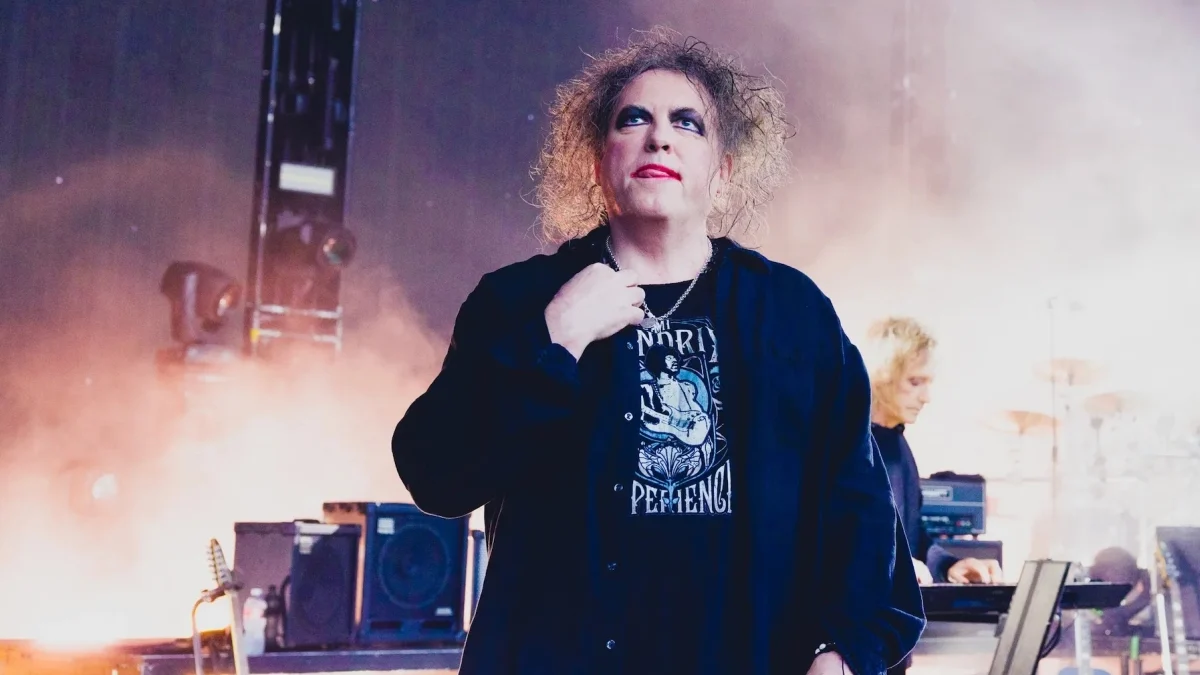
The cultural divide between traditional sports purism and the encroaching influence of globalized entertainment has reached a boiling point. As the 2026 FIFA World Cup approaches its climactic final between Spain and Argentina, the tournament has been overshadowed not by the tactical masterclasses on the pitch, but by a controversial administrative decision: the implementation of the first-ever FIFA World Cup Final Halftime Show.
Leading the charge against this unprecedented disruption is The Cure’s frontman, Robert Smith. Known for his candid social media presence and long-standing disdain for the commercialization of art, Smith has publicly excoriated FIFA President Gianni Infantino, characterizing the halftime spectacle as an affront to the integrity of the sport.
The Controversy: A Clash of Values
The controversy began when FIFA announced a star-studded musical lineup for the final, curated by Coldplay’s Chris Martin. The event is slated to feature performances by Madonna, Justin Bieber, Shakira, and the global K-pop phenomenon BTS. For FIFA, the move is a strategic play for mass-market appeal; for traditionalists like Smith, it represents the final step in the "Americanization" and commodification of football.
In a blistering Instagram post, Smith mocked the lofty rhetoric used by the FIFA leadership. "Fifa’s president, Gianni Infantosser, has described the half-time show as a ‘groundbreaking spectacle’ that will ‘celebrate football, music and our shared values, ensuring a legacy that transcends the final whistle,’" Smith wrote. His retort was succinct and scathing: "AAAAAAAAAAAAAAAAAAGH… #Breadandcircuses #MUGWANK #pleasejustfuckoff."
Chronology: From Sport to Spectacle
The friction surrounding this year’s tournament has been building for weeks. The decision to break with the tradition of a simple 15-minute interval—a period historically reserved for tactical reflection and physical recovery—has alienated a significant portion of the global fanbase.
- June 2026: Leading up to the tournament, FIFA faces backlash over the introduction of mandatory "hydration breaks" in every match. While officially cited as a health measure, critics argue these breaks were designed to allow for additional commercial airtime, mirroring the structure of North American sporting events like the Super Bowl.
- Mid-July 2026: As the tournament progresses toward the final, details of the halftime show are leaked and subsequently confirmed. The inclusion of major pop icons confirms the worst fears of purists who believe the sport is being secondary to corporate branding.
- July 17, 2026: Robert Smith takes to Instagram to voice his disdain. His initial post targets the absurdity of the "halftime show" concept in a sport defined by its continuous, fluid nature.
- July 18, 2026: Sensing that his critique was being misinterpreted as an attack on the artists themselves, Smith issues a clarification. He emphasizes that his ire is directed solely at the administrative decision-makers at FIFA and the broader trend of turning the sport into a variety show.
- July 19, 2026: The World Cup Final is scheduled to take place, with the halftime spectacle set to proceed despite the vocal opposition from figures like Smith.
The Cultural Implications of "Bread and Circuses"
Robert Smith’s use of the term "bread and circuses"—a historical reference to the Roman practice of using entertainment to placate the populace—highlights a growing sentiment that football is being stripped of its organic roots. The sport, which has long been a source of national identity and working-class pride, is increasingly viewed through the lens of a product.
By adding a halftime show, FIFA is effectively changing the pacing of the game. For the players, the traditional 15-minute rest period is now a logistical hurdle; for the fans, the interruption breaks the emotional tension of the match. Smith’s critique, while hyperbolic in its delivery, touches on a legitimate concern regarding the "sanitization" of football. When a sport begins to prioritize the aesthetic appeal of a halftime concert over the flow of the match, it risks losing the very audience that sustained it for over a century.
Furthermore, Smith’s criticism extended to the political theater surrounding the trophy ceremony. He specifically called out the planned appearance of US President Donald Trump alongside Gianni Infantino, labeling it a cynical move that further taints the "sporting" nature of the event. His refusal to remain silent serves as a rallying point for those who feel the soul of the game is being auctioned off.
Official Responses and Administrative Defiance
FIFA, for its part, has remained unmoved by the public backlash. The organization maintains that the expansion of the World Cup experience is necessary to reach younger demographics and compete in a modern media landscape.
Gianni Infantino’s office has framed the inclusion of pop stars as an effort to foster global unity. By bridging the gap between music and sports, FIFA believes it is creating a "legacy" that goes beyond the final whistle. However, the lack of transparency regarding the financial arrangements and the pressure placed on broadcasters to prioritize these segments has only deepened the divide between the governing body and the footballing public.
In a statement earlier this week, an unnamed FIFA spokesperson noted, "The world is changing, and so is the way fans consume sports. Our commitment is to provide a world-class experience that transcends borders. We believe this final will be remembered as the most significant event in the history of the sport."
Data and Trends: The "Americanization" of Football
The criticism leveled by Smith is backed by a shift in how the 2026 World Cup has been managed. The introduction of the aforementioned "hydration breaks" has been the primary data point for those claiming the sport is being "Americanized."
According to media analysis firms, the inclusion of these breaks has increased potential ad revenue by nearly 22% per match. While the official justification remains player safety, the correlation between these breaks and high-value commercial slots is undeniable. For traditionalists, this is the "thin end of the wedge"—the beginning of a transition toward a game structure that favors advertisers over the rhythm of play.
When comparing the 2026 tournament to previous iterations, the focus on "spectacle" is evident in the record-breaking budgets allocated for opening and closing ceremonies, as well as the increased reliance on influencers and cross-promotional content. The "social media footprint" of the event has been prioritized by FIFA, often at the expense of local, stadium-based atmosphere.
The Intersection of Art and Activism
Robert Smith’s involvement in this debate is not an isolated incident. The artist has frequently used his platform to advocate for authenticity in music and art. His recent collaboration with Olivia Rodrigo on the track "what’s wrong with me" from her album you seem pretty sad for a girl so in love further cements his position as an artist who bridges generational gaps.
By inserting himself into the discourse on FIFA, Smith is signaling that the issues affecting music—corporate control, superficiality, and the erosion of artistic integrity—are identical to the issues affecting sport. His "AAAAAAAGH!" is not just a complaint; it is a manifestation of the frustration felt by millions who see their cultural pillars being transformed into commercial vehicles.
Looking Ahead: The Final and Beyond
As the final between Spain and Argentina looms, the question remains whether the spectacle will overshadow the performance on the pitch. If the match is a tactical masterclass, the halftime show might be quickly forgotten as a trivial annoyance. If, however, the game is lackluster or marred by controversy, the presence of an artificial, forced entertainment segment will likely become the defining memory of the 2026 World Cup.
The protests from figures like Smith suggest that the debate will not end with the final whistle. There is a burgeoning movement of fans and pundits calling for a return to the fundamentals of the sport. Whether FIFA chooses to listen or continues its trajectory toward becoming a global entertainment conglomerate remains to be seen.
One thing is certain: the legacy of the 2026 World Cup will be contested. It will be remembered by some as the moment football successfully entered the modern, high-gloss era of global entertainment, and by others as the moment the game lost its way. For now, the world watches with bated breath—not just for the score, but to see if the sport we know can survive the show.
 Asro
Asro
 Lina Irawan
 rifanmuazin
