

As the neon lights of the America’s Got Talent stage continue to illuminate the most eclectic array of talent on television, the stakes for Season 21 have never felt higher. With the completion of Episode 3, which aired on June 16, the race to the live shows has intensified. While the initial auditions established a baseline of excellence, the latest round demonstrated that the judges—Simon Cowell, Sofia Vergara, Howie Mandel, and Mel B—are becoming increasingly discerning, leading to a mix of standing ovations, contentious eliminations, and one historic moment that finally broke the silence from the panel.
The Golden Buzzer Landscape: A Shift in Power
The Golden Buzzer remains the most coveted prize in the AGT ecosystem. It is more than just a ticket to the live shows; it is a declaration of belief from a judge, signaling to the audience that a specific performer possesses the "it factor" required to headline in Las Vegas.
Coming off the momentum of night two, where Australian vocalist Lara D and South Korean magic act Hundred Fingers secured their spots via Sofia Vergara and Howie Mandel, respectively, the third night promised further shifts in the competition’s power dynamics. By the end of this week’s episode, the landscape shifted once more.
Notably, Mel B, who had remained the only judge yet to utilize her Golden Buzzer, finally made her move. Following an electrifying performance by Army Sergeant Isaac Atkins, the Spice Girl icon could wait no longer, effectively removing herself from the list of judges with an unspent "power move." With Howie Mandel having already exhausted both of his selections in previous episodes, the path forward is narrowing. Acts that fail to secure a Golden Buzzer are now forced to navigate the treacherous "Judges’ Callbacks" round, a new feature this season designed to force the panel into grueling deliberations to determine the final lineup for the live shows.
Chronology of Talent: Episode 3 Highlights
The third night of auditions showcased a diverse tapestry of performance art, ranging from the mechanical precision of chain reactions to the raw emotion of slam poetry. Below is a breakdown of the 13 acts that faced the panel.
The Mechanical and the Moving
The episode opened with Sprice Machines, a duo from Michigan and Minnesota specializing in "chain reaction artistry." Their intricate setup impressed most of the panel with its ingenuity, though Mel B offered a dissenting vote, noting a lack of narrative clarity. Simon Cowell praised the complexity, remarking, "That was actually amazing… it was so clever."
The dance floor was commanded by Come Here, a South Korean troupe whose technical prowess earned them a unanimous "yes." Simon Cowell, usually a harsh critic of dance ensembles, praised the group for their discipline, stating, "This is an example of if you want to be good, you really gotta put the work in… it was flawless."

The Magic and the Misfires
Magic remains a staple of AGT, and Young & Strange from the United Kingdom brought a blend of humor and illusion that resonated with the majority of the judges. While Simon Cowell remained stoically unimpressed, the rest of the panel found the act both hilarious and technically proficient.
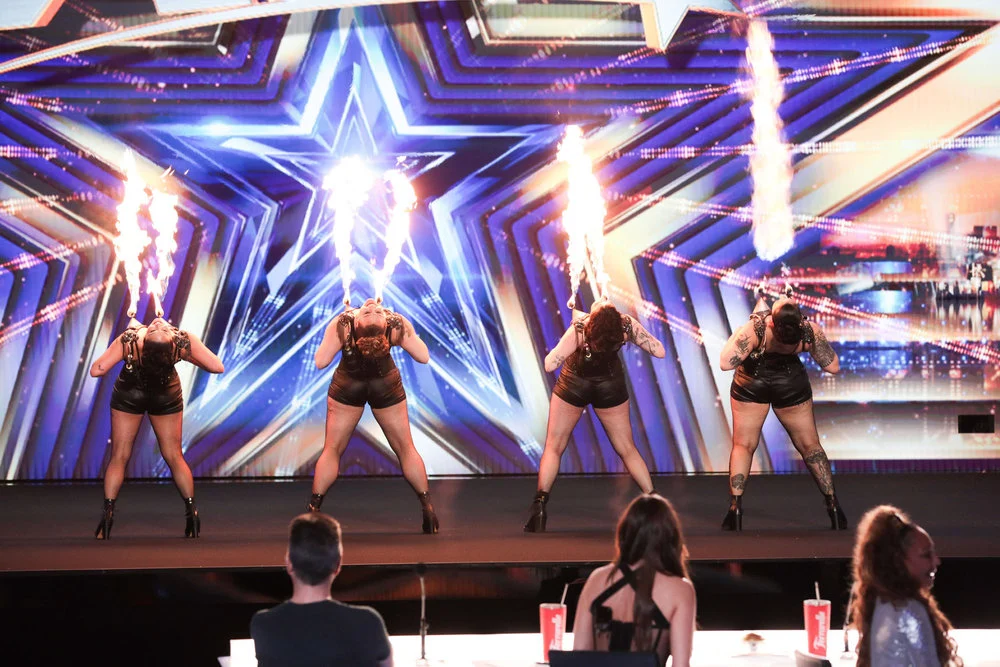
Conversely, not all performers found their footing. Ryan Inzero’s sign-spinning act left the panel divided, with only Mel B seeing the chaotic charm in his performance. The act was largely panned, with Cowell comparing the routine to a "mad fight" one might see on a drunken New Year’s Eve. Similarly, Infinite Spin (fire tricks) and Lygia Way (variety) failed to convince the majority, with the latter receiving multiple "X" buzzers for failing to elevate her varied skills to a competitive level. Eric Haines, a one-man band, suffered perhaps the most brutal critique of the night, with Howie Mandel quipping that the act was "sad" and reminiscent of someone with "no friends."
The Standouts: Comedy and Poetry
The evening found its emotional and comedic peaks with Cris Sosa and Guy Kelton Jones. Sosa, a stand-up comedian from Texas, brought the house down, earning praise from Sofia Vergara, who noted, "I’m so proud that a Latin guy can be so funny."
Guy Kelton Jones delivered a slam poetry performance so potent that Simon Cowell rated it an "11." The piece was lauded for its originality, wisdom, and raw delivery, marking a high point for spoken-word performances in the history of the show.
The Defining Moment: Mel B’s Golden Buzzer
The defining narrative of Episode 3 was undoubtedly the audition of Army Sergeant Isaac Atkins. Performing a soulful rendition of "Beggin’," Atkins commanded the stage with a vocal maturity that left the judges visibly moved.
Sofia Vergara was quick to highlight the "sexy" quality of his voice, but it was Mel B who was visibly struck by the performance. Before the other judges could even begin their critique, Mel B hit the Golden Buzzer. Her reaction was instantaneous and decisive: "You can sing… before anyone else does it, I’m gonna do it." This move solidified Atkins as a frontrunner for the season and underscored the high caliber of vocal talent being sought in this 21st installment of the franchise.
Supporting Data: The Road to the Live Shows
This season’s structure is designed to filter out mediocrity with extreme efficiency. With 10 Golden Buzzer spots available, the pressure is immense. The "Judges’ Callbacks" round serves as a crucial safety net for acts that receive three or more "yes" votes but miss the Golden Buzzer. This round allows the judges to compare the acts in a closed-door setting, ensuring that only the most versatile and performance-ready contestants advance to the live broadcasts.

For the contestants, the numbers are daunting. Only a fraction of the thousands who auditioned will make it to the live stage. The inclusion of acts like the Japanese variety performer Akira, who survived to the next round despite a "no" from Mel B, illustrates that the judges are willing to gamble on "fun" and "creative" acts, even if they aren’t technically perfect.
Official Responses and Judge Dynamics
The chemistry between the judges has evolved into a fascinating study of television personality dynamics. Simon Cowell, while still the "tough" judge, has shown a willingness to be surprised, as evidenced by his reaction to Akira and his "11/10" rating for Guy Kelton Jones.
Sofia Vergara continues to bring a vibrant energy to the panel, often acting as a champion for the cultural impact of the performers, while Howie Mandel remains the barometer for what constitutes an "AGT-worthy" act, often prioritizing entertainment value over technical precision. Mel B’s return to the panel has added a layer of unpredictability, with her finally unlocking her Golden Buzzer, which was arguably the most anticipated move of the early season.
Implications for the Season
As we look ahead, the implications of Episode 3 are clear: the bar for success has been raised significantly. The judges are no longer looking for mere talent; they are looking for "stars." The blend of comedy, magic, and emotional vocal performances suggests a balanced season, but the elimination of acts like Eric Haines serves as a warning: the judges are in no mood for gimmicks.
The competition is now entering its most critical phase. With the Golden Buzzers being claimed at a rapid pace, the remaining acts will have to fight for the few remaining spots or risk being lost in the shuffle of the Judges’ Callbacks. For the audience, this translates into higher stakes, better production quality, and the continued discovery of hidden gems that make America’s Got Talent a cultural phenomenon. As the audition tour continues, the search for the $1 million prize and the headline show remains as competitive and unpredictable as ever.
 Ammar Sabilarrohman
 Siti Muinah
 Iffa Jayyana
