

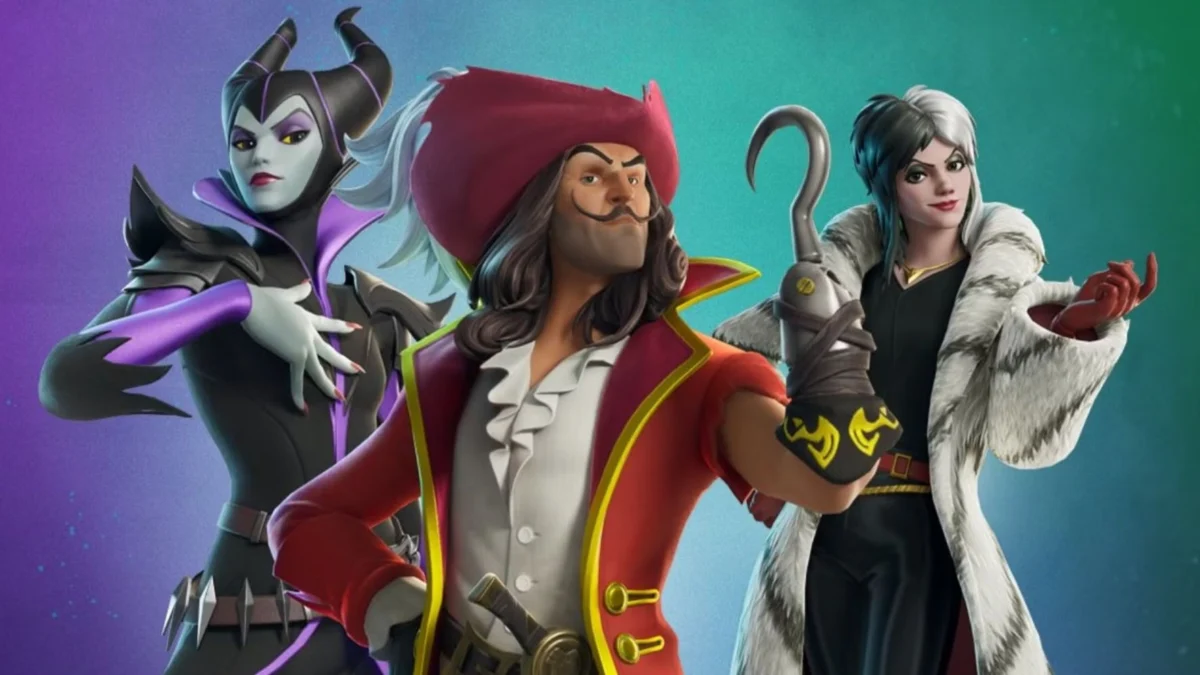
In a move that marks a significant shift in the landscape of interactive digital entertainment, Epic Games has officially confirmed the rollout of "consistent voices and personas" for 36 iconic Fortnite characters, including fan-favorites like Agent Jones and The Imagined. This technological leap, powered by Google’s Gemini AI, is designed specifically for the Unreal Editor for Fortnite (UEFN), empowering creators to populate their custom islands with responsive, vocal NPCs.
As the industry grapples with the ethical and creative implications of generative AI, Epic’s decision to move this feature out of its experimental phase and into public availability on July 30 signals a new era for user-generated content—and a potential existential shift for the voice acting profession.
The Mechanics of Interaction: How the New System Functions
The integration of these voices is not merely a cosmetic update; it is the culmination of a months-long effort to bring "LLM-powered conversations" to the Fortnite ecosystem. Previously confined to an experimental sandbox where creators could test mechanics but not publish their works, the system is now ready for mass deployment.
At its core, the technology allows for dynamic, context-aware dialogue. Unlike traditional scripted NPCs that rely on pre-recorded lines triggered by specific player inputs, these AI-driven characters can process natural language. If a player approaches an NPC and initiates a greeting or asks for a quest, the character—powered by a large language model (LLM)—formulates a unique, contextual response. Furthermore, these characters possess a degree of "memory," allowing them to recall previous interactions within a game session and react to a player’s performance, potentially triggering specific events or changes in the game world based on those conversations.
Chronology of the Integration
The path to this moment has been paved with rapid development and cautious experimentation:
- Early 2026 (February): Epic Games teased the potential for AI integration, hinting at deeper character interactions and the expansion of the UEFN toolset to include more sophisticated NPC behavior.
- April 2026: The official announcement of the "conversations system" was made, introducing AI-powered dialogue to the experimental build of UEFN. During this period, Epic restricted the publication of islands featuring these NPCs to ensure stability and safety.
- The "Darth Vader" Precedent: Before the widespread rollout, Epic faced a high-profile public relations challenge involving AI-powered interactions with legacy characters. A test featuring Darth Vader resulted in players successfully "jailbreaking" the character, leading the AI to output vulgarities and offensive content. This served as a stark reminder of the volatility inherent in LLM implementations.
- July 17, 2026: Epic officially announced that 36 characters would receive consistent AI voices, with a firm date for the full release of the conversation system set for July 30, 2026.
Supporting Data and Technical Architecture
To achieve the "consistent voices" that Epic promised, the company moved away from generic, robotic text-to-speech models. Instead, they utilized performances from independent professional actors who were specifically contracted to provide the base material for these voice models.
According to Epic’s official documentation, these actors consented to have their vocal performances used to train the voice models that drive the AI responses. This is a critical distinction in the ongoing debate surrounding AI ethics in gaming. Epic is attempting to establish a "consent-first" model, ensuring that the voices generated are grounded in human performance rather than scraped or synthesized from thin air.
However, the technical load is immense. By leveraging Google’s Gemini AI, Epic is offloading the heavy lifting of language processing to the cloud, allowing Fortnite’s game engine to focus on performance and real-time world interaction. The system is designed to trigger vocal outputs that match the "persona" of the character, ensuring that Agent Jones sounds distinct from other archetypes in the game.
Official Responses and the Industry Stance
Epic Games has been careful to frame this as an empowering move for creators. In their recent blog post, the company emphasized that this is only the first step in a broader strategy. "Our next step is to work with the relevant guilds and character voice actors who have previously worked on Fortnite Battle Royale to explore opportunities to make their original voices available across the Fortnite ecosystem," Epic stated.
This language suggests that Epic is cognizant of the friction between their technological ambitions and the concerns of labor unions like SAG-AFTRA. By positioning the current AI voices as distinct "new" performances while offering a path for original voice actors to license their own likenesses and voices for AI use, Epic is attempting to build a framework for a "Creator Economy" that includes professional talent as stakeholders rather than casualties.
Implications: The Death of the Scripted NPC?
The broader implications of this update cannot be overstated. For independent creators, the ability to generate unique, speaking NPCs without the budget for a professional studio and a week of recording sessions is a massive democratizing force. It allows for the creation of RPG-like narratives within Fortnite that were previously impossible for small teams.
However, the industry sentiment remains deeply divided. The "Darth Vader" incident highlighted the inherent risks: when you give a character an LLM, you relinquish total control over their output. While developers can implement "guardrails" and content filters, the history of the internet suggests that users will eventually find ways to bypass these constraints.
Furthermore, the professional voice acting community faces an uncertain future. If a developer can hire an actor for one session to create a "voice model" that can then be used to generate an infinite amount of dialogue, the demand for long-term, high-volume voice recording contracts may plummet. Critics argue that this commodifies human performance, turning an actor’s unique vocal fingerprint into a piece of proprietary software.
The Road Ahead: Ethical Challenges and Market Shifts
As we look toward the July 30 release, several questions remain:
- The Quality of Performance: Can an AI truly replicate the emotional nuance of a professional actor in a high-stakes dramatic scene, or will it remain a tool for functional, utilitarian dialogue?
- Legal Precedents: How will future contracts address the "ownership" of a voice model? If a voice actor agrees to an AI model, do they lose the right to perform that character in the future?
- Platform Responsibility: With thousands of creators potentially using this technology, how will Epic Games moderate content to prevent the "Darth Vader effect" from occurring on a massive scale?
The move by Epic Games is emblematic of a larger industry trend where the line between "game developer" and "AI platform" is blurring. By integrating Google’s Gemini, Fortnite is becoming a testing ground for the future of interactive AI. Whether this leads to a more vibrant and creative gaming experience or the erosion of the human element in digital storytelling remains to be seen.
One thing is certain: the industry is watching. As one of the world’s most influential publishers, Epic’s successes and failures with this system will dictate the standards for years to come. For now, the 36 characters receiving these voices represent the vanguard of a massive, automated, and undoubtedly controversial shift in how players experience the virtual worlds they call home.
 Basiran
 Nana Muazin
 Layla Zulfa
