

Traveling with children often necessitates a fundamental shift in how one approaches a destination. The sleek, moody boutique hotel that served as the perfect romantic backdrop for a pre-child getaway can quickly become a liability when faced with the logistical demands of a 5 a.m. wake-up call, the need for bottle-warming facilities, or the requirement for a quiet environment to accommodate an afternoon nap. Yet, New York City—a metropolis often characterized by its frenetic energy and fast-paced lifestyle—remains a surprisingly premier destination for families.
Whether you are wrangling a restless toddler in the heart of Midtown or strolling through the tree-lined streets of Williamsburg with a cynical teenager, the city offers an unparalleled density of cultural, culinary, and recreational experiences. The secret to a successful New York City vacation lies not in the itinerary, but in the base of operations. Selecting the right hotel can transform a chaotic urban trek into a seamless, enriching experience for all ages.
The Evolution of the Family Stay: Beyond Cribs and Cots
For decades, "family-friendly" in the hotel industry was synonymous with generic chain properties located near transit hubs, often prioritizing function over form. However, the modern New York hospitality landscape has evolved. Today’s travelers—especially those who have grown up with a penchant for high-design, independent boutique hotels—are no longer willing to sacrifice their aesthetic sensibilities for the sake of a pull-out sofa.
Industry data suggests that the "multi-generational" and "family-leisure" segments are among the fastest-growing demographics for luxury urban travel. As a result, properties are increasingly incorporating residential-style amenities—such as kitchenettes, connecting suites, and localized programming—without compromising on the "cool factor" that keeps parents engaged.
Chronology of a Perfect NYC Family Visit
Planning a trip to New York requires a balance between the iconic "must-sees" and the necessity of decompression. For families, the rhythm of the city must be moderated.

The Four-to-Five Night Sweet Spot
Seasoned travelers often note that four to five nights is the optimal duration for a first-time family visit. This timeframe allows for the exploration of major cultural institutions—such as the American Museum of Natural History or the Intrepid Sea, Air & Space Museum—without the pressure of a compressed schedule.
The Slow-Paced Second Trip
For returning families, a seven-day stay is recommended. This provides the luxury of time, allowing guests to move beyond the tourist-heavy zones of Midtown. It allows for the integration of "slow travel" habits: mornings spent in local playgrounds, afternoons exploring the vintage shops of Brooklyn, and evenings enjoying the city’s vast culinary landscape.
Supporting Data: Why Neighborhood Matters
Geography is the most critical factor in family travel. A hotel’s location dictates the daily "friction" of a trip—how much time is spent on subways versus walking, and how easily one can return to the room for a necessary reset.
Recommended Neighborhoods
- The Upper East Side: Proximity to Central Park is the primary draw here. The area serves as a gateway to the Museum Mile, including The Metropolitan Museum of Art, providing easy access to green space for children to burn off energy.
- Tribeca: Known for its low-rise architecture and waterfront access, this neighborhood offers a calmer, more residential feel. It is ideal for families who prioritize safety and quiet, while still being centrally located.
- Williamsburg, Brooklyn: For families with teenagers, Williamsburg offers the perfect intersection of culture and accessibility. With its thriving independent culinary scene, eclectic vintage shopping, and vibrant street art, it caters to the "too cool to care" demographic while providing a more relaxed vibe than the island of Manhattan.
Implications for Modern Hospitality: The "Biophilic" Shift
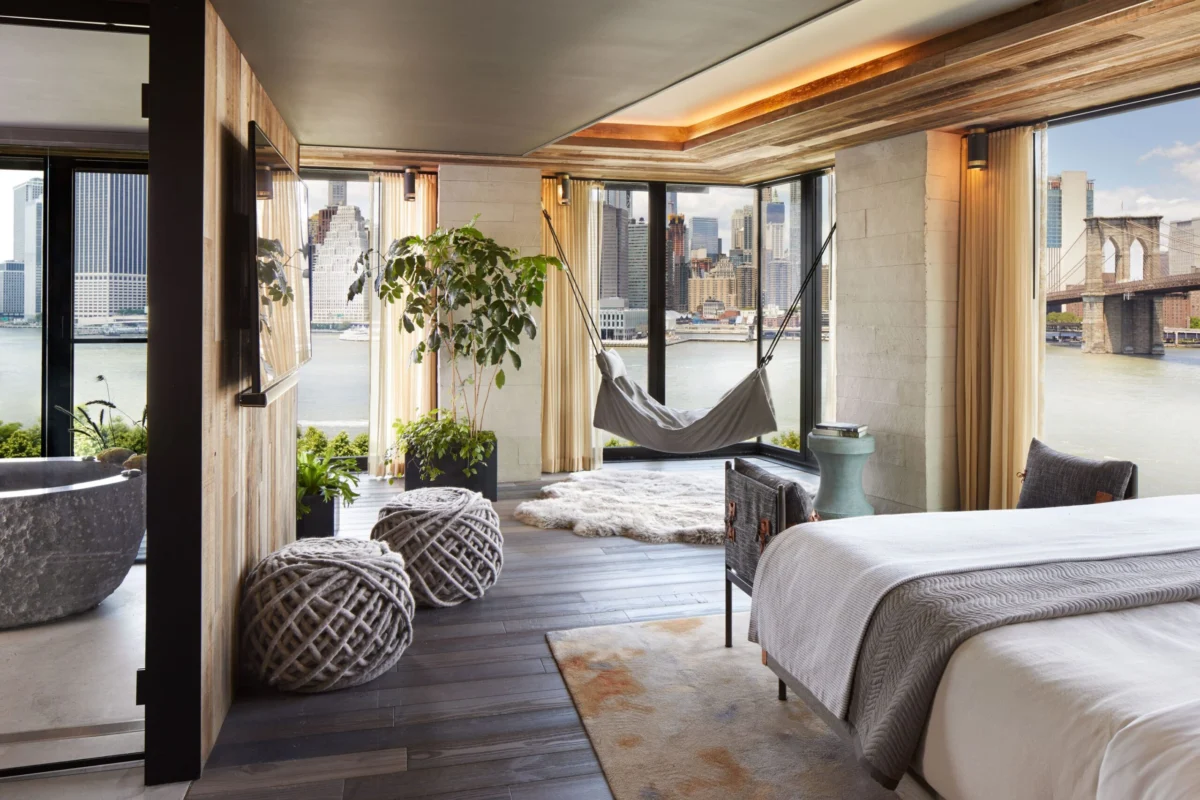
The trend toward biophilic design—integrating natural elements like wood, light, and plants into interior spaces—has become a hallmark of the modern New York family hotel. Properties such as 1 Hotel Brooklyn Bridge demonstrate that luxury can be sustainable and calming. By focusing on indoor-outdoor living, these hotels provide a necessary respite from the "concrete jungle" exterior.
The implication for hoteliers is clear: to remain competitive, they must offer an environment that feels like a home, not a transit station. This includes:

- In-Room Technology: Beyond basic Wi-Fi, families now expect smart-TV integration for streaming services and charging stations that can handle multiple devices.
- Flexible Spaces: The demand for connecting rooms or multi-bedroom suites has surged as families seek to keep teenagers and young children close while maintaining private adult areas.
- Concierge Programming: The best hotels now offer curated experiences—from "kids-only" museum tours to recommendations for the best pizza spots that aren’t overrun with tourists.
Expert Perspectives: The Philosophy of the Family-Friendly Edit
Condé Nast Traveler maintains a rigorous editorial standard for its hotel recommendations. Every property included in our assessments has been vetted by a journalist who possesses an intimate, insider knowledge of the destination.
"When we evaluate a property for family travel, we aren’t just looking for a high chair in the lobby," says one editorial lead. "We are looking for properties that respect the family unit. Does the staff engage with the children? Is there a sense of place that educates the younger traveler? Does the hotel provide a sanctuary where parents don’t feel like they are constantly apologizing for their children’s existence?"
This editorial philosophy underscores a broader shift in the travel industry: the recognition that families are not a "niche" market, but a primary engine of the global travel economy.
FAQ: Navigating the Urban Landscape
Q: Is New York City truly accessible for children?
A: Absolutely. While the city has its challenges, the density of experiences is unmatched. The American Museum of Natural History can provide a full day of education, while Coney Island offers a classic, nostalgic thrill. The sheer variety of food ensures that even the pickiest eaters can be accommodated.
Q: What is the best season to visit with children?
A: Spring and Fall are the definitive winners. Spring brings the cherry blossoms of Central Park and the start of outdoor cultural events. Fall offers crisp, mild weather and the spectacle of seasonal foliage, alongside a packed calendar of cultural festivals.

Q: How do I manage the pace of the city?
A: The most common mistake is over-scheduling. Build in at least one afternoon with no agenda. Let the children lead the way through a park or a neighborhood market. The best memories of New York are often the unplanned ones.
Conclusion: Crafting the Future of Family Travel
The landscape of New York City travel has moved beyond the transactional. It is no longer just about finding a room for the night; it is about finding a home base that facilitates connection. As families continue to seek authentic experiences, the hotels that prioritize comfort, design, and local integration will define the standard for urban family hospitality.
Whether your children are at the age of wonder or the age of irony, New York City remains a classroom, a playground, and a stage. By selecting a base that understands the nuances of family life, you ensure that the city doesn’t just pass by the window—it becomes a part of your family’s collective history.
Additional reporting provided by Paris Wilson. This guide is part of an ongoing series on urban family travel, updated annually to reflect the latest in hotel design and neighborhood development.
 Sagoh
Sagoh
 Asro
Asro
