

By Olivia Tauber
Published September 2, 2026
Main Facts
In an era where the internet is frequently criticized for fostering cynicism, polarization, and outrage, a radical wave of digital empathy has broken through the noise. What began as a personal gesture of gratitude from Call Her Daddy podcast host Alex Cooper has snowballed into a massive, multi-platform social media movement. Expectant parents across the globe are sharing their personal stories and baby registries online, and in response, an unprecedented coalition of everyday strangers, major content creators, and household brands are stepping up to purchase everything from diapers and swaddles to high-end strollers and cribs.
The movement, now officially formalized under the banner #BabylistItForward in partnership with the baby registry platform Babylist and Cooper’s Unwell media network, has transformed digital networking into a tangible lifeline for new parents. Within the first hour of the campaign’s launch, over 15,000 expectant parents flooded social media channels with registry links, personal anecdotes, and heartfelt vulnerability. Major brands—including Pampers, UPPAbaby, Mina Baie, and Itzy Ritzy—have committed resources to clear out thousands of registries, while everyday social media users continue to quietly purchase individual items for complete strangers.
This unexpected intersection of influencer culture, corporate social responsibility, and peer-to-peer generosity demonstrates a profound shift in how digital communities can mobilize to provide real-world support during one of life’s most vulnerable transitions.
Chronology: From a Single Podcast Host to a Global Movement
Spring 2026: The Spark of Connection
The foundation of the movement was laid in May 2026, when Alex Cooper—who co-owns the Unwell media network alongside her husband, film producer Matt Kaplan—announced that she was expecting her first child. As Cooper navigated the initial, often overwhelming waters of early pregnancy, she regularly turned to her massive digital audience for unfiltered parenting advice, product recommendations, and emotional solidarity.

Late August 2026: The First Waves of Reciprocity
Eager to return the support and community advice she had received, Cooper began quietly surprising expectant parents by purchasing essential items—such as car seats, crib mattresses, and nursery furniture—directly from their Babylist registries. As recipients documented their emotional, tearful reactions to boxes arriving on their doorsteps, the concept caught fire.
August 31 – September 2, 2026: Institutionalization and Expansion
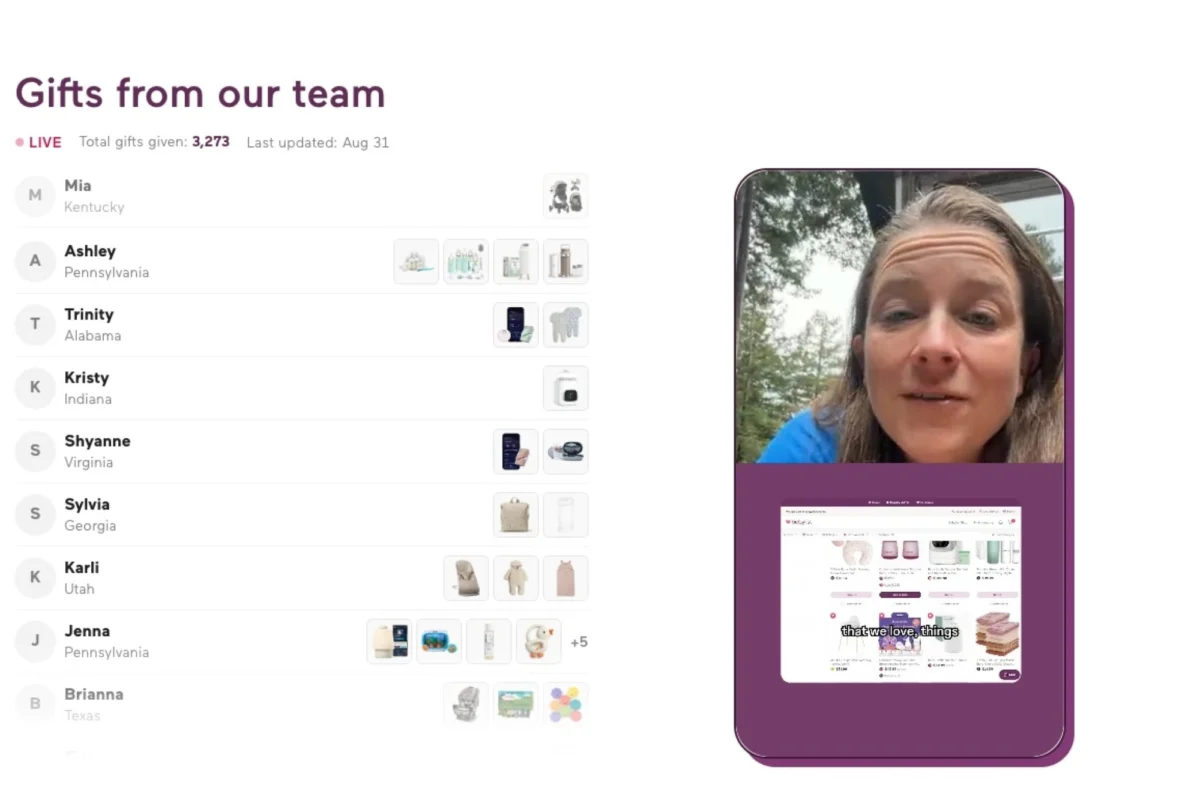
Recognizing the extraordinary scale of the organic trend, registry platform Babylist formally stepped in, partnering with Cooper and Unwell to launch #BabylistItForward. The campaign set an initial target of supporting over 1,000 families, though user engagement quickly shattered those projections. By August 31, Babylist’s dedicated corporate team had already fulfilled over 3,200 individual registry gifts. Concurrently, a diverse array of consumer brands, reality television stars, and high-profile creators—including Colton Underwood, Harry Jowsey, Jenna Ushkowitz, and Anneliese van der Pol—began amplifying the movement, inviting parents to drop their registry links in comment sections across TikTok, Instagram, and other platforms.
Supporting Data and Metrics
The scale of the #BabylistItForward movement highlights an unprecedented appetite for constructive, supportive digital engagement. Key metrics illustrating the reach and impact of the trend include:
- Immediate Engagement: More than 15,000 expectant parents responded to the initial campaign announcement post within the first 60 minutes of going live.
- Corporate Fulfillment: As of August 31, Babylist’s internal team tracking page officially recorded 3,279 gifts purchased directly by the company and its employees for selected families.
- Targeted Brand Contributions:
- UPPAbaby pledged to clear five full registries entirely while purchasing signature strollers for 50 additional lists.
- Mina Baie committed to fulfilling registries for five parents while distributing luxury diaper bags to 20 others.
- Itzy Ritzy stepped in to purchase up to $300 worth of products for every selected family on participating lists.
- Peer-to-Peer Philanthropy: Thousands of individual social media users, operating without large follower counts or brand sponsorships, contributed smaller items—such as baby bottles, pacifiers, and boxes of diapers—to lists shared by everyday parents.
Official Responses and Perspectives
The overwhelming response to the trend has prompted reflections from corporate leaders, creators, and recipients alike, emphasizing the profound psychological and practical needs of modern parents.
Alex Cooper on Community Reciprocity
In an official press release addressing the campaign, Alex Cooper emphasized that clearing registries was fundamentally about honoring the community that had supported her.

"Clearing out registries was a way to thank the community for all their incredible support and advice," Cooper stated. "Reading their stories and seeing what that meant to them made me want to find a way for Unwell to keep paying that forward."
Jennifer Hyman on the Evolution of Digital Platforms
Jennifer Hyman, incoming CEO of Babylist, noted that the viral response underscored a deeper market and emotional need that traditional e-commerce platforms often fail to address. In an interview with Mashable, Hyman explained that the partnership was explicitly designed to meet parents during moments when they require far more than just commercial goods.
"The response demonstrated that parents are looking for answers, reassurance, and connection," Hyman noted.
Beyond purchasing physical products, the collaboration between Babylist, Cooper, and Unwell aims to establish long-term frameworks for crowdsourcing trusted parenting advice, spotlighting overlooked family stories, and channeling financial support toward charitable organizations dedicated to maternal and prenatal health.
Implications: The Shift Toward Prosocial Digital Culture
The viral baby registry gifting chain offers a fascinating case study in modern digital culture, pointing toward several broader implications for how social media communities, brands, and individuals interact online.

1. Monetizing Empathy Versus Authentic Generosity
For years, "kindness creators" have dominated algorithms by staging elaborate charity stunts—such as tipping servers thousands of dollars or handing out cars to strangers—primarily to generate high-engagement video content and advertising revenue. While these videos frequently go viral, critics often point out the voyeuristic and transactional nature of such philanthropy.
In contrast, the #BabylistItForward trend operates on a decentralized, peer-to-peer model. While celebrity involvement served as the initial catalyst, the enduring momentum relies on everyday people quietly purchasing a $15 pack of pacifiers for a stranger whose profile they happened to scroll past. This shift suggests that internet users are increasingly fatigued by purely performative altruism and are hungry for participatory, community-driven kindness.
2. Redefining the Village for Modern Parents
Raising children in contemporary society is frequently characterized by isolation, economic strain, and a breakdown of traditional community structures—often summarized by the lament that modern parents lack a "village."
The digital ecosystem, historically critiqued for isolating individuals behind screens, paradoxically acted as a modern digital village during this trend. Expectant parents found not only financial relief in the form of cribs and car seats, but also a digital support system. Comment sections transformed into peer advisory boards where experienced mothers and fathers debated the necessity of specific baby gear, shared budget-friendly alternatives, and offered emotional encouragement to terrified first-time parents.
3. The Future of Brand-Consumer Relations
The rapid mobilization of brands like UPPAbaby, Mina Baie, and Kiplie signals an evolution in corporate social responsibility (CSR) within the creator economy. Rather than traditional, passive top-down advertising, consumers increasingly expect brands to participate directly in organic cultural moments. By embedding themselves into a grassroots movement of empathy, these companies successfully aligned their marketing efforts with authentic human connection, proving that corporate generosity can coexist with brand visibility.

Looking Ahead
As the initial wave of viral excitement settles, the physical impacts of this movement will endure long after the trend fades from social media feeds. The cribs assembled in nurseries, the car seats strapped into vehicles, and the packs of diapers stacked in closets represent real, material assistance delivered precisely when families needed it most. While the internet’s attention span remains notoriously fickle, the baby registry gifting chain has established a powerful precedent: when harnessed correctly, digital networks can transform collective attention into collective care.
 Suro Senen
 Nana Wu
 Neng Nana
