

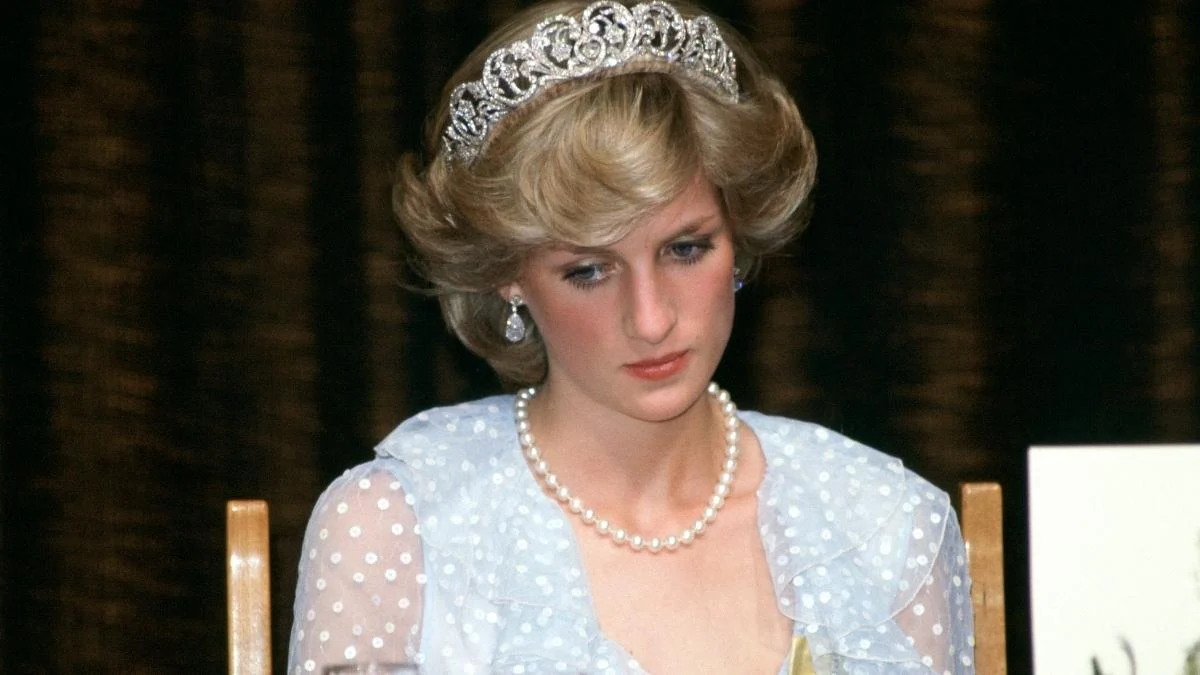
The echoes of the 1997 tragedy that claimed the life of Diana, Princess of Wales, continue to reverberate through the corridors of the British monarchy. Decades after the world watched in mourning, a fresh rift has emerged between the Spencer family and the Crown. At the heart of this confrontation is a provocative claim made by Charles Spencer, 9th Earl Spencer, regarding a private telephone conversation he alleges took place with the then-Prince of Wales shortly after his sister’s untimely death.
In his upcoming memoir, Swan Song: Diana, My Sister, Earl Spencer recounts a harrowing argument concerning the funeral arrangements for the Princess—specifically, the controversial decision to have young Princes William and Harry walk behind their mother’s coffin during the funeral procession. According to the Earl, King Charles—then Prince Charles—uttered the chilling phrase, "We’ll forget her soon enough."
This assertion has ignited a firestorm of debate, pitting the personal recollection of the Princess’s brother against the carefully curated narrative of the Royal Household.
The Crucible of Grief: A Chronology of the 1997 Crisis
To understand the weight of this allegation, one must revisit the intense atmosphere of late August 1997. Following Princess Diana’s death in a high-speed car crash in Paris, the United Kingdom was plunged into a period of collective mourning that effectively paralyzed the nation.
The Conflict Over the Procession
The weeks following the accident were marked by high-stakes negotiations between the Spencer family and Buckingham Palace. The primary point of contention was the public role of the two young princes, aged 15 and 12 at the time. Earl Spencer, deeply protective of his nephews, vehemently opposed the idea of them walking in the funeral procession, fearing the psychological toll it would take on the boys.
It was during this period of high tension that the alleged phone call occurred. Spencer describes the conversation as a rare and explosive interaction. According to the Earl, the then-Prince of Wales grew increasingly agitated as the debate intensified. When Spencer pushed back against the plan, the King allegedly lost his temper, leading to the remark that has now become the epicenter of a historical dispute.
The Immediate Aftermath
The funeral took place on September 6, 1997. William and Harry ultimately participated in the walk, an image that remains etched in the global consciousness as a symbol of their immense, premature burden. Years later, Prince Harry would confirm his father’s earlier concerns were valid, stating in his own memoir and interviews that no child should ever be asked to endure such an experience.
The Collision of Narratives: Spencer vs. The Palace
The publication of excerpts from Swan Song prompted an unprecedented response from Buckingham Palace. In a move that signaled the gravity with which the institution views the claim, a spokesperson issued a statement suggesting that the Earl’s memory might be clouded by the trauma of the period.
"The King is mindful that the pain of fraternal grief can cloud reason, affect judgement and colour memory in ways others do not recognise, even many years after such a loss," the Palace statement read. This subtle suggestion—that Spencer’s trauma has distorted his recollection of the facts—was met with immediate and firm rejection from the Earl.
"I Am Telling the Truth"
In his first major interview since the Palace issued its statement, Earl Spencer spoke with the BBC to clarify his stance. He did not mince words. When asked to reconcile his account with the Palace’s skepticism, he was resolute. "I can tell you here and now, those are exactly the words he said," he asserted.
Spencer’s defense relies heavily on the rarity of his communication with the future King. He notes that in his entire life, he only ever spoke to Charles on the telephone twice. This lack of familiarity made him "hyper-alert" during the call. Because the interaction was so rare and the subject matter so distressing, Spencer insists the conversation is burned into his memory with absolute clarity.
"I’ve only ever had two calls on the line with Prince Charles at any stage of my life," Spencer told the BBC. "I was hyper-alert to what he was saying and those are precisely the words that he said and I promise that to you now."
Implications: The Psychological and Political Fallout
The fallout from this dispute extends beyond a simple "he-said-she-said" scenario. It touches upon the reliability of memory, the nature of grief, and the ongoing struggle for control over the narrative of the House of Windsor.
The Question of Motivation
Earl Spencer has raised a provocative question regarding the Palace’s defensive stance: "Well, is he furious? Is he furious or is he embarrassed?" By questioning the motivation behind the official response, Spencer is effectively challenging the transparency of the institution. He suggests that the Palace’s rebuttal is not merely a correction of history, but an attempt to shield the King from the fallout of a callous statement made in a moment of crisis.
Spencer further revealed that he had discussed this exchange with family and friends shortly after it happened, describing it at the time as "monstrous." By highlighting that his account has been consistent for over 25 years, he aims to neutralize the Palace’s claim that his memory is a product of long-term trauma.
The Legacy of the "Forgotten" Princess
For many observers, the comment "we’ll forget her soon enough" reflects a perceived detachment within the royal hierarchy during that era. Whether or not the remark was intended as a literal prediction or a momentary outburst of frustration, its impact is undeniable. It underscores the profound disconnect between the private realities of the Royal Family and the public adoration that Diana commanded.
For Prince Harry, who has been vocal about the lack of support he received following his mother’s death, this revelation serves as further evidence of the institutional coldness he has frequently cited as a reason for his departure from royal duties.
Supporting Data: The Nature of Traumatic Memory
Psychological experts often debate the veracity of memories formed during high-stress events. While the Palace suggests that grief can "colour memory," trauma specialists point to the phenomenon of "flashbulb memories." These are vivid, highly detailed memories of the circumstances in which one learns of or experiences a highly significant, often traumatic event.
Given that Earl Spencer was grieving the sudden loss of his sister while simultaneously navigating a global spectacle, his brain would have been in a state of heightened arousal. In such states, the brain is often hyper-attuned to significant social interactions. Spencer’s assertion that he was "hyper-alert" aligns with the scientific understanding of how individuals encode information during moments of extreme conflict.
Conclusion: A History Still Being Written
The dispute between Earl Spencer and King Charles III is more than a family squabble; it is a clash between two versions of history. As the King continues to navigate his reign, the persistence of these narratives serves as a reminder that the past is never truly buried.
Whether Swan Song will force a deeper reckoning with the events of 1997 remains to be seen. However, by standing his ground, Earl Spencer has ensured that the questions surrounding his sister’s treatment—and the conduct of those in power during her final days—will continue to be a central part of the conversation regarding the modern monarchy.
For now, the record remains divided. The King’s supporters look to the official palace statement as a safeguard against the erosion of his reputation, while the Earl’s supporters point to his consistent testimony as the authentic, if painful, truth. As the debate continues, one thing remains certain: the ghost of Diana, Princess of Wales, continues to challenge the structures that were meant to contain her, even long after her passing.
 Neng Nana
 Azzam Bilal Chamdy
 Nana
Nana
