

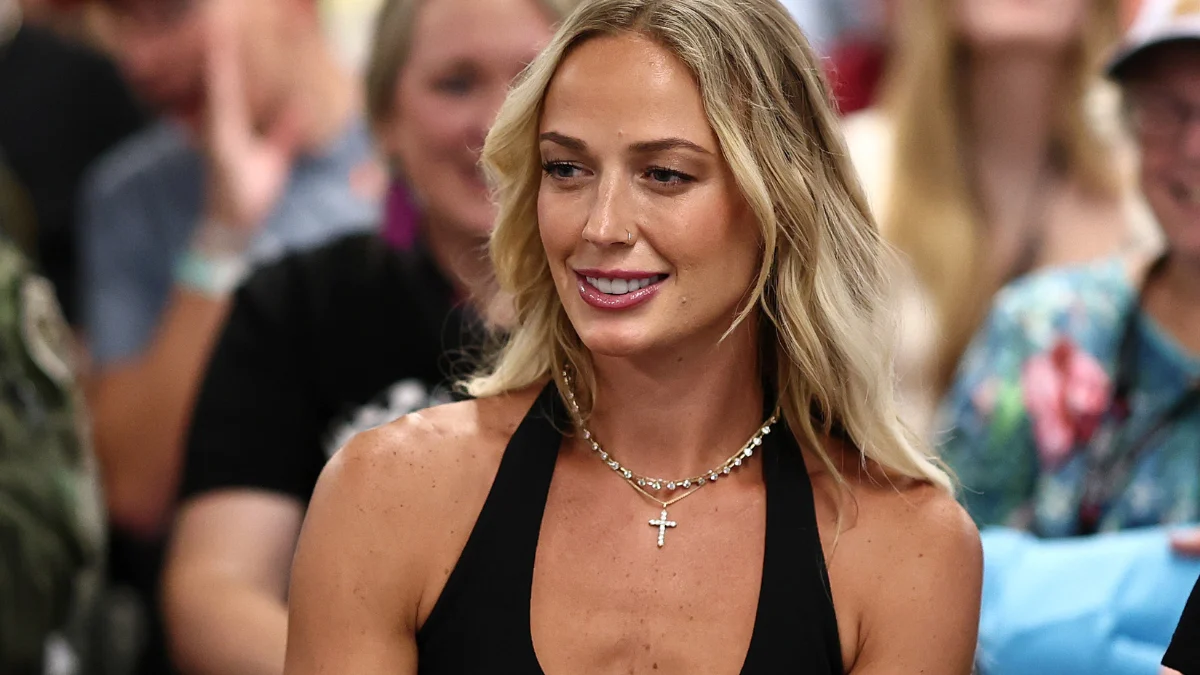
In the ever-evolving intersection of sports, celebrity culture, and digital marketing, few topics have ignited as much discourse in recent weeks as the promotional campaign for the sports prediction platform, Novig, featuring actress Sydney Sweeney. The campaign, which saw the Euphoria star posing in minimal attire alongside sports equipment, sparked a firestorm of debate regarding authenticity, the sexualization of women in sports media, and the ethics of celebrity brand partnerships.
Among the high-profile figures to weigh in on the matter is WNBA star and Indiana Fever guard Sophie Cunningham. During a recent episode of her newly rebranded podcast, No Hesitation With Sophie Cunningham & Drew Hanlen, Cunningham offered a nuanced, if not critical, perspective on the ad. Her commentary has served as a lightning rod for broader conversations about how women in the public eye navigate the complex landscape of brand endorsements.
The Genesis of the Controversy: A High-Profile Partnership
The campaign, launched to promote Novig, was designed to capture the attention of a demographic that spans both the entertainment and sports-betting worlds. By leveraging Sydney Sweeney’s massive global platform, Novig aimed to tap into a younger, pop-culture-savvy audience. However, the creative direction—which leaned heavily into the "sex sells" marketing trope—immediately drew ire from various segments of the internet.
Critics were quick to point out the perceived disconnect between a high-stakes, data-driven sports betting platform and an actress whose primary public persona is centered on fashion and dramatic performance rather than athletic analysis. The imagery, which featured Sweeney in provocative poses with basketballs and other sports paraphernalia, was viewed by many as a cynical attempt to lure male bettors using aesthetic appeal rather than product utility.
Sophie Cunningham’s Take: The "Unauthentic" Critique
Sophie Cunningham, known for her candid personality both on and off the basketball court, did not shy away from the topic when it was brought to her attention by her listeners. Addressing the deluge of DMs and comments requesting her opinion, Cunningham dissected the campaign with the analytical eye of someone who lives the professional sports lifestyle.
"The amount of text messages, DMs, comments of people wanting me to talk about the Sydney Sweeney ad," Cunningham remarked on her podcast. "I have so many takes, but first of all, like, does she even gamble on sports? It’s just so unauthentic. You know what I mean?"
Cunningham’s primary grievance centered on the lack of genuine connection between the spokesperson and the product. For an athlete who deals with the realities of sports performance daily, the ad felt performative. However, she was careful to balance her criticism with an acknowledgment of the celebrity-industrial complex.
"Am I surprised of how she represented the brand? No," Cunningham added. "That’s what she’s made her whole career off. Do I like it? That particular ad? Not really. I think, what are we doing? But at the end of the day, she’s making her money. Go do your thing, sis."
Chronology of the Discourse
The backlash to the ad did not happen in a vacuum. To understand the gravity of Cunningham’s comments, one must look at the timeline of the controversy:
- The Launch: Novig releases the promotional imagery featuring Sydney Sweeney. The images trend globally within hours, triggering a polarized reaction on X (formerly Twitter) and Instagram.
- The Immediate Backlash: Social media users, particularly those within the sports community, criticize the ad for being "tacky" and disconnected from the core values of sports prediction.
- The Counter-Narrative: Supporters of Sweeney argue that she is simply acting as a model for a brand and that the backlash is rooted in misogynistic double standards.
- The Podcast Analysis: Sophie Cunningham addresses the controversy on No Hesitation, providing a bridge between the sports world and the entertainment world.
- The Defense: Sydney Sweeney responds to the noise by posting archival photos of professional athletes—both male and female—who have posed in similar, if not more provocative, ways for high-profile publications like ESPN The Magazine.
Supporting Data: The Ethics of Celebrity Endorsements
The controversy surrounding the Novig ad highlights a shifting trend in how betting platforms acquire customers. In the wake of the legalization of sports betting across numerous U.S. states, platforms have been engaged in a "marketing arms race."
According to industry reports, customer acquisition costs (CAC) for gambling platforms have skyrocketed, leading companies to seek out massive, mainstream influencers rather than niche sports experts. The logic is simple: reach the largest possible audience, regardless of whether that audience is inherently interested in the intricacies of the betting odds.
However, the "authenticity gap" remains a significant risk. Research suggests that younger consumers, particularly Gen Z, place a premium on transparency and genuine interest when it comes to influencer marketing. When a brand uses a spokesperson who does not embody the lifestyle being sold, the result is often alienation rather than engagement.
Official Responses and Defensive Posturing
When the tide of public opinion turned against her, Sydney Sweeney did not retreat. Instead, she took a proactive stance by challenging the perceived hypocrisy of her critics. By highlighting the history of athletes posing for ESPN The Magazine’s "Body Issue," Sweeney effectively asked: If this is acceptable for professional athletes, why is it considered controversial for me?
This response, while savvy, failed to quell the entire debate. Critics countered that the context of an athlete posing for a sports magazine is fundamentally different from an actress being paid to promote a financial gambling product. The distinction lies in the professional vs. recreational nature of the interaction.
Cunningham, for her part, addressed the anger directed at Sweeney with a level of maturity that surprised some of her listeners. "Why are girls mad? Like, that is literally what she does. Why is anyone mad?" Cunningham asked, emphasizing that women should not be tearing each other down for career choices, even if the choices themselves feel "weird" or morally questionable in a specific context.
Implications: The Future of Women in Sports Marketing
The Sydney Sweeney and Novig incident serves as a bellwether for the future of sports marketing. As women’s sports continue to gain mainstream visibility, the lines between athletes, influencers, and brand ambassadors are becoming increasingly blurred.
1. The Call for Authenticity
Brands are learning that "sex sells" is no longer a foolproof strategy. In an era of social media accountability, consumers demand to see the product integrated into the life of the spokesperson. Future campaigns will likely favor partnerships where the influencer has a demonstrated interest in the sports or platforms they are representing.
2. The Double Standard of Agency
Cunningham’s defense of Sweeney—"go do your thing, sis"—points toward a growing solidarity among women in the public eye. There is a recognition that women are often subjected to higher levels of scrutiny regarding their image and their professional choices. Cunningham’s stance suggests that while one may disagree with the aesthetic or the branding strategy, the focus should be on agency rather than condemnation.
3. The Regulatory Landscape
As sports betting continues to grow, regulators are keeping a close watch on how these products are marketed. Future guidelines may require more stringent disclosures about the nature of celebrity partnerships, ensuring that the lines between entertainment and financial risk-taking remain clear.
Conclusion: A Lesson in Brand Management
The dialogue sparked by Sophie Cunningham’s podcast appearance is more than just a critique of a single advertisement. It is a reflection of a culture trying to navigate the intersection of commercialism and identity.
While the Novig ad may have achieved its goal of generating massive amounts of attention—a key metric for any marketing department—it also provided a cautionary tale about the cost of disregarding the consumer’s desire for authenticity. Sophie Cunningham’s measured approach offers a path forward: hold brands and public figures to higher standards of genuine engagement, but maintain respect for individual autonomy.
As for the broader conversation, the debate continues to rage in comment sections and boardrooms alike. One thing is certain: the era of celebrity-led marketing is evolving, and the voices of professional athletes like Cunningham will be increasingly vital in defining what that evolution looks like. In the end, the most effective marketing isn’t just about who is in the ad—it’s about why they are there, and whether the audience believes they belong.
 Neng Nana
 Azzam Bilal Chamdy
 Nana
Nana
