

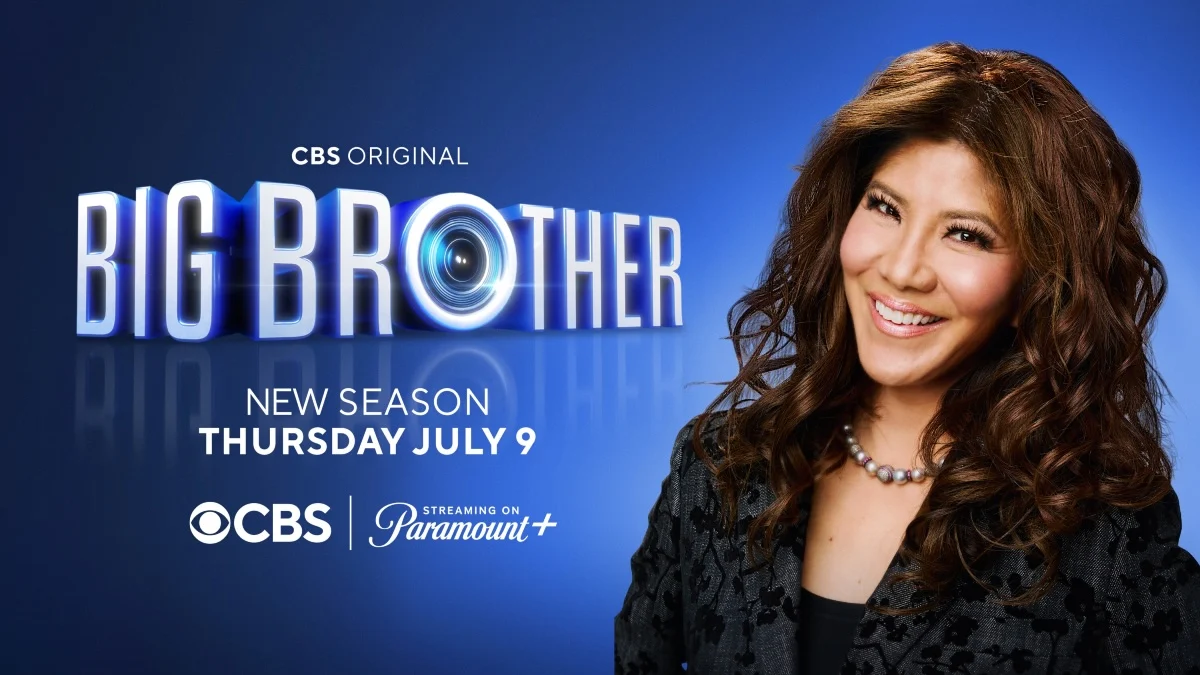
As the summer television landscape prepares for its most anticipated return, the Big Brother community is currently embroiled in a frenzy of speculation. With Season 28 looming on the horizon, CBS has maintained a fortress of silence regarding the specific mechanics of the upcoming installment. However, a series of persistent leaks—allegedly originating from internal documentation on the Paramount+ international portal—suggests that the show is planning an ambitious, franchise-altering theme: "Time Trip."
If these rumors hold weight, the upcoming season will not merely be another iteration of the social strategy game; it is positioned as a celebratory retrospective that aims to redefine the Big Brother experience. With the show set to cross the historic 1,000-episode threshold this season, the stakes have never been higher for producers to deliver a spectacle worthy of its legacy.
The Main Facts: What We Know About the "Time Trip" Rumor
The "Time Trip" concept, as described by those who claim to have accessed the leaked production outlines, suggests a structural departure from the standard "new houseguests only" format. According to these reports, the premise involves contestants navigating a house designed to reflect different eras of the show’s history.
More significantly, the leak claims that this temporal journey will involve the return of "legends"—former players who have left an indelible mark on the game’s culture. The core of the alleged twist is that the housemates will be forced to compete across these various eras, facing game-changing rulesets that shift depending on the "time period" of the week. This would effectively rewrite the rulebook in real-time, creating a volatile environment where the traditional strategies of modern Big Brother might prove obsolete.
While CBS has yet to issue an official press release confirming these details, the buzz has reached a fever pitch. The show is confirmed to debut with a sprawling 90-minute premiere on July 9, a slot that suggests the network intends to set a grand, cinematic tone from the very first frame.
Chronology of a Milestone: The Road to 1,000 Episodes
Big Brother has been a cornerstone of CBS’s summer programming for over two decades. To understand why the "Time Trip" theme carries such weight, one must look at the timeline of the show’s evolution.
- The Early Years (Seasons 1-5): A period of experimental rule-making and social discovery that defined the genre.
- The Golden Age (Seasons 6-14): This era saw the rise of iconic strategic masterminds and the solidification of the "Big Brother" archetype.
- The Modern Era (Seasons 15-27): Characterized by high-definition production, increased social media integration, and a faster, more aggressive pace of play.
Season 28 is uniquely positioned because it coincides with the series reaching its 1,000-episode milestone. This is a rare feat for a reality series, and the production team is reportedly pulling out all the stops to ensure the celebration is multifaceted. The move to incorporate past eras suggests that the producers recognize the weight of this history. By bringing back legends and referencing the "White Locust" challenges or the controversial house dynamics of Season 15, the show is signaling a deep dive into its own archives.
Supporting Data and Fan Sentiment
The appetite for returning players has been palpable for years. The disappointment surrounding Rachel Reilly’s premature exit in Season 27—specifically her inability to navigate the "White Locust" challenge—served as a catalyst for a vocal segment of the fanbase that has been clamoring for redemption arcs.
Adding fuel to the fire, rumors have linked Elissa Slater, sister of the legendary Rachel Reilly, to a potential return. Elissa, who first appeared in the notoriously volatile Season 15, remains one of the most talked-about participants in the show’s history. Season 15 was defined by both high-level social maneuvering and significant controversy, including the inflammatory behavior of Aaryn Gries (now Aaryn Williams). If Elissa were to return, it would provide a bridge to one of the most tumultuous chapters of the show, perfectly fitting the "Time Trip" narrative of revisiting past eras.
Furthermore, the data from fan polls on major enthusiast sites suggests that viewers are overwhelmingly in favor of a "mixed-cast" season. The desire to see how "Old School" players would handle "New School" advantages (such as modern power-up items or faster eviction cycles) is a primary driver of the current speculation.
Official Responses and Corporate Strategy
As of this writing, CBS remains officially tight-lipped. The network has successfully used a strategy of strategic ambiguity to keep engagement high during the pre-season period. The only confirmed information remains the July 9 premiere date and the standard weekly schedule, which will feature the flagship Wednesday episodes, the high-stakes Thursday evictions, and the Sunday recaps.
Industry analysts suggest that CBS’s silence is a calculated maneuver. By neither confirming nor denying the "Time Trip" theme, they maintain control over the narrative while allowing the social media "rumor mill" to do the heavy lifting in terms of marketing. Every speculative post, every fan-made "dream cast," and every breakdown of the leaked Paramount+ files serves as free advertising for the season.
Implications: A New Era or a Risky Gambit?
If the "Time Trip" theme is indeed implemented, the implications for the game are profound.
1. The Strategy Shift
If players are forced to navigate rules from different eras, the game becomes unpredictable. A player who has studied the "Old School" game of Season 2 might find themselves at a sudden advantage during a "Time Trip" week where communication technology or alliance structures are restricted to early-2000s standards. This would force players to be hyper-adaptable, moving away from the "template" strategies that have dominated recent years.
2. The Legacy Factor
Bringing back legendary players risks overshadowing the new cast. There is a delicate balance to be struck between honoring the past and allowing the new houseguests to define their own legacies. If the "legends" dominate the screen time, the season may feel like a victory lap rather than a fresh start. However, if the returning players serve as mentors or "ghosts of seasons past," it could elevate the drama to an unprecedented level.
3. The Technical Challenge
Producing a season that fluctuates between historical eras requires a significant investment in set design and production logistics. The Big Brother house is famous for its thematic redesigns each year; to have that house change its identity periodically throughout the summer would be a logistical marvel.
Conclusion: The Horizon of Season 28
As the clock ticks down toward the July 9 premiere, the excitement surrounding Big Brother 28 is undeniable. Whether the "Time Trip" theme is a literal interpretation of changing house rules or a metaphorical nod to the history of the show, the intent is clear: to deliver a spectacle that respects the past while pushing the format into the future.
For the loyalists who have tuned in for over two decades, this season represents a homecoming. For new viewers, it serves as a crash course in the history of a cultural phenomenon. Regardless of whether the rumors of returning legends and era-shifting rules come to fruition, one thing is certain: Season 28 is poised to be the most ambitious, scrutinized, and anticipated chapter in the storied history of Big Brother.
Tell Us: Which former houseguests would you like to see return to the house for this "Time Trip"? Is the potential return of legacy players a welcome twist, or should the game focus strictly on new faces? Join the conversation as we count down the days to the Season 28 premiere.
 Neng Nana
 Azzam Bilal Chamdy
 Nana
Nana
