

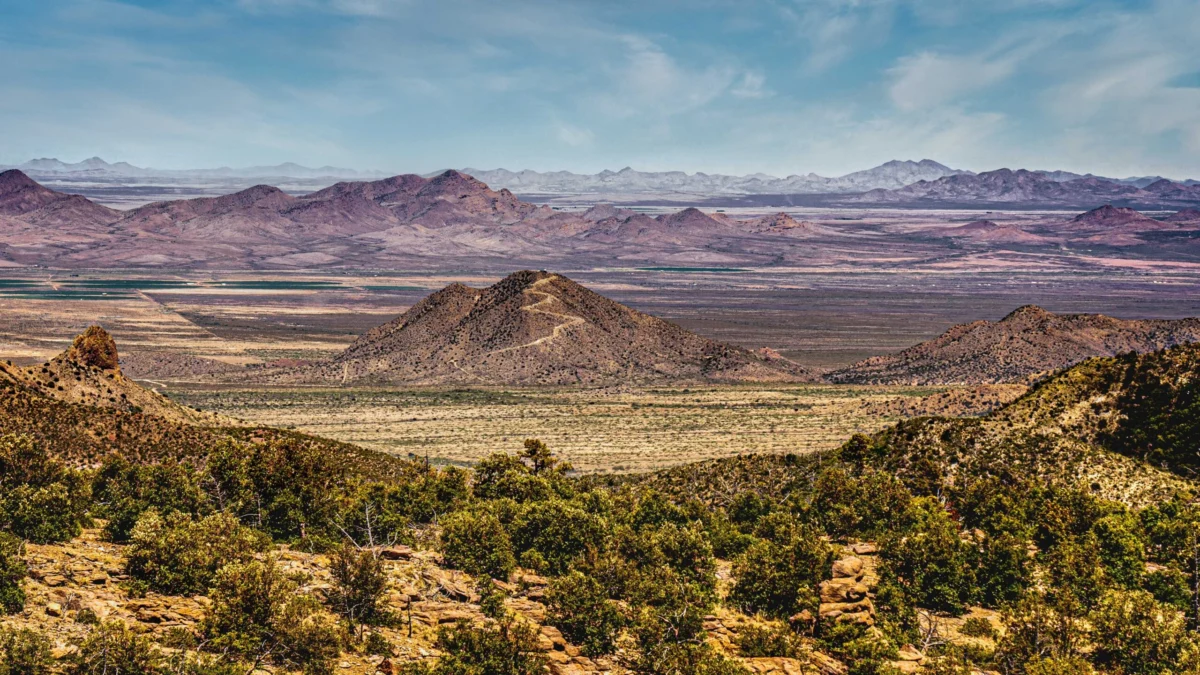
The American landscape has officially expanded. On October 20, 2026, President Trump signed the Chiricahua National Park Act into law, officially elevating the former Chiricahua National Monument in southeastern Arizona to the status of the 64th U.S. National Park. This milestone marks the first addition to the prestigious national park roster in nearly six years, ending a hiatus that began after the designation of West Virginia’s New River Gorge in 2020.
For geography enthusiasts and outdoor adventurers, the designation is more than just a bureaucratic formality; it is a long-overdue recognition of one of the most geologically significant and ecologically diverse regions in the American Southwest. Known affectionately by locals and seasoned hikers as the "Wonderland of Rocks," the park’s jagged spires and precarious balancing rocks offer a window into a violent, volcanic past that shaped the topography of the Arizona-New Mexico borderlands millions of years ago.
A Chronology of a Natural Masterpiece
The journey of Chiricahua from a remote geological curiosity to a crown jewel of the National Park Service (NPS) spans over a century. To understand the gravity of its new designation, one must look back at its storied timeline.
Prehistoric Origins
The dramatic landscape seen today was forged approximately 27 million years ago during the eruption of the Turkey Creek Caldera. The immense volume of volcanic ash and pumice—which eventually compressed into rhyolite rock—underwent millions of years of erosion. This process carved out the distinct hoodoos, spires, and balanced rocks that characterize the Chiricahua range.
Indigenous Stewardship and Colonial History
Before it was a park, the region was the ancestral home of the Chiricahua Apache, who navigated the rugged "sky island" terrain with profound intimacy. The area holds deep spiritual and historical significance to Indigenous communities. In the late 19th century, the land saw the arrival of Swedish immigrants who established the Faraway Ranch, a site that serves as a testament to the pioneer spirit of the American West. The ranch is now a historic district that offers visitors a glimpse into the homesteading era of Arizona.
The Path to Protection
- 1924: President Calvin Coolidge designates Chiricahua as a National Monument, citing the "unusual scientific interest" of its volcanic formations.
- 1933–1941: The Civilian Conservation Corps (CCC) develops much of the park’s current infrastructure, including trails and the iconic Bonita Canyon road.
- 2020: New River Gorge becomes the last addition to the national park system, creating a long gap in new designations.
- October 20, 2026: The Chiricahua National Park Act is signed into law, officially making it the 64th National Park in the United States.
The "Sky Island" Ecosystem: Supporting Data
What sets Chiricahua apart from other desert parks is its classification as a "sky island." Situated between the Sonoran and Chihuahuan deserts, the Chiricahua Mountains rise abruptly from the valley floor, creating a vertical gradient of climate zones. This allows for an extraordinary intersection of flora and fauna that typically would not coexist.
Biodiversity Metrics
Spanning approximately 12,000 acres, the park is a hotbed of biological activity. Researchers have documented a vast array of life forms, making it a critical site for ecological study:
- Avian Diversity: Nearly 200 species of birds, including the charismatic cactus wren and rare migratory raptors.
- Mammalian Variety: Over 70 species, ranging from the elusive whitetail deer to the distinctive white-nosed coati.
- Reptiles and Amphibians: 46 species of reptiles—most notably the banded rock rattlesnake—and 8 species of amphibians.
The park’s elevation ranges from roughly 5,000 to over 7,000 feet, allowing the habitat to shift from desert scrub and grasslands to pine-oak woodlands. This elevation shift acts as a bridge for species migration and serves as a vital refuge for animals fleeing the intense heat of the lower desert basins.
Official Perspectives and Implications of Elevation
The transition from "National Monument" to "National Park" carries significant weight in the world of conservation and tourism. While the National Park Service manages both designations, the "National Park" label acts as a global marketing powerhouse, often signaling to the public that a site is a "must-see" destination.

The Economic Impact
According to a 2018 study by Headwaters Economics, which analyzed the 2019 redesignation of White Sands, the transition to national park status frequently acts as a catalyst for local economic growth. The study found that national parks consistently experience higher visitation rates, which translates into increased spending in nearby gateway communities.
However, this growth is a double-edged sword. While local businesses in towns like Willcox—the nearest municipality to Chiricahua—stand to benefit from increased tourism revenue, the park service and local governments face the challenge of managing increased traffic, potential environmental degradation, and the necessity of expanding infrastructure to accommodate the influx of visitors.
Operational Realities
For the average visitor, the immediate impact of the new status is minimal. Because the area was already protected as a monument, the core visitor experience remains intact:
- No New Fees: Entrance remains free for the time being, maintaining accessibility for regional families.
- Infrastructure: The existing 17 miles of hiking trails and the Bonita Canyon Scenic Drive continue to operate as they did under the monument designation.
- Signage: Visitors will notice new signage reflecting the "National Park" branding, a small but symbolic change for the NPS.
Planning Your Visit: A Guide to the Newest Park
As Chiricahua gains popularity, early planning is essential. The park is famously remote, requiring a commitment from travelers.
Accessibility and Logistics
The gateway to the park is the city of Willcox, Arizona, situated approximately 30 to 45 minutes from the entrance. For those flying into the region, Tucson serves as the most convenient major hub, located about two hours away. Because of the limited lodging options in the immediate vicinity, visitors are encouraged to look into the smaller, historic towns of Bisbee, Douglas, and Portal.
The "Must-Do" Itinerary
- The Scenic Drive: A winding route through the heart of the volcanic formations, leading to the Massai Point overlook.
- Hiking: For the best experience, traverse the Echo Canyon or Sugarloaf trails. These paths bring hikers into direct contact with the iconic hoodoos.
- The Faraway Ranch: A step back in time to explore the history of the homesteaders who once called this rugged landscape home.
- Stargazing: As an International Dark Sky Park, Chiricahua offers some of the most pristine nighttime viewing in the country. The lack of light pollution makes it an ideal spot for amateur astronomers.
- Overnight Stays: The Bonita Canyon Campground remains the primary site for those wishing to stay within the park boundaries. Due to the projected increase in visitors, booking in advance will become increasingly critical.
Looking Ahead: The Future of the Wonderland
The designation of Chiricahua National Park is a reflection of the evolving priorities of the National Park Service. It highlights the importance of preserving not just massive, iconic sites like the Grand Canyon, but also the "hidden gems" that provide essential habitat and historical context.
As the nation looks toward the future of its public lands, the Chiricahua experience will serve as a pilot case for how the U.S. manages the transition of smaller, remote monuments into high-traffic national parks. Can the park maintain its serene, "wonderland" atmosphere while opening its gates to a new generation of travelers?
The answer lies in the balance of stewardship and accessibility. For now, the spires of the Chiricahua Mountains stand as they have for millions of years—silent, stony sentinels waiting to tell their story to an ever-growing audience of nature lovers, history buffs, and those simply seeking the quiet majesty of the American Southwest. As you plan your trip to see the 64th national park, remember that you are visiting a fragile, ancient ecosystem. Take only pictures, leave only footprints, and respect the legacy of the "sky island" that is now finally, officially, a national treasure.
 Sagoh
 Siti Muinah
