

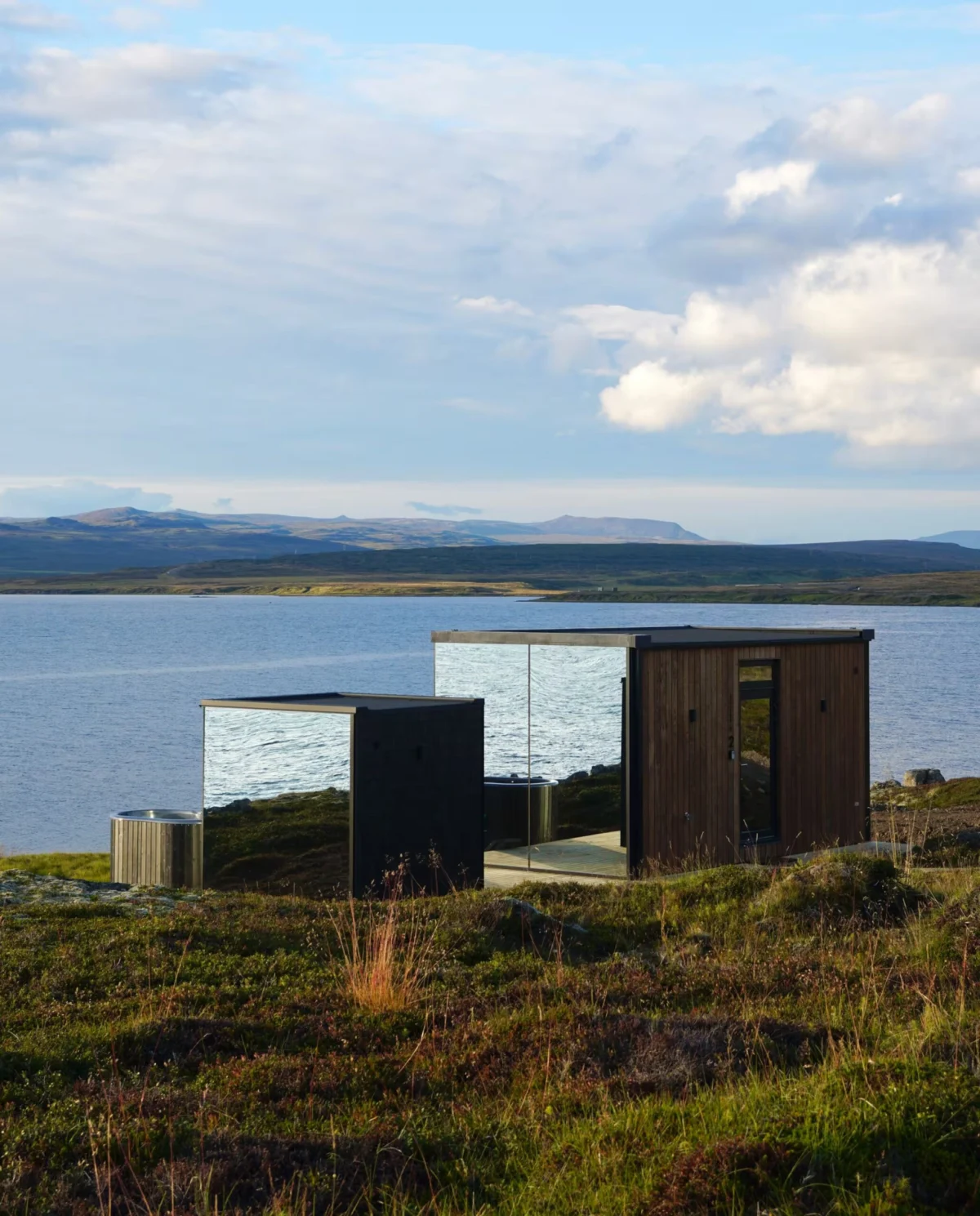
In an era defined by the relentless ping of notifications, the glow of blue-light screens, and the perpetual expectation of "always-on" availability, the concept of luxury has undergone a radical transformation. For the modern traveler, the most expensive commodity is no longer a five-star concierge or a gold-plated bathroom fixture; it is silence. It is the ability to trade the chaotic symphony of city life for the rhythmic pulse of the natural world.
The surge in popularity of remote, off-the-grid vacation rentals—ranging from rugged cabins in the Patagonian Andes to secluded vegetable farms in rural North Carolina—marks a significant shift in consumer behavior. Whether these locations are perceived as a tranquil sanctuary or a psychological challenge, their allure is undeniable. As we retreat into the "middle of nowhere," we aren’t just taking a vacation; we are performing a necessary act of digital hygiene.
The Core Appeal: Why We Seek the Edge of the Map
The motivation to retreat into the wild is multifaceted. For some, it is a pursuit of physical reconnection—an attempt to reset circadian rhythms by replacing artificial light with the shifting shadows of a forest or the stark clarity of high-desert stars. For others, the drive is purely cerebral. In a world of fragmented attention spans, a remote rental offers a rare, "distraction-free" environment, making it a haven for writers, deep-thinkers, and those desperate to reclaim the lost art of reading a physical book from cover to cover.
However, the definition of "remote" is evolving. The modern traveler no longer requires total isolation; they seek a curated balance. Many of the most sought-after properties, from cottages nestled in the dramatic, craggy fjords of the Faroe Islands to intimate cabins tucked away in the Tennessee hills, provide the sensation of total seclusion while remaining within a 20-minute radius of an airport or a regional hub. This "best of both worlds" approach ensures that while the spirit of adventure is satisfied, the practicalities of modern life remain within reach.
A Chronology of the Off-Grid Movement
The trajectory of the "secluded getaway" trend can be mapped through several distinct phases of travel evolution:
- Pre-2010: The Adventurer’s Niche. Remote travel was largely the domain of the rugged outdoorsman. Accommodations were limited to primitive campsites, national park lodges, or privately owned, rustic cabins with minimal amenities.
- 2010–2018: The Rise of the "Instagrammable" Cabin. As platforms like Airbnb gained traction, property owners began renovating traditional, remote structures—A-frames, treehouses, and yurts—into high-design, photogenic sanctuaries. The aesthetic appeal of these remote spots began to rival their geographical exclusivity.
- 2019–2021: The Pandemic Catalyst. The COVID-19 pandemic acted as a massive accelerant. As urban lockdowns persisted, the demand for remote rentals skyrocketed. Safety became synonymous with isolation, and "work-from-anywhere" policies allowed professionals to extend their stays, turning short weekend trips into weeks-long retreats.
- 2022–Present: The Era of Intentional Stillness. We have now entered a phase of intentionality. Travelers are no longer just fleeing cities; they are seeking specific, transformative experiences. Whether it is the meditative stillness of the California high desert or the challenging, raw landscapes of South America, the "disconnect" is now a conscious lifestyle choice.
Supporting Data: What Guests Are Prioritizing
To understand the mechanics of this trend, we must look at the criteria that drive guest satisfaction. According to current hospitality trends and rental data, the most successful remote properties are not necessarily the most luxurious in terms of price, but the most consistent in terms of experience.
The "Vetting" Metrics
- Guest Favorite Status: Platforms like Airbnb now utilize proprietary algorithms to identify "Guest Favorites"—listings that boast top-tier ratings and reliable check-in experiences.
- The "Silence" Quotient: Reviews for top-performing remote properties frequently mention the "soundscape"—or lack thereof—as a primary value driver.
- Sustainable Integration: Properties that leverage local resources, such as solar power, rainwater harvesting, or local produce, report higher return-guest rates.
- High-Design Accessibility: The modern remote traveler demands a baseline of comfort. A cabin in the woods is no longer a pass for substandard plumbing or uncomfortable bedding. The best properties feature high-quality finishes, ergonomic design, and curated decor that reflects the surrounding geography.
Official Perspectives: The Host and The Traveler
Industry experts and hosts are noticing a shift in the way guests interact with their surroundings. "Remote" no longer implies "primitive."
"When we host guests in our Patagonia properties, they aren’t looking for a rugged survivalist experience," says one boutique rental operator. "They are looking for the ‘Patagonia aesthetic’ combined with the comfort of a high-end hotel. They want to hike the Andean peaks by day and return to a glass of wine by a fireplace by night. The isolation is the draw, but the comfort is the requirement."
Travel psychologists suggest that this is a healthy response to modern stress. "The act of leaving the grid is a form of cognitive offloading," notes a leading travel researcher. "When you are in a location where you cannot rely on digital maps or instant connectivity, you are forced to engage with your environment using your senses. This triggers a different part of the brain, promoting neuroplasticity and genuine rest."
Implications for the Travel Industry
The rise of the remote rental has profound implications for the travel sector at large.
1. The Decentralization of Tourism
For years, travel was concentrated in "must-visit" cities—Paris, Rome, New York. The desire for remote getaways is decentralizing tourism. Rural economies in places like North Carolina, Maine, and remote parts of the American West are seeing an influx of capital as travelers seek out hidden gems, leading to the revitalization of small-town economies.
2. Environmental Stewardship
With the surge in remote travel comes the responsibility of stewardship. Many of the most pristine locations—like Icelandic fjords or delicate mountain ecosystems—are sensitive to human impact. The travel industry is now facing a dual challenge: how to facilitate this desire for remote exploration while ensuring that the infrastructure (waste management, energy use, and land preservation) does not destroy the very environment the traveler came to enjoy.
3. The Future of "Workation"
The "Workation" (a portmanteau of work and vacation) is here to stay. As companies continue to support remote work, the demand for remote Airbnbs equipped with reliable, albeit discreet, satellite internet (like Starlink) is increasing. This allows the modern traveler to extend their time in nature without sacrificing professional obligations, essentially blurring the line between leisure and daily life.
Conclusion: Finding Yourself in the Middle of Nowhere
Whether your destination is a vegetable farm in North Carolina, the sweeping vistas of the Andes, or a quiet cottage in the Faroe Islands, the core of the experience remains the same: the removal of the noise.
The "middle of nowhere" is not an empty space; it is a canvas upon which the traveler can project their need for reflection, discovery, and renewal. As the world becomes increasingly connected, the value of disconnecting—of standing on a craggy cliff or waking up to the sound of wind in the trees rather than the hum of a city—will only continue to grow.
In the end, these 13 remote destinations are not just places to sleep; they are conduits for a different way of existing. By stepping away from the grid, we aren’t losing touch with the world—we are finally finding the space to listen to it.
This report reflects the ongoing evolution of remote travel trends, incorporating updated insights into guest preferences, host responsibilities, and the psychological benefits of unplugged tourism. Additional reporting provided by Ashlea Halpern.
 Siti Muinah
 Sagoh
 Iffa Jayyana
