

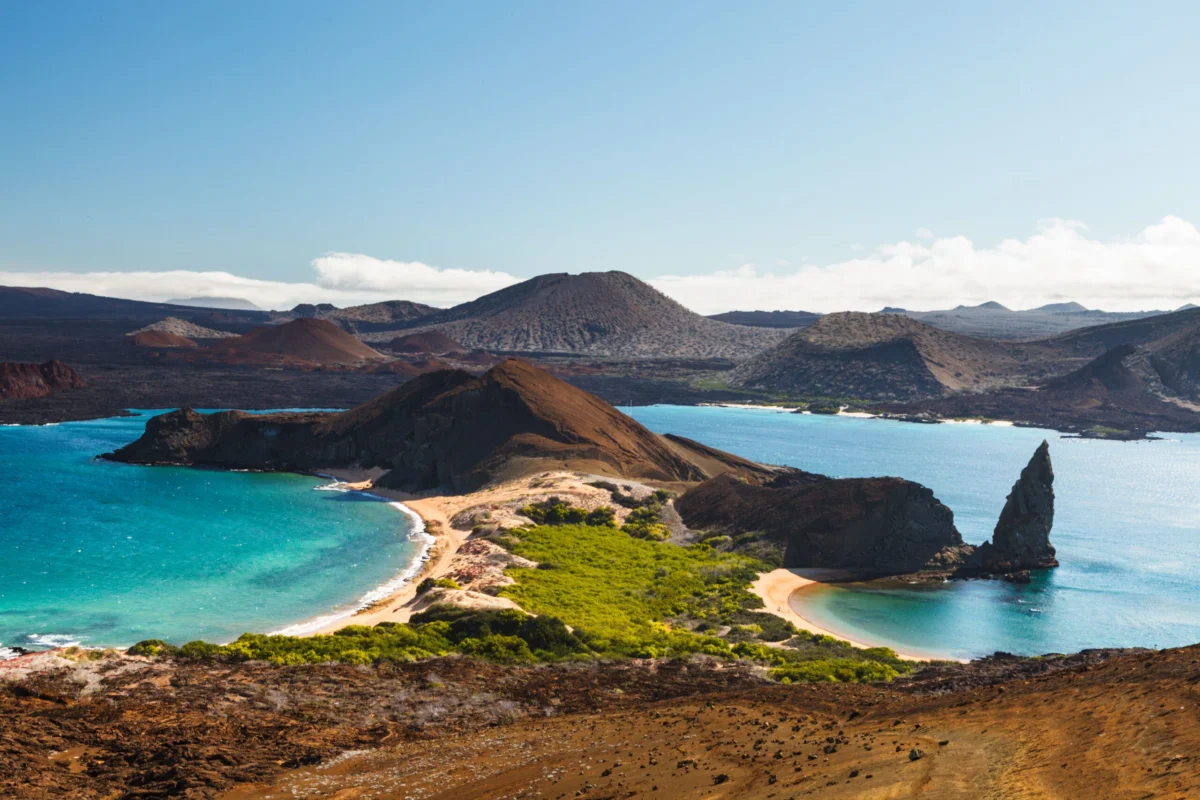
The world’s oceans, lakes, and seas are punctuated by approximately 11,000 inhabited islands, each serving as a unique microcosm of culture, geology, and ecological wonder. From the rugged, glacier-carved archipelagos of Scandinavia to the lush, volcanic chains of the Pacific, these landmasses represent the pinnacle of global tourism. For the modern traveler, an island is more than just a destination; it is an idyllic enclave where time slows, the relentless pace of modern life fades, and the stressors of the mainland are left behind.
According to the discerning readers of Condé Nast Traveler, who participate annually in the prestigious Readers’ Choice Awards, these 11 destinations stand out as the definitive "paradise" experiences. Whether you are seeking to sunbathe on pristine sands, snorkel through vibrant coral ecosystems, witness the migration of giants, or conquer mountain trails, this curated list offers a map for every month of the year.
1. Crete, Greece: A Mediterranean Masterpiece
Crete is a land where history, mythology, and the modern Mediterranean lifestyle collide. As the largest island in Greece, it is defined by its vast olive groves, craggy mountains, and the deep blue of the Aegean.

The Cretan Lifestyle
Voted the top island in Europe by our readers, Crete is best experienced through its slower pace. In villages like Kissamos, travelers can find the essence of the "Cretan diet"—a world-renowned culinary tradition emphasizing fresh seafood, local produce, and the famous mezedes. Whether you are free-diving off the coast or hiking through the island’s dramatic gorges, the sense of heritage is palpable.
Essential Experiences
- Balos Lagoon: Accessible via ferry, this lagoon offers shallow, turquoise waters perfect for wading.
- Falassarna: Famous for its unique pink-flecked sands and breathtaking sunsets.
- Access: Travelers typically connect through Athens, though seasonal ferry routes from Santorini and year-round links from Piraeus provide a scenic alternative.
2. Cape Breton, Canada: The North Atlantic Gem
For those who prefer a dramatic, rugged coastline over tropical heat, Cape Breton in Nova Scotia is unparalleled. Voted the best Canadian island, it is a sanctuary for nature lovers and road-trip enthusiasts.
The Cabot Trail
The island’s centerpiece is the 185-mile Cabot Trail. Circling the Cape Breton Highlands National Park, this loop offers some of the most spectacular coastal vistas in North America. The four-mile Skyline Trail is a highlight, rewarding hikers with sweeping cliffside views of the Gulf of St. Lawrence.

Seasonal Timing
October is the optimal time to visit for the spectacular fall foliage, while the early summer months provide the best opportunities for whale-watching expeditions. Accessibility is straightforward, with flights into Sydney or a drive via the Trans-Canada Highway 104.
3. The Galápagos Islands, Ecuador: A Living Laboratory
The Galápagos remain the world’s gold standard for eco-tourism. Located 600 miles off the Ecuadorian coast, this archipelago of 13 major islands is a UNESCO World Heritage site where 97% of the land is protected.
Biodiversity and Conservation
The islands are famous for their unique wildlife, which has evolved in relative isolation. Visitors can snorkel with sea lions, observe the courtship rituals of blue-footed boobies, and encounter giant tortoises.

Travel Logistics
To protect this fragile environment, the islands are best explored via eco-cruises, such as the National Geographic Islander II. Alternatively, travelers can base themselves on Santa Cruz or Isabela, accessed via flights from Quito or Guayaquil.
4. Hilton Head Island, South Carolina: Low-Country Luxury
Hilton Head has solidified its reputation as the premier island destination in the United States. While internationally renowned for its world-class golf courses, the island offers a deep connection to nature.
Ecological Preservation
The Sea Pines Nature Preserve features 600 acres of wetland boardwalks, while the Pinckney Island National Wildlife Refuge provides a habitat for egrets, herons, and other migratory birds. Beyond the bustling activity of Coligny Beach, visitors can find tranquility at Alder Lane, where the water stays warm well into October.

5. Bermuda: The North Atlantic Oasis
Bermuda is frequently cited as the most accessible island getaway for East Coast travelers. Despite its northern latitude, the island boasts a sub-tropical climate, famous pink-sand beaches like Horseshoe Bay, and a sophisticated culinary scene.
Underwater Heritage
With a massive concentration of reefs and historical shipwrecks, Bermuda is a premier diving destination. Culinary travelers should not miss the local wahoo ceviche or traditional fish chowder. For those interested in marine life, March and April are ideal for spotting migrating humpback whales.
6. Fiji: The South Pacific Archipelago
Fiji’s 300-plus islands offer a diverse range of experiences, from luxury resorts to world-class surfing. Voted the best in the South Pacific, the island nation is a haven for those looking to "island hop."

Island Categories
- Mamanuca Islands: The destination for surfers and beach lovers.
- Yasawa Islands: Characterized by rolling, grassy hills and secluded coves.
- Viti Levu: The main island, home to Nadi International Airport and the cultural heart of the nation.
7. Phú Quốc, Vietnam: Asia’s Rising Star
Phú Quốc has emerged as the premier island in Asia, prized for its pristine white-sand beaches like Bai Sao and its vibrant, untouched coral reefs.
Inland Adventures
Beyond the beach, the island offers a deep look into Vietnamese agriculture. A visit to the island’s vast black pepper plantations provides a unique perspective on the local economy. The Sun World Hon Thom cable car offers a bird’s-eye view of the archipelago, making it a must-do for any itinerary.
8. Santa Catalina Island, California: The West Coast Escape
Santa Catalina is a short boat ride from Los Angeles, yet it feels like a different world. As the top island in the Western U.S., it is defined by its Mediterranean climate and sailboat-filled bays.

Avalon and Beyond
Avalon Bay serves as the hub of activity, offering dining and shopping, while Mount Orizaba provides a challenge for those seeking panoramic views of the Pacific. With year-round temperatures between 50 and 70 degrees, it remains a favorite for weekend escapes.
9. Andaman Islands, India: A Bay of Bengal Treasure
The Andaman Islands, comprising over 200 islands, represent the best of the Indian Ocean. Havelock Island is the primary destination, home to the stunning Radhanager Beach.
Bioluminescent Wonders
One of the most unique experiences in the Andamans is kayaking through mangrove forests at night to witness bioluminescence—a natural phenomenon where the water glows with the movement of plankton.

10. The Maldives: An Indian Ocean Sanctuary
Voted the top island destination in Africa and the Indian Ocean, the Maldives is synonymous with luxury. The Baa Atoll, a UNESCO-protected biosphere, is home to a staggering array of coral reefs.
The Resort Experience
The Maldives is unique for its private-island resorts, many featuring iconic over-water bungalows. Whether you are swimming with manta rays or enjoying the high visibility of the water, the Maldives offers a level of seclusion that is increasingly rare.
11. Isla Mujeres, Mexico: The Diver’s Paradise
Located just 20 minutes by ferry from Cancún, Isla Mujeres is a favorite for those who prioritize water activities.

MUSA and Whale Sharks
The island is famous for the Musa underwater museum, where art meets marine biology. Furthermore, its waters host one of the world’s largest concentrations of whale sharks, making it a bucket-list destination for marine enthusiasts.
Supporting Data and Implications
The popularity of these islands is not merely a trend but a reflection of a growing global desire for "nature-first" travel. According to tourism impact studies, island economies are increasingly pivoting toward sustainable tourism to preserve the very beauty that draws visitors.
Economic and Environmental Implications
- Conservation: Destinations like the Galápagos and the Maldives are leading the charge in limiting daily visitor numbers to protect ecosystems.
- Climate Resilience: Many of these islands are on the front lines of climate change. The rise in "eco-tourism" ensures that local communities are incentivized to protect coral reefs and forest cover, which act as natural barriers against storms.
- Connectivity: The expansion of regional airports and high-speed ferry routes continues to reduce the "friction" of island travel, making once-remote locations accessible to a broader demographic.
Looking Ahead: The 2026 Outlook
As we look toward the 2026 Readers’ Choice Awards, the industry is shifting toward "slow travel." Travelers are moving away from multi-stop itineraries in favor of deep-dives into specific island cultures. The consensus from our readers remains clear: the best islands are not those with the most amenities, but those that offer an authentic, immersive connection to the natural world. Stay tuned to Condé Nast Traveler in October for the full 2026 results and further insights into the world’s evolving paradise landscapes.
 Asro
Asro
 Siti Muinah
