

The gaming industry is currently witnessing one of the most volatile periods in the history of Microsoft’s gaming division. Following a series of high-level executive departures, a string of controversial policy shifts, and an unsettling wave of studio uncertainty, the company formerly known as Microsoft Gaming—now rebranded simply as the all-caps "XBOX"—finds itself in a state of profound transition.
As of late June 2026, the brand is attempting to pivot away from the pandemic-era expansion that defined its recent past, opting instead for a leaner, more aggressive, and arguably more volatile "reset." This report breaks down the factors behind this shift, the timeline of the current crisis, and what it means for the future of the Xbox ecosystem.
The Catalyst: A Leadership Vacuum and a New Direction
The turmoil began in February 2026 with a seismic shift in corporate leadership. Longtime CEO Phil Spencer, the face of the Xbox brand for over a decade, abruptly departed the company. His exit, followed closely by the departure of Sarah Bond, left a massive void in the organization’s strategic vision.
Stepping into the breach were incoming CEO Asha Sharma and Chief Content Officer Matt Booty. Inheriting a brand that had arguably lost its way, the duo moved with lightning speed to dismantle the status quo. Their early moves were designed to signal a "return to basics." They discarded the nebulous "This is an Xbox" marketing campaign, adjusted pricing structures for Xbox Game Pass following a disastrous 50% price hike, and refocused on hardware development through the nascent "Project Helix" initiative.

However, the promise of stability was short-lived. By mid-June, the narrative of a "fresh start" had been eclipsed by the reality of corporate austerity.
Chronology of the 2026 Reset
The following timeline tracks the rapid deterioration of morale and stability within the Xbox ecosystem over the last several weeks:
- June 7, 2026: Xbox hosts a high-energy summer showcase. The event is a success, featuring major titles and a hardware giveaway that suggests a company firing on all cylinders.
- June 10, 2026: Bloomberg reports massive impending layoffs. Sharma and Booty issue an "Xbox Reset" memo on the official Xbox Wire, citing revenue stagnation and unsustainable hardware costs.
- June 15, 2026: Reports emerge identifying several prestigious studios—including Compulsion Games, Double Fine, and Ninja Theory—as being at risk of closure.
- June 29, 2026: Third-party developers report that their ongoing negotiations for Game Pass deals have been abruptly frozen. Simultaneously, advertisements for Modern Warfare 4 clarify that the title will not be available on Game Pass, marking a shift in value proposition.
- June 30, 2026: IO Interactive confirms that its partnership with Xbox for Project Fantasy has been severed. On the same day, rumors intensify that Arkane Studios, the developer behind Marvel’s Blade, may be facing shutdown.
Supporting Data: Why the "Reset" is Happening
The current climate at Xbox is driven by three primary financial pressures: the "hangover" of pandemic-era over-expansion, the high cost of hardware manufacturing, and the plateauing growth of subscription models.
During the global lockdowns of 2020–2022, Microsoft, like much of the tech sector, invested heavily in headcount and studio acquisitions. As consumer habits normalized, the revenue required to sustain that level of output failed to materialize. The "Xbox Reset," as described by Sharma, is an admission that the previous strategy of "growth at any cost" is no longer viable in the current economic climate.

Furthermore, the hardware division has become a significant liability. While Microsoft has pledged that new high-end hardware (Project Helix) is in development, the manufacturing costs associated with next-generation consoles have surged. By tightening the belt on software acquisition and studio support, the company is attempting to safeguard its ability to produce the next iteration of the Xbox console.
The Human and Creative Cost
The most severe impact of this reset is being felt by the creative teams that have defined the brand’s identity. The potential closure of legacy studios like Double Fine and the threatened status of Arkane Studios have sent shockwaves through the industry.
The Blade Conundrum
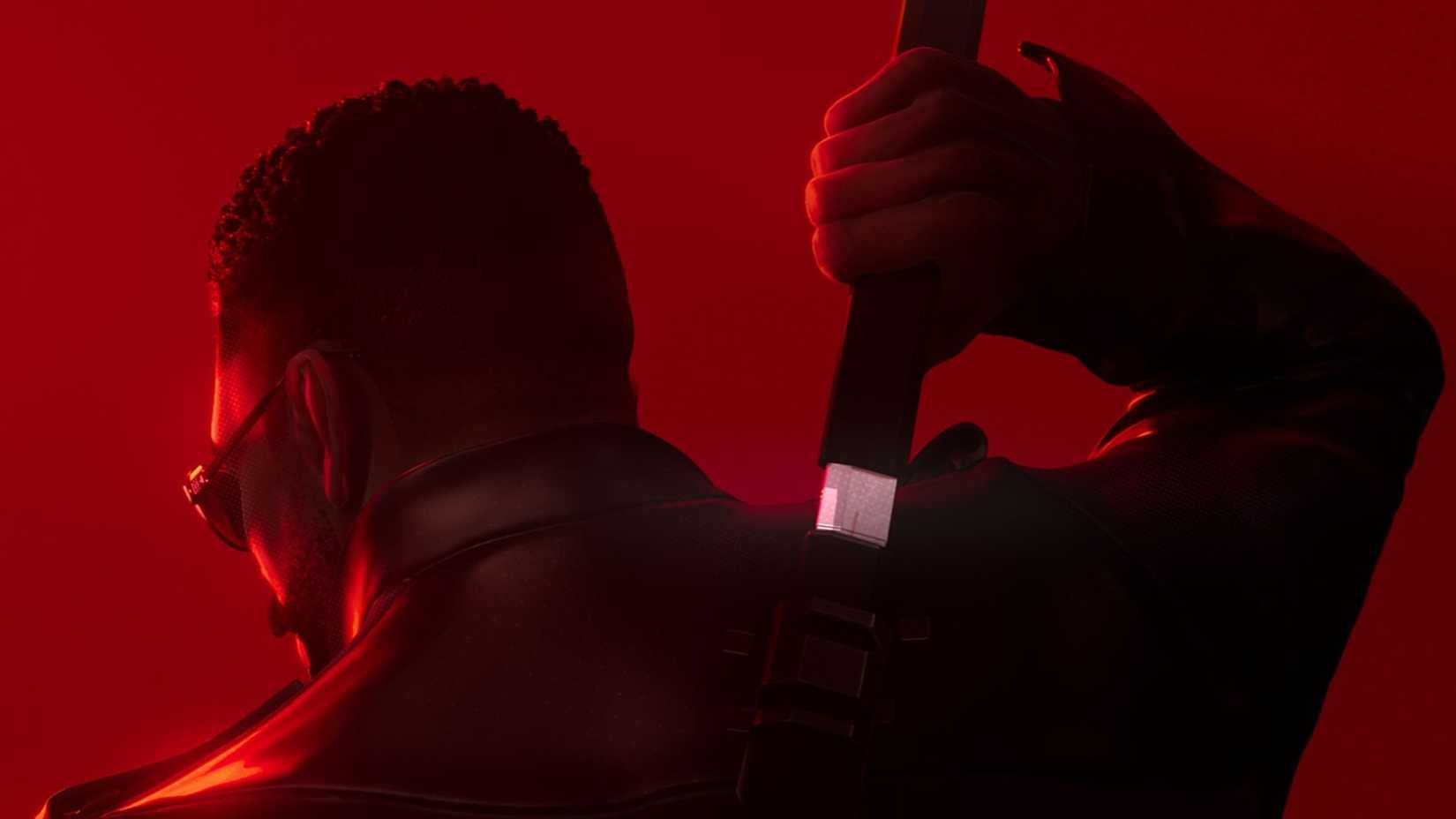
Marvel’s Blade has become the face of this uncertainty. Originally slated for a 2026 release, the project is now reportedly pushed to late 2027. If Arkane Studios is shuttered, the project faces either cancellation or a messy transition to a different development team. For fans of Arkane’s signature immersive sim style, this represents a potential loss of one of the industry’s most unique creative voices.
The Third-Party Freeze
Perhaps the most damaging development for the long-term health of the Game Pass ecosystem is the reported "pause" in third-party negotiations. Consultant Fernando Rizo’s comments suggest that Xbox is reevaluating which games are worth the investment for their subscription library. By pulling back from these deals, Xbox risks thinning the value of Game Pass, which was previously the primary driver of the platform’s success.
Official Responses and Corporate Strategy
In their June 10 "100-day reset" announcement, Sharma and Booty attempted to frame the cuts as a necessary evolution rather than a failure. The messaging focused on "operational efficiency" and "long-term sustainability."
However, the disconnect between the upbeat messaging of the June 7 Showcase and the somber reality of the June 10 layoff announcement has severely damaged trust with the player base. The rebrand to the all-caps "XBOX" has also been met with derision, with critics viewing it as a superficial attempt to project strength during a period of institutional weakness.
Implications for the Future
What does this mean for the future of the Xbox brand?
- Prioritization of "Prestige" Franchises: The shift toward fast-tracking The Elder Scrolls 6 and new Fallout entries indicates that Microsoft is moving away from experimental or mid-tier projects in favor of "guaranteed" blockbusters.
- The End of the "Netflix for Games" Era: The exclusion of Call of Duty from Game Pass and the freeze on third-party deals suggests that Xbox is moving toward a hybrid model. They are likely looking to move away from the "all-you-can-eat" subscription model that eats into per-unit sales, particularly for massive AAA releases.
- Hardware-Centric Focus: By cutting software costs, Microsoft is clearly signaling that their priority is the next generation of hardware. They are betting that if they can survive this period of austerity, they can re-enter the market with a dominant piece of tech.
The coming months will be critical. If the "100-day reset" does not yield a clear, stabilized roadmap, the brand faces the risk of a downward spiral. For now, the "Team Green" faithful are left waiting, hoping that the current turbulence is a precursor to a stronger, more disciplined organization rather than the beginning of a long, slow exit from the console market.
 Nana Muazin
 Layla Zulfa
 Basiran
