

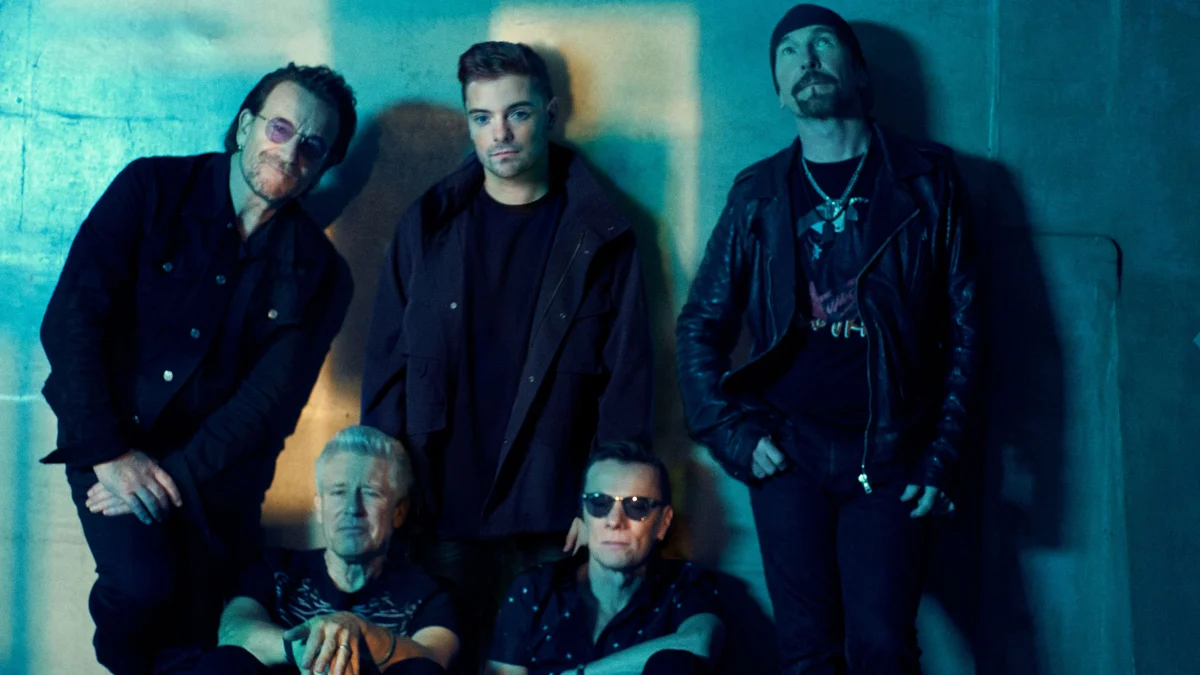
In an unexpected convergence of stadium-rock grandeur and modern electronic precision, Irish icons U2 and Dutch EDM powerhouse Martin Garrix have unveiled their latest collaboration, “Fireflies.” The track, which dropped this week to immediate acclaim, marks a significant moment in the evolution of both acts, signaling a fresh, genre-defying direction for U2 as they prepare for a highly anticipated full-length studio album later this year.
The Convergence of Two Musical Worlds
“Fireflies” is not merely a remix or a guest appearance; it is a meticulously crafted synthesis of two distinct sonic philosophies. On one hand, you have the unmistakable, atmospheric guitar textures of The Edge and the soaring, poetic delivery of Bono—elements that have defined the rock landscape for over four decades. On the other, you have the propulsive, high-energy production of Martin Garrix, a DJ and producer who has mastered the art of the modern electronic festival anthem.
The track succeeds by allowing both forces to exist in harmony rather than competition. Garrix provides a rhythmic backbone that pushes the song into a contemporary pop space, yet the DNA of the track remains quintessentially U2. When Bono sings, “You and I are Fireflies / Born for the summer skies / The light that’s in each other’s eyes / Fireflies,” the lyrics carry the weight of a classic U2 spiritual ballad, bolstered by the pulsating energy of a dance floor masterpiece. It is a song designed for both the intimate listening experience and the expansive acoustics of a global festival stage.
A Chronology of Collaboration: Building the Bridge
While “Fireflies” represents the first time all four members of U2 have worked collectively with Garrix, the bridge between the Dublin legends and the Dutch DJ has been under construction for several years.
The UEFA Roots (2019)
The partnership traces its origins back to 2019, when Garrix collaborated with Bono and The Edge on “We Are The People.” That track, which served as the official theme for the UEFA European Football Championship, proved that the chemistry between the veteran rock stars and the young electronic prodigy was more than just a fleeting industry experiment. The success of “We Are The People” laid the groundwork for a more intimate creative relationship.
The 2026 EP Run
The year 2026 has been a period of intense creative output for U2, characterized by a series of shorter, focused releases rather than a traditional, slow-burn album rollout. In February, the band released the EP Days of Ash, which explored darker, more introspective themes. This was quickly followed in April by Easter Lily, an EP that saw the band experimenting with new textures. It was on Easter Lily that the partnership with Garrix deepened, as he took on production duties for the track “Scars.”
The Tomorrowland Reveal
The anticipation for “Fireflies” reached a fever pitch on July 17th, when Garrix made a surprise appearance at the legendary Tomorrowland festival. During his set, he brought The Edge on stage, a moment that sent shockwaves through the crowd and dominated social media for days. The performance served as a live beta-test for the song, confirming that the electronic-rock hybrid was perfectly suited for the massive, open-air environments that define both the EDM circuit and U2’s stadium tours.
Supporting Data: U2’s Modern Renaissance
To understand the weight of this collaboration, one must look at the band’s trajectory since their last full-length studio album, 2017’s Songs of Experience. After years of touring and high-profile residencies, the band has clearly shifted their focus toward innovation.
The data surrounding their 2026 output reveals a deliberate strategy of digital-first engagement. By releasing multiple EPs and standalone singles like the early-July anthem “Street of Dreams,” U2 is actively avoiding the "legacy act" label. By integrating with artists like Garrix, they are ensuring their sound remains relevant to a younger demographic that consumes music through algorithmic discovery and high-energy playlisting.
Furthermore, the streaming metrics for their 2026 releases suggest that their strategy is working. Both Days of Ash and Easter Lily saw higher engagement rates from listeners aged 18–25 compared to the band’s previous three releases. The addition of a high-tier collaborator like Garrix—who commands a massive global following—is a tactical masterstroke to maintain this momentum heading into the release of their upcoming full-length LP.
Official Responses and Creative Vision
In recent press statements, the synergy between the two parties has been highlighted as a mutual learning experience. Martin Garrix has frequently cited U2 as a foundational influence on his own understanding of melody and composition.
"Working with U2 isn’t just about putting a beat behind a guitar riff," Garrix noted in a recent interview. "It’s about understanding the space they leave for the listener. Bono’s voice has a texture that requires you to be very careful with the layers you add. With ‘Fireflies,’ we wanted to capture that feeling of being in a massive crowd at sunset—that moment of collective euphoria."
U2, for their part, has embraced the opportunity to relinquish some control over their traditional sound. The Edge, who has long been the primary architect of the "U2 sound," has spoken openly about the excitement of hearing his riffs processed through the lens of modern EDM production. "It’s a different kind of alchemy," he noted. "We’ve always been interested in how our music translates to different environments. Martin’s ears are tuned to a frequency that makes our sound feel like it’s vibrating on a completely different level."
Implications for the Industry and the Future of U2
The release of “Fireflies” carries significant implications for the music industry at large. It represents a "prestige crossover," a trend where legacy artists seek to refresh their brand identity through strategic alliances with electronic producers rather than relying on traditional remix culture.
1. Breaking the Genre Barrier
For decades, the divide between "serious" rock and "pop" electronic music was treated as a chasm. By consistently working with artists like Garrix, U2 is helping to dissolve these barriers, suggesting that the future of rock music may not lie in a return to analog roots, but in the intelligent integration of digital textures.
2. The New Model of Album Rollouts
U2’s 2026 strategy—using EPs and high-profile collaborative singles to bridge the gap between major albums—is becoming the industry standard. It keeps the artist in the cultural conversation throughout the year, preventing the "radio silence" that often accompanies the multi-year production cycles of legacy acts.
3. A Precursor to the LP
As the world waits for the as-yet-untitled full-length album, “Fireflies” provides a vital clue as to what the band has in store. If the rest of the album follows the trajectory set by “Street of Dreams” and “Fireflies,” fans can expect a record that is as much a sonic experiment as it is a collection of stadium-ready anthems.
The track serves as a bridge, connecting the band’s history with their future. It honors the anthemic spirit of The Joshua Tree while embracing the forward-thinking production of the mid-2020s. Whether this collaboration becomes the definitive sound of the summer remains to be seen, but one thing is certain: U2 is not content with resting on their laurels. They are in the midst of a creative rejuvenation, and with Martin Garrix by their side, they have found the spark required to set the world on fire once again.
As we look toward the final months of 2026, the collaboration stands as a testament to the band’s enduring curiosity. It is a reminder that even after four decades, the most effective way to stay relevant is to keep evolving, keep collaborating, and—most importantly—keep chasing the fireflies.
 Asro
Asro
 Lina Irawan
 rifanmuazin
