


Hair thinning can be an unsettling discovery. For some, it creeps up gradually—perhaps evidenced by an increasing accumulation of strands woven into shower walls or widening parts captured in morning mirrors. For others, it arrives abruptly, triggering immediate anxiety over shifting hairlines.
Regardless of how or when it is noticed, hair thinning is a common medical and cosmetic concern that experts emphasize can be managed, treated, and often reversed. Addressing the issue effectively starts with understanding its biological root causes, consulting qualified professionals, and adopting evidence-based routines that support long-term hair and scalp health.
1. Main Facts: The Anatomy of Hair Thinning and Expert Insights
To effectively combat hair thinning, one must first understand what is happening beneath the scalp’s surface. According to leading dermatologists and trichologists, hair loss is rarely caused by a single factor. Instead, it is typically the result of an intricate interplay between genetics, hormones, lifestyle, and scalp health.
The Medical Experts
- Dr. Michael Tassavor, MD, FAAD: A board-certified dermatologist at MDCS Dermatology who specializes in skin, hair, and nail disorders.
- Dr. Morgana Colombo, MD, FAAD: A board-certified dermatologist at Integrated Dermatology of Reston, specializing in clinical and aesthetic dermatology.
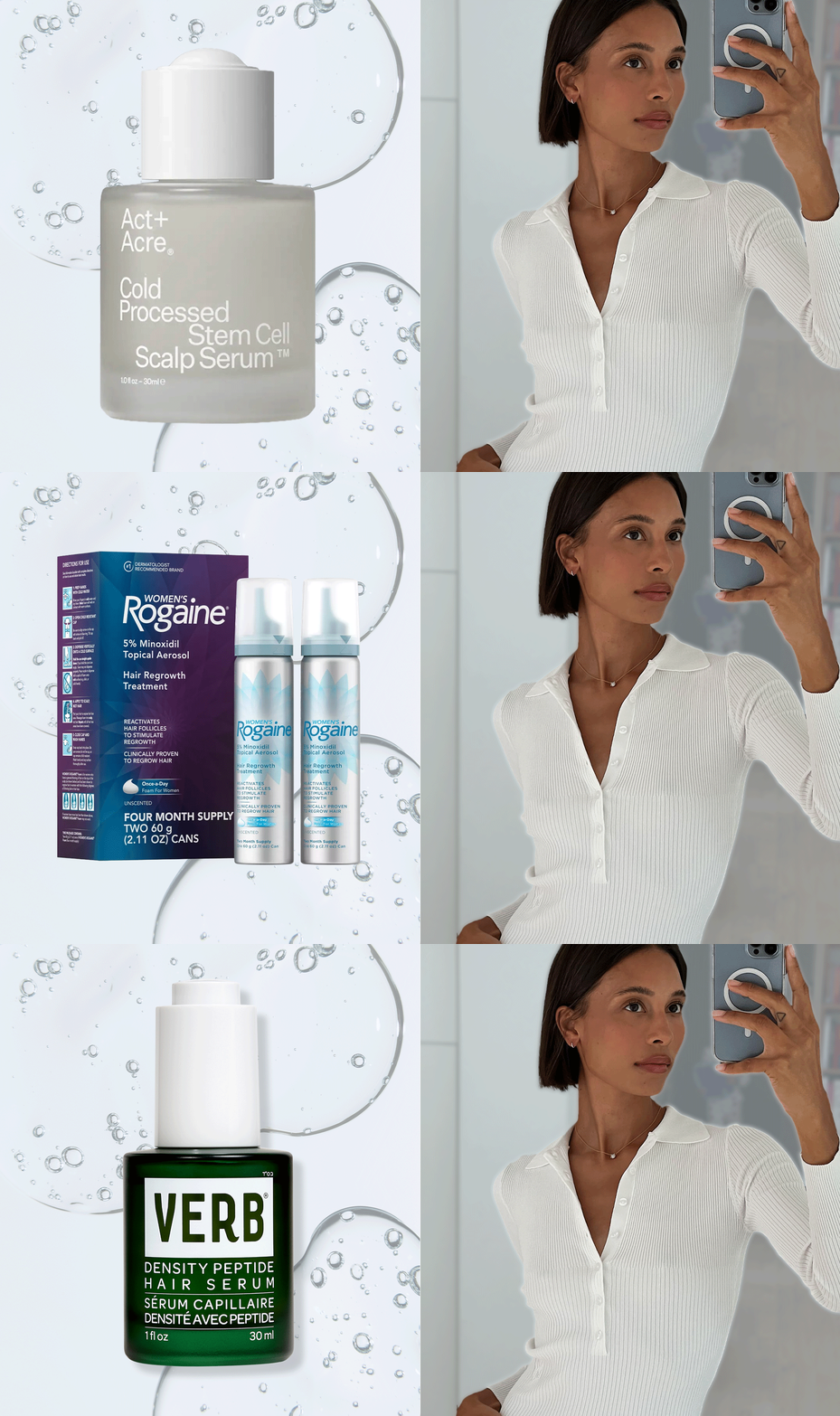
- Helen Reavey: A celebrity trichologist, hairstylist, and founder of Act+Acre, who approaches hair wellness through a holistic lens focused heavily on the scalp microbiome.
Primary Drivers of Hair Thinning
Medical professionals categorize hair loss into several distinct diagnoses:
- Androgenetic Alopecia (Hereditary Thinning): The most common form of hair loss, driven by genetics and hormones. Dr. Tassavor notes that this condition affects approximately half of all women over the course of their lifetime.
- Telogen Effluvium (Stress-Induced Shedding): Triggered by systemic shocks such as severe illness, childbirth, thyroid imbalances, rapid weight loss, nutritional deficiencies, major surgery, or psychological stress. This type of shedding typically manifests two to three months after the triggering event.
- Alopecia Areata: An autoimmune condition where the immune system mistakenly attacks hair follicles, resulting in patchy hair loss.
- Traction Alopecia: Shedding caused by chronic mechanical tension on the hair follicles from tight hairstyles, buns, or extensions. Fortunately, this form of hair loss is largely preventable.
- Scarring (Cicatricial) Alopecia: A more severe group of conditions where inflammation destroys the hair follicle permanently. Because this loss is irreversible, early diagnosis by a dermatologist is critical.
2. Chronology: The Timeline of Hair Loss and Regrowth
Hair growth is governed by a slow biological cycle consisting of three primary phases: the growth phase (anagen), the transition phase (catagen), and the resting/shedding phase (telogen). Because of this sluggish natural rhythm, patients must temper their expectations regarding overnight transformations.
Seasonal Shedding: A Natural Phenomenon
Many individuals report heightened hair fall during specific times of the year, particularly in the late summer and autumn months. Experts confirm that this is not a figment of imagination.
- The Evolutionary Rhythm: Dr. Tassavor explains that seasonal shedding is a leftover mammalian rhythm. A higher volume of hair follicles enters the resting phase during the summer months and subsequently sheds a few months later in the fall.
- When to Worry: While seasonal fluctuations are normal and temporary, persistent, excessive shedding warrants a medical evaluation to rule out underlying systemic triggers.
The Regrowth Timeline: What to Expect
For those embarking on a treatment regimen—whether utilizing FDA-approved medications or specialized scalp serums—patience is mandatory.
- Months 1 to 2 (The Shedding Phase): When beginning treatments like topical minoxidil, patients frequently experience a temporary increase in shedding. While alarming, medical experts emphasize that this is actually a positive sign, indicating that dormant follicles are being forced out to transition into a new, active growth cycle.
- Months 3 to 6 (Initial Visible Changes): Clinical studies and dermatological observations indicate that meaningful differences in density typically begin to show around the three-to-six-month mark.
- Months 6 to 12 (Peak Density and Maintenance): Full visible changes in hair density usually require six to twelve months of unbroken, daily consistency. Furthermore, treatments like minoxidil are lifelong commitments; halting use generally causes the resumed progression of thinning within a matter of months.
3. Supporting Data: Clinical Efficacy of Targeted Treatments
Navigating the crowded marketplace of hair growth products can be overwhelming. Dermatologists draw a sharp line between products that merely alter the appearance of the hair shaft and those that biologically impact the hair follicle.
The Gold Standard: Minoxidil
- Mechanism: Minoxidil is an FDA-approved over-the-counter medication that prolongs the anagen (growth) phase of the hair cycle and enlarges miniaturized follicles.
- Efficacy: Controlled clinical trials show that over half of women experience measurable hair regrowth with consistent application. Dr. Tassavor notes that minoxidil stands in "a different league" compared to other topicals due to its robust clinical backing.
Scalp Serums and Botanicals
While non-minoxidil treatments may not alter genetic or hormonal hair loss pathways, they play a crucial role in optimizing the scalp environment.
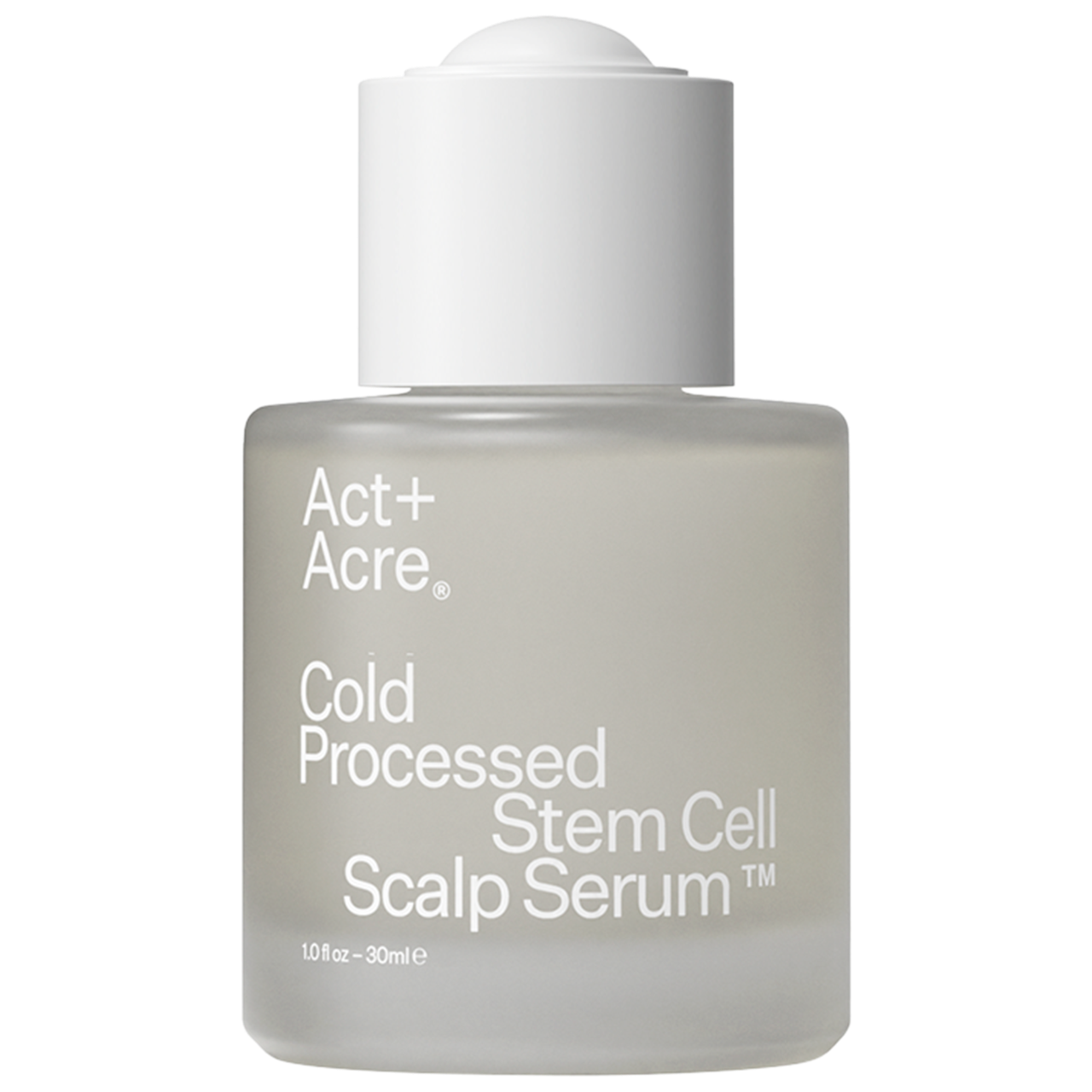
- Clinical Trials on Botanicals: For instance, third-party clinical trials on formulations containing Apple Stem Cell Complexes, pea extracts, and aloe vera (such as the Act+Acre Stem Cell Scalp Serum) have demonstrated up to a 56% reduction in visible hair fallout and significant improvements in scalp coverage over a 12-week period.
- Peptides and Growth Factors: Formulas utilizing multi-peptides, caffeine, ginseng root, and niacinamide (such as those from The Ordinary, Verb, Vegamour, and Nutrafol) help anchor hair at the root, reduce breakage, and stimulate microcirculation in the scalp.
4. Official Recommendations: Derm-Approved Product Guide
Based on clinical research, expert consensus, and rigorous editorial testing, the following products represent the leading evidence-backed solutions for thinning hair:
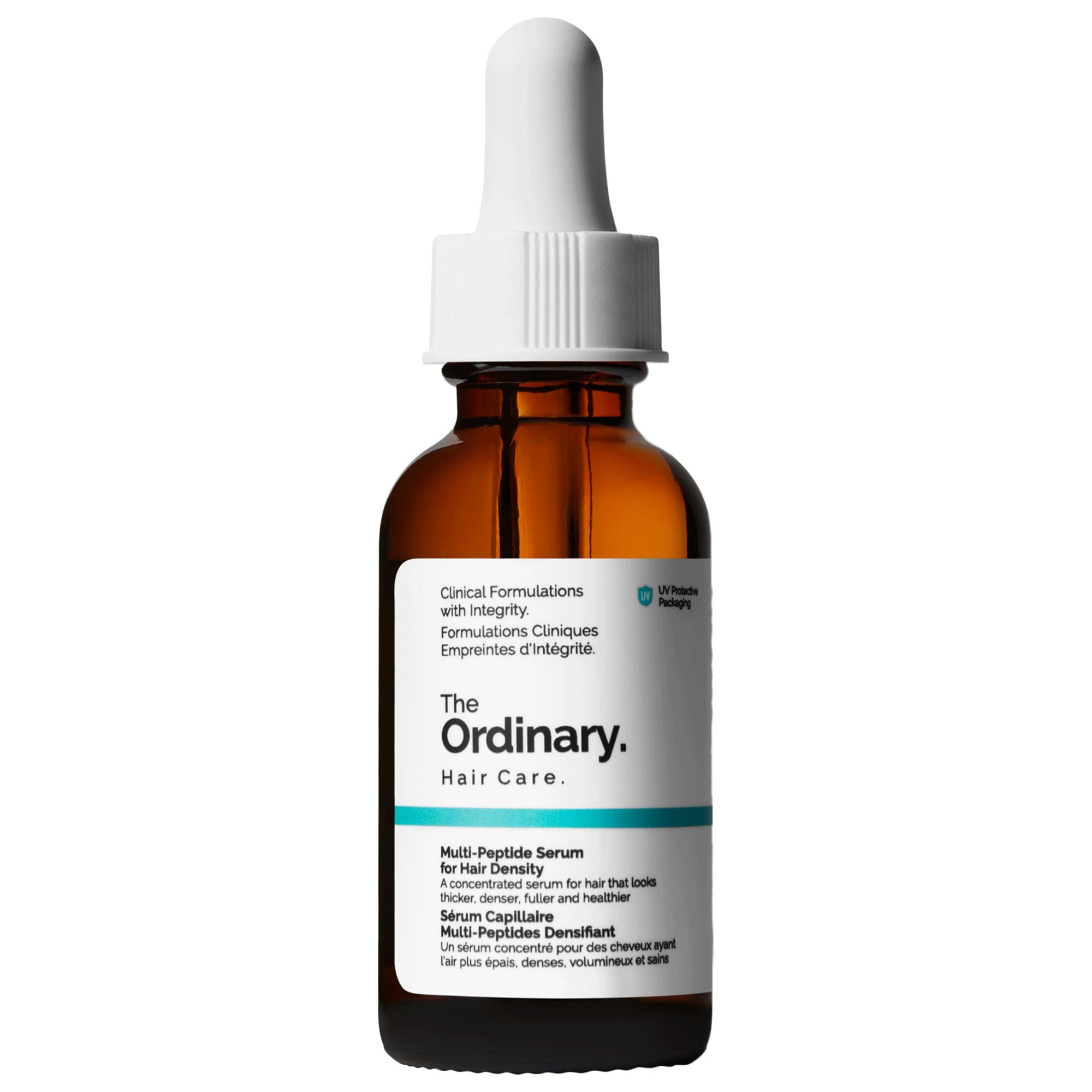
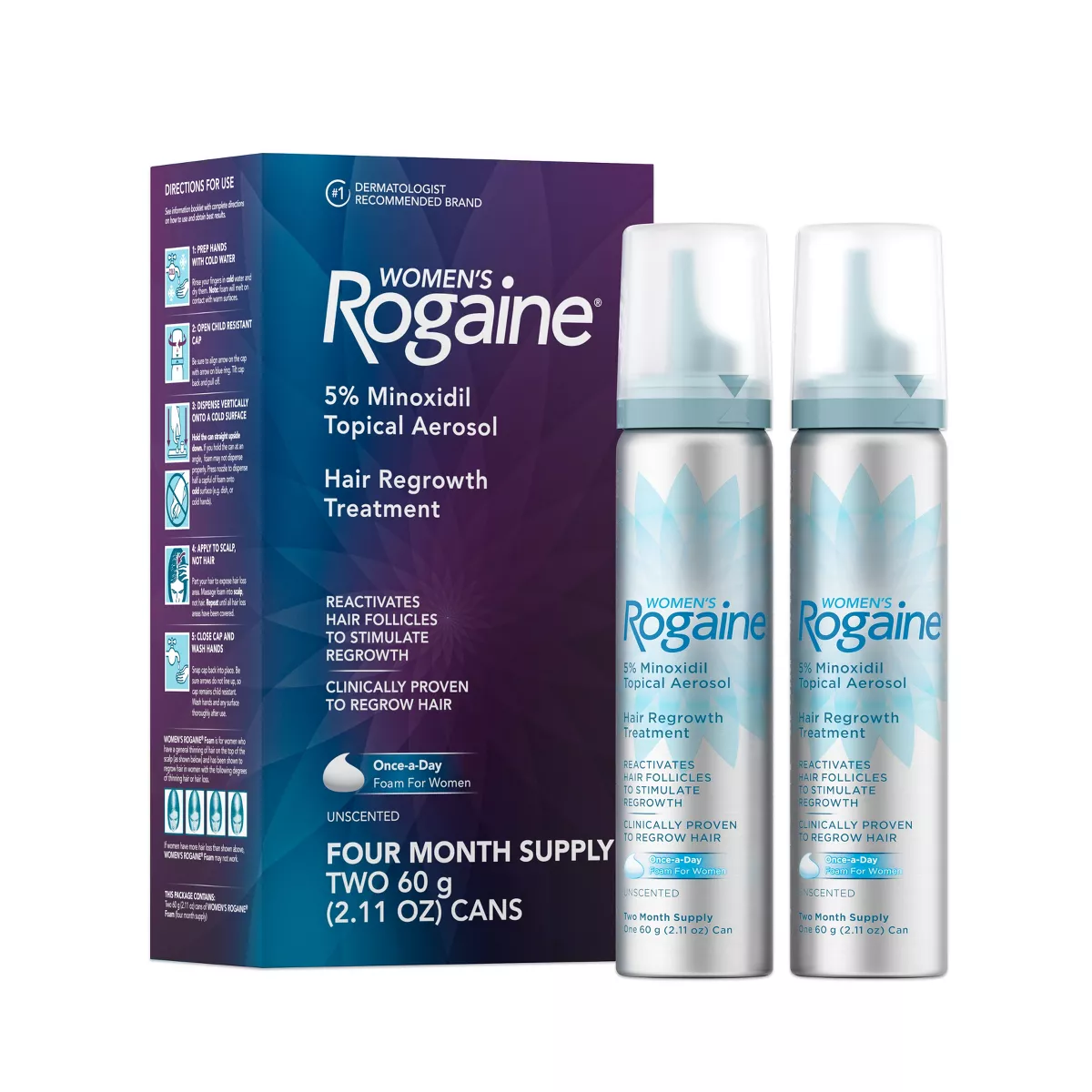
- Rogaine 5% Minoxidil Foam for Women: The definitive first-line, FDA-approved OTC topical treatment clinically proven to reactivate hair follicles and stimulate regrowth.
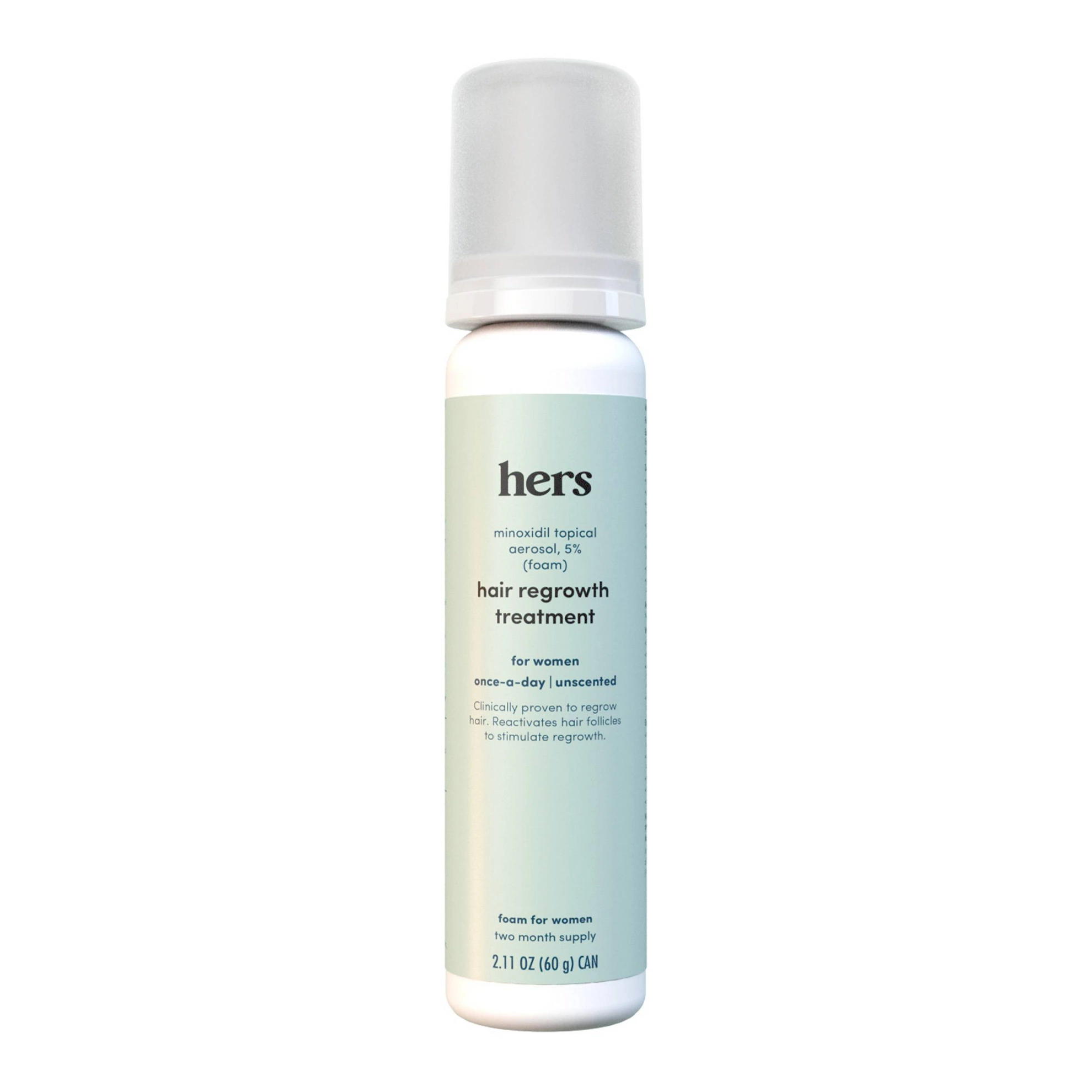
- Hers Hair Regrowth Foam Treatment (5% Minoxidil): A fast-absorbing, lightweight foam designed to deliver minoxidil directly to the scalp without leaving sticky residues or weighing down the hair.
- Act+Acre 2% Stem Cell Scalp Serum: A nourishing, leave-in treatment featuring an Apple Stem Cell Complex that clinical studies show reduces visible hair fallout by 56% over 12 weeks.
- Verb Density Peptide Scalp Serum: A multi-award-winning formula utilizing a proprietary density complex, niacinamide, and ginseng root extract to visibly increase fullness and reduce breakage.
- Vegamour Gro Hair Serum: Powered by a botanical blend of turmeric, red clover, and mung bean extract, this serum is praised by beauty editors for reviving baby hairs and boosting density within 90 days.
- Nutrafol Lightweight Scalp Serum: Formulated with Ashwagandha exosomes and Irish moss peptides to protect against root-level thinning and support voluminous growth.
- Nizoral Anti-Dandruff Shampoo (Ketoconazole 1%): Beyond clearing flakes, clinical literature indicates that ketoconazole possesses anti-androgenic properties that assist in managing hair thinning linked to Androgenetic Alopecia.
5. Implications: Navigating Hair Thinning Holistically
The journey of addressing hair thinning extends far beyond selecting a topical serum or popping a vitamin. The implications of hair loss are deeply psychological, often affecting self-esteem, confidence, and emotional well-being.
Dermatologists and trichologists advocate for a holistic approach to hair restoration:
- Professional Diagnosis First: Attempting to self-diagnose hair loss can lead to wasted time and money. Visiting a board-certified dermatologist ensures that irreversible conditions like scarring alopecias are caught early, and systemic issues (such as iron deficiency or thyroid dysfunction) are properly addressed through blood work.
- Lifestyle and Nutrition: Hair is a non-essential tissue, meaning the body will divert nutrients to vital organs during periods of stress or poor nutrition. Ensuring adequate protein intake, iron levels, and stress management are foundational pillars of any hair growth journey.
- Patience and Routine: Because hair grows at an average rate of just half an inch per month, consistency is the ultimate determining factor in success. Treating the scalp with the same intentional care given to facial skin will yield the most resilient, healthy, and voluminous results over time.
 Raul Delapena Setiawan
 Nana Muazin
 Laily UPN
