


By Maria Loreto
Published October 1, 2026
- Spoiler Warning: This article contains comprehensive plot spoilers for Verity, currently playing in theaters.
Directed by Michael Showalter and adapted from Colleen Hoover’s notoriously polarizing bestselling novel, Verity has officially arrived in theaters to divide and captivate audiences. Starring Anne Hathaway, Dakota Johnson, and Josh Hartnett, the Amazon MGM Studios psychological thriller leans heavily into atmospheric dread, shifting dynamics, and simmering sexual tension.
While the film keeps viewers on edge throughout its runtime with gasp-inducing turns, it reserves its most devastating blow for the final moments. This concluding revelation completely reframes the narrative, transforming what initially appears to be a twisted gothic romance into a chilling exploration of manipulation, domestic abuse, and misplaced trust.
Main Facts: The Setup of a Twisted Triangle
The narrative of Verity introduces audiences to Lowen Ashleigh (played by Dakota Johnson), a struggling, debt-ridden writer whose career is on life support. Her fortunes appear to change overnight when she is approached by Jeremy Crawford (Josh Hartnett), the grieving husband of famous thriller author Verity Crawford (Anne Hathaway).
Following a catastrophic car crash that left Verity paralyzed, non-communicative, and confined to her bed, the family is unable to complete Verity’s highly lucrative book contract. Jeremy offers Lowen a life-changing sum of money to step in and finish the remaining books in the series. The job comes with a unique and isolated living arrangement: Lowen must move into the Crawfords’ sprawling, remote mansion nestled in the deep woods of Vermont to sift through Verity’s extensive notes.
As Lowen immerses herself in the project, professional boundaries quickly dissolve. She and Jeremy grow increasingly intimate, eventually falling into a passionate romance. However, their burgeoning relationship is constantly overshadowed by the presence of Verity, who lies paralyzed and seemingly unresponsive just down the hall—a silent, brooding observer of the household’s unfolding affair.

Chronology of Events: From Discovery to Murder
The psychological architecture of the film begins to crumble when Lowen stumbles upon a hidden, unpublished manuscript locked away in Verity’s private office. Curious and desperate to understand the mastermind behind the books, Lowen begins to read. What she uncovers is not a draft for publication, but a graphic, unfiltered diary detailing Verity’s most depraved internal thoughts.
The Manuscript’s Dark Revelations
According to the text found by Lowen, Verity harbored a profound, chilling resentment toward motherhood. She felt no joy in raising her children, ultimately singling out her twin children, Harper and Crew, with visceral disdain.
The manuscript culminates in a truly sickening confession: Verity claims to have intentionally orchestrated the boating accident that ultimately resulted in her daughter Harper’s gruesome death. As Lowen reads further, the line between Verity’s fiction and reality blurs entirely. She becomes convinced that the woman living down the hall is a sociopathic monster.
Escalation and the Fatal Confrontation
Determined to confirm her suspicions about Verity’s true condition, Lowen places a baby monitor in Verity’s bedroom during the film’s tense third act. Her gamble pays off when she overhears Verity moving about her room, proving conclusively that the author has been faking the extent of her paralysis.
Armed with what she believes is undeniable proof of a cold-blooded killer hiding in plain sight, Lowen hands the manuscript over to Jeremy. Upon reading the harrowing confessions of his wife’s crimes against their children, Jeremy snaps. In a blinding, adrenaline-fueled rage, he attacks and kills Verity.
Rather than going to the authorities, Lowen immediately steps into the role of an accomplice. She meticulously instructs Jeremy on how to stage the scene to avoid police suspicion, helping him dispose of Verity’s body by sinking it deep into the Vermont lake.

A New Life and a Chilling Discovery
A year later, the dark cloud over the mansion appears to have lifted. Jeremy and Lowen are living together as a domestic unit, eagerly expecting their first child. The release of Lowen and Verity’s collaborative book is a runaway commercial success, bringing them wealth, fame, and a renewed sense of security. The couple prepares to pack up the Vermont estate and start entirely fresh elsewhere with Crew and their newborn.
However, as Lowen packs up the remaining items in Crew’s bedroom, her foot catches on a loose floorboard. Beneath it lies a hidden letter, written by Verity and addressed to her son.
The contents of the letter shatter everything Lowen and the audience thought they knew:
- The Manuscript: Verity reveals that the shocking diary entries were never real confessions. Instead, they were an exercise in "antagonistic journaling"—a creative technique she used to write from the perspective of a pure villain to craft the hyper-realistic antagonists of her best-selling novels. She never intended for anyone else to read it.
- The Truth About the Accident: The letter exposes Jeremy as an abusive, controlling monster. Verity explains that Jeremy had been systematically drugging her, which caused the car crash that nearly killed her and paralyzed her body.
- Faking Paralysis: Verity admits that she faked her paralysis not out of malice, but out of sheer terror. Trapped in her own broken body, she realized Jeremy was trying to kill her and was simply waiting for the precise moment she could gather her son and escape to safety.
Supporting Data and Production Insights
The cinematic adaptation of Verity leans heavily into the ambiguity that made Colleen Hoover’s original novel a viral sensation on BookTok. Director Michael Showalter utilizes tight framing, stark lighting contrasts, and meticulous sound design to keep the audience off-balance.
- Box Office and Streaming Impact: Released under the Amazon MGM Studios banner, Verity represents a major push into adult-oriented literary thrillers, capturing a massive built-in audience of millions of readers worldwide.
- The Casting Dynamic: The casting of Anne Hathaway as Verity, Dakota Johnson as Lowen, and Josh Hartnett as Jeremy provides a masterclass in misdirection. Hathaway’s ethereal yet chilling screen presence makes her transition from victim to monster—and back again—entirely plausible. Meanwhile, Hartnett’s portrayal of the tortured, empathetic husband relies on the audience’s inherent trust in his cinematic persona, making the final twist all the more devastating.
Official Responses and Creative Intent
Director Michael Showalter and the film’s screenwriters faced a daunting challenge when adapting a book famous for its divisive, morally ambiguous ending. In interviews surrounding the film’s theatrical release, the creative team emphasized their desire to preserve the unsettling nature of Hoover’s original ambiguity while grounding the performances in psychological realism.
"We didn’t want to give the audience an easy out," production insiders noted regarding the film’s climax. By framing the narrative through Lowen’s subjective and often unreliable POV, the filmmakers deliberately trap the audience inside Lowen’s escalating paranoia.
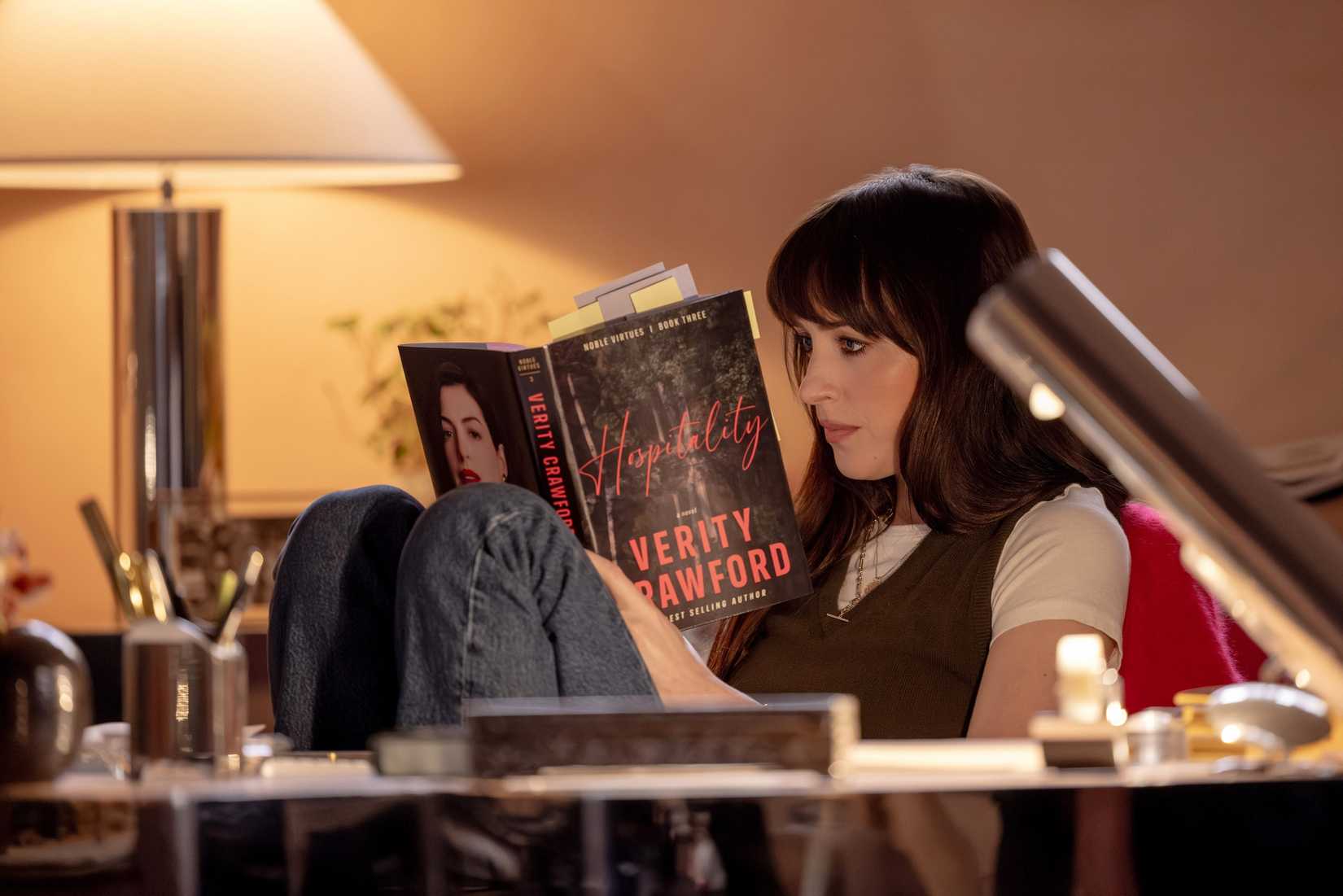
Colleen Hoover’s fanbase has similarly responded with intense debate across social media platforms, drawing parallels between the book’s infamous "letter under the floorboard" trope and cinematic classics like Gone Girl and Gaslight. The ambiguity of whether Verity’s letter is the ultimate truth or merely a final, gaslighting maneuver from beyond the grave has sparked widespread discourse among filmgoers.
Implications: A Reframing of the Entire Narrative
The final moments of Verity fundamentally shift our understanding of every scene that precedes it.
- The Fallacy of the Monster: The true monster of the film was never the paralyzed woman trapped in her bedroom. Instead, Lowen fell victim to a fabricated narrative, weaponizing a fictional writing exercise to justify murder and clear a path to a stolen life.
- The Mask of Patriarchy: Jeremy’s character arc is completely inverted. Initially presented as the ultimate victim—a devoted father and husband battered by an abusive, narcissistic wife—he is retroactively exposed as a calculated abuser who used poison and staged accidents to silence a brilliant woman.
- Lowen’s Moral Complicity: The film concludes on an intensely chilling note. After discovering the letter, Lowen pauses. Instead of confronting Jeremy or turning herself in, she quietly wipes away her tears, conceals the letter beneath the floorboards once more, and heads downstairs to join the man she helped commit murder.
As the screen fades to black, the implication is clear: Lowen knows she has built her entire future on a foundation of lies and blood, but she chooses self-preservation and complicity over the terrifying truth. Verity is currently playing in theaters nationwide, leaving audiences to question who is truly manipulating whom long after the credits roll.
 Nana Muazin
 Layla Zulfa
 Basiran
