

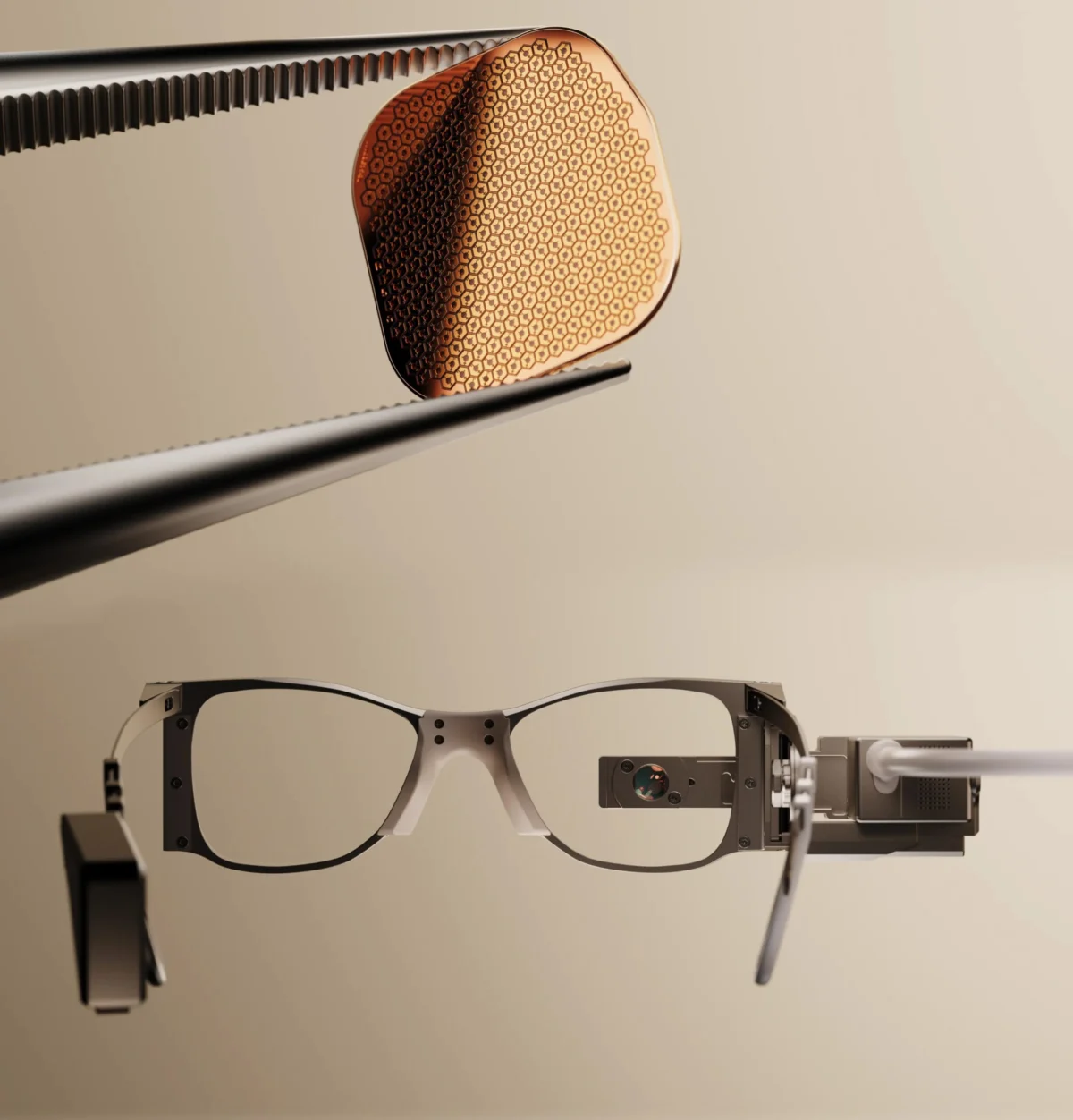
In a landmark achievement for neurotechnology and regenerative medicine, Science Corporation—a brain-computer interface (BCI) startup led by former Neuralink president Max Hodak—has secured European regulatory approval to bring its PRIMA vision-restoration system to market. This milestone marks a pivotal shift for the BCI industry, moving the technology from the speculative realm of venture-capital-funded research into the tangible, revenue-generating sector of medical devices.
The PRIMA system is designed to treat patients suffering from geographic atrophy due to age-related macular degeneration (AMD). By utilizing a sophisticated sub-retinal chip, the device bypasses damaged light-sensing cells to deliver visual information directly to the brain, effectively restoring functional sight. As the company prepares for its initial commercial rollout in Germany, the broader implications for the BCI field are profound: Science Corporation is proving that the path to high-level, brain-machine integration may be paved by solving specific, high-value clinical problems first.
The PRIMA System: Restoring Sight Through Innovation
Age-related macular degeneration is a silent thief, affecting millions globally. The condition systematically destroys the macula—the part of the retina responsible for sharp, central vision—leading to a loss of the light-sensitive cells required to read, recognize faces, and navigate daily life. Until now, the clinical options for patients in the advanced stages of the disease have been severely limited.
The PRIMA system changes this trajectory through a dual-component approach. The first component is a tiny, wireless photovoltaic chip implanted behind the retina in an outpatient procedure lasting roughly one hour. The second component consists of a pair of specialized, camera-equipped glasses. The glasses capture visual information from the environment, process it, and project it as infrared light pulses onto the sub-retinal chip. The chip then converts these pulses into electrical signals that stimulate the remaining healthy neurons in the retina, which transmit the information via the optic nerve to the visual cortex.
The results, according to Max Hodak, have been life-changing. "One of our patients in France finished a 300-page novel a little while ago, and sent us the book," Hodak noted in a recent interview. "We have a sketch on the wall—one of our patients drew the Sydney Opera House. There are videos of patients playing crossword puzzles and filling in Sudoku."
Chronology of a Medical Breakthrough
The journey of the PRIMA system did not begin at Science Corporation, but the startup’s strategic acquisition of French firm Pixium Vision in 2024 provided the catalyst for its regulatory success.
- 2021: Max Hodak departs Neuralink to found Science Corporation. His vision is ambitious: to develop a sophisticated, long-term BCI platform using a hybrid of silicon chips and living cells. However, Hodak recognizes that the industry faces a "winter" if it cannot prove economic viability.
- 2023: Science Corporation intensifies its focus on the intersection of ophthalmology and BCI, identifying the PRIMA technology as a viable, mature platform that can be brought to market with the right regulatory and engineering support.
- 2024: Science Corporation officially acquires Pixium Vision. The team immediately begins refining the hardware and, crucially, building out the rigorous documentation required for European regulatory approval.
- Mid-2024: The company secures the CE Mark in Europe, authorizing the commercial sale of the PRIMA system for the treatment of macular degeneration.
- Late 2024: Simultaneously, the company receives a breakthrough designation from the US Food and Drug Administration (FDA), an essential first step toward an expedited review process that could pave the way for treating additional forms of rare blindness in the United States.
- September 2024 (Projected): Science Corporation expects to conduct the first commercial procedures in Germany, where the technology underwent its initial clinical trials.
The Strategy: Sustainability as a Gateway to Advanced BCI
For many in the BCI sector, the ultimate goal is the "holy grail" of seamless human-machine integration—a goal that requires immense research and development capital. Hodak, however, is wary of the "hype cycle."
"The thing that the space needs is a company making $100 million a year of revenue," Hodak stated. He argues that by focusing on a specific, high-need medical application like vision restoration, Science Corporation can build a sustainable, self-funding business. This, he believes, is the only way to avoid the "winter" of stagnation that often follows the initial excitement surrounding new technological paradigms.
By establishing a reliable revenue stream through PRIMA, Science Corporation is essentially "financing the rest of it." The medical device business provides the professional rigor, clinical relationships, and financial stability necessary to pursue the company’s more radical, long-term research goals—specifically, the development of bio-hybrid brain sensors.
Bridging the Gap: Collaboration and Future R&D
Science Corporation is not operating in a vacuum. The company has entered into a strategic partnership with Dr. Murat Günel, chair of the Department of Neurosurgery at Yale Medical School. This collaboration is focused on developing the necessary procedures and safety protocols for human trials of a directly implanted, bio-hybrid brain sensor.
This long-term R&D is the true core of Science Corporation’s mission, but the team is acutely aware that investors need "spreadsheets" and tangible results. By proving they can navigate the complex medical device regulatory landscape, they are building the institutional trust required for the more invasive, cutting-edge neurotechnology projects on the horizon.
Looking ahead, the company is already planning the next iteration of the PRIMA system. The current hardware requires a battery pack to operate, and the engineering team is working to shrink the form factor and improve visual acuity. The ultimate ambition is to move toward an aesthetic comparable to Meta’s AR glasses—a device that is as functional as it is discreet. However, the company is candid about the challenges: the power and compute requirements for such a system are significant, and the path to miniaturization remains a core engineering hurdle.
Implications for the Healthcare Ecosystem
The arrival of PRIMA in the commercial market carries significant implications for the healthcare industry, particularly regarding reimbursement and insurance. With a price point expected to reach into the hundreds of thousands of dollars per procedure, the adoption of PRIMA will depend heavily on the company’s ability to secure coverage from national healthcare providers and private insurers.
Science Corporation is currently in active negotiations with medical partners and healthcare authorities in Europe to ensure that the treatment is accessible to the patients who need it most. The success of these discussions will serve as a bellwether for other BCI firms looking to move their technology into clinical practice.
Furthermore, the success of the PRIMA system underscores a growing trend in biotechnology: the "platformization" of medicine. By acquiring existing, promising technology (Pixium) and applying their own superior engineering, data, and regulatory processes to scale it, Science Corporation has demonstrated a repeatable model for bringing complex, high-stakes medical technologies to market.
Conclusion: A New Standard for Neurotech
The intersection of Science Corporation’s business acumen and its technical ambition has created a unique roadmap for the future of BCI. By prioritizing the restoration of sight—a tangible, life-altering medical intervention—the company has managed to satisfy both the clinical community and the investment world.
As the first patients in Germany undergo the PRIMA procedure this fall, the world will be watching. The success of this device will not only validate the years of research that went into its development but will also provide the necessary capital and credibility to drive the next generation of brain-computer interfaces. Max Hodak’s approach serves as a reminder that in the race to transform the human experience through technology, the most sustainable path is often the one that helps people see clearly today.
 Asep Darmawan
 Siti Muinah
 Ali Ikhwan
